
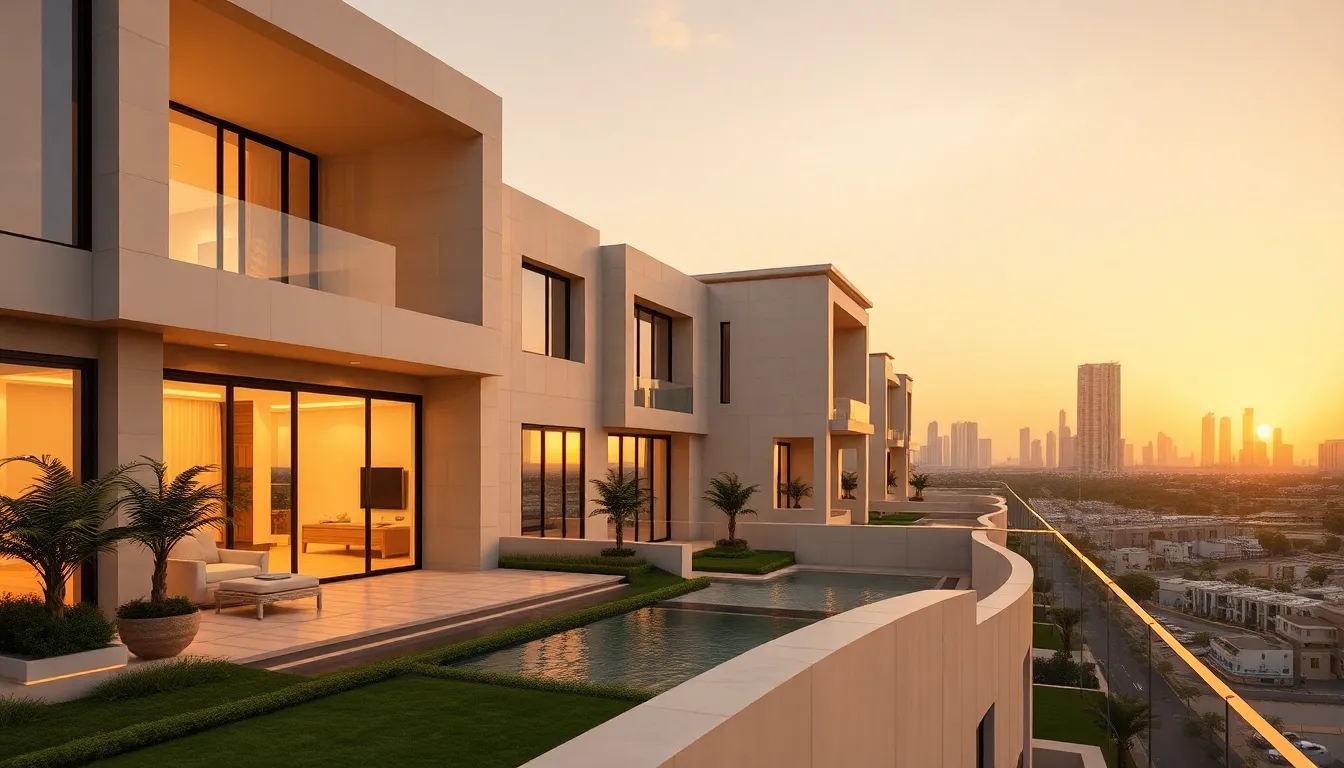
Will Dubai Residential Properties Boom in 2026?
Dubai's residential property market has been on a remarkable run. After record-breaking sales in 2023 and 2024, many wonder what 2026 holds. Will the momentum continue? Or are we due for a correction? Let's analyze the key factors shaping the market.
The answer is nuanced. Dubai's real estate cycle has historically been volatile. But 2026 looks different. Government initiatives, visa reforms, and economic diversification have created a more resilient foundation.
Will Property Prices in Dubai Continue to Rise in 2026?
Yes, but not at the same pace as previous years. Early 2025 saw price growth of around 15-20% in prime areas. By 2026, growth is expected to stabilize at 5-10%. Supply is catching up, but demand remains robust.
Areas like Palm Jumeirah, Emirates Hills, and Downtown Dubai will see steady appreciation. Newer communities such as Dubai South and Al Furjan offer more affordable options with growth potential. Investors should focus on location and developer reputation.
What Are the Best Areas to Invest in Dubai in 2026?
For luxury buyers, Palm Jumeirah and Jumeirah Bay Island remain top picks. Mid-market investors should consider JVC, Town Square, and Damac Hills 2. First-time buyers find good value in International City and Dubai Silicon Oasis.
Off-plan projects in Dubai Creek Harbour and Expo City are attracting interest. These areas benefit from infrastructure development and future demand. Rental yields average 6-8%, among the highest globally.
How Do Off-Plan Properties Perform in 2026?
Off-plan sales have surged. In 2024, off-plan transactions made up over 60% of total sales. This trend continues into 2026. Developers offer flexible payment plans, often with post-handover options. However, buyers must vet developers carefully.
Completion delays can occur. Stick to established builders like Emaar, Damac, and Nakheel. Off-plan prices are typically 20-30% lower than ready properties, but carry higher risk. Capital appreciation upon handover can be significant if the market holds.
Will Rental Yields Remain Attractive?
Dubai offers some of the best rental yields globally. In 2026, average yields range from 6% in mid-tier areas to 10% in affordable segments. Luxury properties yield less, around 4-5%, but appreciate more. Short-term rentals via Airbnb are lucrative but regulated differently.
Population growth drives rental demand. Dubai's population exceeded 3.8 million in 2025 and is expected to hit 4 million by 2026. New residents need housing. This supports both rental and sales markets.
Is It a Good Time to Buy a Villa or Apartment?
It depends on your goals. For long-term capital growth, now is a good time. Prices are below 2014 peaks when adjusted for inflation. Mortgage rates have stabilized around 4.5-5%, making financing affordable.
For short-term flips, caution is needed. Transaction costs (4% DLD fee, agent commission, etc.) eat into quick profits. A holding period of 3-5 years is advisable. Dubai's market rewards patience.
What Risks Should Investors Watch For?
Global economic slowdown could affect Dubai. But the UAE's diversification into tech, tourism, and finance buffers the impact. Oversupply is a risk in certain segments. The government has adjusted supply through RERA regulations.
Another risk is currency fluctuation. The dirham is pegged to the US dollar, so it's stable. For foreign investors, exchange rates matter. Overall, Dubai's regulatory environment is transparent and investor-friendly.
How to Choose Between Dubai and Other Global Cities?
Compare Dubai to London, New York, or Singapore. Dubai offers higher yields, no property tax, and easier residency. Capital appreciation is comparable. The table below summarizes key metrics.
| Metric | Dubai (2026) | London | New York |
|---|---|---|---|
| Avg. Price per sq ft | $500 | $1,200 | $1,400 |
| Rental Yield | 7% | 3% | 4% |
| Property Tax | 0% | ~2% | ~1.5% |
| Residency Visa | Easy (via property) | Hard | Hard |
Dubai clearly wins on affordability and tax efficiency. But liquidity is lower. Investors need a longer horizon.
Frequently Asked Questions
1. Can foreigners buy property in Dubai?
Yes, foreigners can buy freehold properties in designated areas. No restrictions on nationality. The process is straightforward.
2. What is the minimum budget to invest in Dubai?
Studios start around $150,000 (AED 550,000). Luxury villas can exceed $5 million. Financing is available for non-residents with 20-30% down.
3. Are property prices in Dubai overvalued?
Not significantly. Price-to-rent ratios are reasonable. Affordability is better than many global cities.
4. What is the best property type for investment?
One-bedroom apartments offer the best balance of yield and appreciation. Villas in emerging communities also perform well.
5. How long does buying a property take?
Typically 4-8 weeks from offer to handover. Off-plan takes longer. Use a reputable agent to streamline.
6. Do I need a lawyer?
Not mandatory, but recommended. Legal fees are low and provide protection.
7. What are the hidden costs?
Ageny fee (2%), DLD fee (4%), registration (0.25%), and maintenance fees. Budget for 7-10% extra.
Ready to start your property search? explore available listings and find your ideal home. For more market analysis, read more insights on our blog. Have questions? speak with our advisors for personalized guidance.
By the Siddhi Enterprises (Real Estate) Research Team | Over 10 years of Dubai property market expertise
Siddhi Team
Dubai Real Estate Experts helping Indian investors find their perfect property in UAE.