
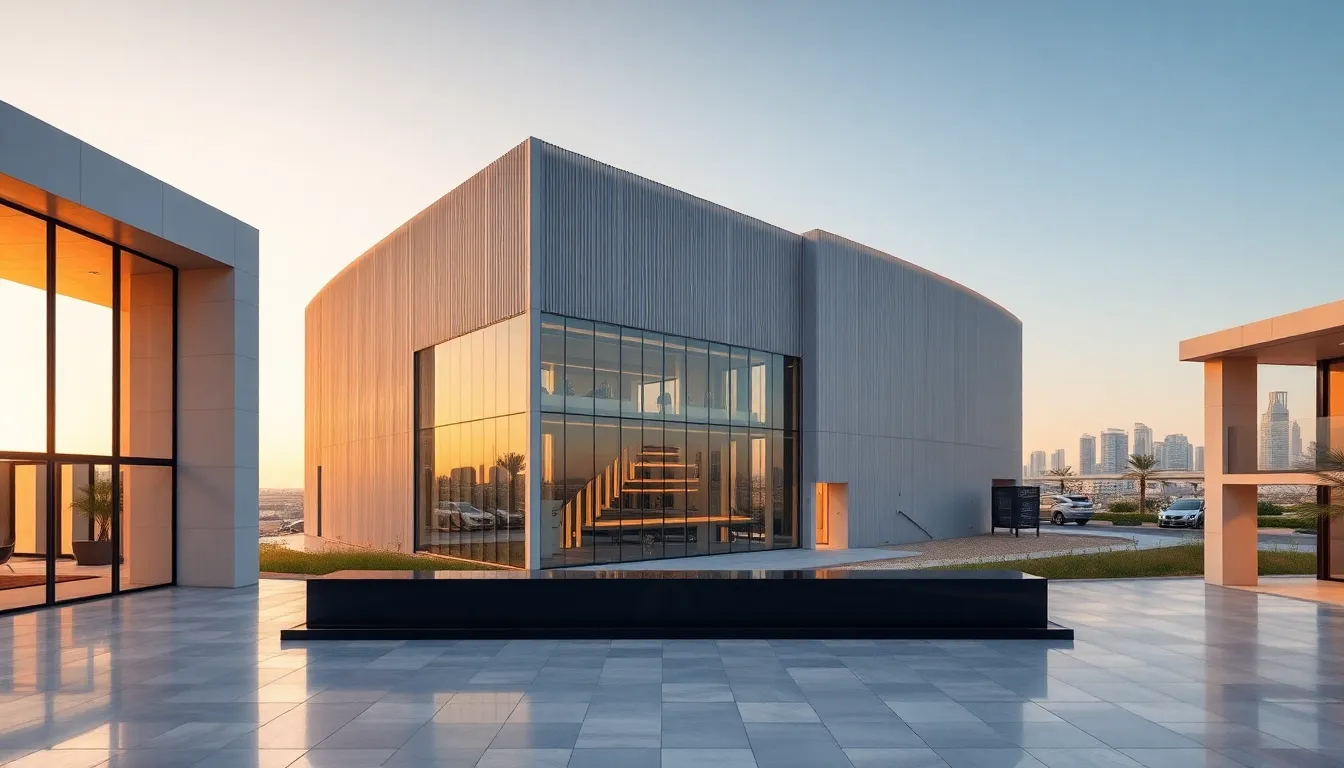
Why Invest in Industrial Property in Dubai South in 2026?
Dubai South is rapidly emerging as the epicenter of industrial activity in the UAE. In 2026, the district is poised to witness unprecedented growth, fueled by major infrastructure projects and government initiatives. This area, once a vast desert expanse, is now transforming into a bustling logistics and industrial corridor. Investors are taking notice, and for good reason. The strategic advantages offered here are unmatched in the region.
From tax incentives to state-of-the-art facilities, Dubai South presents a compelling case for both local and international investors. But what exactly makes industrial property in Dubai South so attractive? Let’s break down the key factors driving this market and explore why 2026 is the year to act.
What Makes Dubai South a Prime Location for Industrial Property?
Dubai South is strategically located near Al Maktoum International Airport and Jebel Ali Port, two of the world’s busiest logistics hubs. This synergy creates a seamless supply chain for businesses. The area is part of the Dubai South free zone, offering 100% foreign ownership and zero corporate tax for 50 years. These incentives are huge magnets for multinational corporations and SMEs alike.
Infrastructure here is world-class. Roads are wide, utilities are reliable, and internet connectivity is top-notch. The district is also home to the Dubai Logistics City and the Aviation District, which cater specifically to industrial and logistics needs. In 2026, these zones are expanding further, with new warehousing and light manufacturing spaces coming online.
Moreover, the residential component of Dubai South is growing, meaning a ready workforce is nearby. This reduces commuting costs and improves employee retention. For industrial investors, this is a key advantage that many other free zones lack.
What Types of Industrial Properties Are Available in Dubai South?
Dubai South offers a diverse range of industrial properties. You can find build-to-suit warehouses, cold storage facilities, light industrial units, and even large-scale manufacturing plants. The Dubai Industrial Park within the district provides plots for factories with ready access to power and water. In 2026, developers are focusing on Grade-A logistics spaces with high ceilings, ample loading docks, and advanced security systems.
For investors, the most common options are leasehold warehouses and freehold industrial units. Freehold ownership is available in designated areas, allowing 100% ownership for foreign investors. Prices vary depending on size, location, and fit-out. A typical 10,000 sq. ft warehouse in a prime location might cost around AED 2-3 million, with rental yields of 8-12%.
There are also opportunities to invest in land for development. Plots in Dubai South are reasonably priced compared to other industrial zones like Jebel Ali or Al Quoz. This makes it attractive for businesses wanting to build custom facilities. The government also offers incentives like fast-track approvals for construction permits.
How Are Rental Yields and Capital Appreciation in Dubai South?
Rental yields for industrial property in Dubai South are among the highest in Dubai. In 2026, yields range from 8% to 12%, depending on the property type and lease terms. Long-term leases of 5-10 years are common, providing stable cash flow. Capital appreciation has been steady, with average annual growth of 6-8% over the past few years. Experts predict this trend will continue as more infrastructure projects complete.
To give you a clearer picture, here’s a comparison table of industrial property yields in different Dubai zones:
| Zone | Average Yield (2026) | Capital Appreciation | Typical Lease Duration |
|---|---|---|---|
| Dubai South | 8-12% | 6-8% p.a. | 5-10 years |
| Jebel Ali | 7-9% | 4-6% p.a. | 3-5 years |
| Al Quoz | 6-8% | 3-5% p.a. | 1-3 years |
| Ras Al Khor | 7-10% | 5-7% p.a. | 3-7 years |
As the table shows, Dubai South outperforms most other industrial zones in both yield and appreciation. This is driven by limited supply and high demand from e-commerce and logistics companies expanding their Dubai operations.
What Is the Regulatory Environment for Industrial Property Investors?
Investing in Dubai South is straightforward. The Dubai South free zone authority regulates all business activities, offering a one-stop shop for licensing and permits. Foreign investors can own 100% of their property and business. There are no currency restrictions, and capital can be repatriated freely. The government also provides long-term visas for investors and their families, making it easier to relocate.
One key regulation to note is that industrial properties must be used strictly for permitted activities under the free zone license. This ensures compliance and maintains the integrity of the industrial ecosystem. Additionally, environmental regulations are strictly enforced. Businesses need to adhere to waste management and emission standards. However, the authority provides support to help companies comply.
For developers, there are guidelines on building specifications, including height limits and setback requirements. But these are designed to maintain a uniform and professional industrial landscape. Overall, the regulatory environment is business-friendly and transparent, which reduces investment risk.
How Does Dubai South Compare to Other Industrial Hubs in the UAE?
Dubai South is often compared to Jebel Ali Free Zone (JAFZA) and Abu Dhabi’s Industrial City (ICAD). While JAFZA is more established, it’s also more expensive and has older infrastructure. Dubai South offers modern, purpose-built facilities at lower costs. ICAD is cheaper but less connected to global trade routes. Dubai South’s proximity to the new Al Maktoum International Airport gives it a unique edge for air freight logistics.
Another competitor is Sharjah’s Hamriyah Free Zone, which offers lower rents but lacks the prestige and infrastructure of Dubai South. For businesses requiring high-quality facilities and global connectivity, Dubai South is the clear winner. In 2026, the gap is widening as Dubai South continues to attract major players like Amazon and DHL.
Moreover, the Expo 2020 legacy has left Dubai South with excellent road and metro connectivity. This makes it accessible for both labor and management. Other industrial zones often suffer from traffic congestion, but Dubai South’s wide roads ensure smooth movement of goods.
What Are the Risks and Challenges?
No investment is without risk. One challenge in Dubai South is the relatively new market. Some areas still lack immediate amenities like restaurants and retail, though this is improving. Another risk is oversupply. With many new projects underway, there’s a chance that rents could soften if demand doesn’t keep pace. However, the long-term outlook remains positive due to population growth and economic diversification.
Currency risk is minimal since the UAE dirham is pegged to the US dollar. Political stability in the UAE is also a strong plus. However, investors should be aware of the cyclical nature of real estate markets. Having a long-term horizon of at least 5-7 years is advisable.
To mitigate risks, work with reputable developers and consult with local experts. The Dubai South authority also provides market data to help investors make informed decisions. Diversifying within the zone—investing in different property types—can also spread risk.
Frequently Asked Questions
Can foreigners buy industrial property in Dubai South?
Yes, in designated freehold areas, foreigners can own 100% of the property. In leasehold areas, you can lease for up to 99 years.
What is the minimum investment required?
Prices start around AED 1 million for a small warehouse unit. Land plots can be as low as AED 500,000 for smaller sizes.
How are rents typically paid?
Most leases require annual or semi-annual payments, often with a security deposit of 5-10% of annual rent.
Are there financing options available?
Yes, several UAE banks offer commercial mortgages for industrial property, typically covering up to 70% of the property value.
What is the lease renewal process?
Leases are usually renewed with an annual escalation clause of 5-10%. Both parties negotiate terms 3-6 months before expiry.
Can I sublease my industrial property?
Subleasing is generally not allowed without prior approval from the free zone authority. However, some leases permit it with conditions.
What are the operating costs?
Besides rent, you’ll pay service charges (typically AED 10-15 per sq. ft per year), utilities, and insurance. Property management fees apply if you use a manager.
For more detailed guidance, speak with our advisors who specialize in Dubai South industrial properties.
In summary, industrial property in Dubai South in 2026 offers a compelling mix of high yields, strong appreciation, and strategic location. The infrastructure is modern, the regulatory environment is favorable, and demand is rising. Whether you are a seasoned investor or a first-time buyer, this is a market worth exploring. Take the time to visit the area and see the developments firsthand. And remember, the early bird often catches the best deals.
If you’re ready to take the next step, explore available listings on our website. We have a curated selection of top-tier industrial properties in Dubai South. For broader market trends, read more insights on our blog. Our team is here to help you make informed decisions.
By the Siddhi Enterprises (Real Estate) Research Team | Over 10 years of Dubai property market expertise
Siddhi Team
Dubai Real Estate Experts helping Indian investors find their perfect property in UAE.