
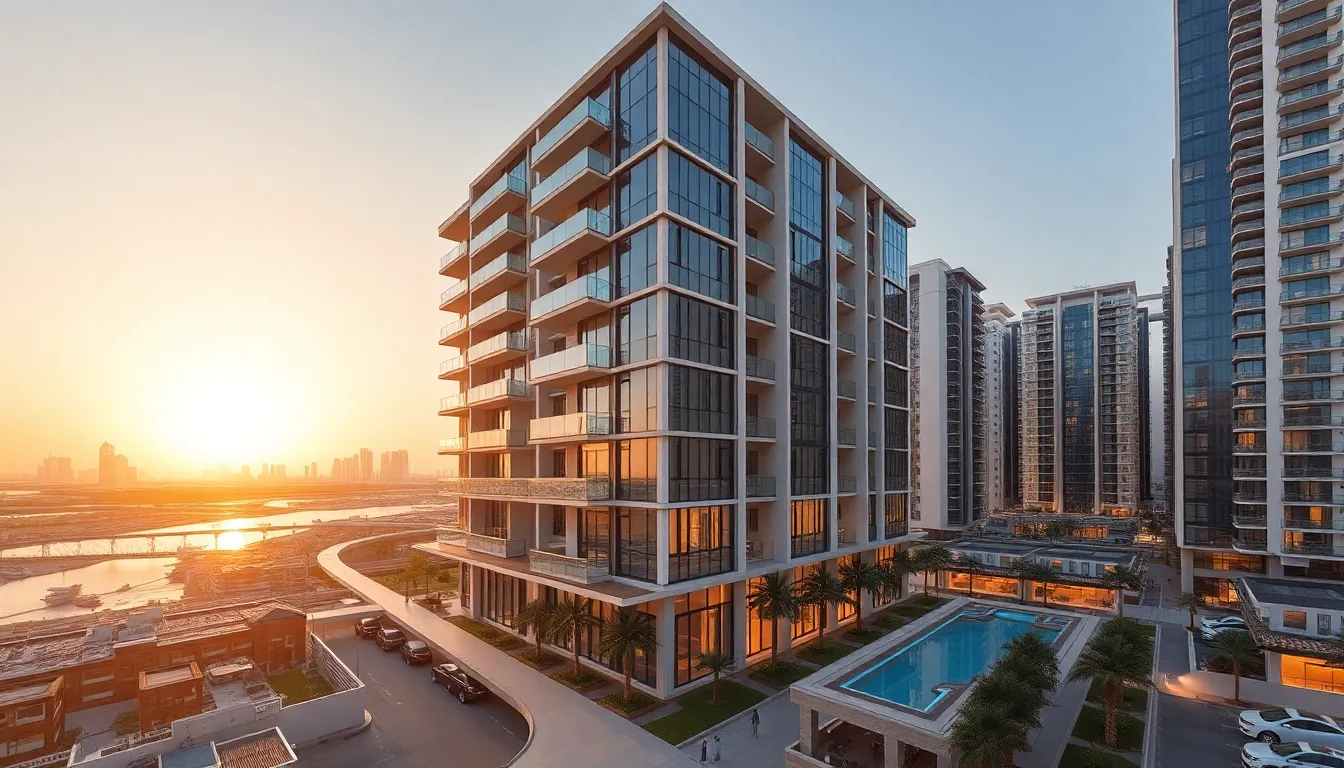
Why Invest in Dubai Apartments in 2026?
Dubai's apartment market has consistently outperformed global peers. In 2026, the fundamentals are even stronger. Population is set to cross 4 million. New visa reforms attract long-term residents. The city's infrastructure is world-class. And the government's focus on innovation keeps demand high. Let's dive into the specifics of why investing in a Dubai apartment this year makes sense.
What Makes Dubai Apartments a Good Investment in 2026?
Dubai's real estate market is resilient. After a post-pandemic boom, prices have stabilised, but growth continues. In 2026, we see steady demand from both end-users and investors. The Expo 2020 legacy continues to drive business tourism. New free zones and economic initiatives attract global talent. This fuels rental demand. Apartments in areas like Dubai Marina, Downtown, and JLT yield 5-8% gross rental returns. Off-plan investments in developing areas like Dubai Creek Harbour and Emaar Beachfront offer even higher capital appreciation.
Another key factor is the Golden Visa. Investors who buy property worth AED 2 million or more can get a 10-year renewable visa. This encourages long-term holding and reduces churn. Additionally, the UAE dirham is pegged to the US dollar, offering currency stability for international investors. No capital gains tax, no property tax, and low transaction costs (around 4% DLD fee + agent commission) make Dubai one of the most tax-efficient real estate markets globally.
Which Areas Offer the Best Returns for Apartment Investments?
Not all areas are equal. Some offer higher rental yields, others better capital appreciation. Here's a quick comparison of top investment districts in 2026:
| Area | Avg. Price per sqft (AED) | Gross Rental Yield | Capital Growth (2025-2026) |
|---|---|---|---|
| Dubai Marina | 1,800 | 5.5% | 6% |
| Jumeirah Village Circle | 950 | 8.2% | 10% |
| Downtown Dubai | 2,200 | 4.8% | 5% |
| Dubai South | 750 | 9.0% | 12% |
As the table shows, mid-range areas like JVC and Dubai South offer higher yields and growth potential. These are popular with young professionals and families, ensuring steady rental demand. Luxury areas like Downtown and Marina provide stability and prestige, but lower yields. Your choice depends on your investment strategy: cash flow vs. capital appreciation.
How to Finance a Dubai Apartment Purchase?
Financing options are abundant. For off-plan properties, developers often offer payment plans with 50% during construction and 50% on handover. This reduces upfront capital. For ready properties, banks provide mortgages up to 75% for expats and 80% for UAE nationals. Interest rates are competitive, around 4-5% fixed for the first few years.
You can also use a mortgage from your home country if you have sufficient equity. But local mortgages are easier. You'll need a down payment of 20-25% for first-time buyers. The Dubai Land Department (DLD) charges a 4% transfer fee. Agent commission is typically 2%. So budget around 7% extra on top of the purchase price.
One tip: Use a mortgage broker to compare rates. Many banks offer pre-approval within 48 hours. Once you have financing, you can move quickly on good deals.
What Are the Risks of Investing in Dubai Apartments?
Every investment has risks. Dubai is no exception. The market can be cyclical. In 2020, prices dipped 10% during COVID. But recovery was swift. In 2026, we see moderate growth, but external shocks (oil price volatility, global recession) could impact sentiment.
Another risk is oversupply. In some areas, new projects are launching rapidly. This can pressure rents and prices. However, the Dubai government has been proactive in managing supply. They adjust land releases and project approvals to maintain balance. As of 2026, demand is outpacing supply in most segments.
Currency risk is minimal due to the AED-USD peg. But if you're investing from a country with a weak currency, exchange rates matter. Also, consider management costs. Service charges in Dubai can be high, especially in premium buildings. Factor these into your yield calculations.
Is Off-Plan or Ready Property Better for Investment?
Off-plan properties offer lower entry prices and potential for capital appreciation during construction. You can often sell before handover for a profit. But there's risk of delays or quality issues. Choose reputable developers like Emaar, Damac, or Sobha.
Ready properties give immediate rental income. You can see the finished product. No construction risk. But prices are higher, and yields may be lower. For first-time investors, we recommend a mix: 70% ready, 30% off-plan. This balances risk and reward.
Another option is secondary market properties. These are previously owned apartments. They often come with existing tenants, providing instant cash flow. But inspect carefully for maintenance issues.
What Legal Steps Are Required?
The process is straightforward. For off-plan, you sign a Sale and Purchase Agreement (SPA) registered with Oqood. For ready properties, you get a Title Deed from DLD. Both parties need to be present or have power of attorney.
You'll need a UAE residency visa to buy property? No. Foreigners can buy freehold property without residency. But if you want to live here, you can apply for a property visa (renewable every 2-3 years). Alternatively, the Golden Visa is a better option for investors with AED 2 million+.
Always hire a legal consultant to review contracts. They charge around AED 5,000-10,000. This small cost can save you from costly mistakes.
Frequently Asked Questions
Can foreigners buy apartments in Dubai?
Yes, foreigners can buy freehold apartments in designated areas like Dubai Marina, JLT, and Downtown. No restrictions on nationality. You can own 100% of the property.
What is the minimum budget for a Dubai investment apartment?
Prices start from AED 300,000 for a studio in emerging areas like International City. For prime locations, expect AED 800,000+. Average studio in JVC is around AED 450,000.
What are the taxes on rental income in Dubai?
There is no personal income tax or capital gains tax on property. Rental income is tax-free. You only pay the DLD transfer fee (4%) and annual service charges.
How can I manage my property remotely?
Many property management companies handle everything from tenant sourcing to maintenance. Fees range from 5-10% of annual rent. You can also list on Airbnb for short-term lets.
Is 2026 a good time to invest in Dubai real estate?
Yes. The market is stable with moderate growth. Interest rates are expected to decline later in 2026, boosting affordability. Prices are still below 2014 peaks in some areas, offering value.
What are the best areas for Airbnb investment?
Dubai Marina, Downtown, and Palm Jumeirah are top for short-term lets. They attract tourists and business travellers. Average occupancy rates exceed 75% year-round.
Do I need a lawyer to buy property in Dubai?
Not mandatory, but highly recommended. A lawyer ensures due diligence, contract review, and smooth transfer. Legal fees are around 1% of property value.
Dubai's apartment market in 2026 presents a compelling opportunity. Whether you're a first-time investor or a seasoned pro, the combination of high yields, low taxes, and strong demand makes it a smart choice. To get started, explore available listings or read more insights on our blog. If you need personalised advice, speak with our advisors today.
By the Siddhi Enterprises (Real Estate) Research Team | Over 10 years of Dubai property market expertise
Siddhi Team
Dubai Real Estate Experts helping Indian investors find their perfect property in UAE.