
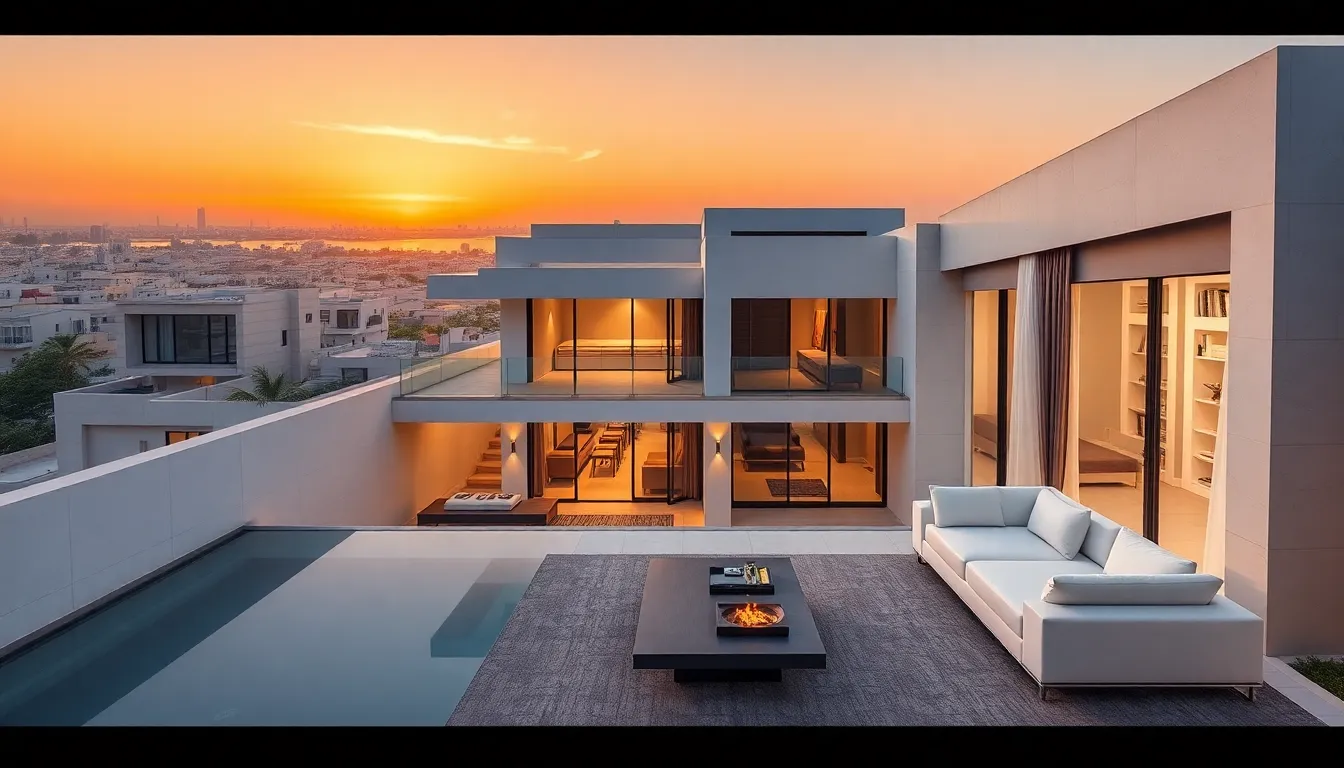
Why Do First-Time Buyers Misjudge Al Furjan So Badly?
I’ll admit something most agents won’t: for the first five years of my career, I barely thought about Al Furjan. It wasn’t until I got stuck waiting for a client on a blistering July afternoon, wandering into the deserted weekend souq by the pavilion, that the area clicked for me. The air was thick with the scent of oud from a shuttered stall, the silence almost unnerving after the constant background drone of Sheikh Zayed Road. That’s when I realized: Al Furjan isn’t absent — it’s just quietly getting on with being a real neighborhood. Since that afternoon, I’ve sold over two dozen properties here, and almost every first-time buyer starts with the same misunderstandings about the area before they even think about their numbers.
Why do first-time buyers always get Al Furjan wrong?
Their mistake is almost never about money at first. It’s about a mental map that stops at Dubai Marina. I can’t count how many calls start with “I want to be close to the action” — meaning JBR, Marina Walk, the Palm. They’ve never driven down Al Yalayis Street, never noticed that Discovery Gardens and The Gardens sit right between Al Furjan and the coast. When you discover Dubai freehold communities beyond those postcard spots, something shifts. Al Furjan was one of Nakheel’s early masterplanned projects, and it aged well. The mature trees, the low-rise buildings, the way kids actually play in the streets here — none of that comes across on a floor plan PDF. I once had a couple who refused to view a townhouse because “it’s all the way in Jebel Ali”. Ten minutes into the visit, the wife was planning which wall to knock down. That’s the pattern. The area educates you the moment you drive through it.
What they miss is how the 2020 metro extension severed the isolation narrative. The Energy and Danube stations sit right on the edge of the community. A commuter can be on a train and at DMCC in under fifteen minutes. By car, the Expo Road connection now sweeps you into DIFC in less than half an hour off-peak. But none of that sticks until you try it. The first-time buyer’s reference point is still the Marina skyline, and Al Furjan refuses to shout.
What should I really care about when looking for property for sale in Al Furjan?
Forget the area’s reputation; focus on the specific cluster. Al Furjan isn’t one thing — it’s a patchwork of villa compounds, apartment blocks, and the newer Quortaj townhouses. The Al Furjan community breaks into sub-districts like Murooj Al Furjan, Azizi Al Furjan, and the Nakheel-built villas near the Pavilion. Each has a distinct rhythm. Murooj, for instance, has tighter streets and a more intimate square, while the Quortaj offers a slightly more contemporary finish with open-plan living rooms that young families obsess over. I always ask buyers: do you want to walk to the supermarket in three minutes or are you okay jumping in the car? That one question sorts out which cluster suits you. Proximity to Ibn Battuta Mall is another silent factor. It’s not just a shopping destination; it acts as a secondary community anchor — doctors, dentists, Geant, the metro station — all under air conditioning. In a city where summer walks are a sweat-soaked gamble, that covered connectivity counts.
Schools matter more than pools. My clients with toddlers almost always lean toward the villas on the southwestern edge because it shortens the school run to the nearby Arcadia or Dovecote nurseries. Even the newly opened sports facilities and cycling tracks change the pitch. A first-time buyer who rides a bicycle to the Expo Lake on a Friday morning will sell you on the area faster than any agent.
How do I know if Al Furjan suits my lifestyle?
This is where the quiet summer souq I mentioned comes back. In July and August, the community market by the Pavilion is barely alive — a handful of stalls selling fresh juice and dates, a guy in a kandura smoking quietly under a tree. It’s not the Instagram version of Dubai. But come November, that same square fills with families, a pop-up cinema, and the smell of shawarma that drifts all the way to the tennis courts. I tell buyers: if you need a constant buzz outside your window, Al Furjan might frustrate you. If you want to close your front door and actually hear nothing except the occasional bird, you’ve found your place. Most people I meet fall somewhere in between. They want space for a home office, a guest room, and a garden where the dog can dig holes. Al Furjan delivers that at a scale that Marina or JLT simply can’t, unless you’re looking at penthouses. And the people who live here know it. You won’t find the short-term rental churn of some downtown towers. Neighbours tend to stay, which means they invest in the community chats and the WhatsApp groups about rubbish collection. Petty as that sounds, it’s the rhythm of a real neighbourhood.
What kind of properties for sale in Al Furjan should I look for?
It depends entirely on who you are. Investors hunting yield usually gravitate toward the one-bed apartments near the metro stations — steady tenant demand from logistics and free‑zone professionals. Couples often split between a two-bed in the Quortaj cluster or a smaller villa in the Murooj phase. The villas, though, are the unsung heroes. Nakheel’s three‑bedroom layouts typically give you a proper maid’s room, a study nook, and a pocket garden that somehow feels bigger than the floor plan suggests. I always walk a client through the back alley too — the service lane behind the villa row. You’d be surprised how many buyers ignore it until they realize that’s where the bins go and how the AC units are accessed. Explore Dubai property investment opportunities across communities, and you’ll notice Al Furjan’s villa stock rarely sits idle for long when priced sensibly. The handover quality varies, and I’ll get to that, but the bones of the Nakheel‑built homes are good. They age better than some of the newer prefab designs you see in off‑plan launches.
Is the handover process a headache in Al Furjan?
Yes and no — and this is where my snagging clipboard has earned its scratches. Ready properties are the safest bet. I’ve inspected villas where the developer had already rectified the common complaints: tile lippages, grout cracking, AC drainage quirks. Nakheel does send maintenance crews post‑handover, though summer response times can lag. For off‑plan purchases, always check the completion status. Some new phases deliver faster than promised; others drag. I once stood in an empty unit counting 42 snags before lunchtime while the buyer looked horrified. The developer fixed 39 within a week. That’s not a horror story; it’s a realistic outcome. I prefer my clients to see the unfinished state so they understand the raw structure. Before any decision, reach out for a property walkthrough. Standing inside, hearing the neighbour’s kids through the wall, noticing how the afternoon sun hits the window — none of that is in the brochure.
Why do I still meet buyers who overlook Al Furjan even after seeing it?
The area-snobbery dies hard. Some people cling to the idea that a Dubai address must have a marina view or a skyline pano. They don’t trust their own instinct when they feel comfortable. I’ve watched a couple get genuinely excited about a three‑bedroom with a wraparound garden, then talk themselves out of it in the car because “it’s not JBR”. That’s the budget misconception creeping in sideways. They assume a villa in Al Furjan must be out of reach because they associate “villa” with Emirates Hills or Arabian Ranches. When they finally check their financing, they often discover the spread is comparable to a two‑bed in a high‑rise elsewhere. So yes — they get the area wrong before they get the budget wrong. By the time they circle back, the best unit is gone. The ones who buy are the ones who spend a Friday evening here, see the grocery store humming, and trust that real life in Dubai happens between the high‑rise corridors, not inside them.
Which community actually fits your everyday life?
| Dimension | Al Furjan | JVC | Dubai Marina | JLT |
|---|---|---|---|---|
| Lifestyle | Family‑first, quiet streets, community events | Mixed; dense, young crowd, evolving | Vibrant, tourist‑heavy, 24/7 urban energy | Urban‑village; professionals, some families |
| Commute to DIFC (car) | 25–35 minutes off‑peak via Expo Road | 30–45 minutes; Hessa Street bottleneck | 20–30 minutes but Sheikh Zayed Road variability | 20–30 minutes similar to Marina |
| Handover status | Mostly ready; some off‑plan phases | Mix of ready and ongoing construction | Nearly all ready; land‑constrained | All ready; complete community |
| Community maturity | Established trees, established neighbourhood groups | Maturing; some streets still under landscape | Mature but transient; high rental churn | Mature, stable residential core |
What do buyers consistently get wrong about Al Furjan?
After hundreds of viewings, I’ve heard the same faulty assumptions so often I can predict them. Here’s what you’ll likely believe — and what’s actually true.
| Misconception | Reality |
|---|---|
| It’s too far from central Dubai | Metro links to DMCC in under 15 mins; car access via Expo Road reshapes commute times |
| It’s only for families | Singles and couples appreciate the green space, lower density, and larger living areas per square foot |
| There’s no nightlife or dining | Ibn Battuta Mall has a full cinema and restaurants; community pop-ups add seasonal entertainment |
| Off‑plan is too risky | The majority of stock is ready; you can inspect finished homes and snag before contracting |
| Resale takes forever | Well‑presented family villas in the right cluster often sell within weeks |
Quick questions, no‑nonsense answers
Is Al Furjan freehold for all nationalities? Yes, it’s a designated freehold zone; any nationality can purchase with full ownership rights.
Does the community have direct metro access? Absolutely — Energy and Danube stations sit on the Route 2020 branch, both within walking distance of most residential clusters.
Are there schools inside Al Furjan itself? There’s a nursery within the Pavilion area; primary schools are a short drive in neighbouring Discovery Gardens and The Gardens.
How pet‑friendly is the neighbourhood? Extremely. Villas come with private gardens, and the community paths are regularly used by dog‑walkers — just respect the leash rules in shared spaces.
What’s the maintenance situation for villas? Non‑masterplan maintenance is owner‑managed, but many clusters have active community groups that negotiate bulk contracts for AC and pool servicing.
Can I get a mortgage easily on an Al Furjan property? In my experience, due to Nakheel’s developer reputation, most local banks offer favourable mortgage terms here with standard down‑payment requirements.
Is there enough visitor parking? It varies by cluster. Some villa phases have ample guest bays; others get tight on weekends. Always test this during a viewing.
If you’re still reading, you’re probably not the type who buys on a whim — and that’s exactly who the Al Furjan community attracts. I’ve put together a few deeper dives on how different family‑oriented enclaves compare; explore more buyer resources before you commit to a viewing schedule.
By Himanshu Gupta, Senior Property Advisor at Siddhi Estates — 15 years in Dubai real estate, from off-plan launches to handover and resale.
Siddhi Team
Dubai Real Estate Experts helping Indian investors find their perfect property in UAE.