
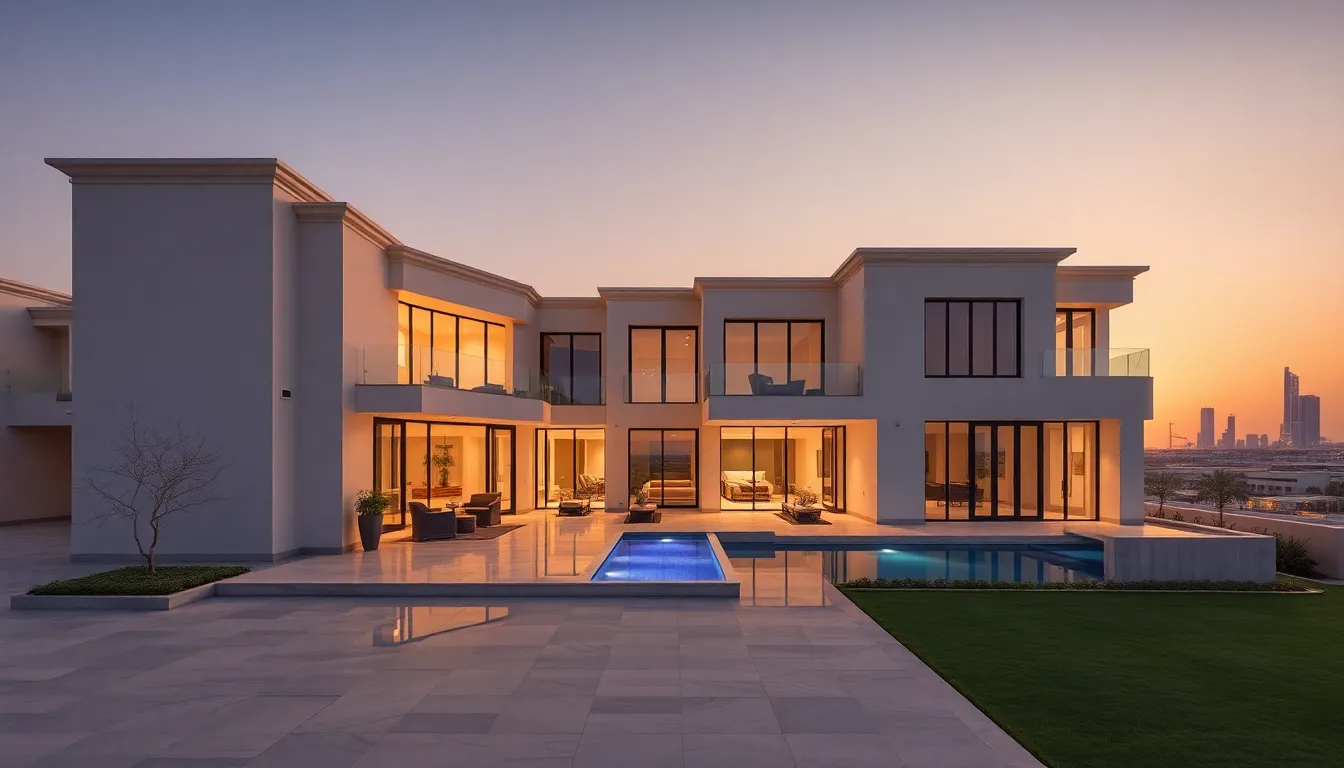
Why Do Arabian Ranches Villas Disappoint Investors?
I’ve sold more villas for sale in Arabian Ranches than I can count, and I’ll admit something most agents won’t whisper: I’ve watched investors break down in my car after a viewing, not because of the price, but because the tenant they counted on just handed in notice at the worst possible moment. July 1st. A three-bed Saheel home, the AC groaning at full tilt, two weeks before school holidays peak, and suddenly my buyer-turned-landlord had a vacant villa eating cash with every kilowatt-hour. The living room still smelled of the previous tenant’s curry—a ghost of a family now halfway to their next posting—and I had to explain that finding a replacement in 48-degree heat with dusty streets empty of families was going to be a slow burn. That’s the raw side of Arabian Ranches, the side glossy brochures don’t show.
I’ve been in Dubai real estate 15 years, and I’ve seen the cycles. When you look at buying property in Dubai, you imagine a dream tenant—a British expat couple with stable jobs, a child in Jumeirah English Speaking School, and a Labrador that doesn’t scratch the marble. The reality? Sometimes you get a tenant who uses the back lawn to park the company van and then leaves in June, not because the villa wasn’t lovely, but because their employer moved them to Singapore. That gap between expectation and cold hard fact is what I want to talk about today.
What Draws Investors to Arabian Ranches in the First Place?
Let’s be fair. Arabian Ranches isn’t some speculative desert gamble. It’s a established, mature community with tree-lined streets, a golf course that actually gets used, and a pace of life that feels a world away from the Marina’s glass towers. You come in from Al Qudra Road, turn past the polo club, and suddenly the air feels cleaner. The gates click behind you and there’s a sense of arrival. For an investor, that’s gold—it means families want to stay. Or so the logic goes.
Phase one sub-communities like Saheel, Al Reem, and Mirador were built in the early 2000s, each with a distinct personality. Saheel’s got the larger plots, often backing onto the golf course. Al Reem feels a bit more village-like, with clusters of townhouses and villas around a central park. I’ve always liked the mature landscaping—bougainvillea spilling over walls, gazania flowers opening in the morning. It’s a place where kids cycle to the community center, and you hear the distant thwack of a tennis ball. For an investor, these signals suggest stability. And for a long-term buy, they often hold true. But the devil’s in the tenant.
How Do Tenant Expectations Clash with Investor Math?
Most investors run their numbers assuming 11 months occupancy. They forget that Arabian Ranches is a handover community—meaning tenants come and go with the school year. I’ve lost count of the times I’ve heard “But the agent told me it would be rented all year.” That’s nonsense. In my experience, if you get a tenant who stays two years, you’re lucky. Three years is a blessing. The reality is, corporate relocations happen, families outgrow the villa (that third baby means an extra bedroom needed), or the tenant decides the commute to DIFC is too long and moves to Jumeirah Golf Estates. The average tenancy here might be 18-20 months, and then you’re back to marketing.
And when I say marketing, I mean scrubbing the walls because that “no maintenance” tenant left with a dog that chewed the baseboards and a washing machine that sounds like a helicopter. Tenant turnover hits hardest in summer—July and August. That’s when the pool looks inviting but the streets are empty, and your villa sits vacant while the AC bill climbs. Investors who don’t budget for three to six weeks of vacancy between tenancies are playing a game they’ll lose.
What Actually Happens During a Tenant Turnover by Experience?
Now imagine that in August, when the handyman is on holiday and the paint dries too fast. Maintenance reality is the secret tax of villa ownership here. The older the sub-community, the more you’re dealing with—AC units that need replacing after 10 years, pool pumps that fail quietly, garden pavers that shift with the heat. Yes, the community looks pristine from the outside, but inside those walls, every single villa has a to-do list. One client, a German engineer, had a tenant leave right before Ramadan. The villa was spotless, but the timing meant that viewings during Iftar hours were awkward, and families didn’t want to move during the holy month. We lost another six weeks. He called me, frustrated, saying he’d never buy a villa again. I told him, it’s not the villa—it’s the cycle. Plan for it.
Which Arabian Ranches Sub-Communities Are Better for Tenant Stability?
| Sub-Community | Typical Tenant Profile | Average Tenancy Duration | Family-Friendliness | Commute Reality |
|---|---|---|---|---|
| Saheel | Senior professionals, middle-aged families, long-term expats | 2-3 years | High – large gardens, quiet streets | 30-40 min to DIFC, direct access to Al Qudra |
| Al Reem | Young families, couples with toddlers, first-time renters | 18-24 months | Very high – parks, playgrounds, nursery nearby | 25-35 min to Dubai Marina, 35 min to Downtown |
| Mirador | Mixed – some families, some sharers, mid-term expats | 1-2 years | Medium – smaller plots, closer to community gate | Quick access to Sheikh Mohammed Bin Zayed Road, 20 min to Jebel Ali |
| Palmera | Single professionals, couples without kids, younger expats | 12-18 months | Lower – fewer family amenities, more townhouse feel | 30 min to Dubai Internet City, fast to Al Maktoum Airport |
As you can see, Saheel and Al Reem tend to have the sticky tenants, but they also come with higher expectations for maintenance. If you’re willing to invest in upkeep, these areas reward you with lower turnover. Palmera and Mirador might attract tenants who treat the villa more like a stepping stone—easier to fill but they move on faster. That churn isn’t necessarily bad if you’re on top of your game, but it’s a treadmill many investors don’t expect.
Before I bought into Ranches myself, I wish someone had shown me a simple view of what kind of tenant you’re likely to get. Here’s another way to look at it, focused solely on the tenant’s mindset:
| Tenant Type | Key Motivation | Likelihood of Renewal | What They Typically Deman |
|---|---|---|---|
| Family with school-age kids | Proximity to school, safety, space | High – want stability for education | Good maintenance, garden, community facilities |
| Corporate couple, no kids | Lifestyle, modern finishes, commute | Medium – job location changes | Updated kitchen, fast internet, gym proximity |
| Single expat sharers | Value, location, space per room | Low – group dynamics shift | Flexibility, en-suite rooms, parking |
| Older couple looking to downsize | Quiet, single-floor living, low-maintenance | High – until health needs change | Adapted bathrooms, garden size manageable |
If I could scream one truth from the minaret, it’s this: villas for sale in Arabian Ranches are not a buy-and-forget asset. I’ve watched friends buy them, fly back to their home country, and then panic when the property manager sends a video of a burst pipe. The gap between the brochure’s peaceful oasis and the 2 AM WhatsApp call about a jammed garage door is real. You either accept it and build a relationship with a good maintenance team, or you go for a more hands-off product like a serviced apartment. But you can’t have both.
How Can You Avoid the Summer Turnover Trap?
Here’s where my experience hurts the most. Summer turnover is brutal, but predictable. I tell my clients: negotiate your renewal timelines so the lease ends in October or March, not June, July, August. Yes, it’s not always possible—tenants have rights and notice periods under law—but a proactive landlord can offer incentives to shift. I once helped a landlord give a tenant a small credit on the rent to extend the lease by three months, pushing the handover from August to November. That small concession saved four weeks of vacancy and a summer of stress.
Another trick: pre-list your villa 60 days before the tenant moves out if you know they’re leaving. Get professional photos taken while the villa is still furnished and alive. A vacant villa looks sad. People struggle to imagine families there. Show them the life they could have. I’ve seen a Saheel four-bedroom rent within a week in September because we marketed it while the current tenant was still there—toys in the yard, a birthday banner on the patio. It felt like a home, not a shell.
What Should Long-Term Investors Expect from Maintenance?
I’ve done enough handovers to know that the five-year point is when things start to bite. AC units—servicing every six months isn’t optional, it’s survival. Pool pumps, water heaters, irrigation controllers—they all have a lifespan. And in a community as mature as Arabian Ranches, many villas are hitting that age. I walked into one Al Reem villa where the master bathroom ceiling had a water stain from an upstairs pipe. The landlord had ignored a small leak for months. By the time we caught it, the repair meant ripping out the ceiling and re-tiling. That’s not a disaster, but it’s a reminder that deferred maintenance is a ticking clock.
When you see off-plan projects in Dubai, you might think new is always better. But new has its own headaches—snagging, handover delays, community not yet lived-in. Arabian Ranches has the benefit of being established, but that means you inherit a building that’s been lived in. My advice? Budget 1% of the villa’s value annually for maintenance, and you’ll sleep better. If that sounds too rich, you’re not ready for a villa.
Is Arabian Ranches Really a Family Community or Just Marketed That Way?
Walk around Al Reem on a Friday afternoon and you’ll smell barbecues, hear kids playing hide-and-seek in the parks, see nannies pushing prams. It’s genuine. The family community label is earned, not just marketing fluff. But that also means your tenant will likely be a family—and families are harder on properties than single professionals. I remember a toddler driven a ride-on car right into a patio door and shattering the glass. The tenants paid, but the inconvenience of repair during their stay was real. That’s not to scare you off; it’s to prepare you. Villas with pools and gardens attract family life, and family life is messy.
The schools are the anchor. JESS Ranches is right inside the community. That’s a major retention factor. If a family’s child is in JESS, they will fight to stay in that villa. I’ve had tenants literally plead with me to convince the landlord to renew, even at a higher rent, because moving meant losing the school spot or enduring a longer commute from a cheaper area. That’s the kind of stickiness money can’t buy. So when you explore more buyer resources, look for data on school catchment areas. They can be more predictive of tenant stability than any rental yield spreadsheet.
The community center has a Spinneys, a clinic, and cafes, so tenants don't need to leave for daily needs. That's a retention hook. But it also means if the Spinneys runs out of something, you hear about it from the tenant. I've had tenants ask for a rent reduction because the pool was closed for maintenance for two weeks—unreasonable, but it happens. You need thick skin.
What Do I Personally Look for When Choosing an Arabian Ranches Villa?
I’ve walked through hundreds of these villas, and my personal checklist isn’t about square footage—it’s about bone structure. I look at the AC system’s age, the roof insulation (get into the attic if you can), the drainage on the plot. I test every tap, flush every toilet, and ask about the neighbors. I won’t buy a villa back-to-back with a rental that changes tenants every year—that’s a recipe for nuisance. I prefer corner plots with fewer shared walls, good for noise and privacy, which families value.
I also notice the little things: are the window seals cracked? Does the garage door open smoothly? These details tell you how the previous owner or tenant treated the home. A villa that’s been loved will have serviced AC, fresh caulking, clean grout lines. One that’s been a revolving door will have scuffed walls and a garden gone wild. I’d rather take a slightly smaller villa in Saheel that’s been meticulously kept than a larger one in Mirador that’s been hammered by turnovers. Quality over quantity, always.
If any of this feels overwhelming, don’t walk in blind. You can book a no-pressure consultation with me, and we’ll walk through a few villas together—I’ll point out the good, the bad, and the ugly. There’s no substitute for boots on the ground, but I can at least give you a head start.
Can Arabian Ranches Still Make a Good Investment in 2026?
Absolutely. But you have to shed the passive-income fantasy. If you’re ready to manage the asset—either yourself with a good local team or through a reliable property manager—it can be a solid hold. The community has matured, infrastructure is proven, and it remains one of the few places in Dubai where you can get a true standalone villa with a pool and garden without driving to the outer limits. The key is buying with eyes wide open. Know that you’ll likely have a revolving door of families, each bringing their own wear and tear. Know that summer vacancies are part of the game. And know that if you hold long enough, the villas for sale in Arabian Ranches have historically appreciated because land in a central location like this doesn’t get any less scarce.
I’ve seen investors who came in five years ago, weathered two tenant changes and a major AC replacement, and still came out happy because they loved the asset and the capital gain. I’ve also seen others who sold in frustration after one bad tenant. The difference wasn’t the villa—it was the expectation. So before you sign that MOU, look at the photos, then look behind them. Picture a 3 AM toilet leak, a tenant’s last-minute departure, and a garden that needs reseeding. If you can still smile, then Arabian Ranches might just be your kind of place.
Frequently Asked Questions
Q: What is the typical tenant profile for Arabian Ranches villas?
A: Mostly Western and Arab expat families with school-age children, plus some professional couples. Tenants prioritize community feel, schools, and outdoor space.
Q: How long do tenants usually stay?
A: Anywhere from one to three years. Saheel and Al Reem see longer tenures due to strong school ties, while Palmera and Mirador may have quicker turnover.
Q: When is vacancy risk highest?
A: Summer—June through August—because many leases are timed with the academic year. Smart investors negotiate lease dates to avoid summer turnover.
Q: Do Arabian Ranches villas need a lot of maintenance?
A: Yes, especially older phases. Expect regular AC servicing, pool upkeep, and occasional larger repairs. Budget at least 1% of value annually for maintenance.
Q: Is it better to buy in an older or newer part of Arabian Ranches?
A: Older parts like Saheel offer mature landscaping and larger plots but more upkeep; newer parts may have smaller gardens but fewer initial repairs. It depends on your appetite for maintenance.
Q: Can I manage the property myself from overseas?
A: I wouldn’t recommend it. You need a trusted local team—property manager, handyman, and maybe a friend who can check on things. Tenants will call you, and time zones don’t align.
Q: Are there any hidden costs I should know about?
A: Service charges, gardening, pool maintenance, and churn-related costs like repainting between tenants. Many first-time investors underestimate these.
By Himanshu Gupta, Senior Property Advisor at Siddhi Estates — 15 years in Dubai real estate, from off-plan launches to handover and resale.
Siddhi Team
Dubai Real Estate Experts helping Indian investors find their perfect property in UAE.