
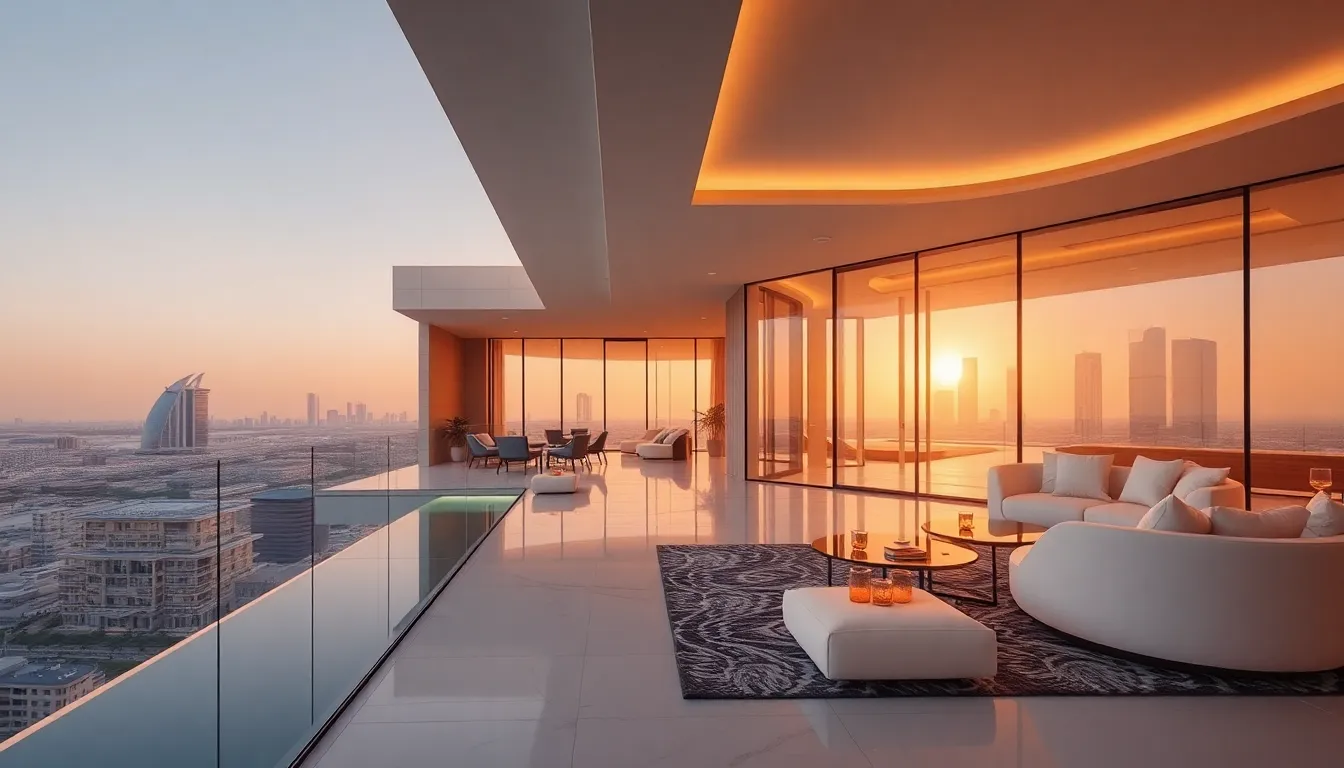
Why City Walk Beats Your Favourite Community?
Most people have no idea what City Walk really offers. I’ve been selling property for sale in City Walk for over a decade, and I still hear the same tired clichés—it’s just a fancy mall with apartments on top, or it’s only for tourists. That’s lazy thinking. In reality, this is one of the few places in Dubai where you can walk to a grocery store, a cinema, and a dozen restaurants without crossing a six-lane road. I’ve watched families build lives here, and I’ve seen investors who got in early reap rewards that mock the doubters. Yet most agents will steer you toward shinier, noisier alternatives. Here’s why they’re wrong.
What’s so different about life on the ground at City Walk?
If you look past the glossy brochures, City Walk reveals itself as a place of genuine daily rhythm. Mornings here start with residents walking their dogs along tree-lined paths, not dodging traffic. The smell of fresh bread from the artisan bakery mixes with the scent of blooming bougainvillea that drapes the low-rise facades. I often arrive early for viewings and sit with a coffee at one of the open-air cafés just to watch the community wake up. It’s quiet in a way that surprises people—the buildings are set back from the main road, and the streets are designed for pedestrians first. You hear more birds than cars. That’s rare in a city that’s known for its superhighways.
Contrast that with any tower cluster along Sheikh Zayed Road where you’re sealed inside a high-rise, reliant on elevators and valet parking just to get a carton of milk. Here, children can actually play outdoors without parents fearing for their safety. I’ve seen toddlers wobbling on tricycles in the piazza while their mothers chat on benches. It’s a community that works because the scale is human—nothing here looms over you at 60 storeys. The architecture encourages you to be outside, to run into neighbours, to feel part of a place rather than a transit hub.
How do City Walk apartments stack up against other communities?
When buyers ask for comparisons, they usually mean Dubai Marina, Downtown, or Palm Jumeirah. But those comparisons often focus on glitz, not living quality. I’m going to lay out the real differences in a way that matters for your daily life.
| Aspect | City Walk | Dubai Marina | Downtown Dubai | JBR |
|---|---|---|---|---|
| Walkability | High—connected pedestrian pathways, shaded arcades | Low—mostly car-dependent, disconnected towers | Medium—The Boulevard is walkable, but the rest isn’t | Medium—The Walk is there, but crowded |
| Noise Levels | Low—set back from main roads, thick glazing | High—constant traffic, construction noise | High—hotel buzz, fountain shows, traffic | Medium-High—beachside noise, tourists |
| Community Feel | Intimate, neighbourly, few short-term rentals | Transient, heavy rental stock, less owner-occupation | Busy, touristy, but some pockets of residence | Holiday vibe, high turnover |
| Handover Certainty | Mostly completed, ready-to-move | Ongoing construction, some delayed | Mix of ready and off-plan, but heavily in demand | Mostly ready, but aging stock |
| Typical Buyer | Families, professionals seeking a primary home | Young executives, investors after rental income | Investors, second-home buyers, brand seekers | Holiday home buyers, short-term renters |
I’ve walked clients through this table countless times, and once they see the stark difference in walkability and noise, the decision often swings toward City Walk. If you value building a daily life over collecting a key fob, this comparison hits hard.
Can you really buy a property here without ever setting foot in Dubai?
I get asked this every week, and the answer isn’t just yes—it’s that some of my most satisfying transactions have been entirely remote. Living in a digital age means Dubai real estate is accessible from anywhere, but the secret is having a boots-on-the-ground advisor who won’t cut corners. Last year, I sold a three-bedroom unit to a doctor based in New Delhi. He’d been scanning listings for months, and when he found property for sale in City Walk, we set up a video call. Over ten days, I walked him through every room twice, once in morning light and once in evening glow. I remember holding the phone up to the bedroom window so he could hear how quiet the street was—no honking, just the distant hum of the city. He asked me to run the tap to check water pressure, to open every closet, to even scuff a shoe on the marble floor to prove it wasn’t cheap laminate. I climbed onto a stool to show the hidden storage above the wardrobe, and he made me pan slowly across the basement parking because he wanted to see the width of the spaces. The sensory detail he gathered from a thousand miles away was enough to make him feel confident enough to sign. Today, he’s been settled here eight months with his family, and we still laugh about the ‘virtual shoe test’. That’s the level of trust you need—and it’s exactly why I never treat a remote viewing as a shortcut.
For NRIs, City Walk holds a particular appeal because the quality is consistent. You won’t find a drastic variance between units like you might in older buildings. The developer has a reputation for maintaining common areas impeccably, so a video tour is almost as good as being there. If you’re considering a remote purchase, you can get personalised guidance from our team and we’ll replicate that thoroughness—measuring closet depths, checking light switches, even testing the AC. No detail is too small.
What should you actually be checking when you view a property here?
Whether you’re on a video call or standing in the foyer, there are a few City Walk–specific things I always inspect. First, check the window orientation. Some units face the internal courtyard and get soft, reflected light, while others overlook the street—still quiet but with more activity. I always carry a compass because the afternoon sun can heat a west-facing living room quickly, and you’ll want to know if the blackout curtains are adequate.
Second, listen for the hum of the building’s AC system. It’s generally well-muffled, but I’ve found a few units where the plant room is too close. I once had a buyer who was ultra-sensitive to vibrations, and we tested by standing barefoot on the floorboards. That’s the kind of thing you catch when you’ve been doing this for 15 years.
Third, don’t ignore the little communal spaces—the mailroom, the lift lobbies, the garbage chute areas. They tell you a lot about the management. In City Walk, I’ve rarely seen a lift out of order or a corridor that smells stale. The homeowners’ association fees are undeniably present (I won’t quote numbers, but they exist), and the upkeep justifies them.
Finally, if you’re comparing multiple units, note the floor level. The low-rises here mean you’re never too high to lose the street-scape, but the third floor often offers a better tree-canopy view than the first. I’m partial to the east-facing ones myself—they catch the soft dawn light and stay cooler in the evening.
Is City Walk a solid long-term decision or just a passing trend?
I’ve seen enough Dubai communities rise and fade to identify staying power. City Walk was always planned as a mixed-use destination, not a speculative cluster of towers. That means the infrastructure—the retail, the clinics, the schools nearby—was embedded from day one. The developer, Meraas, has a track record of delivering projects that mature well. You notice it in the little things: the cobblestones don’t crack after two years, the paint doesn’t fade, the landscaping is replanted seasonally. When a community is maintained like this, demand doesn’t vanish overnight.
Another sign: I rarely see turnover. When I list a resale unit, I often know the owners personally because they’ve been there for years. They’re not selling because they’re unhappy; usually it’s a job relocation or a need for more space. That stickiness is telling. In other areas, you might get a flood of investor-owned units hitting the market every 12 months, dragging down sentiment. Here, the ratio of end-users has always been higher, and that stabilises the community vibe in ways that benefit everyone. If you’re serious about explore Dubai property investment opportunities, a place with organic demand like this deserves a closer look.
I’m not saying it’s flawless. The commercial area can get busy on weekends, but with smart window insulation it’s a non-issue. The swimming pools are shared, not private, so if you want your own plunge pool, look at villas elsewhere. But as a long-term home or a stable asset, City Walk gets my vote more often than not.
How do off-plan options in the City Walk area compare to ready units?
While City Walk itself is mostly built out, the surrounding district constantly evolves. Meraas and other developers occasionally release new phases or adjacent projects that carry the same design ethos. When you look at see off-plan projects in Dubai, you’ll find there’s a new generation of low-rise, pedestrian-focused communities taking inspiration from what worked here. Buying ready in City Walk gives you immediate possession and no uncertainty about finish, while off-plan lets you customise and stagger payments. But I’ve seen buyers get caught in off-plan promises elsewhere that don’t deliver the same intimacy. The lesson? If you find a ready unit in City Walk that fits your needs, it’s often worth pulling the trigger. But if you’re open to waiting, the newer projects nearby are worth monitoring—just apply the same checklist I gave
By Himanshu Gupta, Senior Property Advisor at Siddhi Estates — 15 years in Dubai real estate, from off-plan launches to handover and resale.
Siddhi Team
Dubai Real Estate Experts helping Indian investors find their perfect property in UAE.