
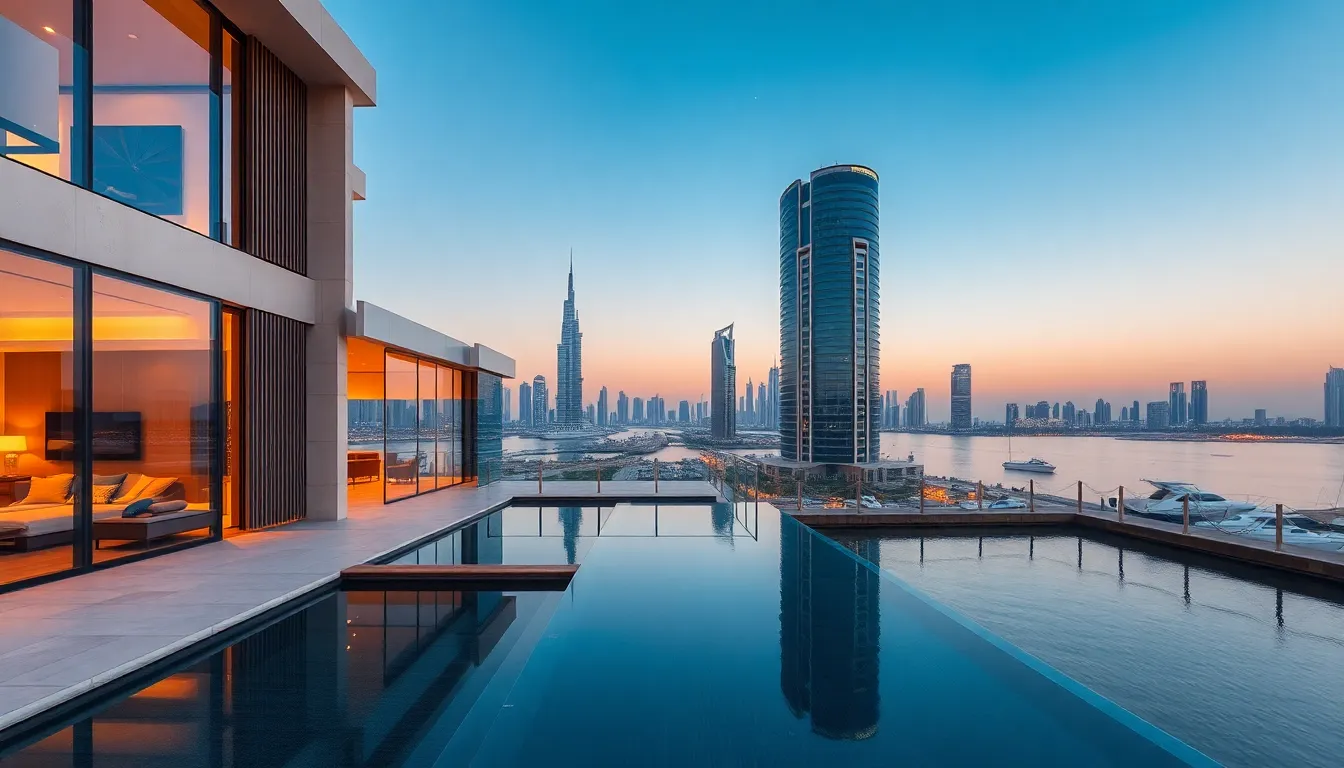
What's the Truth About Dubai Waterfront Property?
Last month, an NRI client in Singapore pinged me at 2 AM. He’d seen a WhatsApp forward—a '3-bed waterfront penthouse with private beach access' for a figure that made him gulp. He wanted to buy it that night. I told him to hold his horses. That listing had been dead for six months. The real deal? Data showed only two similar units had moved in that building all year. But the WhatsApp groups kept circulating the same viral posting, adding fuel to a fire that had long since gone out.
I’ve been doing this long enough to spot the difference between a screenshot and a sale deed. Fifteen years of traipsing through empty shells and polished lobbies, of watching the skyline change and the rumors swirl. Just last week, I was on a video call with a family in London—the screen flickering as their daughter pointed the phone at the marina, trying to show me the 'view' from a balcony that didn’t exist yet. That’s the reality of buying waterfront property for sale in Dubai from 3,000 miles away. It’s messy, emotional, and rarely matches the brochure.
What’s the real appeal of waterfront living in Dubai?
I’ve watched buyers fall in love with the idea of waking up to the sound of water—or at least a view of it. For some, it’s the Instagram aesthetic. For others, it’s the practical stuff: a breeze that cuts through the summer heat, immediate access to a beach or promenade, and a lifestyle that feels half holiday, half home. But the appeal runs deeper than that. In my experience, Dubai waterfront homes hold their value better during downturns and attract a wider pool of tenants—especially the short-term rental crowd who will pay a premium for that Dubai Marina or Palm Jumeirah address.
That said, not all waterfront is created equal. Some areas are pure resort living; others feel like a concrete canyon with a thin blue strip at the end of the road. I’ve had clients move in and realize they can’t actually hear the sea from their balcony—just the hum of traffic on Sheikh Zayed Road. So you’ve got to know what you’re signing up for.
How do WhatsApp rumours stack up against the numbers?
WhatsApp groups are a goldmine of hope and fear. I’m on a dozen of them, and every week there’s a new ‘tip’—a distressed seller, a hidden gem, a project that’s about to rocket. But when you pull up the actual transaction data from the Dubai Land Department, the picture looks different. Let me show you what I mean.
| Waterfront Area | Off-Plan Sales (2024-25) | Ready Sales (2024-25) | Avg. Days on Market | Top Buyer Nationalities |
|---|---|---|---|---|
| Dubai Marina | 320 | 1,450 | 45 | UK, India, Russia |
| Palm Jumeirah | 210 | 890 | 62 | Russia, India, UK |
| Jumeirah Beach Residence (JBR) | 85 | 760 | 38 | UK, Saudi Arabia, India |
| Dubai Creek Harbour | 1,100 | 190 | N/A (off-plan) | China, India, UK |
| Bluewaters Island | 45 | 120 | 85 | Saudi Arabia, Kuwait, India |
The chatter says ‘Palm Jumeirah is dead’—but the numbers show steady demand, just slower turnover because sellers aren’t desperate. WhatsApp shouts about ‘massive off-plan deals in Dubai Creek Harbour’—and yes, sales volumes are high, but many are buying with a 3-to-5-year horizon. The groupthink misses nuance. I’ve learned to trust the data, not the drama.
Which waterfront communities should you actually consider?
Not every waterfront community fits every buyer. I always ask: Are you looking for a permanent home, a holiday lock-off, or a pure investment? That shapes everything. Here’s my blunt comparison, stripped of the fluff:
| Community | Lifestyle | Connectivity | Handover Timelines | Community Feel | Typical Buyer | Key Amenities |
|---|---|---|---|---|---|---|
| Dubai Marina | Urban, vibrant, 24/7 buzz | Excellent—metro, tram, Sheikh Zayed Road | Mostly ready, few new towers | Transient, lots of short-term renters | Young professionals, NRIs seeking rental income | Marina Walk, beach access, JBR nearby |
| Palm Jumeirah | Resort-style, exclusive, quieter | Good—monorail, road via trunk; can be traffic-heavy | Mix of ready and new luxury villas/penthouses | Stable, family-oriented, private | High-net-worth families, Europeans, Russians | Private beaches, fine dining, Atlantis |
| Jumeirah Beach Residence (JBR) | Busy, social, beachfront living at its loudest | Excellent—walkable, tram, near Marina | Fully handed over, older buildings | Lively, tourist-heavy all year | Second-home buyers, investors targeting holiday lets | The Beach, cinema, endless restaurants |
| Dubai Creek Harbour | Emerging, serene, master-planned | Developing—near airport, future metro | Mostly off-plan, handovers through 2028 | Growing community, still sparse in parts | Long-term investors, young families, Asian buyers | Creek views, central park, upcoming retail |
| Bluewaters Island | Ultra-luxury, self-contained, quiet | Limited—bridge access, need a car | Fully handed over | Exclusive, low density, very private | Wealthy end-users, privacy seekers | Ain Dubai, Caesars Palace, boutique retail |
I often tell clients: if you want instant community energy, Marina or JBR is your spot. If you want a private sanctuary and don’t mind driving, Palm or Bluewaters wins. And if you’re playing the long game with a vision, Dubai Creek Harbour is where you’ll see transformation over a decade. There’s no single right answer—just the right match for your life.
When you’re ready to find apartments and villas in Dubai, start with the waterfront that fits your personality, not just the postcard.
What’s the deal with off-plan waterfront units?
I’ve handled handovers for off-plan waterfront projects that made me sweat. The views are often spectacular—when they finally materialize. But delays are common. I’ve seen payment plans stretched so thin that buyers forgot they still owed half the sum until the final 30-day notice landed. The WhatsApp crowd loves to hype ‘guaranteed returns’ and ‘flipping in six months.’ I’ve never seen a six-month flip work out the way they claim, not on true waterfront.
Off-plan can make sense if you’re fine with waiting 2-4 years and you’ve done your homework on the developer. I always run title deed checks, review escrow accounts, and physically visit the site—yes, even when it’s a pit of sand—to see if progress matches the payment schedule. Too many NRIs rely on a WhatsApp video and a broker’s smile. That’s not due diligence; that’s a gamble.
How can NRIs manage the buying process from abroad?
This has become my bread and butter. I’ve walked entire buildings over FaceTime, pointing my phone at kitchen fittings and bathroom tiles while a client in Mumbai or Toronto squints and says, ‘Can you get closer to that grout?’ It’s exhausting but necessary. For NRI buyers, the process is straightforward once you have the right documents—passport copy, proof of address, and sometimes a bank reference—but the emotional weight is heavy. You’re buying a home you can’t touch.
My advice: never buy unseen, even if you can’t fly in. I’ve done three-hour video calls where we inspected everything from the balcony railing to the hot water pressure. I’ve even measured rooms with a tape measure on camera. If a broker won’t do that for you, walk away. And always, always get a snagging inspection before handover—I’ll get to that in a moment.
If you’re ready to look at buying property in Dubai, do it with someone who’ll treat your video call like an in-person viewing.
What’s snagging and handover really like?
Snagging is my favourite part—and the most revealing. It’s where the glossy brochure meets reality. I’ve found crooked doors, unsealed sinks, and even a balcony that sloped backward so rainwater pooled against the glass. On a waterfront property, you’re also checking for corrosion, sea-facing window seals, and A/C efficiency in salty air.
For off-plan, a professional snagging crew is worth every dirham. I accompany them myself. I’ve had developers push back on 150-item snag lists, but I don’t budge—because once you take the keys, the leverage shrinks. For ready units, I still do a thorough walkthrough; sometimes owners have hidden water damage behind fresh paint. It’s not paranoia; it’s protection.
If you want to avoid surprises, reach out for a property walkthrough before you even make an offer. I’d rather walk away from ten units than see a client stuck with a lemon.
FAQs about waterfront property in Dubai
Is waterfront property in Dubai a good investment?
It can be, but it depends on your goal. For rental income, areas like Dubai Marina and JBR have high occupancy rates. For capital growth, emerging waterfronts like Dubai Creek Harbour offer potential—but you’ll wait. Always study transaction history, not just developer promises.
What documents do NRIs need to buy waterfront property?
Typically, a valid passport, proof of current address (utility bill or bank statement), and sometimes a brief bio or bank reference. If you’re financing, you’ll need income proof. It’s easier than most people think—no visa required to own.
Can I buy off-plan waterfront property from abroad?
Absolutely. I’ve closed deals for clients I’ve never met in person. But you must insist on regular video updates, escrow verification, and site visits (even via video). Don’t rely on rendered images alone.
How does financing work for waterfront properties?
Most UAE banks lend to expats and NRIs, but the loan-to-value ratio might be lower for high-value waterfront units. Off-plan often comes with developer payment plans that delay the need for a mortgage until handover. Get a pre-approval early to know your ceiling.
What are the hidden costs of owning a waterfront home?
Beyond the service charges—which can be steep in luxury buildings—you’ll have cooling, maintenance, and often higher insurance. Sea air accelerates wear on external fittings. Budget for repainting and A/C servicing more frequently.
Which waterfront area is best for families?
Palm Jumeirah and Dubai Creek Harbour top my list for families. Palm has spacious villas and a quieter vibe, while Creek Harbour offers parks and schools nearby. Marina and JBR are louder and better suited to couples or singles.
How do I spot a bad developer or shaky project?
Check their track record: how many projects handed over on time? Visit their previous buildings and talk to existing owners. Review the RERA escrow status. If the sales team dodges these questions, that’s a red flag. I’ve blacklisted developers for less.
For deeper trends and analysis, read more Dubai market insights on our blog—I share raw opinions there that you won’t find in a brochure.
By Himanshu Gupta, Senior Property Advisor at Siddhi Estates — 15 years in Dubai real estate, from off-plan launches to handover and resale.
Siddhi Team
Dubai Real Estate Experts helping Indian investors find their perfect property in UAE.