
What Should You Know Before Buying in Dubai Creek Harbour?
Don't fall for the brochure—here's what actually happens when you buy property in Dubai Creek Harbour. I've been selling real estate here for 15 years, and if there's one thing I've learned, it's that the glossy renders and the sales gallery model units tell you very little about what your life will look like after handover. I'm Himanshu Gupta, and I've walked through enough empty promenades and snagged enough ill‑fitted kitchen drawers to tell you what customers never hear until they're holding the keys.
I remember a client once pointed at a watercolour skyline and asked, "So this is exactly what I'll wake up to?" I had to smile. No, I told her, for the first year you'll wake up to the sound of angle grinders. It's not a complaint; it's just the rhythm of a new master community being born. And that's what we're diving into today—the gap between the dream and the dust, and why it still might be the best move you'll ever make.
What makes Dubai Creek Harbour different on paper?
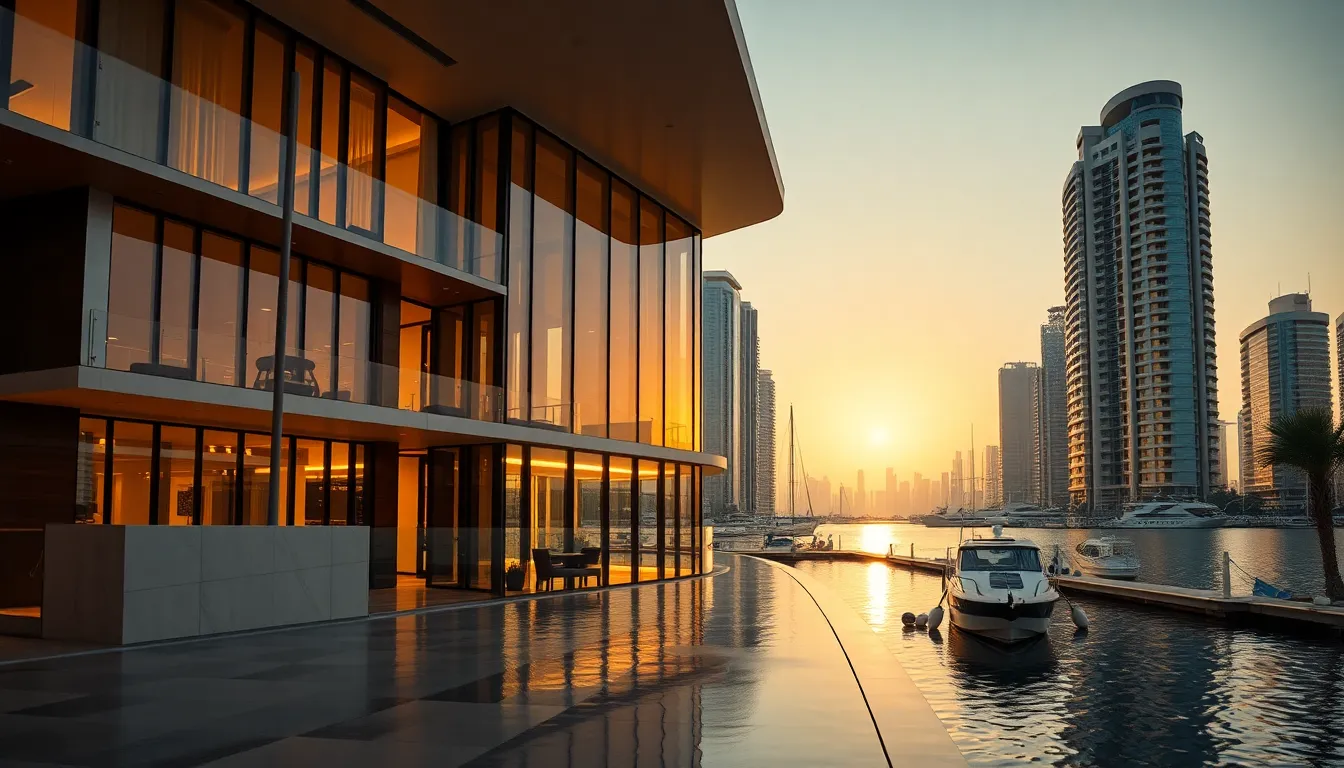
If you've only seen the sales materials, you'd think Creek Harbour is a finished paradise. The brochure tells you about the Creek Marina with its yacht berths, the central park larger than some neighbourhoods, the future tallest tower in the world, and direct views of the Ras Al Khor wildlife sanctuary. It's all true—on paper. But paper doesn't hand you keys two years late with a chip in the bathroom marble.
What sets this place apart from other Dubai off-plan projects is the scale. Emaar and Dubai Holding joined forces here, and they're not building a cluster of towers—they're building a city within a city. When I first started showing units in the Creek Rise buildings, buyers could only stand on a dusty viewing deck and imagine. The sales pitch leaned heavily on the promise of nine kilometres of canal‑front promenades, a retail district that would rival City Walk, and an island district named Dubai Square that could be the tech‑centric answer to Expo's legacy.
On paper, the transport links are seductive. You're ten minutes from Dubai International Airport, fifteen from Downtown during non‑peak hours, and a planned metro extension will one day slice straight through the community. The mangrove‑fringed water views are real—the flamingos do flap past your window in winter. That part of the waterfront lifestyle isn't a rendering. But the brochure won't tell you that those waterfront restaurants may take two years to open after your building is handed over, or that the nearest grocery store might remain a 12‑minute drive for another eighteen months.
What does handover actually look like in Creek Harbour?
Let me walk you through a typical handover day in Creek Harbour, the way I've seen it happen for three dozen clients since 2022. You arrive excited, cheque in hand for the final payment, and take your first elevator ride to what should be home. The lobby usually looks polished—developers know those first impressions count. Your apartment door swings open, and you see the view. Honestly, the creek views never get old. The shimmer of the water, the outline of the Dubai skyline across the sanctuary, it's breathtaking even after fifteen years.
Then you look down. The floor might be dusty from last‑minute touch‑ups. The kitchen cabinets could have a misaligned handle or two. The bathroom silicone sealant—I always check the silicone—might be already peeling in one corner because the curing happened during a humid summer rush. These aren't catastrophes; they're the fingerprints of a hurried handover schedule. In my experience, Emaar's finishing is above average for the region, but when you're delivering thousands of units simultaneously, your quality control blinks.
Beyond the unit itself, the building's common areas often feel like a film set awaiting the director's call. The pool might be filled but the guard hasn't been hired yet. The gym equipment is installed but the air conditioning in that section isn't balanced, so you'll sweat before you even touch a treadmill. The main promenade outside could be partially cordoned off because the adjoining plot is still a construction site. This is the handover reality nobody puts in the brochure: you're moving into a neighbourhood that's roughly 70% finished, and you'll cohabit with cranes for a while.
How do developers handle delays in this area?
If you're coming from a city like London or Singapore, Dubai's off‑plan delivery timelines might feel foreign. Developers here operate with a mixture of breathtaking ambition and casual calendar management. In Creek Harbour, I've seen projects that were supposed to be ready for Expo 2020 only start pre‑handover snagging in late 2024. The reasons are always grand: global supply chain disruptions, concrete shortages, design optimisation—but at the kitchen table, all you hear is, "When can I stop paying rent on two properties?"
Developers in Dubai are contractually obligated to pay compensation for delays beyond a grace period, usually twelve months, but the onus is on the buyer to claim it. I've helped clients navigate this. It's not automatic; you file a complaint with the Real Estate Regulatory Authority, present your original sale and purchase agreement, and the developer eventually settles—sometimes with a credit note for service charges rather than cash. The system protects you, but it requires patience and paperwork.
One thing I've noticed about Creek Harbour specifically: because the master developer is a government‑backed entity, the risk of total project abandonment is near zero. That's not something you can say about every off‑plan project in the emirate. The delays are irritating but not catastrophic. I've never had a client permanently lose their investment here—just their original move‑in deadline.
What should I check during snagging in a Creek Harbour property?
Snagging in a new‑build Dubai property is not just a formality—it's your only leverage before you sign the final acceptance. Bring a roll of blue masking tape and a suspicious eye. I usually start from the ceiling and work down. Check for hairline cracks along wall‑ceiling joins; those are common when buildings settle in the first year. In a waterfront location like Creek Harbour, humidity is your silent enemy, so I always run a hand underneath bathroom vanity units to feel for moisture. Swollen MDF means a slow leak that nobody spotted.
Pay attention to the windows. The double‑glazing here is generally good, but I've found faulty seals on at least ten units where condensation started clouding the glass within six months. That's a developer defect, not wear and tear. Doors should close with a gentle push, not a slam, and if the main door has a peephole, look through it from inside—sometimes it's installed at a height suited for a basketball player. Don't laugh; I've seen it.
Electrical sockets are another spot. Bring a phone charger and test every single one. In one handover last July, a two‑bedroom apartment had three dead sockets because the wiring wasn't fully seated in the consumer unit. The developer fixed it within a week, but only because we flagged it on the snagging form and refused to sign off. Remember, once you accept the unit, those minor defects become your problem unless they're structural.
How does the community feel once you move in?
I'm writing this during August, the quiet summer market period when half of Dubai decamps for cooler shores. This is actually when I tell serious buyers to visit Creek Harbour. Walk the promenade in August and you'll hear the hollow echo of your own footsteps. The air is heavy with humidity, the benches are dusted with construction residue, and only a handful of coffee carts operate with reduced hours. The marina bobs with empty berths because the yacht owners are all in the South of France.
Now, that might sound off‑putting, but for the right buyer, it's a revelation. You see the skeleton of the community without the marketing makeup. You realise that in three years, when the central park matures and the school opens its doors, this ghost‑town vibe will be a distant memory. The early buyers who endured two summers of silence are the ones who today sit in the Creek Marina branch of Parker's restaurant, looking out over a genuine neighbourhood. The transformation is slow, then sudden.
Winter is a different creature. From November to March, the boardwalk comes alive. Families stroll along the water, the weekend market sets up near the Vida hotel, and the flamingos put on their daily migration display. That's the Creek Harbour the brochure promises, and for a few glorious months, it delivers exactly that. The challenge is that for the other eight months, you live in a work‑in‑progress masterpiece. If you're comfortable with that trade‑off, you'll love it.
Who typically buys in Dubai Creek Harbour, and what's the resale scene?
The buyer profile here has shifted noticeably in the last five years. Initially, it was dominated by Indian and British investors who bought off‑plan for capital appreciation, often never having set foot in Dubai. They'd buy a one‑bedroom in the mid‑sized towers, sit on it for three years, and flip it before handover. That game still exists, but the stricter escrow‑linked payment plans and a maturing market have weeded out many speculators.
Today, I see more end‑users—young European couples, empty‑nesters from the Arabian Gulf, and a growing number of Russian and Chinese families who want a permanent base. They're attracted by the lifestyle proposition: waterfront living with easy access to Downtown jobs, but without the intensity of the Dubai Marina party scene. The community rules here are also more family‑friendly; you won't find loud pool parties or short‑term rental chaos because most buildings enforce a one‑year minimum tenancy for rentals.
On the resale side, Creek Harbour behaves differently from established areas like The Greens or Jumeirah. Because the community is still filling in, resale values are highly sensitive to handover timelines and neighbouring construction. A unit in a fully completed building with a stable owners' association commands a premium over one in a building where the adjacent plot is still a hole in the ground. I always tell clients: if you're buying resale, knock on three neighbours' doors before you make an offer. Ask about snagging resolution, service charge surprises, and whether the gym has actually opened yet. You'll learn more in ten minutes of real conversation than from any property portal.
What other areas should I compare with Creek Harbour?
No decision happens in a vacuum. When a client walks into my office and says they want waterfront living, I ask them to consider at least three alternatives before signing anything. The table below sums up what I usually tell them—focusing not on price, but on what daily life would actually feel like. I've put this comparison together based on spending years showing units in each of these communities and listening to what residents complain about six months in.
| Factor | Dubai Creek Harbour | Dubai Marina | Downtown Dubai | Jumeirah Village Circle |
|---|---|---|---|---|
| Community maturity | Still developing; phases opening through 2028 | Fully mature, built out | Mature but static | Rapid expansion, patchy completeness |
| Waterfront access | Canal and mangroves, serene | Beach, marina walk, crowded | Burj Lake, not swimmable | No direct waterfront |
| Commute to DIFC (non‑peak) | 15–20 minutes | 20–30 minutes | 5–10 minutes | 25–35 minutes |
| Typical buyer profile | End‑users, families, long‑term investors | Young professionals, holiday‑let investors | HNW individuals, corporate tenants | First‑time buyers, budget‑focused families |
| Handover delay history | Frequent, 12–24 months common | Rare (built out) | Occasional on new builds | Varies by developer; some up to 3 years |
| Nightlife / dining scene | Emerging, limited options | Vibrant, hundreds of restaurants | High‑end, hotel‑anchored | Scattered suburban outlets |
That table is from my own mental catalogue. I update it every season based on what I hear from residents. The main takeaway? Creek Harbour is for people who can visualise a final product that isn't there yet. If you need instant gratification, Dubai Marina or Downtown are safer bets. But if you want to be part of something that will make you quietly smug in five years, the creek is hard to beat.
What surprises even experienced buyers at handover?
After going through this with hundreds of families, I can share a few things that always catch people off guard—even the ones who've bought property before. I've turned this list into a table that I hand to every new client before we start viewings. It's not about dampening enthusiasm; it's about arming you.
| Common Surprise | Why It Happens | How to Prepare |
|---|---|---|
| Service charges are higher than estimated | Provisional budgets often ignore full operational costs | Request owners' association minutes from similar buildings |
| Amenities don't open for months | Handover rush means common areas lag behind | Budget for off‑site gym membership for first year |
| Finishing defects appear within months | Thermal expansion, humidity, rushed work | Document every defect on the snagging form; follow up relentlessly |
| Neighbouring construction noise | Phased development continues for years | Check the master plan phasing; buy in a building surrounded by completed plots |
| Internet/utility activation delays | Service providers need building‑wide clearance | Have a mobile hotspot ready for the first two weeks |
I keep this on my phone and pull it up during client meetings. The reaction is always half a laugh, half a sigh. But those who take it seriously? They move in without the panic attack that their neighbour is having next door.
Frequently Asked Questions
Is Dubai Creek Harbour a good place to buy an apartment for end use?
Yes, if you're okay with a gradually maturing community. The waterfront setting is unique, and the master plan promises extensive amenities. Just don't expect everything to be ready on move‑in day—budget for patience along with your mortgage payments.
How long do handover delays typically last in Creek Harbour?
In my experience, expect six to eighteen months beyond the original completion date. Some projects have stretched longer due to global supply issues. Check the developer's track record on similar towers before committing.
What kind of buyer is Creek Harbour not suitable for?
If you need immediate access to supermarkets, schools, and a bustling social scene within a five‑minute walk, this isn't for you yet. It's also a poor choice if you're sensitive to construction noise or can't handle temporary isolation during summer months.
How does the snagging process work for off‑plan properties here?
You'll get a pre‑handover inspection with the developer's site team. I strongly advise hiring an independent snagging company—they'll find defects you'll miss. Mark everything, even cosmetic issues, and refuse to hand over the final cheque until the developer has addressed major items.
Are there good schools and clinics nearby?
Currently, you'll need to drive to Nad Al Sheba or Al Warqa for schools, which takes 10–15 minutes. A new school within Creek Harbour is planned but not yet built. Clinics are similarly limited, with the nearest hospital in Al Jaddaf.
What's the pollution or noise level like being near the airport?
Flight paths often curve over the Creek, and you'll hear planes if your windows are open, but the double‑glazing does a remarkable job. I've stood in apartments during takeoff rush and barely noticed it. The bigger noise issue is construction, not aircraft.
Will my property appreciate quickly if I buy now?
Appreciation in Creek Harbour is tied to infrastructure milestones. Once the central park, the metro extension, and the retail district come online, values will likely jump. But if you need a quick flip, a more established area might give you faster exits.
If you want to explore how Creek Harbour stacks up against other current Dubai investment options, a fifteen‑minute conversation can save you months of second‑guessing. Real estate decisions feed on data, not daydreams.
And if you're someone who's been burned by over‑promises before, I'll be the first to tell you that off-plan projects in Dubai are not all created equal. Some developers deliver exactly what they sketched; others treat handover as a suggestion. I can help you tell the difference before you sign.
If any of this hit a nerve—maybe you're worried about that snagging form or you're not sure whether your timeline matches the community's growth—book a no‑pressure consultation with me. I don't do hard sells and I don't sugarcoat. Fifteen years in, I've learned that honesty actually closes more deals than gloss ever did.
For more unfiltered takes on the Dubai market, read more Dubai market insights on our blog. I write about the stuff that sales galleries leave out—the mid‑summer reality checks, the resale traps, and the neighbourhoods that are quietly becoming the next big thing.
By Himanshu Gupta, Senior Property Advisor at Siddhi Estates — 15 years in Dubai real estate, from off‑plan launches to handover and resale.
Siddhi Team
Dubai Real Estate Experts helping Indian investors find their perfect property in UAE.