
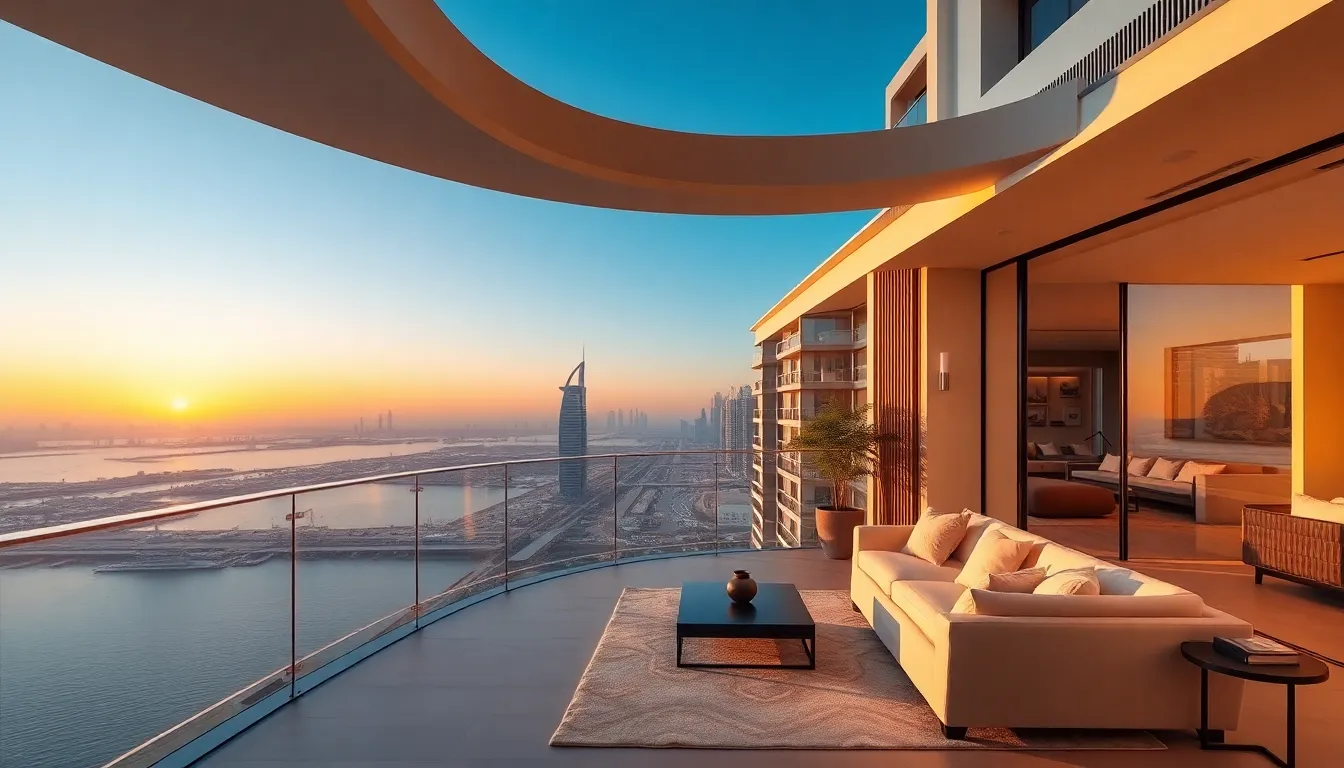
What Should You Ask Before Signing for a Sea View?
Most buyers get hypnotized by the horizon and forget to ask about the gritty stuff that turns ownership into a headache. I’ve watched it happen over fifteen years. The view seduces, the paperwork blindsides.
I’ll never forget the investor who called me in a panic—his tenant had just handed in notice. In July. That’s the worst possible moment for a sea view apartment. The hot wind carries salt spray, the AC strains, and the windows look like they’ve been through a car wash that ran out of soap. We had to repaint the balcony railings in 45-degree heat, the smell of fresh enamel mixing with the brine. Showings dropped to zero while we scrambled. That’s the stuff brochures never mention.
So here’s what I wish more buyers asked me before signing—questions that don’t pop into your head when you’re standing on a marble balcony watching a sunset.
What’s the Real Difference Between a Sea View and a Partial Sea View?
Developers are artists with words. “Sea view” can mean you crane your neck off the guest bathroom ledge and spot a sliver of blue between two towers. I always tell clients: stand exactly where your sofa will go. Does your line of sight hit water without leaning? Over time, infill projects can kill even full views. That building across the street? It wasn’t there when the brochure was printed.
I’ve seen sea view apartments in Dubai lose their premium overnight because a new high-rise sprouted. Ask for the master plan of the vacant plot facing your window. If the agent can’t produce it, assume the worst. And demand a viewing at low tide—some beaches disappear, leaving you with a mudflat panorama.
How Do Service Charges Compare Between Coastal Communities?
The closer you are to salt water, the harder the building works. Air conditioning guts corrode faster. Facade glass needs special cleaning. Service charges in waterfront towers often run 20–30% higher than inland equivalents of the same caliber. In 2026, many communities are finally formalizing reserve funds for major works, but if you bought in a building that deferred maintenance, you’ll get a nasty supplementary bill.
| Community | Maintenance Quality | Window Cleaning Frequency | Typical Buyer Profile |
|---|---|---|---|
| Dubai Marina | High—tightly regulated by shared owners’ associations | Monthly in most towers | Young professionals, short-term rental investors |
| JBR (Jumeirah Beach Residence) | High but aging—some buildings face facade overhauls | Monthly, often bundled in service fees | Families, holiday-home owners |
| Palm Jumeirah | Varies—villas can be self-managed, apartments have corpo-rate management | Varies by sub-community; some apartments quarterly | High-net-worth investors, end-users seeking exclusivity |
| Emaar Beachfront | New stock—under developer control, very high standard | Bi-monthly, part of premium service package | Off-plan buyers, speculators, second-home seekers |
When I’m helping someone check current Dubai investment options, I always pull the last three years of service charge accounts. A building that keeps fees artificially low now might be the one with a leaking swimming pool in 2027.
Which Floor Level Actually Delivers Practical Sea Views?
Below the tenth floor, trees and date palms start blocking sightlines once they mature. Above the fortieth, you might get haze and—surprisingly—less feeling of connection. I’ve found that floors 15 to 30 hit the sweet spot in most masterplans: high enough to clear immediate obstructions, low enough to still feel the rhythm of the water. Ask about the “podium level” if the tower sits atop a parking or retail block—that can distort floor numbering.
What Happens to My View During Summer Humidity?
From June to September, the Arabian Gulf exhales moisture. You might wake up to a white wall where the sea used to be. Fog and haze can erase the horizon until 10 am. Some buyers never realize this because showings happen in perfect November weather. I always recommend a June viewing—even if the apartment is tenanted at that time, arrange a visit to a similar unit nearby. You’ll see that luxury electronics near open windows develop rust spots. That’s not a defect; it’s chemistry.
How Does Tenant Turnover Hit Sea View Properties?
Here’s the detail that burned my client. Tenant turnover in beachfront towers follows a cruel calendar. Leases often end in May or June—just as families flee the Gulf for cooler climates. Your apartment sits empty during the low-demand summer. You drop rent, you repaint, you deep-clean salt-crusted balcony glass. I once vacuumed sand out of a window track for forty-five minutes before a viewing. The tenant had moved out the night before, leaving behind a fridge that smelled like low tide. We aired it out, but the agent’s photos still showed a beige cooler with a suspicious stain. That unit stayed vacant for three months.
To smooth out seasonality, consider a mid-September handover. Even if the previous lease ends in summer, hold the property for a six-week refresh. You’ll catch the October influx of corporate relocations. I sometimes reach out for a property walkthrough specifically during August, when the heat reveals every flaw—sticky balcony door seals, air-con drip lines that have turned into miniature salt flats.
What Maintenance Headaches Are Specific to Salt-Air Environments?
Steel railings, aluminum window frames, even concrete—salt is unkind to all of them. If the building’s original developer cut corners on marine-grade materials, you’ll see white powdery blooms on balcony undersides within five years. Ask to see the snagging history. A quality developer does snagging twice: once at handover, once after the first full summer. A lesser developer hands you the keys and disappears.
How Do I Verify the Developer’s Track Record on Waterfront Projects?
Don’t just read their brochure. Walk their older waterfront communities five years post-handover. Look at the pool decks—are tiles lifting? Are the common area mops stained orange from iron in the desalinated water? Speak to the security guards; they know which lifts break down every Monday. On a Friday afternoon, stand near the service lift and ask movers if they see a lot of turnover. That’s field research no data room provides.
Many buyers start by reading more Dubai market insights, but nothing beats a physical audit. I once followed a maintenance crew for a morning just to time how quickly they responded to a simulated leak. The result? Four hours—on a sunny Tuesday. Imagine a same-day turnaround during a December rainstorm.
What Questions Should I Ask About Window and Façade Obligations?
Most tower bylaws make window cleaning the owner’s responsibility. Can you safely access the exterior? High-altitude cleaning cradles may only be operable by certified contractors. That’s a quarterly expense—and you can’t skip it, because salt-encrusted glass damages view appeal and then resale value. Check if the owners’ association has a bulk contract for a decent rate or if you’ll be sourcing standalone quotes through a single WhatsApp group of fifty neighbors.
| Question | Why It Matters | My Honest Take |
|---|---|---|
| “How many months per year does fog obscure the view?” | You’re buying a view you can’t always see. Morning fog in winter can last weeks. | Expect 30–45 days a year with reduced visibility. Low-floor units get it worse. |
| “What’s the contingency fund balance?” | Salt damage repairs aren’t regular maintenance—they’re sudden and expensive. | I walk away if the fund covers less than six months of operating expenses. |
| “Who owns the rooftop, and can they add equipment?” | A new cooling tower or satellite dish can kill your panoramic photo, and your value. | Get it in writing from the master developer, not just the building agent. |
| “Are short-term rentals allowed by owner association rules?” | Inconsistent policies lead to nightly party chaos or a total ban on Airbnb. | Read the community declaration. I’ve seen buyers learn the hard way after a police visit. |
If you’re comparing multiple market segments, you can also find apartments and villas in Dubai that offer a similar lifestyle without the front-line salt exposure—sometimes garden-facing units trade at a lower premium and involve half the facade worry.
FAQ
1. Can I rely on a virtual tour to assess a sea view apartment?
No. Go in person, ideally at different times of day and tide levels. Cameras adjust exposure; they hide haze and the neighboring construction crane.
2. Are sea view units harder to sell than city-view ones?
Not harder—but they rely on a narrower buyer pool. When the market slows, the view premium can soften and you’ll wait longer for a cash buyer who shares your taste.
3. Do I need special insurance for waterfront apartments?
Yes. Standard policies often exclude salt corrosion or storm surge. Ask specifically about “marine peril” riders; 2026 updates to building codes now require certain buildings to hold mandatory windstorm coverage.
4. How often should I repaint interiors near open-water windows?
Every three to five years. Use an anti-mold emulsion with a zinc-based primer. I’ve seen standard satinwood fail in two seasons when direct spray hits during onshore winds.
5. Will smart home devices degrade faster near the sea?
Exposed sensors and outdoor doorbells can corrode. Marine-grade stainless-steel enclosures help, but humidity still seeps in. Keep silicone grease on all outdoor connections.
6. Is it worth paying extra for a corner unit with wrap-around views?
If the glazing is high-performance (low-E, argon-filled), yes. Otherwise, you gain more heat load and a bigger cleaning bill. Check the spec sheet for thermal transmittance values.
7. What’s the biggest mistake first-time sea view buyers make?
They skip the snagging after handover. They walk in, see the sea, and sign. Months later they discover the bathroom extractor fan was never connected because the duct was sealed with tape that melted in August heat.
By Himanshu Gupta, Senior Property Advisor at Siddhi Estates — 15 years in Dubai real estate, from off-plan launches to handover and resale.
Siddhi Team
Dubai Real Estate Experts helping Indian investors find their perfect property in UAE.