
What Does Mudon Property for Sale Really Offer in 2026?
I’ll admit something most real estate advisors won’t: I’ve watched too many investors buy into Mudon with the wrong expectations. They see the manicured lawns, the quiet streets, the villa lifestyle, and they assume it’s a premium rental market. Then they call me six months later, frustrated that their "luxury" property isn't pulling in the tenants they imagined. I've been standing in queues at off-plan launches where the hype was palpable, the air thick with speculators' chatter, and I knew—right then—that when the handovers came, reality would bite.
I’ve done countless viewings in Mudon over the past decade and a half, and the first thing that strikes you is how green it is. Mature trees line the streets, the parks are well-kept, and there’s a hum of family life. On a typical weekend, you’ll see strollers, bicycles, and groups of friends walking their dogs. It’s not flashy—if you want the glitz of the Palm or the urban buzz of Downtown, Mudon isn’t it. But if you’re after a suburban feel with decent space, it ticks a lot of boxes. The Mudon community has grown into its own little town. The Al Salam Community School is a major draw for families with school-aged kids. There’s a Spinneys, a few cafes, a pharmacy, and a gym. You don’t need to leave the neighborhood for daily needs. I’ve often sat in the Mudon Community Centre, sipping a coffee and watching life go by—it’s the kind of place where you recognize faces. That sense of familiarity is something investors sometimes overlook. They’re too busy calculating returns to realize that the guy who’ll rent your three-bed townhouse probably has a child in the local school and wants a two-year lease so they don’t have to uproot. That stability is gold, but it comes with a quieter pace of appreciation.
I’ve lost count of the number of times an investor has told me their property for sale in Mudon will attract high-net-worth Europeans. It rarely does. The tenant profile in Mudon is overwhelmingly families from South Asia, the Middle East, and occasionally Africa or Europe. They’re mid-level professionals, small business owners, or long-term Dubai residents who value space over a central location. They compare rents across Al Furjan, JVC, and Town Square. They’re price-sensitive and practical. They’ll choose your property if it offers a well-maintained garden, a functional kitchen, and a landlord who doesn’t nickel-and-dime them on maintenance. They won’t pay a premium for Italian marble or designer fixtures. I’ve seen gorgeous villas sit empty because the owner insisted on a rent that only a handful of tenants would ever consider. The sweet spot is understanding what the market will bear, not what your mortgage dictates. I recall one client who had bought off-plan in 2019, convinced his four-bed villa would lease to a European diplomat. After four months vacant, he finally accepted a lovely Pakistani family with two toddlers. They’ve been renewing ever since. He’s happy, but he had to swallow the gap between his initial fantasy and the real market.
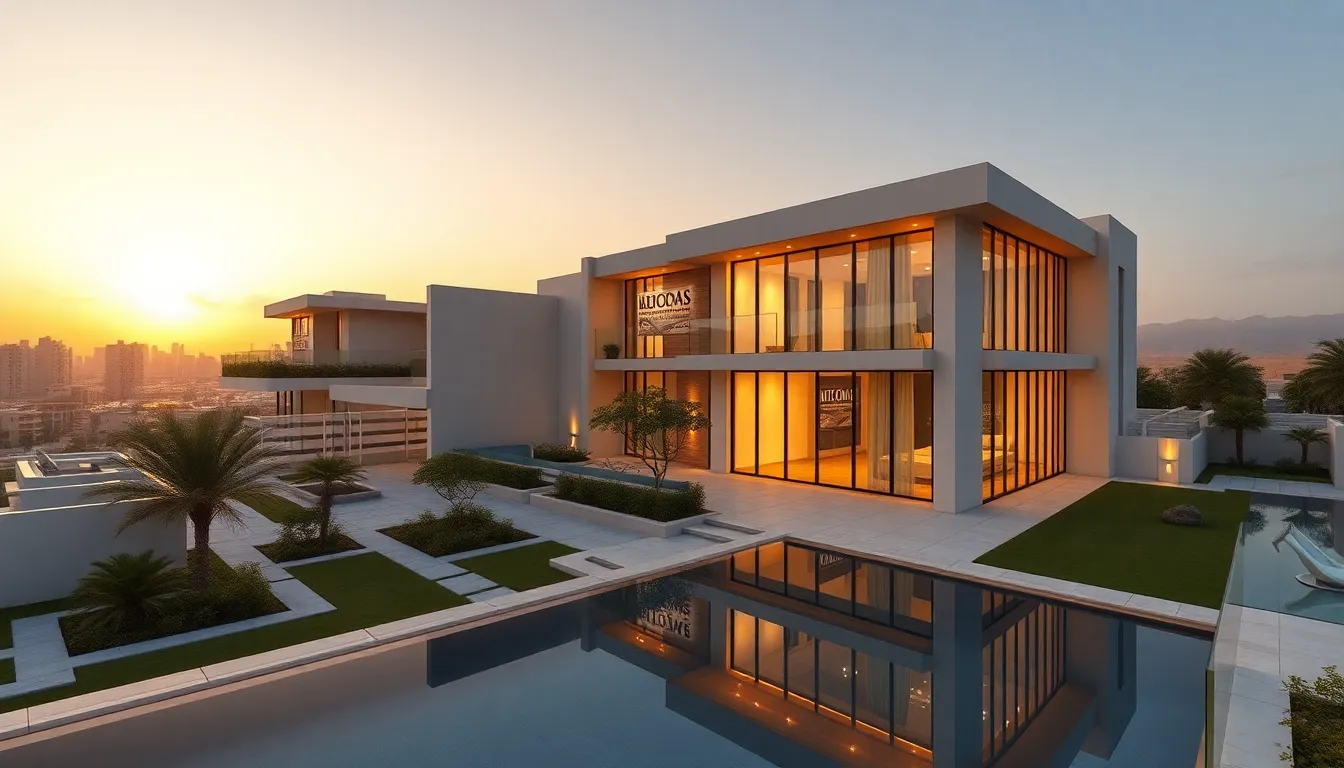
It starts with the sales pitch. Off-plan launches are designed to make you feel like you’re buying into an exclusive lifestyle. The renderings show infinity pools and sports cars in the driveway. The reality is kids’ toys in the garden and a Nissan Patrol parked outside. I was at an off-plan launch for a neighboring development back in 2018, queuing with hundreds of others, and the energy was electric. Everyone was calculating how much they’d flip for before the ink dried. That speculative fever clouds judgment. People buy in Mudon thinking it’ll be the next Arabian Ranches—which it is, in some ways—but they forget that Ranches took a decade to mature and its rental market is different. The hype machine is strong. Before you get swept up, take a moment to see off-plan projects in Dubai across different areas—compare what’s actually renting well, not just what looks glossy. Another reason is that many investors are NRIs who don’t live in Dubai. They see the photos, read the brochures, and assume a certain lifestyle. But they’ve never sat in Mudon traffic on Hessa Street during school run. They’ve never tried to find a taxi there late at night. I always tell them: come, stay for a week, rent a house, feel the community. That experience is worth more than a dozen spreadsheets.
By 2026, Mudon is no longer the new kid on the block. It’s a fully mature, lived-in suburb. The landscaping has bedded in, the community management is established, and the surrounding infrastructure has improved. The roads are wider, the retail options have grown, and the new gas station saves you a trip to Arabian Ranches. When I first drove into Mudon in 2013, there were patches of sand and a sense of being on the edge of the city. Now it’s integrated. Expo 2020’s legacy developments in Dubai South have created more job opportunities to the south, making Mudon a convenient midpoint for families working in Jebel Ali or the Expo area. The metro doesn’t reach here yet, but the bus links have improved. I’ve seen property for sale in Mudon shift from investor-dominated to a more balanced mix of end-users and landlords. That’s a good thing—it means the community is less speculative and more stable. You’ll see fewer 'For Sale' signs and more 'Welcome Home' mats. The downside? If you’re chasing the capital appreciation that comes with new infrastructure and handovers, you’ve largely missed that wave. Mudon’s growth now is organic, slow, and tied to the wider Dubai economy.
I’m going to give you a checklist based on what I actually look for during inspections. First, the AC units. Older Mudon homes may have aging AC systems that are expensive to replace. Listen for odd noises, check the maintenance records. Second, garden irrigation. A dead lawn is a turn-off for tenants and costs money to reinstate. Third, community fees—ask for the latest service charge bill. They’re not sky-high, but they’ve crept up over the years. Fourth, the layout. Some three-bed townhouses have a quirky downstairs layout where the living room is narrow; that can put off tenants who want open-plan. Fifth, the close. Is the property on a quiet street or backing onto a main road? Visit at different times of day. I’ve been caught out by road noise that only becomes noticeable after 9 PM. Mudon is a freehold area, so it's open to all nationalities—if you're still exploring, discover Dubai freehold communities to see what else fits your brief. Also, don’t skip the snagging if you’re buying a recently handed-over unit. I’ve seen fresh builds with cracked tiles and leaky faucets that the developer hasn’t fixed because the owner never pushed. A detailed inspection now saves arguments later.
| Dimension | What Investors Expect | What Actually Happens |
|---|---|---|
| Tenant Profile | High-income expats, often single Europeans or couples | Mid-income families, mostly from South Asia and the Middle East |
| Rental Consistency | No vacancies, tenants stay 2-3 years minimum | Some seasonal gaps; tenants may move for school changes or job shifts |
| Maintenance Needs | Minimal—property is new, so nothing breaks | Regular upkeep needed: AC servicing, garden maintenance, occasional plumbing fixes |
| Community Growth | Rapid appreciation from new launches and infrastructure | Steady, organic growth; no major new projects inside Mudon itself |
| Resale Speed | Quick sale at a premium, especially after handover | May take months; depends on market conditions and property condition |
Many buyers wonder whether to go for a townhouse or a villa. I’ve handled both, and the decision often comes down to who you think your tenant will be. Townhouses are more common—three or four bedrooms, smaller gardens, closer together. They attract young families or couples planning to have kids. Villas are larger, with proper gardens and sometimes a separate maid’s room. They appeal to bigger families or those with live-in help. But the upkeep is higher, and the rental pool is smaller. Here’s a quick comparison:
| Property Type | Typical Layout | Outdoor Space | Best For | Tenant Demand | Maintenance Ease |
|---|---|---|---|---|---|
| 3-Bed Townhouse | Compact, often two floors, small kitchen | Small garden or patio | Small families, young couples | High—there are many, so consistent interest | Easier; less to manage |
| 4-Bed Townhouse | More spacious, often with a ground-floor bedroom | Slightly larger garden | Families with 2-3 kids | Moderate—good, but fewer tenants than for 3-beds | Moderate |
| 4-Bed Villa | Two floors, separate living areas, maid’s room | Full garden, sometimes a pool possibility | Larger families, those wanting privacy | Lower—smaller tenant pool, but less competition | Higher—more landscape, possible pool maintenance |
| 5-Bed Villa | Expansive, often with a separate study or guest room | Large garden, sometimes double plot | Large families, multi-generational living | Niche—demand is sporadic | High—significant upkeep and costs |
Mudon sits off Al Qudra Road, near the intersection with Hessa Street. In the mornings, Hessa can be a parking lot, but if you time it right, you’re at Dubai Marina in 20 minutes, Media City in 25, and DIFC in about 30. With the new road networks finished in 2025, the traffic flow has improved, but it’s still a car-dependent area. Public transport is limited—there are bus routes, but no metro. If your tenant doesn’t drive, they’ll rely on taxis or Careem. That’s something to keep in mind. I’ve had tenants choose JVC over Mudon purely for better bus links. But for families with a car, the location works well because it’s central to many suburban schools and activity centers. You’re close to the Arabian Ranches Equestrian Centre and the cycling tracks, which is a selling point for some.
I get asked this weekly, and my answer hinges entirely on your strategy. If you’re an investor hunting for high yields with rapid equity growth, Mudon in 2026 isn’t it. That ship sailed around 2019. But if you want a dependable, stable asset with moderate, sustainable returns and you’re okay with a hands-on approach to tenant management, then yes, absolutely. The community is proven, the school keeps demand ticking, and the wider Dubai market has absorbed a lot of the excess supply. I’ve seen off-plan launches come and go, and the ones that deliver long-term value are those grounded in real family living, not speculative hype. Mudon is that. I’ve worked with plenty of buyers who’ve done well here because they went in with eyes open. They fixed up the property, kept the rent realistic, and built relationships with their tenants. One NRI client of mine bought a four-bed villa in 2020, did a light refurb in 2024, and has had the same tenant for five years. He’s not getting rich overnight, but his asset is appreciating, his yield is steady, and he sleeps well at night. That’s the real prize. If you’re serious about a purchase, talk to our Dubai property advisors—we can run the numbers on a specific unit and give you an honest take. For a broader perspective, read more Dubai market insights on our blog.
Frequently Asked Questions
Is Mudon freehold for expats?
Yes, all nationalities can purchase property in Mudon on a freehold basis.
What sizes do Mudon properties come in?
Townhouses typically offer 3 or 4 bedrooms, while villas range from 4 to 5 bedrooms, with spacious layouts and gardens.
Are there schools inside Mudon?
The Al Salam Community School is located within the community, serving families from early years through secondary education. Other schools in Arabian Ranches are a short drive away.
How is the community management?
Mudon is managed by Dubai Properties, and the community service charges cover landscaping, security, and maintenance of common areas. Responsiveness has improved over
By Himanshu Gupta, Senior Property Advisor at Siddhi Estates — 15 years in Dubai real estate, from off-plan launches to handover and resale.
Siddhi Team
Dubai Real Estate Experts helping Indian investors find their perfect property in UAE.