
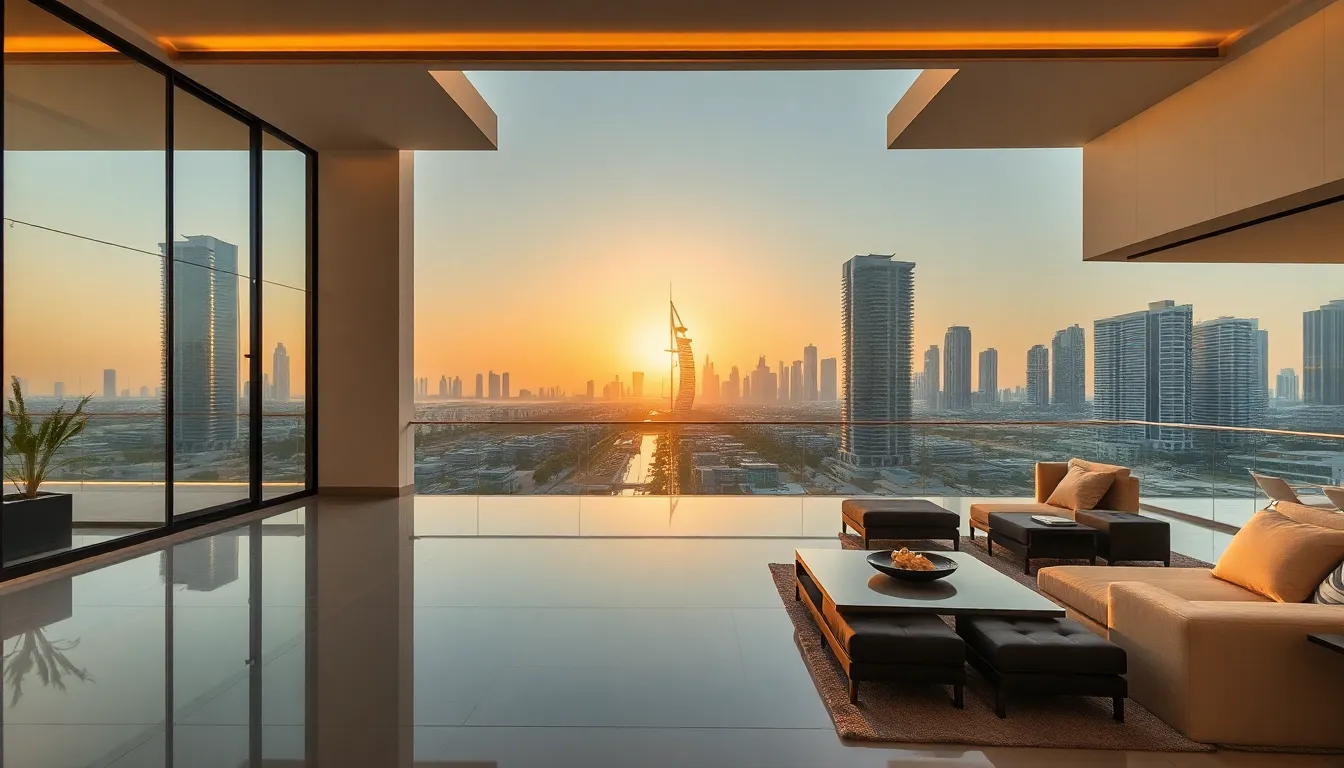
What Are the Best Places to Live in Dubai in 2026?
The best places to live in Dubai in 2026 are Dubai Marina, Downtown Dubai, Palm Jumeirah, Jumeirah Beach Residence (JBR), and Dubai Hills Estate. These areas offer premium amenities, strong rental yields, and excellent quality of life, making them competitive with global hubs like Singapore and London for property investment and expat living.
What Makes Dubai a Top Choice Compared to Other Global Hubs?
Dubai stands out among global investment hubs for its tax-free environment, high rental yields, and Golden Visa program. Unlike cities like New York or Hong Kong, Dubai offers lower property entry costs and faster capital appreciation. The government's pro-investor policies, such as 100% foreign ownership in freehold zones, make it attractive for international buyers.
How Does Dubai Compare to Singapore for Property Investment?
Dubai offers higher rental yields, averaging 5-8% compared to Singapore's 2-4%. Property prices in Dubai are also more affordable, with entry-level apartments starting around AED 800,000 versus SGD 1 million in Singapore. Dubai's visa incentives, like the 10-year Golden Visa for property investors, provide long-term residency benefits that Singapore's stricter immigration policies don't match.
Why Choose Dubai Over London for Expat Living?
Dubai provides a lower cost of living, with no income tax and cheaper utilities. While London has historical prestige, Dubai offers modern infrastructure, better safety ratings, and year-round sunshine. For families, Dubai's international schools are more affordable, with annual fees around AED 50,000-80,000 compared to London's £15,000-30,000.
Which Dubai Neighborhoods Offer the Best Investment Returns?
Top neighborhoods for investment returns in 2026 include areas with high rental demand and capital growth. Dubai Marina and Downtown Dubai lead with 6-8% rental yields. Emerging areas like Dubai Hills Estate offer 7-9% yields as infrastructure develops. Compared to global hubs, these returns outperform many mature markets.
What Are the Price Ranges in Prime Dubai Areas?
In 2026, Dubai Marina apartments range from AED 1.2-3 million for 1-2 bedrooms. Downtown Dubai properties start at AED 1.5 million for studios. Palm Jumeirah villas cost AED 8-15 million. These prices remain competitive against similar luxury areas in Monaco or Miami, where entry points are often 30-50% higher.
How Do Rental Yields Compare to Other Global Cities?
Dubai's average rental yield of 5-8% exceeds London's 3-4%, New York's 2-3%, and Hong Kong's 2-2.5%. This makes Dubai particularly attractive for buy-to-let investors. The stable regulatory environment through RERA ensures landlord protections that rival Singapore's systems.
What Lifestyle Amenities Define the Best Places to Live?
The best places to live in Dubai combine luxury amenities with practical convenience. Areas like JBR offer beach access, while Dubai Hills Estate provides green spaces. Compared to crowded hubs like Tokyo, Dubai offers more spacious living with similar urban conveniences.
Which Areas Have the Best Schools and Family Facilities?
Dubai Hills Estate and Arabian Ranches feature top international schools like Dubai British School. These communities offer parks, sports facilities, and family-oriented events. For expat families, this creates a more integrated lifestyle than in cities like Shanghai, where international schools are often isolated from residential areas.
How Does Transportation Compare to Other Major Cities?
Dubai's metro system connects major residential areas efficiently, with expansion plans completing by 2026. While not as extensive as London's Tube, it serves key corridors effectively. Ride-sharing and electric scooter networks complement public transport, similar to trends in Los Angeles but with better integration.
What Should Investors Consider About Future Development?
Investors should monitor infrastructure projects like Dubai Creek Tower and Expo City development. These projects drive property values, similar to how London's Crossrail boosted prices. Off-plan properties in emerging areas can offer 15-20% appreciation by completion, outperforming many European markets.
How Does Dubai's Regulatory Environment Compare?
Dubai's DLD registration and RERA regulations provide transparency comparable to Australia's systems. The escrow protection for off-plan purchases exceeds safeguards in some Asian markets. Property visa UAE requirements are straightforward, with Golden Visa eligibility for AED 2 million+ investments.
What Are the Risks Compared to Other Investment Hubs?
Dubai's market cycles are more volatile than stable hubs like Zurich. However, 2026 projections show steady growth of 3-5% annually. Currency risk is lower than in emerging markets, with the AED pegged to USD. Market transparency has improved significantly since 2020, approaching Singapore's standards.
| Investment Factor | Dubai (2026) | London | Singapore | New York |
|---|---|---|---|---|
| Average Rental Yield | 5-8% | 3-4% | 2-4% | 2-3% |
| Entry Price 2-Bed Apartment | AED 1.5M | £800K | SGD 1.5M | $1.2M |
| Property Taxes | 0% | 3-5% | 4-16% | 1-3% |
| Residency via Investment | Golden Visa (10yr) | Investor Visa (3-5yr) | No direct path | EB-5 Visa ($900K) |
| Transaction Costs | 4% DLD + 2% agent | 3-5% stamp duty | 3-4% BSD + ABSD | 1-3% transfer tax |
How Can You Maximize Your Dubai Property Investment?
Maximize investment through careful location selection and understanding market cycles. Focus on areas with infrastructure growth, like Dubai South near the new airport. ROI calculation should include service charges and potential vacancy periods, which are lower than in seasonal markets like Barcelona.
What Financing Options Are Available?
Non-residents can secure 50-75% mortgages from UAE banks, with rates around 4-5% in 2026. This compares favorably to Hong Kong's 2.5-3% but with higher LTV ratios. Islamic financing options are more accessible than in Western markets. Always speak with our advisors for personalized mortgage advice.
How Important Is Property Management?
Professional property management is crucial for maintaining yields. Dubai's regulated management companies charge 5-10% of rental income, similar to global standards. Good management reduces vacancy rates below the 5% market average. This is especially important for absentee owners compared to local investors in cities like Paris.
Frequently Asked Questions
How much money do I need to buy property in Dubai? Minimum investment starts around AED 800,000 for studios in emerging areas. For prime locations, budget AED 1.5-2 million. This is lower than most global hubs where entry points often exceed $1 million.
Can foreigners get residency by buying property? Yes, the Golden Visa offers 10-year residency for properties valued AED 2 million+. This is more generous than many European programs requiring higher investments or business creation.
What are the annual costs of owning property? Expect 1-2% of property value for service charges, plus AED 2,000-5,000 for utilities. There are no property taxes, making ongoing costs lower than in the US or Europe.
How do I choose between off-plan and ready properties? Off-plan offers lower entry prices and payment plans, with 2026 completions seeing 15-20% appreciation. Ready properties provide immediate rental income. Your choice depends on cash flow needs and risk tolerance.
Is Dubai property a safe investment compared to stocks? Dubai real estate offers tangible assets with rental income, unlike volatile stocks. The market has stabilized since 2020, with 2026 projections showing steady growth. Diversification across asset classes is always wise.
What happens if I want to sell my property? The process takes 30-60 days through DLD, with 2% agent commission typically. Capital gains aren't taxed. Liquidity is good in prime areas, better than in many secondary global markets.
How does Dubai compare to Abu Dhabi for investment? Dubai offers higher liquidity and rental yields, while Abu Dhabi has more stable prices. Dubai's market is larger and more international, similar to comparing New York with Washington DC.
Choosing where to live in Dubai requires balancing lifestyle preferences with investment goals. The best places to live in Dubai combine strong fundamentals with quality living. Compared to other global hubs, Dubai offers unique advantages in taxation, yields, and growth potential. For personalized guidance on navigating the 2026 market, explore available listings or read more insights from our research team.
By the Siddhi Enterprises (Real Estate) Research Team | Over 10 years of Dubai property market expertise across residential, commercial, and off-plan investments | 2026
Siddhi Team
Dubai Real Estate Experts helping Indian investors find their perfect property in UAE.