
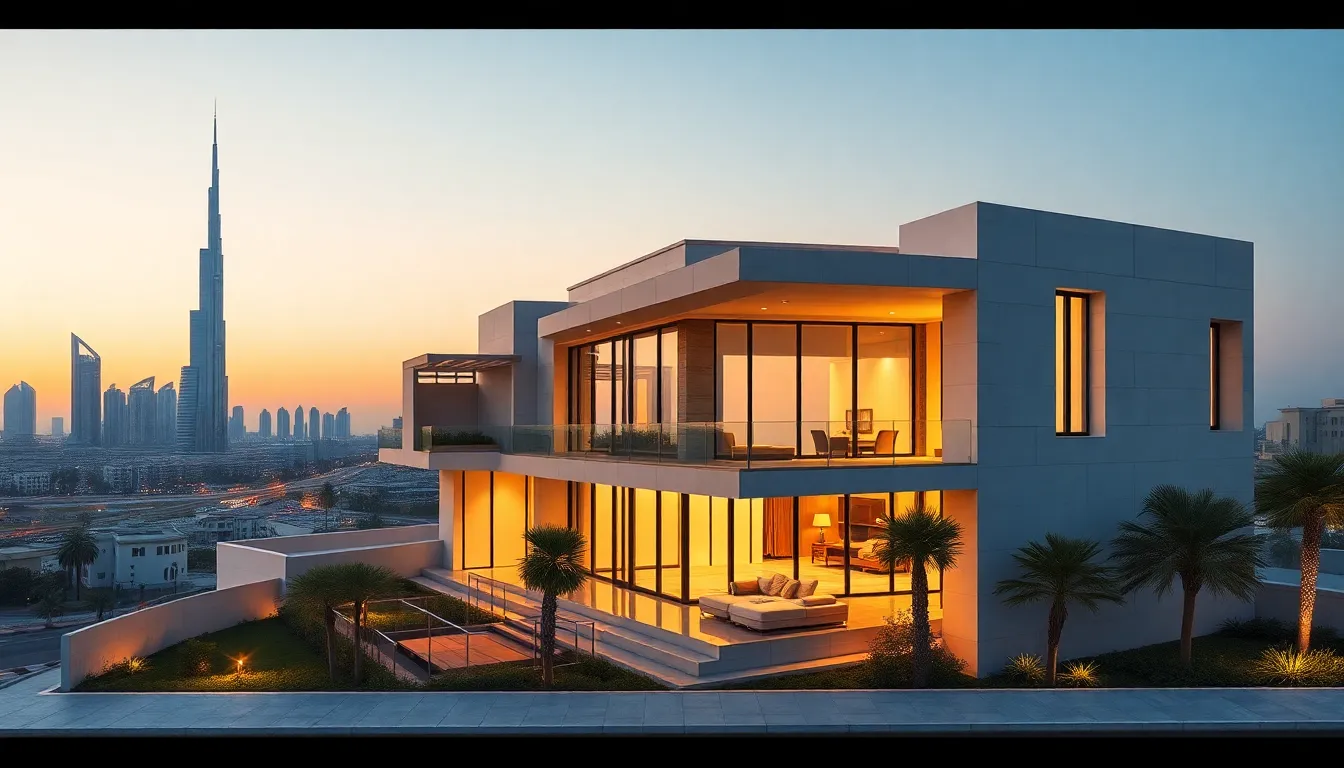
What are Dubai rental market trends for first-time?
Look, if you are thinking about buying your first property in Dubai, the rental market should be your starting point. I have seen too many people jump straight into off-plan purchases without understanding how rentals actually work here. The market has matured significantly since the pandemic years, and 2026 presents a different landscape altogether. For first-timers, this is actually good news because predictability has increased. But does that mean you should buy anything that looks affordable? Let us break it down from a practical perspective.
What are the current rental price ranges in Dubai?
Rental prices in Dubai vary wildly depending on location and property type. In 2026, we are seeing a clear split between established areas and emerging communities. Established areas like Dubai Marina and Downtown still command premium rents, but their growth has slowed. Emerging areas are where the action is happening for first-time buyers.
How much does a one-bedroom apartment cost to rent?
A one-bedroom apartment in popular areas now rents between AED 55,000 and AED 120,000 annually. That is a huge range, right? The lower end gets you into areas like International City or Discovery Gardens. The higher end puts you in Burj Khalifa views. For most first-time buyers, the sweet spot is AED 65,000-85,000. This covers communities like Jumeirah Village Circle, Dubai Sports City, and parts of Business Bay. These areas offer decent amenities without the premium price tag. Personally, I think JVC represents the best value for money right now. You get good facilities, reasonable service charges, and consistent tenant demand.
What about two-bedroom and villa rentals?
Two-bedroom apartments range from AED 80,000 to AED 180,000. Villas start around AED 120,000 for townhouses in Dubailand and go up to AED 500,000+ in Emirates Hills. The interesting trend here is the growing demand for smaller villas and townhouses. Families are moving out of high-rise buildings post-pandemic, creating opportunities in communities like Arabian Ranches 2 and Mudon. Rental yields on villas tend to be slightly lower than apartments, around 5-7% versus 6-8% for apartments. But they often attract longer-term tenants, which reduces vacancy rates.
Which areas offer the best rental yields for first-time buyers?
Rental yield is your annual rental income divided by the property price, expressed as a percentage. In Dubai, gross yields typically range from 5% to 9%. Net yields, after accounting for service charges and maintenance, are about 1-2% lower. The best yields are not always in the most glamorous locations.
How do established areas compare to new developments?
Established areas like Dubai Marina and Downtown Dubai offer yields of 5-6.5%. These are stable but not spectacular. Newer developments in the outskirts often deliver 7-9% initially. Why the difference? Purchase prices in emerging areas are lower relative to rental potential. Areas like Dubai South and Dubai Land have seen yields above 8% in 2026. But there is a catch. Higher yields sometimes come with higher vacancy risks. A property sitting empty for two months wipes out that yield advantage. So you need to balance yield against demand consistency.
What specific communities should first-time buyers consider?
Based on 2026 transaction data, here are three communities worth your attention:
- Jumeirah Village Circle (JVC): Yields of 7-8%, strong tenant demand from young professionals, good amenities. Apartments here rent quickly, often within 2-3 weeks of listing.
- Dubai Sports City: Yields around 7.5%, popular with sports enthusiasts and families. The educational facilities nearby help maintain demand.
- Town Square: Yields hitting 8-9% in some pockets, though it is further out. This area appeals to budget-conscious tenants looking for modern amenities.
I would avoid chasing the absolute highest yield without checking tenant profiles. A 9% yield means nothing if you cannot find tenants.
| Area | Avg. 1-Bed Rent (AED/year) | Avg. Purchase Price (AED) | Gross Rental Yield | Tenant Demand Score (1-10) |
|---|---|---|---|---|
| Dubai Marina | 95,000 | 1,550,000 | 6.1% | 9 |
| Jumeirah Village Circle | 72,000 | 950,000 | 7.6% | 8 |
| Dubai Sports City | 68,000 | 920,000 | 7.4% | 7 |
| Town Square | 65,000 | 780,000 | 8.3% | 6 |
This table shows the trade-offs clearly. Dubai Marina has lower yield but higher demand. Town Square offers higher yield but lower demand. For first-time buyers, JVC strikes a good balance. You can explore available listings in these areas to see current options.
How have RERA regulations changed the rental market?
RERA regulations have transformed Dubai's rental market from a wild west into a more structured environment. The 2024 regulatory updates fully took effect by 2026, bringing significant changes. These changes benefit landlords and tenants alike, but especially first-time buyers who need predictability.
What is the standard rental contract duration now?
Since 2025, standard rental contracts are for 5 years unless both parties agree otherwise. This is a major shift from the previous 1-2 year norm. For first-time buyers, this means more stable rental income. You are not constantly hunting for new tenants every year. The downside? You cannot increase rents annually anymore. Rent increases are now capped at 5% every 2 years for properties under AED 1 million, and 3% for properties above that. Honestly, I think this is a positive change. It encourages long-term thinking over short-term gains.
How do eviction rules affect landlords?
Eviction rules have been tightened. Landlords can only evict tenants for specific reasons: non-payment of rent, property misuse, or if the owner or immediate family needs to occupy the property. The notice period is 12 months for owner-occupation evictions. This protects tenants from arbitrary evictions. For first-time buyers, this means you need to be certain about your investment horizon. If you might need to sell or move into the property within a few years, factor in these restrictions. The regulations favor stability, which generally supports property values.
What should first-time buyers know about tenant demographics?
Understanding who rents in Dubai helps you choose the right property. The tenant mix has evolved since 2020, with more families and long-term residents. Expats still dominate the rental market, but their preferences have shifted.
Who are the main tenant groups in 2026?
Three main groups drive rental demand:
- Young professionals (25-35): Prefer studios and one-bedrooms in communities with good metro access and social amenities. They typically stay 2-3 years.
- Families with children: Look for 2-3 bedroom apartments or villas near schools. They stay longer, often 4+ years.
- Corporate tenants: Companies renting for relocated employees. They prefer fully furnished units in prime locations and pay premium rents.
The family segment has grown the most since 2023. Dubai's population continues to expand, with many residents settling long-term. This shift affects what properties rent quickly. A two-bedroom near a good school often has lower vacancy than a luxury one-bedroom with marina views.
How does this affect property selection?
First-time buyers should consider family-friendly features even if buying a one-bedroom. Why? Because your future tenant might be a couple planning to start a family. Proximity to parks, schools, and supermarkets matters more than flashy gyms. Communities with mixed-use development perform better. Look at Dubai Hills Estate as an example. It has residential, retail, schools, and healthcare all within walking distance. Properties there maintain strong rental demand even during market dips. You can read more insights on tenant preferences in our detailed community guides.
How do you calculate actual returns on rental property?
Many first-time buyers look at gross rental yield and stop there. Big mistake. Your actual return depends on multiple factors beyond the headline yield number. Let us walk through the real math.
What costs reduce your net yield?
From the gross rental income, subtract:
- Service charges (typically 15-35 AED per square foot annually)
- Property management fees (5-10% of rental income if using an agent)
- Maintenance and repairs (budget 1-2% of property value annually)
- Vacancy allowance (assume 1 month vacant per year, or 8.3% of income)
- RERA registration and renewal fees
A property with 8% gross yield might deliver only 5-6% net yield after all costs. That is still good compared to many global cities, but you need realistic expectations. Always calculate based on net yield, not gross.
How does financing affect returns?
If you take a mortgage, your return calculation changes completely. You need to consider the mortgage interest rate, which in 2026 averages 4.5-5.5% for expats. The spread between your net yield and mortgage rate determines whether you are building equity or just covering costs. With net yields around 6% and mortgage rates at 5%, you are building equity slowly. But if rates rise to 6% and your yield stays at 6%, you are just breaking even on cash flow. The equity build-up from mortgage payments still creates wealth, but it is slower. Personally, I recommend first-time buyers aim for properties where the net yield exceeds the mortgage rate by at least 1%. This provides a buffer against rate increases.
What are the risks in Dubai's rental market?
No investment is risk-free. Dubai's rental market has specific risks that first-time buyers often overlook. Being aware of these helps you make better decisions.
Is oversupply still a concern?
Oversupply has been a historical concern in Dubai, but the market has absorbed much of the inventory since 2023. In 2026, supply and demand are more balanced. However, certain areas still have high pipeline delivery. Dubai Creek Harbour and Dubai Hills are adding thousands of units through 2027. This could pressure rents in those specific micro-markets. The broader market seems stable, but you need to check the pipeline for your target community. RERA publishes quarterly supply reports that are worth reviewing.
How does economic diversification affect rentals?
Dubai's economy continues to diversify beyond oil and tourism. Technology, healthcare, and education sectors are growing. This diversification supports rental demand across different price points. The risk is that any global economic downturn still affects Dubai disproportionately due to its expat-heavy population. During the 2020 pandemic, rents dropped 10-20% in some segments. The market recovered by 2023, but the memory remains. First-time buyers should stress-test their investments against a 15% rent drop. Could you still cover mortgage payments? If not, consider a more conservative purchase.
How much money do I need to start investing in Dubai rental property?
You need at least 25% of the property value for the down payment as an expat, plus 4% DLD registration fee, and 2% for agent commission if using one. For a AED 1 million property, that is approximately AED 310,000 upfront. Some banks offer 20% down for certain projects, but 25% is standard.
What are the best areas for high rental yields in 2026?
Areas like Town Square, Jumeirah Village Circle, and Dubai Sports City offer yields above 7.5%. Dubai South also shows strong yields around 8% for completed properties. Established areas like Dubai Marina yield 5-6.5% but have lower vacancy risk.
Can I get a Golden Visa through rental property investment?
Yes, if you purchase property worth at least AED 2 million. The property must be completed, not off-plan. You also need to maintain the investment for the visa duration. The Golden Visa provides 10-year residency for investors.
How do I check if a property has rental demand?
Look at historical vacancy rates in the building or community. Check DLD transaction data for recent rental registrations. Visit property portals to see how many similar units are available and how long they have been listed. Properties with multiple identical listings suggest oversupply.
What is the average rental increase allowed per year?
RERA caps increases at 5% every 2 years for properties under AED 1 million, and 3% for properties above AED 1 million. This applies if the market rate has increased by at least that amount. You cannot increase rent during a fixed-term contract unless specified.
Should I hire a property management company?
For first-time buyers, yes. A good management company handles tenant screening, maintenance, rent collection, and RERA compliance. Fees typically range from 5% to 10% of monthly rent. This is worth it to avoid headaches, especially if you are not based in Dubai.
How long does it take to find a tenant in Dubai?
In popular areas with competitive pricing, 2-4 weeks is typical. In oversupplied areas or with overpriced units, it can take 2-3 months. Proper pricing and presentation are key. Furnished units often rent faster than unfurnished in certain segments.
So where does this leave first-time buyers in 2026? The Dubai rental market offers genuine opportunities, but you need to approach it with eyes wide open. Focus on communities with balanced supply and demand, calculate returns based on net yields, and understand the regulatory environment. The days of speculative quick flips are largely over. What remains is a market that rewards careful research and long-term thinking. For those willing to do the homework, rental properties can provide stable income and capital appreciation. Remember that your first property does not need to be perfect. It needs to be good enough to get you started. Many successful investors began with modest one-bedrooms in secondary locations. The key is to start. If you are serious about entering the Dubai rental market, speak with our advisors at Siddhi Enterprises (Real Estate). We have helped hundreds of first-time buyers navigate exactly this journey.
By the Siddhi Enterprises (Real Estate) Research Team | Over 10 years of Dubai property market expertise across residential, commercial, and off-plan investments | 2026
Siddhi Team
Dubai Real Estate Experts helping Indian investors find their perfect property in UAE.