
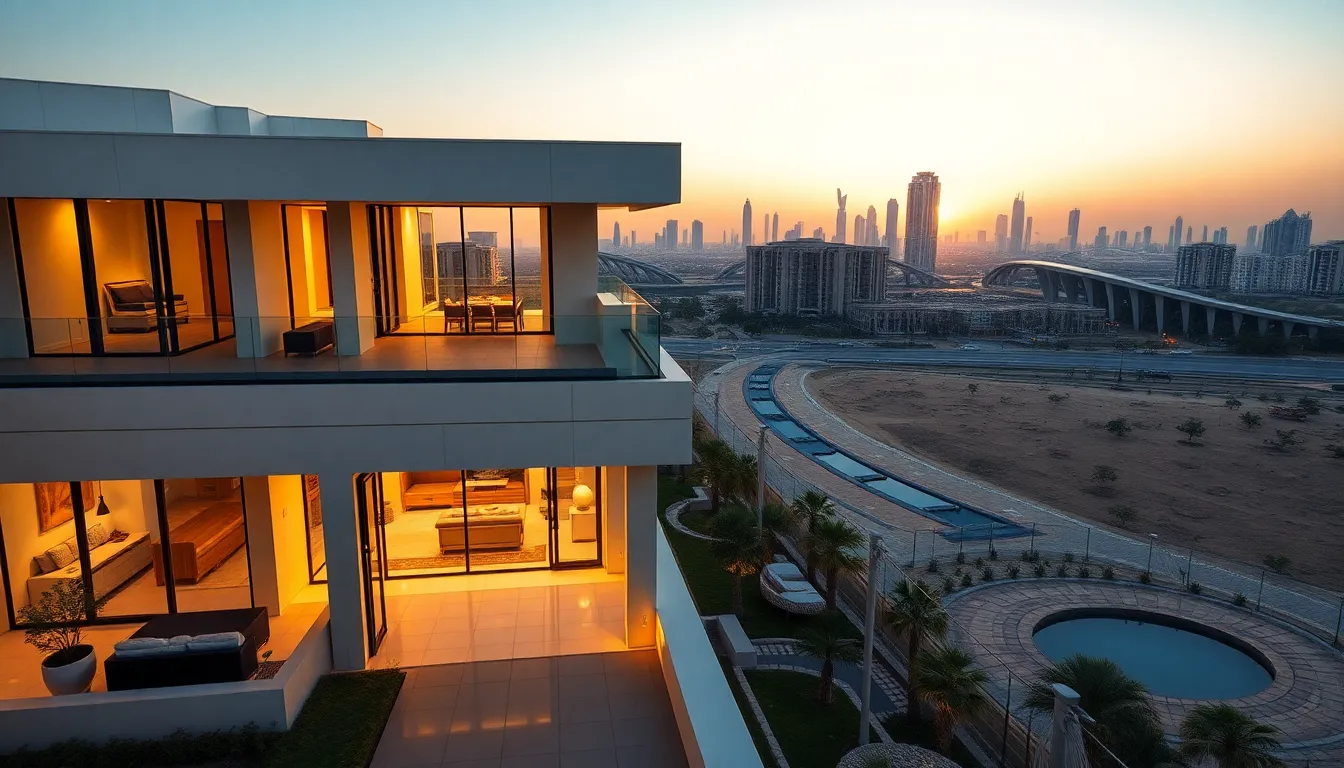
Sobha Hartland vs Dubai Hills: Which Is Safer in 2026?
Let's cut through the marketing fluff. You are comparing two of Dubai's most talked-about communities. But if you are buying off-plan in 2026, you need to understand the risk-reward trade-offs. I have analyzed transaction data, developer histories, and market trends to give you a straight answer.
What Is the Risk Profile of Sobha Hartland in 2026?
Sobha Hartland is a luxury villa and apartment community in Mohammed Bin Rashid City. Sobha Group is an Indian developer with a strong reputation for quality. But they are not Emaar. They have delivered projects on time in the past, but their scale in Dubai is smaller.
Here is the risk. In 2026, Sobha Hartland's off-plan prices for new phases range from AED 1,500 to AED 2,200 per square foot. That is premium. If the market dips, luxury segments correct faster. But the reward? Early buyers in Phase 1 saw 20% appreciation within 18 months. That kind of upside is rare in Dubai Hills.
The key risk is liquidity. Sobha Hartland has fewer units overall. So if you need to sell quickly, you might struggle to find a buyer. Also, completion timelines in 2026 have faced minor delays due to supply chain issues. Nothing major, but worth considering.
Honestly, I think Sobha Hartland is a solid bet if you have a 5-year horizon. But expecting quick flips? That is risky.
How Does Developer Track Record Affect Risk?
Sobha Group has completed over 40 million square feet globally. In Dubai, they delivered Sobha Hartland Phase 1 and 2 with good quality. Their RERA registration is clean. However, they are not immune to market cycles. If the Dubai property market slows in late 2026, smaller developers might offer discounts to maintain cash flow.
But here is the thing. Sobha's focus on luxury means their buyers are usually high-net-worth individuals. That segment is less affected by interest rate hikes. So demand remains stable.
What Is the Risk Profile of Dubai Hills in 2026?
Dubai Hills is Emaar's flagship community. Emaar has delivered tens of thousands of units on time. They are the safest developer in Dubai. Off-plan prices in Dubai Hills for 2026 range from AED 1,200 to AED 1,800 per square foot. Lower entry point, lower risk.
The reward is more modest. Appreciation in Dubai Hills has averaged 6-8% annually. In 2026, expect 8-10% for off-plan phases. Rental yields are around 6-7%. That is not spectacular, but it is predictable.
So what does this mean for you? Dubai Hills offers capital preservation with steady growth. It is the Toyota Camry of real estate investments. Boring? Maybe. But it will get you where you need to go without breaking down.
How Does Liquidity Compare in Dubai Hills?
Dubai Hills has over 10,000 units planned. That means more buyers and sellers. You can sell an off-plan contract relatively quickly. In 2026, resale demand remains strong due to Emaar's brand trust. Investors from India, UK, and Russia prefer Emaar. That liquidity is a huge advantage if you need exit flexibility.
But does that make it the better investment? Not necessarily. Lower risk often means lower reward. If you want to maximize returns, you need to accept some uncertainty.
Which Community Offers Better Capital Appreciation in 2026?
Let's look at the numbers. Based on DLD transaction data and market reports, here is a comparison for off-plan investments in 2026:
| Metric | Sobha Hartland | Dubai Hills |
|---|---|---|
| Average Off-Plan Price (AED/sqft) | 1,500 - 2,200 | 1,200 - 1,800 |
| Projected Appreciation (2026) | 12-15% | 8-10% |
| Rental Yield (Estimated) | 5-6% | 6-7% |
| Developer Risk Score (1-10, low=best) | 4 | 1 |
| Liquidity (Resale Ease) | Moderate | High |
The table shows a clear trade-off. Sobha Hartland offers higher upside but with moderately higher risk. Dubai Hills is the safer play. Which one fits your portfolio depends on your risk tolerance.
How Do Off-Plan Payment Plans Affect Risk in 2026?
Off-plan risk is not just about developer reputation. It is also about payment schedules. In 2026, Sobha Hartland offers 60/40 payment plans (60% during construction, 40% on handover). Dubai Hills offers 50/50 or even 40/60 for some phases.
Here is the twist. Sobha's payment plan is more front-loaded. You pay more during construction. If the market dips, you are locked in. Dubai Hills gives you more flexibility. That reduces financial risk.
But if you have strong cash flow, Sobha's plan allows you to secure a prime asset early. The reward could be significant.
How Do Service Charges and Community Fees Compare?
Service charges in Sobha Hartland average AED 10-12 per sqft per year. In Dubai Hills, they are AED 8-10 per sqft. That difference adds up. For a 2,000 sqft villa, you save AED 4,000 per year in Dubai Hills. Over 10 years, that is AED 40,000.
But Sobha Hartland offers more exclusive amenities. If luxury matters to you, the higher fees might be worth it.
What Is the Impact of Golden Visa Eligibility?
Both communities are eligible for the UAE Golden Visa if you invest over AED 2 million. In 2026, this is a major draw for foreign buyers. Sobha Hartland's higher prices mean you hit that threshold more easily. But Dubai Hills offers more options in the AED 1.8-2.5 million range, giving you flexibility.
If Golden Visa is your primary goal, both work. But Sobha Hartland's luxury positioning might attract more high-net-worth individuals seeking residency.
How Do I Decide Between Sobha Hartland and Dubai Hills in 2026?
So which one should you pick? Ask yourself these questions. Do you want maximum capital appreciation? Then Sobha Hartland is your bet. Are you risk-averse and want steady returns? Go with Dubai Hills. Is liquidity important? Dubai Hills wins.
But here is my personal take. I think most investors underestimate the value of liquidity. In 2026, the Dubai market is mature. You need an exit strategy. Dubai Hills offers that. Sobha Hartland requires patience.
If you are a first-time investor in Dubai, I would recommend Dubai Hills. It is a proven formula. For seasoned investors who want to gamble on higher returns, Sobha Hartland could pay off.
Frequently Asked Questions
How much money do I need to start investing in Sobha Hartland off-plan?
You need at least 20% down payment. For a 1-bedroom apartment starting at AED 1.5 million, that is AED 300,000. Plus DLD registration fees (4% of property value) and agency fees.
Is Dubai Hills fully completed in 2026?
No, new phases are still launching. But existing phases are delivered and occupied. The community is mature with schools, parks, and a golf course already operational.
Which community has better rental yields?
Dubai Hills offers slightly higher rental yields at 6-7% compared to Sobha Hartland's 5-6%. This is due to lower purchase prices and strong rental demand from families.
Can I get a mortgage for off-plan in these communities?
Yes, but only for completed units or near-completion. Most banks in the UAE require at least 50% construction completion before approving a mortgage. For early off-plan, you need cash or developer financing.
What happens if the developer delays handover in 2026?
Under RERA rules, developers must pay penalties for delays. Both Sobha and Emaar have good track records. However, global supply chain issues could cause minor delays. Always check the developer's Escrow account status.
How does the property visa work for these investments?
If you invest AED 750,000 or more, you qualify for a 2-year renewable residency visa. For Golden Visa, the threshold is AED 2 million. Both Sobha Hartland and Dubai Hills properties above that amount qualify.
Which community is better for families?
Dubai Hills has more schools, parks, and family-oriented facilities. Sobha Hartland is more exclusive but has fewer amenities for children. If you have kids, Dubai Hills is the better choice.
Ultimately, the decision comes down to your personal risk appetite and investment timeline. Both communities are excellent. But one aligns more with your goals. Take your time. Visit both. Talk to developers. Then make the call.
If you want personalized advice, speak with our advisors at Siddhi Enterprises (Real Estate). We help investors match properties to their risk profile. And if you want to see current inventory, explore available listings for both communities. For more market analysis, read more insights on our blog.
By the Siddhi Enterprises (Real Estate) Research Team | Over 10 years of Dubai property market expertise across residential, commercial, and off-plan investments | 2026
Siddhi Team
Dubai Real Estate Experts helping Indian investors find their perfect property in UAE.