
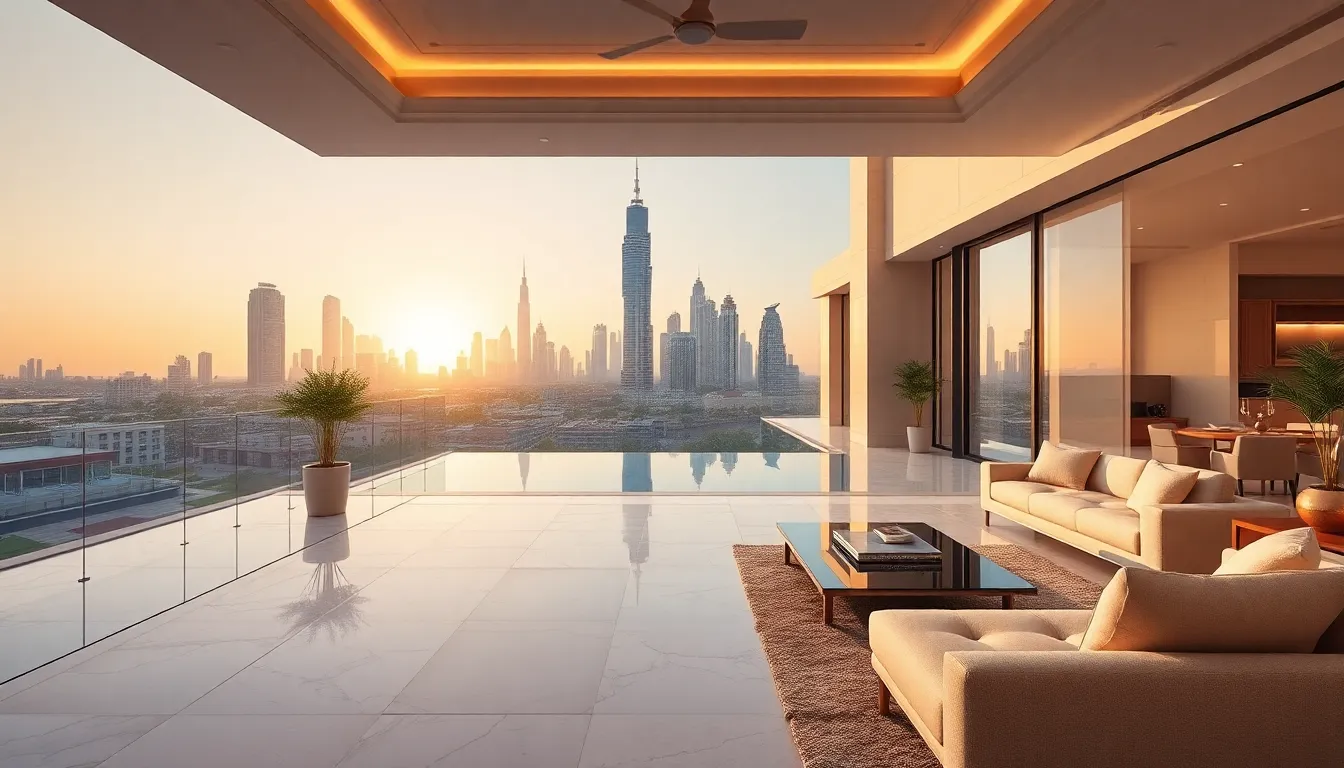
Should South Africans Buy Property in Dubai for Rental Incom
Yes, South Africans should seriously consider buying property in Dubai in 2026, especially for generating rental income while enjoying an expat lifestyle. Dubai offers high rental yields averaging 6-9% annually, tax-free income, and straightforward property ownership through designated freehold zones. The Golden Visa program provides long-term residency, making it an attractive option for South Africans seeking financial stability and lifestyle benefits.
What Makes Dubai Property Attractive for South African Investors?
Dubai's real estate market presents unique advantages for South African buyers. The currency stability of the AED against the volatile Rand provides a safe haven for capital. Property prices in prime areas remain competitive compared to global cities, with entry points around AED 800,000 for studios in emerging neighborhoods.
The legal framework protects foreign investors through transparent regulations. The Dubai Land Department (DLD) oversees all transactions, ensuring security. South Africans can own property outright in freehold zones without local sponsorship, a significant advantage over many other markets.
How Does Dubai's Rental Market Compare to South Africa?
Dubai's rental yields significantly outperform South African markets. While Johannesburg averages 4-6% gross yields, Dubai consistently delivers 6-9% in established communities. The tenant pool includes high-income professionals from multinational corporations, ensuring reliable rental income.
Property management services in Dubai are professional and regulated. Landlords can expect efficient handling of tenant issues, maintenance, and rent collection. This contrasts with South Africa's more fragmented property management landscape.
What Are the Tax Benefits for South African Property Owners?
Dubai offers complete tax exemption on rental income and capital gains. There's no property tax, transfer tax, or wealth tax. This creates a straightforward financial model where gross rental income translates directly to net income after expenses.
South African tax residents must still declare foreign income to SARS, but Dubai's zero-tax environment maximizes returns. The UAE's double taxation agreement with South Africa prevents dual taxation on the same income stream.
How Much Capital Do South Africans Need to Start?
Entry requirements vary by property type and location. For off-plan properties, developers typically require 20-30% down payment with installment plans during construction. Completed properties usually need 25% minimum for non-residents, plus 4% DLD registration fee.
Mortgage options exist for South African buyers, though requirements are stricter than for UAE residents. Most banks require 30-40% down payment and thorough income verification. Interest rates in 2026 are projected around 4.5-5.5% for expat buyers.
Which Areas Offer the Best Rental Returns?
Different neighborhoods cater to various tenant profiles and budget levels. Downtown Dubai and Dubai Marina attract premium tenants willing to pay AED 120,000-300,000 annually for luxury apartments. These areas offer stable capital appreciation but slightly lower yields around 5-6%.
Emerging communities like Dubai South and Jumeirah Village Circle provide higher yields of 7-9% with more affordable entry prices. These areas attract young professionals and families seeking value, ensuring consistent occupancy rates above 90%.
What Are the Hidden Costs of Property Ownership?
Beyond the purchase price, South Africans should budget for several ongoing expenses. Service charges range from AED 12-35 per square foot annually, covering building maintenance and amenities. DEWA (utilities) connection requires a deposit of AED 2,000-4,000.
Property management fees typically cost 5-8% of annual rental income. Maintenance reserves should equal 1-2% of property value annually. These costs remain predictable thanks to RERA regulations capping service charge increases.
How Does the Golden Visa Work for Property Investors?
The UAE Golden Visa offers long-term residency to property investors meeting specific thresholds. For a 5-year visa, investors need property valued at AED 2 million or more. A 10-year visa requires AED 10 million in real estate assets or AED 2 million in specific development areas.
This visa provides stability for South African families, allowing school enrollment, healthcare access, and business establishment. The application process takes 30-60 days once all documents are submitted through the DLD portal.
What Documentation Do South Africans Need?
South African buyers must provide several key documents. These include a valid passport with at least 6 months validity, proof of funds from South African banks, and a No Objection Certificate if currently employed in the UAE. Married couples need marriage certificates, while single buyers require attested affidavits of marital status.
Income verification documents must be attested by the UAE Embassy in South Africa. Property valuation reports from DLD-approved firms are mandatory for mortgage applications. The entire process typically completes within 45-60 days from offer to registration.
Can Family Members Be Included on the Visa?
Yes, Golden Visa holders can sponsor immediate family members. This includes spouses, children under 25, and unmarried daughters of any age. Parents can be sponsored if the investor meets higher financial thresholds or provides medical necessity proof.
Each dependent requires medical insurance meeting UAE minimum standards. School-aged children need enrollment proof from accredited institutions. The family sponsorship process adds approximately 15-20 days to the overall timeline.
What Are the Best Property Types for Rental Income?
Different property types serve different investment strategies. Studio and one-bedroom apartments in central locations generate the highest yields, often reaching 8-9% annually. These units appeal to young professionals and corporate tenants on short-term assignments.
Larger apartments and villas attract family tenants seeking longer leases of 2-3 years. While yields are slightly lower at 6-7%, these properties offer greater capital appreciation potential. Off-plan properties provide payment flexibility but involve construction risk.
| Property Type | Average Price Range (AED) | Projected 2026 Rental Yield | Target Tenant Profile | Minimum Investment |
|---|---|---|---|---|
| Studio Apartment | 800,000 - 1,200,000 | 8.5% - 9.2% | Young professionals | 200,000 AED |
| 1-Bed Apartment | 1,200,000 - 1,800,000 | 7.8% - 8.5% | Couples, executives | 300,000 AED |
| 2-Bed Apartment | 1,800,000 - 2,800,000 | 6.5% - 7.5% | Small families | 450,000 AED |
| 3-Bed Villa | 3,500,000 - 5,500,000 | 5.8% - 6.8% | Large families | 875,000 AED |
| Off-Plan Unit | 700,000 - 2,000,000 | Projected 7-9% | Future tenants | 140,000 AED |
How Do I Calculate Potential Returns?
ROI calculation requires considering multiple factors. Start with gross rental yield: annual rent divided by property price. Then subtract all costs: service charges (2-4%), property management (5-8%), maintenance reserve (1-2%), and vacancy allowance (5-10%).
Net yields typically range 5-7% after all expenses. Capital appreciation adds another 4-6% annually based on historical trends. Combined total returns of 9-13% make Dubai property competitive with other asset classes while providing physical asset security.
What Are the Risks to Consider?
Market cycles represent the primary risk. Dubai experienced corrections in 2009 and 2020, though recovery followed within 24-36 months. Currency risk exists if the Rand strengthens significantly against the AED, though this has been rare historically.
Regulatory changes could affect visa requirements or ownership rules. However, UAE policy tends toward liberalization rather than restriction. Due diligence on developer track records prevents construction delays or quality issues.
How Does the Expat Lifestyle Complement Investment?
Dubai offers South Africans a familiar yet enhanced lifestyle. English serves as the business lingua franca, easing communication. The climate resembles South Africa's sunny weather, with extensive air-conditioning making summer months comfortable.
Social integration is straightforward with large South African communities in areas like Arabian Ranches and The Springs. Numerous South African restaurants, schools, and social clubs create home-away-from-home comfort while enjoying Dubai's tax benefits.
What Are the Education Options for Families?
Dubai hosts several South African curriculum schools, including Dubai International Academy and GEMS Wellington Academy. Annual fees range AED 40,000-90,000 depending on grade level and institution. Many schools offer payment plans aligning with rental income cycles.
International schools follow British, American, or IB curricula, providing global educational standards. School placement is guaranteed for Golden Visa holders, eliminating waiting lists common in some premium institutions.
How Accessible Are South Africa from Dubai?
Direct flights connect Dubai to Johannesburg, Cape Town, and Durban in 8-9 hours. Multiple daily flights by Emirates, Flydubai, and South African Airways ensure flexible scheduling. Return fares average AED 3,000-4,500 depending on season.
The time difference of 2-3 hours facilitates business communication with South Africa. Many South African companies maintain regional offices in Dubai, creating professional networking opportunities while managing investments remotely.
Frequently Asked Questions
How much money do I need to start investing in Dubai property?
You need approximately AED 200,000 for a studio apartment in emerging areas, covering the 25% down payment and registration fees. Mortgage options can reduce initial outlay to AED 160,000 for qualifying buyers. Budget an additional 5% for due diligence and setup costs.
Can I get a mortgage as a South African non-resident?
Yes, several UAE banks offer mortgages to South African non-residents. Requirements include 30-40% down payment, proof of stable income, and clean credit history. Interest rates range 4.5-5.5% in 2026, with processing taking 4-6 weeks.
What happens if I need to sell my Dubai property quickly?
The Dubai property market offers good liquidity, with average selling times of 60-90 days for correctly priced units. Capital gains are tax-free, and the DLD registration system ensures transparent transfer within 48 hours once a buyer is secured.
How do I manage my property from South Africa?
Professional property management companies handle everything for 5-8% of rental income. They find tenants, collect rent, manage maintenance, and provide monthly statements. Many offer online portals for remote monitoring and decision-making.
Are there any restrictions on sending rental income to South Africa?
No restrictions exist on repatriating rental income or sale proceeds. UAE banks facilitate international transfers with minimal fees. South African exchange control regulations apply to amounts over R1 million per calendar year, requiring SARS declarations.
What insurance do I need for my Dubai property?
Building insurance is typically included in service charges. Contents insurance costs 0.1-0.3% of property value annually. Landlord liability insurance adds another AED 500-1,000 yearly. These policies protect against fire, water damage, and tenant-related incidents.
How does the Golden Visa affect my South African tax status?
The Golden Visa doesn't automatically change your South African tax residency. You remain a South African tax resident unless you formally emigrate through SARS. Consult a cross-border tax specialist to optimize your position across both jurisdictions.
Is Now the Right Time for South Africans to Invest?
2026 presents favorable conditions for South African property investment in Dubai. Market corrections in 2024-2025 created buying opportunities, with prices in some segments 15-20% below peak levels. Rental demand remains strong due to population growth and economic diversification.
The UAE's continued infrastructure development, including Expo 2025 legacy projects and Dubai Urban Plan 2040, supports long-term value appreciation. For South Africans seeking currency diversification, passive income, and lifestyle enhancement, Dubai property offers compelling advantages over domestic alternatives.
Begin your investment journey by exploring available listings to identify suitable properties. Read more insights about market trends and legal considerations. When ready, speak with our advisors at Siddhi Enterprises (Real Estate) for personalized guidance through the entire process.
By the Siddhi Enterprises (Real Estate) Research Team | Over 10 years of Dubai property market expertise across residential, commercial, and off-plan investments | 2026
Siddhi Team
Dubai Real Estate Experts helping Indian investors find their perfect property in UAE.