
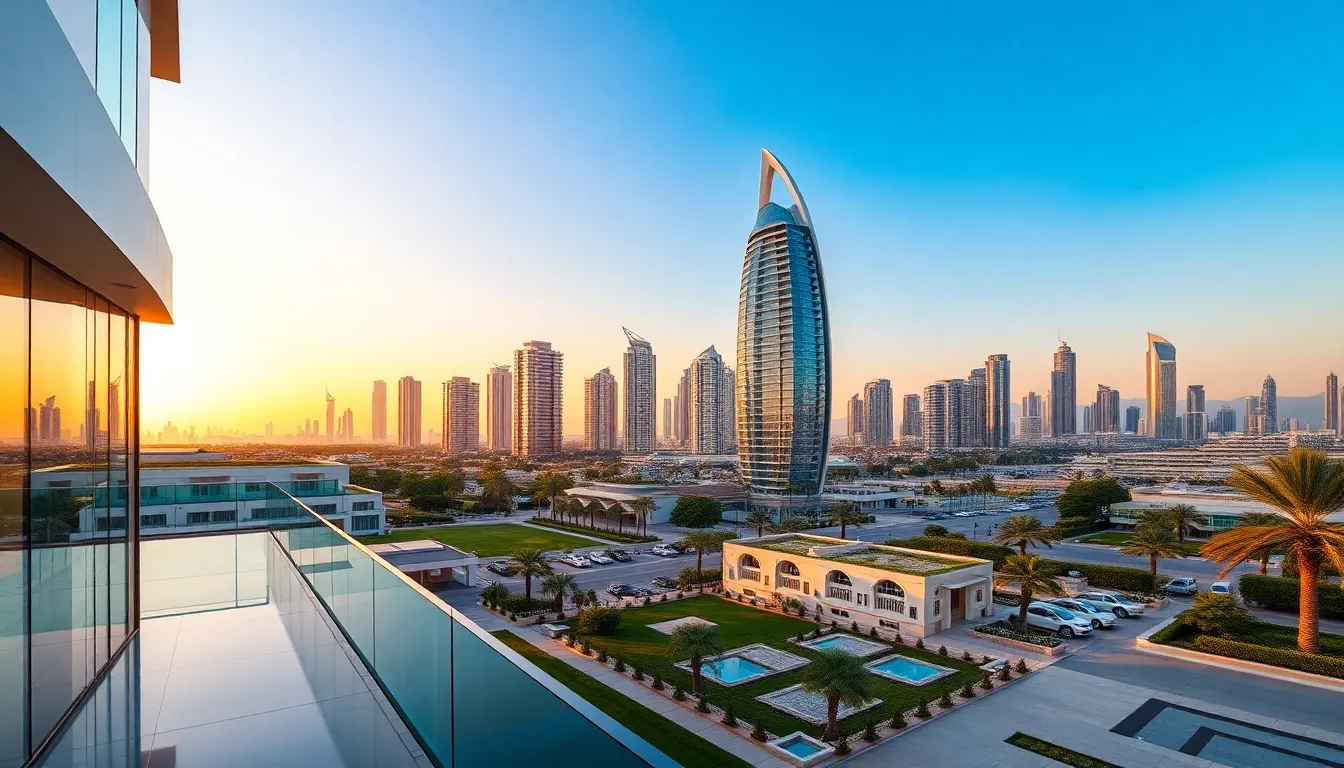
Should Saudi Investors Buy Property in Dubai in 2026?
Yes, Saudi investors should consider buying property in Dubai in 2026, especially from a data-driven investor perspective. Dubai offers strong rental yields averaging 5-8%, capital appreciation potential of 4-6% annually, and favorable tax-free returns. The market's transparency, freehold ownership options, and strategic proximity to Saudi Arabia make it a compelling investment destination for Saudi nationals seeking portfolio diversification.
What Makes Dubai Property Attractive to Saudi Investors in 2026?
From a data perspective, Dubai's real estate market presents several quantifiable advantages for Saudi investors. The city's property market has demonstrated consistent growth patterns, with established regulatory frameworks through RERA regulations ensuring investor protection. Geographic proximity reduces travel time and costs, while cultural similarities create a comfortable investment environment.
Market data shows Dubai's property sector has maintained stability through various economic cycles. The DLD registration system provides transparent transaction records, allowing investors to make informed decisions based on historical price data. These factors combine to create a lower-risk environment compared to many global markets.
How Do Dubai's Economic Indicators Support Property Investment?
Economic indicators for 2026 suggest continued growth in Dubai's property sector. GDP growth projections of 3-4% annually support property demand, while population increases of approximately 2-3% yearly create sustained housing needs. Tourism recovery to pre-pandemic levels further boosts short-term rental markets.
Infrastructure investments, including ongoing Expo 2020 legacy projects and Dubai 2040 Urban Master Plan developments, continue to enhance property values in strategic locations. These public investments create multiplier effects that benefit private property investors through improved amenities and connectivity.
What Are the Key Financial Metrics for Saudi Investors?
Financial metrics show Dubai property offers competitive returns. Rental yields typically range from 5% in premium areas to 8% in emerging neighborhoods. Capital appreciation projections for 2026 suggest 4-6% annual growth for well-located properties, with some off-plan developments offering higher potential returns.
Transaction costs average 4-6% of property value, including DLD fees and agent commissions. Operating costs typically run 1-2% annually for maintenance and service charges. These metrics allow Saudi investors to calculate precise ROI calculations before committing capital.
How Can Saudi Investors Maximize Returns in Dubai Property?
Saudi investors can maximize returns through strategic property selection and timing. Data analysis reveals specific neighborhoods and property types that outperform market averages. Understanding market cycles and entry points significantly impacts long-term returns.
Diversification across property types and locations reduces risk while maintaining growth exposure. Combining residential and commercial investments, or mixing established areas with emerging neighborhoods, creates balanced portfolios. Regular portfolio reviews ensure alignment with changing market conditions.
Which Dubai Areas Offer the Best Investment Potential?
Data from 2025-2026 projections identifies several high-potential areas. Dubai Marina and Downtown Dubai continue to offer premium returns with established tenant bases. Emerging areas like Dubai Hills Estate and Jumeirah Village Circle show above-average growth potential of 6-8% annually.
For budget-conscious investors, International City and Discovery Gardens provide entry points with strong rental demand. Each area serves different investor profiles, from luxury buyers to those seeking maximum cash flow. Location analysis should consider both current performance and future development plans.
What Property Types Deliver Optimal ROI?
Different property types offer varying return profiles. Apartments typically provide higher rental yields of 6-8%, while villas offer stronger capital appreciation of 5-7% annually. Off-plan properties can deliver 15-25% returns during construction phases but carry higher risk.
Commercial properties, particularly in free zones, offer stable long-term leases with 7-9% yields. Mixed-use developments combine residential and commercial benefits. The optimal mix depends on individual investor goals, risk tolerance, and investment horizon.
What Are the Practical Steps for Saudi Investors?
Saudi investors should follow a systematic approach to Dubai property investment. The process begins with market research and financial planning, followed by property selection and due diligence. Legal and regulatory compliance ensures smooth transactions and ongoing ownership.
Engaging professional advisors familiar with both Saudi and UAE regulations prevents common pitfalls. Budgeting for all costs, including unexpected expenses, maintains financial stability throughout the investment journey. Regular monitoring and management ensure investments perform as expected.
How Does the Buying Process Work for Saudi Nationals?
The buying process for Saudi nationals follows established procedures. Investors must first identify properties in freehold zones where foreign ownership is permitted. Financing arrangements can be made through UAE banks or international institutions, with typical loan-to-value ratios of 75-80% for non-residents.
Due diligence includes verifying property titles, checking for encumbrances, and confirming building quality. The DLD registration process finalizes ownership transfer. Post-purchase, investors must arrange property management, either personally or through professional services.
What Legal and Regulatory Considerations Apply?
Legal considerations include understanding ownership rights under UAE law. RERA regulations govern most residential transactions, providing standardized contracts and dispute resolution mechanisms. Free zone properties may have specific regulations that differ from mainland areas.
Tax implications are minimal, with no property taxes, capital gains taxes, or rental income taxes currently imposed. Inheritance laws differ from Saudi regulations, requiring proper estate planning. Consulting legal experts ensures compliance with all requirements.
How Do Dubai Investments Compare to Saudi Property Markets?
Comparing Dubai and Saudi property markets reveals distinct advantages for each. Dubai offers higher liquidity, more transparent pricing, and established international investor frameworks. Saudi markets provide domestic familiarity and potential for higher growth in developing areas.
| Investment Factor | Dubai Property Market | Saudi Property Market |
|---|---|---|
| Average Rental Yield | 5-8% | 4-6% |
| Capital Appreciation (2026 Projection) | 4-6% | 3-5% |
| Transaction Transparency | High (DLD system) | Moderate |
| Foreign Ownership Restrictions | Limited to freehold zones | More restrictive |
| Market Liquidity | High | Moderate to low |
| Tax Environment | Tax-free returns | Limited taxes |
This comparison shows Dubai's strengths in investor-friendly regulations and international appeal. Saudi markets offer opportunities in specific development projects and local knowledge advantages. Many successful investors maintain portfolios in both markets for diversification.
What Are the Risk Factors for Saudi Investors?
Risk factors include market volatility, currency fluctuations, and regulatory changes. Dubai's property market experiences cyclical patterns that can affect short-term returns. AED-SAR exchange rate movements impact returns when converting profits back to Saudi riyals.
Regulatory changes, while infrequent, can affect investment structures or visa requirements. Economic shifts in either country may influence property demand. Proper risk management through diversification and professional advice mitigates these concerns.
How Can Investors Mitigate These Risks?
Risk mitigation strategies include thorough due diligence, diversification, and professional management. Conducting comprehensive property inspections and reviewing all legal documents prevents many common issues. Spreading investments across different property types and locations reduces exposure to single-market fluctuations.
Engaging professional property managers ensures proper maintenance and tenant relations. Regular portfolio reviews allow adjustments to changing market conditions. Maintaining adequate cash reserves covers unexpected expenses without forcing distressed sales.
What Additional Benefits Come with Dubai Property Investment?
Beyond financial returns, Dubai property investment offers several additional benefits. The property visa UAE program allows investors meeting specific value thresholds to obtain residency. This provides lifestyle flexibility and business opportunities beyond pure investment returns.
Golden Visa eligibility for property investors has expanded in recent years, offering longer-term residency options. Portfolio diversification into a different currency and economy reduces overall investment risk. The ability to use properties personally when visiting Dubai adds practical value.
How Does the Property Visa System Work?
The property visa system allows investors owning properties valued at AED 750,000 or more to obtain renewable residency visas. For 2026, requirements include property ownership proof, valid passport, medical insurance, and clean criminal record. The process typically takes 2-4 weeks through proper channels.
Visa duration depends on property value, with higher-value investments qualifying for longer terms. Family members can be included under the primary investor's visa. This system provides flexibility without requiring employment or business establishment in the UAE.
What Are the Tax Advantages?
Tax advantages remain a significant draw for Saudi investors. Dubai imposes no property taxes, capital gains taxes, or rental income taxes at the emirate level. This creates efficient returns compared to many global markets where taxes consume 20-40% of profits.
Double taxation agreements between Saudi Arabia and the UAE prevent duplicate taxation. Inheritance and wealth taxes don't apply to Dubai property holdings. These advantages enhance net returns and simplify investment management.
Frequently Asked Questions
How much money do I need to start investing in Dubai property?
Minimum investment amounts vary by property type and location. Studio apartments in emerging areas start around AED 400,000, while entry-level villas begin at AED 1.5 million. Budget 5-7% extra for transaction costs and initial setup expenses.
Can I get financing from UAE banks as a Saudi investor?
Yes, most UAE banks offer mortgages to Saudi nationals. Typical requirements include proof of income, down payment of 20-25%, and property valuation. Interest rates for 2026 are projected at 4-6% for fixed-rate options.
What are the best areas for rental income in Dubai?
Areas with high rental demand include Dubai Marina, Downtown Dubai, and Business Bay for luxury properties. For higher yields, consider International City, Discovery Gardens, or Jumeirah Village Circle where yields reach 7-8% annually.
How do I manage my Dubai property from Saudi Arabia?
Professional property management companies handle everything from tenant screening to maintenance. Fees typically range from 5-10% of rental income. Many companies provide online portals for remote monitoring and decision-making.
What happens if I want to sell my Dubai property?
The selling process involves property valuation, marketing, and DLD transfer procedures. Average selling time is 2-4 months for reasonably priced properties. Capital gains are tax-free, though agent commissions of 2% apply.
Are there any hidden costs in Dubai property investment?
Beyond purchase price, budget for DLD fees (4%), agent commission (2%), maintenance charges (1-2% annually), and potential vacancy periods. Service charges in communities can add 10-30 AED per square foot annually.
How does Dubai property investment affect my Saudi taxes?
Currently, Saudi Arabia doesn't tax foreign property income or capital gains. However, consult a tax professional as regulations may change. Dubai property doesn't trigger Saudi zakat calculations under most interpretations.
For Saudi investors approaching 2026, Dubai property represents a strategic opportunity for portfolio diversification and growth. The market's transparency, favorable returns, and additional benefits like residency options create a compelling investment case. Data-driven analysis supports selective investment in areas and property types matching individual risk profiles and return objectives.
Successful investment requires thorough research, professional guidance, and ongoing management. As market conditions evolve, staying informed about regulatory changes and economic trends ensures investments continue performing optimally. The combination of geographic proximity, cultural familiarity, and financial advantages makes Dubai property particularly suitable for Saudi investors seeking international exposure.
Ready to explore specific opportunities? Browse current listings matching Saudi investor criteria, access detailed market analysis, or consult with our investment team specializing in cross-border transactions. Siddhi Enterprises (Real Estate) provides comprehensive support throughout your Dubai property journey.
By the Siddhi Enterprises (Real Estate) Research Team | Over 10 years of Dubai property market expertise across residential, commercial, and off-plan investments | 2026
Siddhi Team
Dubai Real Estate Experts helping Indian investors find their perfect property in UAE.