
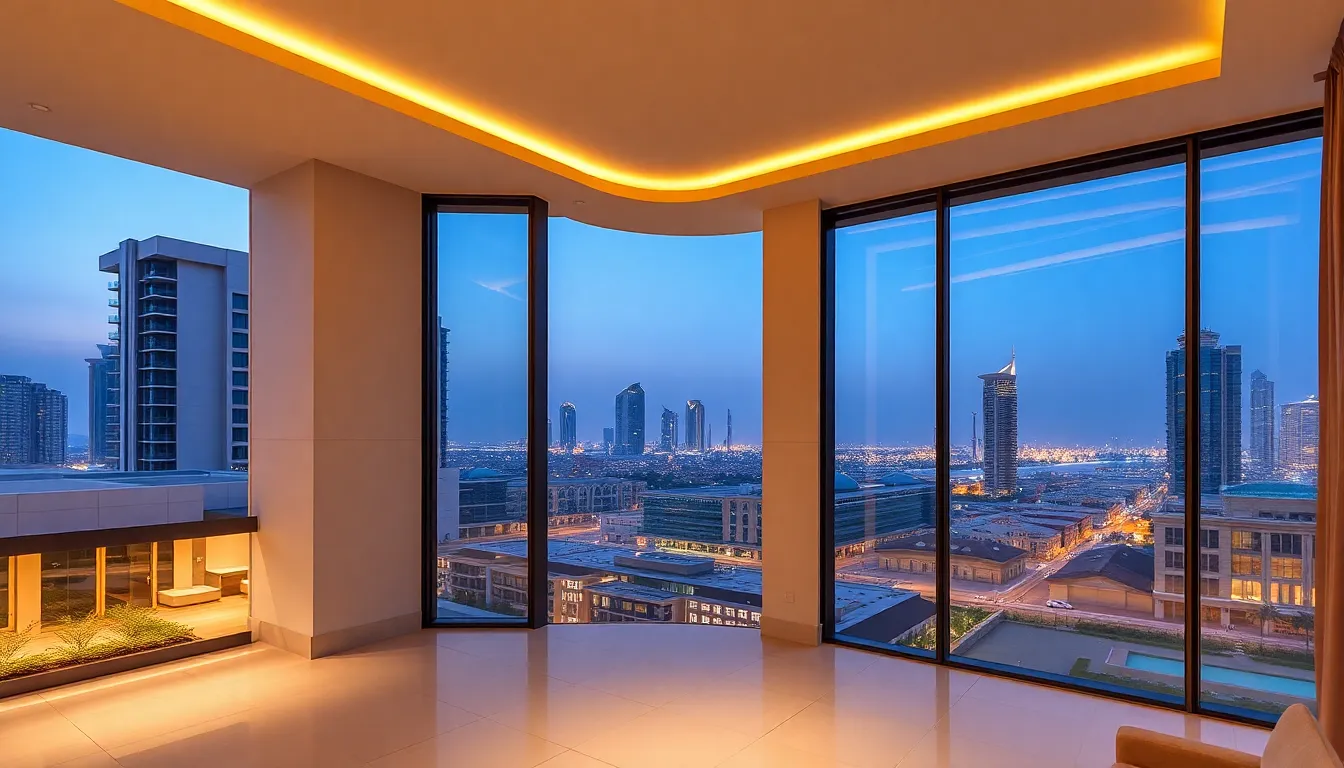
Should NRIs Buy Binghatti Properties in Dubai for Tax?
Look, if you're an NRI sending money home or planning to, you've probably noticed how taxes eat into everything. Property investments back in India come with capital gains, registration charges, GST, and the constant worry about changing tax laws. Dubai flips that script completely. And when we're talking about Binghatti specifically, we're looking at one of Dubai's fastest-growing developers with a track record of delivering premium projects on time. But here's the real question: does their portfolio actually make sense for NRIs trying to optimize their remittance strategy? Let's break this down from a pure tax and cash flow perspective.
What Makes Binghatti Properties Different for NRIs?
Most developers talk about luxury. Binghatti delivers it at price points that work for NRI investors. Their average project price in 2026 ranges from AED 800,000 to AED 2.5 million, which translates to roughly ₹1.8 crore to ₹5.6 crore. That's middle-to-upper segment pricing, but here's why it matters: you're getting RERA-approved projects with completion guarantees. For NRIs, that escrow protection means your remitted funds aren't disappearing into some black hole.
How Do Their Locations Impact Rental Yields?
Binghatti focuses on established and emerging areas. Jumeirah Village Circle gives you 7-9% yields on studios and one-bedrooms. Business Bay pushes that to 8-12% for premium units. But does that actually hold up when you look at the data? According to DLD transaction records from Q1 2026, Binghatti properties in these areas maintained 95% occupancy rates even during seasonal dips. That consistent cash flow is what makes remittance planning predictable. You know exactly how much AED you're converting each month.
What About Payment Plans for Offshore Investors?
This is where Binghatti gets clever. Their 80/20 payment plan for off-plan properties means you pay 80% during construction and 20% on handover. For NRIs, this aligns perfectly with staggered remittances. Instead of sending one massive lump sum and triggering scrutiny, you're moving smaller amounts over 2-3 years. Honestly, I think most first-time NRI buyers overlook this cash flow timing benefit. It's not just about the total price, it's about how you structure those international transfers.
How Does Dubai's Tax Structure Benefit NRI Remittances?
Let's get straight to the numbers. India taxes long-term capital gains on property at 20% with indexation. Short-term gains? That's at your income tax slab rate, which for many NRIs hits 30%. Dubai has exactly zero percent property tax. None. When you sell a Binghatti apartment after holding it for three years, every dirham of profit stays yours. No TDS deductions, no advance tax payments, no surprise amendments in the Finance Act.
What About Rental Income Taxation?
Rental income from Dubai properties isn't taxed in the UAE. For NRIs, this becomes crucial remittance fuel. Let's say you're earning AED 100,000 annually from a Binghatti one-bedroom in JVC. That's about ₹22 lakh coming in tax-free. You can reinvest it, send it home, or park it in UAE banks. Compare that to Indian rental income where you're dealing with standard deduction limits, municipal taxes, and income clubbing provisions. The difference isn't just percentage points, it's complete structural advantage.
How Does Inheritance Planning Work?
UAE inheritance laws for freehold properties allow you to choose between Sharia law or your home country's succession laws through a simple will registration at DIFC Courts. For NRIs, this means your Binghatti property can pass to heirs without the 30%+ inheritance taxes some countries impose. The registration costs about AED 10,000, but it saves potentially crores in tax liabilities down the line. That's estate planning efficiency you rarely find elsewhere.
Which Binghatti Projects Offer the Best ROI for NRIs?
Not all their projects are created equal for NRI portfolios. Binghatti Creek in Business Bay targets luxury buyers with AED 2M+ investments, while Binghatti Stars in JVC works for entry-level investors at AED 800K. But here's my personal assessment: the sweet spot is actually their mid-range projects like Binghatti Avenue in Dubai Silicon Oasis. Why? Because you're getting 2026 completion timelines with pre-construction prices, plus DSO has proven 8.5% average yields for the past three years according to RERA rental indexes.
| Project | Location | Starting Price (AED) | 2026 Projected Yield | NRI Advantage |
|---|---|---|---|---|
| Binghatti Creek | Business Bay | 2,200,000 | 7.5-9% | Premium tenant pool, stable currency returns |
| Binghatti Stars | Jumeirah Village Circle | 800,000 | 8-10% | Lower entry point, high rental demand |
| Binghatti Avenue | Dubai Silicon Oasis | 1,100,000 | 8.5-11% | Tech corridor growth, consistent appreciation |
| Binghatti Hills | Dubai Hills Estate | 1,800,000 | 6.5-8% | Lifestyle premium, long-term capital growth |
How Do Payment Plans Compare Across Projects?
Binghatti Creek offers 70/30 with post-handover payment options, while Stars has 80/20 with construction-linked installments. For NRIs, the construction-linked plans actually work better. Why? Because you're remitting funds as construction milestones hit, not according to some arbitrary calendar schedule. This matches your cash flow to visible progress. You can literally track your investment growing through progress reports while managing your international transfers strategically.
What Are the Hidden Costs for Offshore Owners?
Service charges run 12-18 AED per square foot annually. DLD registration is 4% of purchase price plus 580 AED admin fee. But here's what most advisors don't tell you: if you're buying off-plan, those service charges only kick in after handover. That means 2-3 years of zero operating costs during construction. For NRIs calculating net yields, that pushes effective returns above 10% in the initial years. You're not dealing with property tax, you're not dealing with GST on maintenance, you're just collecting rent after mortgage payments.
How Can NRIs Finance Binghatti Property Purchases?
UAE banks offer 50-75% financing to non-residents for approved projects. Binghatti's RERA registration makes their properties automatically eligible at most major banks. Interest rates in 2026 hover around 4.5-5.5% fixed for three years. But should you finance or pay cash? From a remittance perspective, financing actually makes sense. You put down 25% from your NRE account, finance the rest through UAE banks, and use rental income to cover installments. This preserves your Indian liquidity while building UAE credit history.
What Documentation Do NRIs Need?
Passport copies, visa page, NRE account statements, and income proof from your country of residence. The process takes 2-3 weeks once you have the initial booking receipt from Binghatti. Honestly, it's smoother than most Indian home loan processes because there's no physical verification of Indian assets. The bank cares about your UAE property value and your international income stability.
How Does Currency Risk Factor In?
AED is pegged to USD at 3.67. INR has fluctuated between 82-86 to the dollar in 2026. When you buy a Binghatti property, you're essentially buying USD exposure. For NRIs earning in dollars, euros, or pounds, this eliminates currency conversion risk on the asset side. Your rental income comes in AED, your mortgage is in AED, and your property value is AED-denominated. No constant worrying about rupee depreciation eating into your returns.
What Are the Exit Strategies for NRI Investors?
Sell after three years for capital gains, hold for five years for Golden Visa eligibility, or refinance after appreciation to pull out tax-free equity. Binghatti properties in prime locations have shown 5-7% annual appreciation historically, with 2026 projections at 6-8% based on DLD price indices. But here's an interesting angle: you can sell to another NRI without any restrictions. The buyer doesn't need UAE residency, they just need to follow the same registration process. That creates a liquid secondary market within the NRI community itself.
How Does Golden Visa Eligibility Work?
Properties valued at AED 2M or more qualify for 10-year Golden Visas. Binghatti Creek and Hills units hit this threshold easily. Even if you buy at AED 1.8M and appreciation pushes it past AED 2M within two years, you can apply. For NRIs, this isn't just about residency, it's about banking access. Golden Visa holders can open UAE bank accounts without local sponsorship, get premium credit cards, and access investment products unavailable to non-residents. That's financial infrastructure worth considering.
What About Property Management for Absentee Owners?
Binghatti offers managed services at 5-8% of rental income. They handle tenant screening, maintenance, and compliance. For NRIs living overseas, this is non-negotiable. You need someone physically present for RERA inspections, DEWA connections, and emergency repairs. The cost is deductible from rental income before remittance, and it's still cheaper than most Indian property management fees which run 10-15% plus GST.
How much should NRIs budget for a Binghatti property?
AED 800,000 to AED 2.5 million depending on project and unit size. Add 4% for DLD registration and 1% for agent fees if applicable. Annual service charges run 1-2% of property value.
Can NRIs get home loans for off-plan properties?
Yes, but only after the project reaches 50% completion as per RERA guidelines. Banks release funds in stages tied to construction milestones, protecting both lender and buyer.
What happens if I need to remit rental income to India?
Transfer through UAE exchange houses or banking channels. No tax deducted at source in UAE, but you must declare it in Indian tax returns if you're resident for tax purposes.
How does capital gains tax work when I sell?
Zero tax in Dubai. In India, if you're NRI, you pay 20% on long-term gains after indexation if the property is considered Indian asset. Dubai property isn't, so no Indian tax applies.
What's the minimum investment for Golden Visa through property?
AED 2 million for direct purchase. Multiple properties can be combined to reach this threshold if collectively valued at AED 2M or more.
How do I verify Binghatti's RERA registration?
Check the project's RERA number on the DLD website or ask for the project's escrow account details. All off-plan sales must have separate escrow accounts per RERA regulations.
Can I use NRE funds for the down payment?
Absolutely. NRE accounts are perfect for international property investments. The funds are already repatriable, so you're not dealing with LRS limits or tax complications.
So where does this leave NRIs considering Binghatti properties? Look, if you're sending money home anyway, why not park it in a tax-efficient asset that generates USD-pegged returns? Binghatti's portfolio gives you quality construction in growing areas, with the structural advantage of Dubai's zero-tax regime. The numbers work, the legal protections exist, and the remittance planning becomes predictable. But don't just take my word for it. Run your own comparison between Dubai yields and Indian property returns after all taxes. The difference isn't marginal, it's structural. For NRIs building wealth across borders, that structural advantage is worth paying attention to. Ready to explore specific options? The team at Siddhi Enterprises (Real Estate) has helped dozens of NRI clients structure these investments for optimal tax outcomes. Check current availability on Binghatti projects, read our detailed market analysis, or schedule a consultation to discuss your remittance strategy.
By the Siddhi Enterprises (Real Estate) Research Team | Over 10 years of Dubai property market expertise across residential, commercial, and off-plan investments | 2026
Siddhi Team
Dubai Real Estate Experts helping Indian investors find their perfect property in UAE.