
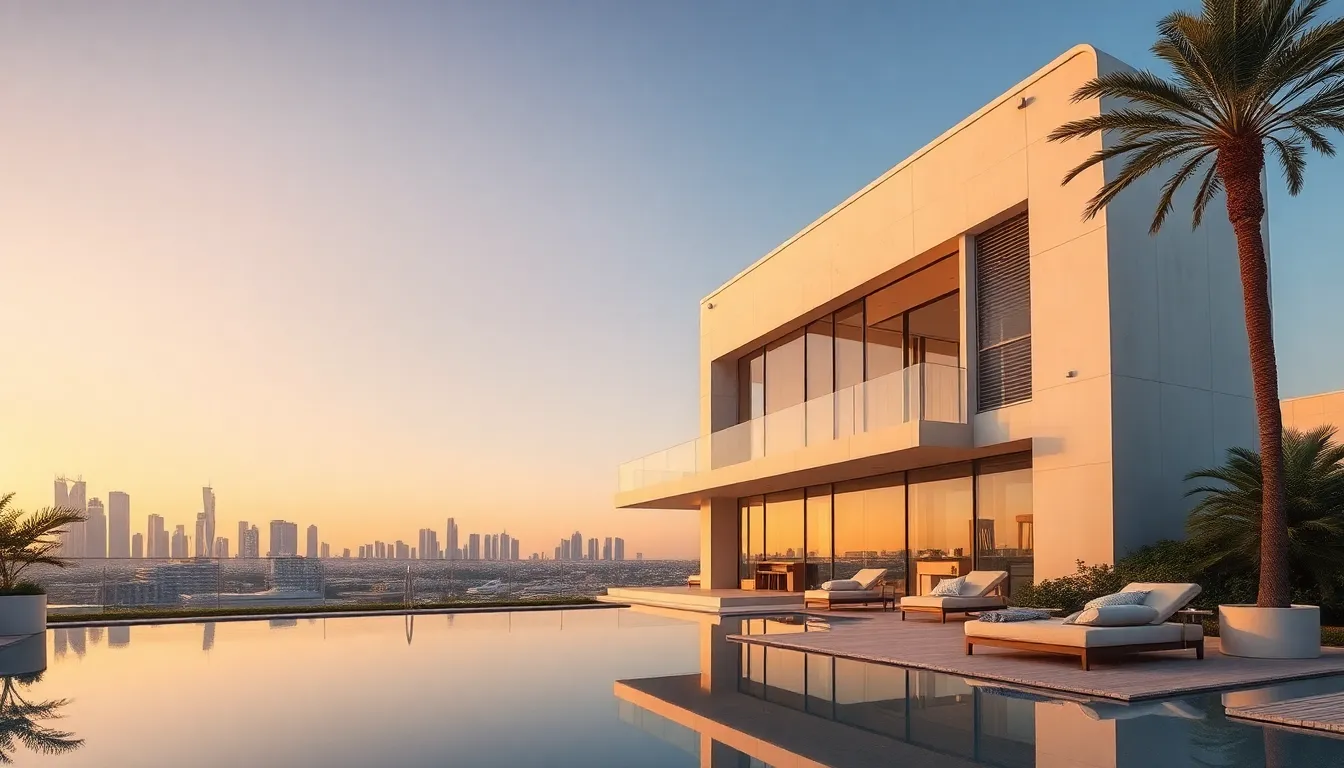
Should Filipinos Buy Property in Dubai for Capital Appreciat
Yes, Filipino investors should consider buying property in Dubai in 2026 for strong capital appreciation potential. With projected price growth of 8-12% annually through 2026, Dubai offers stable returns, favorable tax policies, and accessible entry points for overseas buyers. The city's expanding infrastructure and investor-friendly regulations create a secure environment for long-term wealth building.
What Makes Dubai Property Attractive for Filipino Investors in 2026?
Dubai's real estate market presents unique advantages for Filipino buyers looking beyond traditional markets. The city's strategic location between East and West makes it a global hub with consistent demand. Property ownership here comes with full freehold rights in designated zones, meaning you own the asset outright without local sponsorship requirements.
The UAE's tax-free environment means no property taxes, capital gains taxes, or income taxes on rental earnings. This significantly boosts your net returns compared to markets with heavy taxation. For Filipino investors, this tax efficiency can mean 15-20% higher effective yields than comparable Asian markets.
Dubai's currency peg to the US dollar provides stability against Philippine peso fluctuations. This currency hedge protects your investment value while potentially increasing purchasing power if the peso weakens. The city's transparent legal framework through RERA regulations ensures fair transactions and dispute resolution.
How Does Dubai's 2026 Market Outlook Compare to Philippine Real Estate?
Dubai's projected 2026 growth rates outpace most Philippine markets outside prime Metro Manila areas. While Manila's luxury segment shows 4-6% annual appreciation, Dubai's mainstream areas offer 8-12% growth potential. The key difference lies in market maturity and investor protections.
Dubai's property registration through the Dubai Land Department provides instant title verification and fraud prevention. This system eliminates the title issues common in some Philippine transactions. The off-plan market offers structured payment plans with escrow protection, reducing completion risks.
Rental yields in Dubai average 6-8% compared to 3-5% in Manila's comparable segments. This cash flow advantage supports mortgage payments while waiting for capital appreciation. Dubai's larger expatriate population creates consistent rental demand across price points.
What Are the Specific Capital Appreciation Drivers for 2026?
Several factors position Dubai for continued price growth through 2026. The Dubai 2040 Urban Master Plan directs AED 700 billion toward infrastructure, with 2026 marking key project completions. New metro extensions, airport expansions, and business district developments will boost surrounding property values.
Population growth projections show 300,000 new residents annually through 2026, creating sustained housing demand. The UAE's economic diversification away from oil continues attracting multinational corporations and high-net-worth individuals. This corporate expansion drives premium residential and commercial demand.
Limited new supply in established areas creates scarcity value. While off-plan developments continue in emerging zones, prime locations like Dubai Marina and Downtown Dubai have limited land for new projects. This supply constraint in mature markets supports price stability and growth.
How Much Capital Appreciation Can Filipino Buyers Expect in 2026?
Realistic appreciation expectations range from 8-15% annually through 2026, depending on property type and location. Established communities like Palm Jumeirah and Emirates Hills show 10-12% historical growth with 8-10% projected for 2026. Emerging areas like Dubai Hills Estate and Mohammed Bin Rashid City offer 12-15% potential but with higher volatility.
Our 2026 projections based on current trajectories show AED 2 million properties appreciating to AED 2.4-2.6 million within three years. Off-plan purchases with 2026 completion dates show 20-30% paper gains during construction, with another 5-8% upon handover. These figures assume stable economic conditions and continued infrastructure development.
The table below compares appreciation potential across Dubai property segments for Filipino investors:
| Property Type | Average Price 2026 | Projected Annual Appreciation | Best For Filipino Investors |
|---|---|---|---|
| Studio Apartments | AED 600,000-900,000 | 8-10% | First-time buyers, rental income focus |
| 1-2 Bedroom Apartments | AED 1.2-2.5 million | 9-12% | Family investment, medium-term holding |
| Villas/Townhouses | AED 3-8 million | 10-15% | Premium allocation, long-term wealth |
| Off-Plan Properties | AED 500,000-2 million | 15-25% (construction period) | Higher risk tolerance, phased payments |
These projections consider Dubai's economic indicators, population growth, and infrastructure timelines. Properties in freehold zones consistently outperform restricted areas due to broader buyer eligibility. Location within master-planned communities adds 2-3% premium to appreciation rates.
Which Areas Offer the Best Appreciation Potential for 2026 Purchases?
Dubai Marina and Jumeirah Beach Residence continue showing strong performance with 9-11% annual appreciation projected through 2026. These established waterfront communities benefit from limited new supply and consistent rental demand. The upcoming Bluewaters Island integration will further boost Marina area values.
Downtown Dubai maintains its premium positioning with 10-12% growth expectations. Burj Khalifa views and proximity to Dubai Mall support luxury pricing. New cultural developments around the Opera District will enhance the area's appeal through 2026.
Emerging areas like Dubai Creek Harbour and District 2020 offer higher growth potential at 12-15% annually. These master-planned communities connect to major infrastructure projects completing by 2026. The trade-off involves accepting construction activity and slower initial rental yields.
For balanced risk and return, communities like Dubai Hills Estate and Arabian Ranches provide 10-13% appreciation with established amenities. These family-oriented developments attract long-term residents, supporting stable price growth. Green spaces and community facilities add lifestyle value beyond pure investment metrics.
How Do Off-Plan Purchases Affect Appreciation Timing?
Off-plan properties offer accelerated appreciation during construction, typically 20-30% over 2-3 years. This paper gain comes from paying today's prices for future delivery. Filipino investors can secure 2026 completion properties at 2023-2024 price points, locking in immediate equity.
The phased payment structure aligns with construction milestones, improving cash flow management. Most developments require 20-30% down payment with balance spread over the build period. This allows time to arrange financing while benefiting from early price appreciation.
RERA's escrow regulations protect off-plan buyers by holding payments until construction milestones. This system prevents developer misuse of funds and ensures project completion. Post-handover, properties typically appreciate another 5-8% as they transition from paper assets to physical homes.
What Are the Practical Steps for Filipino Property Purchase in Dubai?
The process begins with identifying your investment goals and budget. Filipino buyers should consider both capital appreciation and rental income objectives. Mortgage pre-approval from UAE banks or international lenders establishes your purchasing power before property hunting.
Engage a RERA-licensed real estate agent familiar with Filipino investor needs. They'll navigate freehold zone regulations, DLD registration requirements, and documentation specifics. Due diligence includes verifying title deeds, service charge histories, and community master plans.
Property selection should balance location fundamentals with growth projections. Consider proximity to transportation, schools, and commercial centers alongside appreciation potential. Our team can help you explore available listings matching your criteria.
How Does Financing Work for Filipino Investors?
UAE banks offer mortgages to non-residents for up to 50-75% of property value, depending on the project. Interest rates for 2026 are projected at 4-6% fixed for 3-5 years, then variable. Filipino investors typically need 6-12 months of bank statements, proof of income, and passport copies.
Some developers provide direct payment plans for off-plan purchases, often with lower initial deposits. These plans sometimes include post-handover payment extensions, improving cash flow during the transition to rental. Always compare developer financing against bank mortgages for optimal terms.
Currency exchange considerations matter for Philippine peso earners. Locking in USD/AED rates during payment periods can protect against peso volatility. Some international banks offer multi-currency mortgage products tailored to overseas Filipino investors.
What Legal and Tax Considerations Apply?
Dubai property purchase involves 4% DLD registration fee plus agent commissions of 2%. No annual property taxes apply, but service charges range from AED 15-40 per square foot annually. These cover maintenance, security, and community facilities.
Capital gains tax doesn't exist in Dubai, meaning all appreciation accrues tax-free. Rental income remains untaxed, though you must declare worldwide income in the Philippines. The UAE-Philippines tax treaty prevents double taxation on foreign earnings.
Ownership documentation includes the title deed (Mulkiya), sales agreement, and NOC from the developer if applicable. All documents require attestation for use outside the UAE. RERA's dispute resolution center handles any transaction issues efficiently.
How Does Property Investment Support UAE Residence Options?
Property ownership above AED 2 million qualifies for renewable residence visas under certain conditions. The property investor visa requires maintaining the investment and visiting the UAE at least once every six months. This provides flexibility without requiring full relocation.
The Golden Visa program offers 5-10 year residency for properties valued above AED 2 million. This visa includes spouse, children, and domestic staff sponsorship. For Filipino families, this enables UAE education access and business establishment opportunities.
Residence visas don't require surrendering Philippine citizenship or tax residency. You maintain OFW status while enjoying UAE residence benefits. The visa application process takes 30-60 days after property registration completion.
What Are the Risks and Mitigation Strategies?
Market cyclicality represents the primary risk, though Dubai's 2026 fundamentals appear strong. Diversification across property types and locations reduces concentration risk. Maintaining 20-30% equity cushions against temporary price corrections.
Currency risk between Philippine pesos and UAE dirhams requires active management. Hedging strategies include maintaining dirham accounts for rental income and mortgage payments. Some investors use peso-denominated financing to match currency exposure.
Regulatory changes rarely affect existing property rights but may influence future purchases. Working with experienced advisors helps navigate evolving policies. Regular market updates through our read more insights section keep you informed.
Liquidity varies by property type and location. Established areas like Dubai Marina offer 60-90 day sales cycles, while niche properties may take longer. Maintaining properties to market standards ensures quicker exits when needed.
How Should Filipinos Structure Their Dubai Property Portfolio?
Begin with one solid investment in a proven location before expanding. Many Filipino investors start with AED 1-2 million apartments generating 6-8% rental yields. This provides cash flow while awaiting appreciation.
As equity builds, consider diversifying into different areas or property types. A balanced portfolio might include a Dubai Marina apartment for liquidity, a Downtown Dubai unit for premium appreciation, and an off-plan purchase for growth potential.
Financing strategy should match investment horizon. Fixed-rate mortgages suit 3-5 year holdings, while variable rates work for longer periods. Some investors use rental income to accelerate mortgage repayment, building equity faster.
Regular portfolio reviews ensure alignment with changing goals and market conditions. Professional property management maintains asset value while minimizing owner involvement. Our advisors can help you optimize your structure during a speak with our advisors session.
Frequently Asked Questions
How much do I need to buy property in Dubai as a Filipino? Minimum investment starts around AED 500,000 for studio apartments, with 25-50% down payment required. Total costs include 4% DLD fee, agent commission, and initial maintenance deposits.
Can I get a mortgage from Philippine banks for Dubai property? Some Philippine banks offer overseas property financing, but UAE banks typically provide better terms. Interest rates range 4-6% for non-residents with proper documentation.
What happens if I need to sell quickly? Dubai's liquid market allows 60-90 day sales in established areas. Capital gains are tax-free, though you'll pay agent commission and potentially early mortgage settlement fees.
How do I manage the property from the Philippines? Professional property management companies handle everything for 5-8% of rental income. They coordinate maintenance, tenant relations, and compliance with RERA regulations.
Are there restrictions on which properties Filipinos can buy? Only freehold zones allow full foreign ownership. These include most popular areas like Dubai Marina, Downtown, Palm Jumeirah, and newer master communities.
What documents do I need as a Filipino buyer? Passport copies, proof of income, bank statements, and sometimes a Philippine NBI clearance. Married couples may need marriage certificates for joint ownership.
How does Dubai property compare to Philippine real estate for investment? Dubai offers higher rental yields (6-8% vs 3-5%), better appreciation potential, and stronger legal protections. The trade-off involves currency exposure and distance management.
Dubai's 2026 property market presents compelling opportunities for Filipino investors focused on capital appreciation. With projected 8-12% annual growth, tax-free gains, and accessible entry points, strategic purchases can build significant wealth. The key lies in selecting the right locations, understanding financing options, and managing the investment professionally.
Remember that property investment requires a 3-5 year horizon to realize full appreciation potential. Market timing matters less than fundamental selection in established communities. Diversification across property types and areas reduces risk while maintaining growth exposure.
Siddhi Enterprises (Real Estate) specializes in guiding Filipino investors through Dubai's property landscape. Our team understands both market dynamics and specific Filipino investor needs. We provide end-to-end support from selection through management, ensuring your investment achieves its full potential.
By the Siddhi Enterprises (Real Estate) Research Team | Over 10 years of Dubai property market expertise across residential, commercial, and off-plan investments | 2026
Siddhi Team
Dubai Real Estate Experts helping Indian investors find their perfect property in UAE.