
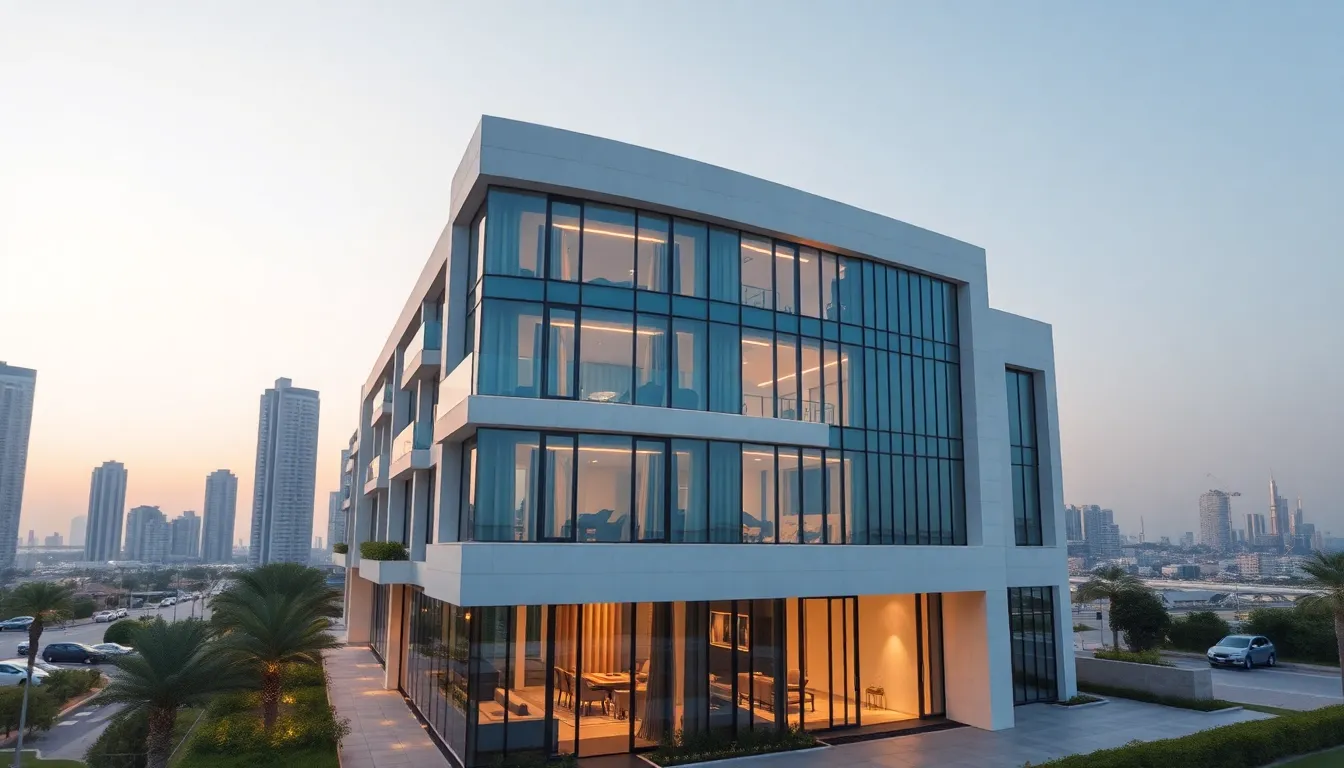
Minimum Investment Dubai Real Estate 2026: Off-Plan Risk vs
The minimum investment in Dubai real estate represents the lowest capital entry point for property ownership, typically starting around AED 500,000 in 2026 for off-plan developments with varying risk-reward profiles across different communities and project stages.
What Is the Current Minimum Investment Landscape in Dubai for 2026?
Dubai's property market in 2026 offers entry points that have evolved significantly from previous cycles. The baseline for off-plan purchases now begins at approximately AED 500,000 in emerging areas like Dubai South and Arjan. This threshold represents a 15% increase from 2024 levels, reflecting market maturation and infrastructure development.
Developers have introduced more flexible payment plans to attract investors with limited capital. These typically require 20-30% down payments spread across construction phases. The Dubai Land Department registration process has streamlined these transactions, though due diligence remains critical.
How Have Minimum Prices Changed Since 2024?
Entry-level pricing has shifted upward as Dubai completes major infrastructure projects. Areas that were once considered secondary markets now command premiums of 18-22% compared to 2024 prices. This appreciation reflects both genuine value growth and inflationary pressures within the construction sector.
The most affordable off-plan opportunities in 2026 exist in communities with ongoing development. Dubai South offers studio apartments starting at AED 520,000, while Arjan presents one-bedroom units from AED 580,000. These prices assume standard payment plans without premium upgrades or view charges.
Which Payment Structures Work Best for Limited Capital?
Post-handover payment plans have gained popularity among developers seeking to mitigate buyer risk. These arrangements allow investors to defer 40-50% of payments until project completion. Such structures reduce immediate capital requirements but may carry higher overall costs.
Construction-linked plans remain the standard for most off-plan purchases. These typically require 5-10% at booking, with subsequent payments tied to building milestones. Savvy investors compare these against rental yields projected for 2027-2028 occupancy periods.
How Does Off-Plan Risk Assessment Work in 2026?
Evaluating off-plan risk requires analyzing developer track records, project financing, and market timing. The 2026 landscape shows particular sensitivity to delivery schedules, with projects exceeding 36-month construction periods facing higher cancellation risks.
RERA regulations provide stronger buyer protections than in previous years, including mandatory escrow accounts and progress reporting. However, these don't eliminate market risk entirely. Investors must still assess location fundamentals and absorption rates for new supply.
What Are the Primary Risk Factors for Minimum Investments?
Construction delays represent the most significant risk for entry-level investors. Projects in the AED 500,000-700,000 range often face tighter margins, making them vulnerable to cost overruns. Market saturation in certain segments could pressure resale values upon completion.
Currency fluctuations affect international buyers, particularly those holding currencies that have weakened against the AED. Financing availability remains another concern, as banks typically require higher deposits for off-plan purchases compared to ready properties.
How Can Investors Mitigate These Risks?
Due diligence should extend beyond developer reputation to include contractor relationships and material sourcing. Investors should verify that projects have secured all necessary approvals from Dubai Municipality and relevant authorities.
Diversification across multiple entry-level properties can spread risk more effectively than concentrating capital in a single unit. Some investors opt for joint ownership structures to increase their minimum investment capacity while maintaining manageable exposure.
Which Areas Offer the Best Risk-Reward Balance for Minimum Investments?
Emerging communities near transportation hubs present compelling risk-reward profiles. Dubai Creek Harbour shows particular promise with its integrated development plan and proximity to Downtown Dubai. Expected completion of major phases in 2026-2027 creates timing opportunities.
Areas with established infrastructure but ongoing development offer balanced prospects. Jumeirah Village Circle continues to deliver consistent returns despite its maturity, with entry points around AED 650,000 for one-bedroom units in new phases.
What Makes Dubai South Attractive for Entry-Level Investors?
Proximity to Al Maktoum International Airport and Expo City drives Dubai South's appeal. The area benefits from continued government investment in logistics and commercial facilities. Residential supply remains constrained relative to projected demand from airport-related employment growth.
Infrastructure completion timelines align well with 2026-2027 investment horizons. The community offers some of the most competitive price points while maintaining reasonable proximity to central Dubai. Rental yields are projected at 6.2-6.8% for 2028 occupancy.
How Does Arjan Compare for Risk-Averse Investors?
Arjan's established community reduces delivery risk compared to completely new developments. The area has demonstrated consistent absorption of new inventory over the past three years. This track record provides more predictable outcomes for minimum investment allocations.
Connectivity improvements, particularly road enhancements linking to Sheikh Mohammed Bin Zayed Road, enhance the area's long-term viability. While yields may be slightly lower than frontier locations, the reduced volatility appeals to conservative investors entering at minimum levels.
What ROI Can Investors Expect from Minimum Investments in 2026?
Realistic return projections for 2026 off-plan purchases range from 18-25% upon completion, assuming standard market conditions. These figures account for both capital appreciation and rental income during the first two years of ownership.
Calculations must factor in service charges, maintenance costs, and potential vacancy periods. The Dubai property visa program adds value for international investors, though this benefit varies by investment amount and property type.
How Should Investors Calculate Potential Returns?
ROI calculation should include all costs from purchase through stabilization. For a AED 550,000 investment with 20% down payment, investors should account for registration fees (4%), agent commissions (2%), and annual service charges (AED 8-12 per square foot).
Conservative projections assume 6-8 month rental vacancy during the initial leasing period. More optimistic scenarios might incorporate value-add opportunities through strategic renovations or furniture packages.
What Time Horizon Makes Sense for Minimum Investments?
Three to five-year holding periods align best with off-plan investment cycles. This allows for construction completion, initial leasing, and potential value appreciation before market cycles shift. Shorter timeframes increase transaction cost impact on overall returns.
Investors should prepare for possible extension scenarios where delivery timelines slip by 6-12 months. Liquidity considerations become particularly important at minimum investment levels, as exit options may be limited during market downturns.
How Do Regulatory Changes Affect Minimum Investment Strategies?
RERA's enhanced disclosure requirements for 2026 provide greater transparency but also impose additional compliance costs. Developers must now provide quarterly progress reports with photographic evidence, reducing information asymmetry.
Escrow account regulations have tightened, requiring more frequent audits and higher reserve ratios. These changes improve buyer protection but may slow project timelines as developers adjust to new financial management requirements.
What Tax Considerations Impact Minimum Investments?
While Dubai maintains no property taxes, investors must consider potential future regulatory changes. Transfer fees (4% of purchase price) and registration costs affect overall investment calculations, particularly at minimum investment levels where these represent significant percentages.
International investors should consult tax advisors regarding home country reporting requirements. Some jurisdictions tax unrealized gains on foreign property holdings, affecting cash flow projections.
How Have Financing Options Evolved for 2026?
Bank lending for off-plan purchases has become more standardized, with most institutions offering similar terms for RERA-registered projects. Loan-to-value ratios typically max at 50-60% for non-residents, requiring substantial equity contributions.
Developer financing sometimes offers more flexible terms but may carry higher effective interest rates. Investors should compare all available options using annual percentage rate calculations rather than simple interest comparisons.
| Area | Minimum Price 2026 (AED) | Projected ROI 2028 | Risk Rating | Payment Plan Options |
|---|---|---|---|---|
| Dubai South | 520,000 | 22-28% | Medium-High | Post-handover available |
| Arjan | 580,000 | 18-24% | Medium | Construction-linked only |
| Jumeirah Village Circle | 650,000 | 16-22% | Medium-Low | Flexible milestones |
| Dubai Creek Harbour | 750,000 | 20-26% | Medium | Multiple structures |
| Dubai Hills Estate | 890,000 | 15-20% | Low | Standard 70/30 |
Frequently Asked Questions
What is the absolute cheapest property I can buy in Dubai in 2026?
The lowest recorded off-plan prices in 2026 start around AED 500,000 for studio units in Dubai South, though these represent higher-risk investments with longer delivery timelines.
How much do I need to invest to get a Dubai property visa?
The minimum investment for property visa eligibility remains AED 750,000 as of 2026, though this applies to property value rather than initial payment amount.
Are off-plan properties riskier than ready properties for small investors?
Off-plan purchases carry construction and delivery risks but offer lower entry points and potential for greater appreciation. Ready properties provide immediate rental income but require larger initial capital.
What happens if my off-plan project gets delayed or cancelled?
RERA regulations require developers to refund payments with interest in cancellation scenarios. Delays may extend your investment horizon but don't typically trigger automatic refunds.
Can I finance my minimum investment with a mortgage?
Most banks require 40-50% down payment for off-plan purchases by non-residents, meaning your minimum investment would need to cover at least half the property value upfront.
Conclusion
The minimum investment in Dubai real estate presents calculated opportunities rather than guaranteed returns. Off-plan options at AED 500,000-700,000 levels offer accessibility but demand thorough risk assessment. Successful strategies balance location selection, payment structuring, and exit planning.
Market conditions in 2026 favor disciplined investors who understand both upside potential and downside scenarios. The evolution of RERA protections and developer practices has created a more transparent environment, though fundamental risks remain inherent to off-plan purchases.
Investors should approach minimum investment decisions with clear objectives and contingency plans. The Dubai market continues to offer compelling opportunities, but selectivity becomes increasingly important as price points rise and market cycles mature.
Navigating Dubai's minimum investment landscape requires expertise and local market knowledge. Siddhi Enterprises (Real Estate) provides comprehensive analysis of off-plan opportunities across Dubai's developing communities. Contact our team for personalized risk assessments and investment strategies tailored to your capital parameters and risk tolerance. Browse our properties to explore current opportunities that match your investment criteria.
By the Siddhi Enterprises (Real Estate) Research Team | 2026
Siddhi Team
Dubai Real Estate Experts helping Indian investors find their perfect property in UAE.