
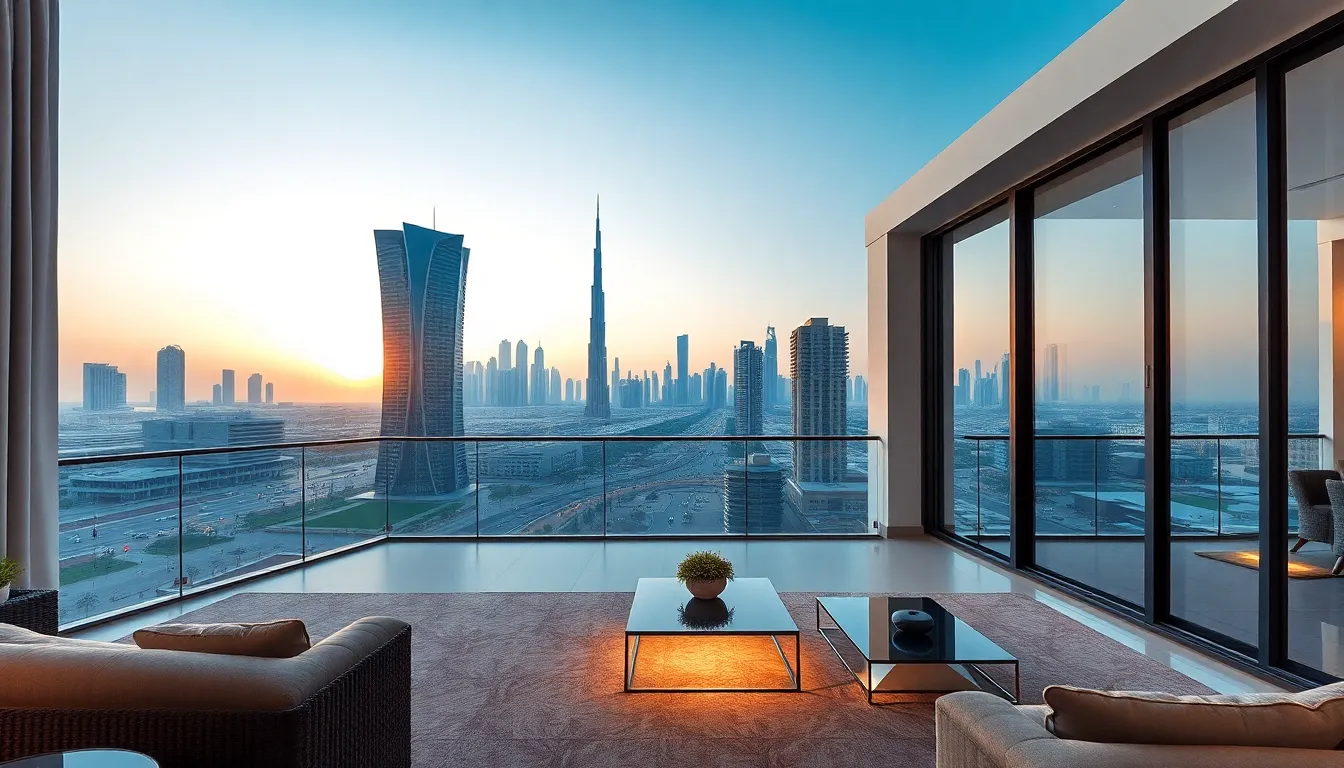
Long Term vs Short Term Rental Dubai: Which Is Better in 2026?
Look, every investor asks this question eventually. Should you lock in a tenant for a year or chase higher returns with nightly bookings? I have seen both strategies work brilliantly in Dubai, but 2026 brings some unique factors into play. What makes this conversation particularly interesting right now is how Dubai stacks up against other global investment hubs. While London grapples with regulatory changes and Singapore faces cooling measures, Dubai's market structure creates distinct advantages for both rental models. Let's break it down without the fluff.
What Is the Core Difference Between Long Term and Short Term Rentals?
At its simplest, long term means a lease of one year or more. Short term covers anything from a single night to a few months. But the real difference goes deeper than duration. It is about your role as an owner. Are you a landlord or a hospitality provider? Honestly, I think most first-time buyers overlook this fundamental shift in responsibility.
How Do Long Term Rentals Work in Dubai?
You sign a standard RERA tenancy contract. The tenant pays monthly, usually via post-dated cheques. Your main jobs are maintenance and ensuring compliance with DLD registration. Returns are predictable. In prime areas like Dubai Marina or Downtown, expect 5-7% gross yields in 2026. That is solid, especially when you consider the stability. No constant turnover, no marketing costs every week. But does that actually hold up when you look at the data from other cities? In Hong Kong, similar yields might be 2-3%. So Dubai offers a premium.
How Do Short Term Rentals Operate?
Here, you are essentially running a small hotel. You need a permit from the Department of Tourism and Commerce Marketing. Platforms like Airbnb and Booking.com handle bookings, but you manage cleaning, guest communication, and dynamic pricing. Yields can spike to 8-12% in tourist hotspots like Palm Jumeirah. The trade-off is volatility. A quiet month can hurt your annual average. Compared to short term markets in New York or Paris, Dubai's regulations are more straightforward, with clearer licensing paths. That is a significant advantage.
Which Strategy Delivers Better Financial Returns in 2026?
Numbers tell the story. Let's use a 2-bedroom apartment in Jumeirah Village Circle as a case study. Purchase price around AED 1.2 million in early 2026. Long term rent might fetch AED 70,000 annually. That is a 5.8% yield. Short term could generate AED 110,000, but after management fees (20-30%), utilities, and licensing, net might be AED 85,000. A 7.1% net yield. The gap narrows when you factor in effort. Short term requires active management or a property manager costing 20-25% of revenue.
What Are the Hidden Costs for Each Model?
Long term has fewer surprises. Maybe annual maintenance at 1% of property value. Short term includes cleaning after every guest, linen replacement, and higher utility bills. In 2026, Dubai's tourism tax adds 10% to nightly rates, which guests pay, but it affects competitiveness. Compared to Tokyo, where short term regulations tightened recently, Dubai remains relatively open. Still, those costs eat into profits. My opinion? Many investors underestimate the time commitment for short term success.
How Does Vacancy Risk Compare?
Long term leases have near-zero vacancy if priced right. The Dubai rental market shows 95% occupancy in stabilized communities. Short term faces seasonal dips. Summer months see lower tourist numbers. You might have 70% occupancy annually. In global hubs like Miami, seasonality is similar, but Dubai's year-round events calendar helps smooth demand. The Expo 2020 legacy continues to drive visitor numbers, with 2026 projections showing 18 million tourists. That supports short term viability.
| Factor | Long Term Rental | Short Term Rental | Dubai vs Global Average |
|---|---|---|---|
| Typical Yield (2026) | 5-7% | 8-12% gross | Higher than London (3-5%) |
| Management Effort | Low | High | Similar to Barcelona, easier than NYC |
| Regulatory Hurdles | RERA contract only | DTCM permit required | More streamlined than Paris |
| Cash Flow Stability | High | Medium | Better than seasonal Mediterranean markets |
How Do Legal and Regulatory Frameworks Differ?
Dubai has clear rules for both, but they are not the same. Long term falls under RERA regulations. Short term requires a DTCM holiday home license. The process is manageable, but it adds a layer. In 2026, expect stricter enforcement of licensing to protect quality standards. Compared to global hubs, Dubai is middle-of-the-road. More flexible than Japan's minpaku laws, but with more oversight than some Balkan markets. The key is compliance to avoid fines.
What Are the Tax Implications?
Dubai has no property tax or income tax on rental earnings. This is a massive advantage over hubs like Toronto or Sydney. However, short term rentals incur tourism fees. For long term, the only direct cost is the DLD registration fee, typically 4% of annual rent split between tenant and landlord. So net yields are higher here than almost anywhere. But remember, global tax treaties might affect your home country liabilities. Always consult a specialist.
How Does the Golden Visa Factor In?
This is a game-changer for long term investors. Properties valued over AED 2 million qualify for a 10-year Golden Visa if held for investment. Short term rentals might qualify too, but the emphasis is on ownership, not usage. Compared to Portugal's golden visa program, which closed in 2023, Dubai's remains robust. It adds a non-financial benefit that can tip the scale for some buyers. Want to explore available listings that meet the threshold? We can help.
Which Locations in Dubai Suit Each Strategy Best?
Location dictates success. For long term, focus on family-oriented communities with schools and metro access. Think Arabian Ranches, Dubai Hills Estate, or Jumeirah Park. Yields might be lower at 5-6%, but capital appreciation is strong. For short term, tourist magnets win. Downtown Dubai, Dubai Marina, and Palm Jumeirah command premium nightly rates. In 2026, new areas like Dubai Creek Harbour are emerging as hybrids. They offer both stability and tourist appeal.
What Are the ROI Calculations for Different Areas?
Let's get specific. A villa in Arabian Ranches costing AED 3.5 million might rent long term for AED 200,000 annually. That is a 5.7% yield. The same investment in a Downtown apartment at AED 2.5 million could earn AED 180,000 short term (net after costs). That is 7.2%. But the villa likely appreciates 4-5% annually, while the apartment might see 3-4%. Total return over five years could be similar. It is about your preference for income versus growth.
How Does Infrastructure Impact Choice?
Long term tenants value convenience. Proximity to metro stations matters. Short term guests want attractions. Views of the Burj Khalifa or beach access justify higher rates. Dubai's continuous infrastructure development, like the expansion of the Metro Red Line, benefits both. Compared to cities with aging infrastructure, Dubai's modern amenities support higher rental premiums across the board.
What Are the Risks and Mitigations for Each Approach?
No investment is risk-free. Long term risks include tenant default or property damage. RERA offers dispute resolution, and security deposits cover minor issues. Short term risks involve regulatory changes, negative reviews, or market saturation. In 2026, Dubai's supply of hotel apartments is increasing, which could pressure short term rates. Mitigation? Diversify. Some owners mix both, renting long term with a clause for short term usage during peak seasons.
How Does Market Volatility Affect Each Model?
Long term rentals are resilient during economic dips. People always need housing. Short term is more sensitive. The 2020 pandemic showed that. But Dubai's recovery was swift. Compared to other global hubs, Dubai's government support during crises has been proactive. The 2026 outlook is stable, with GDP growth projected at 3.5%, supporting both rental types. Still, short term is the higher beta play.
What Are the Exit Strategy Considerations?
Selling a property with a long term tenant in place can be easier. It shows income stability. A short term rental might appeal to investors seeking yield, but it requires explaining the business model. In either case, Dubai's freehold zones ensure smooth transactions. Capital gains are tax-free, unlike in many European markets. This enhances liquidity. For more insights on market trends, read more insights from our team.
Is short term rental legal in Dubai?
Yes, but you need a DTCM holiday home license. The process takes 2-4 weeks and costs around AED 2,000 annually. Operating without a license can result in fines up to AED 50,000.
How much can I earn from a Dubai apartment in 2026?
For a AED 1.5 million apartment, long term might earn AED 85,000 yearly (5.7% yield). Short term could net AED 120,000 (8% yield) after costs. Location dramatically affects these numbers.
What are the best areas for long term rental income?
Jumeirah Village Circle, Dubai Silicon Oasis, and Dubai Sports City offer yields of 6-7% in 2026. These communities have high demand from working professionals and families.
Do I need a property manager for short term rentals?
Not required, but recommended. Management fees are 20-25% of revenue. They handle guest communication, cleaning, and maintenance, which is crucial for maintaining high ratings.
Can I switch from long term to short term later?
Yes, but check your mortgage terms and owners association rules. Some buildings restrict short term rentals. You will also need to obtain the DTCM license and possibly refurbish the unit.
How does Dubai compare to London for rental investment?
Dubai offers higher yields (5-12% vs 3-5% in London) and no property taxes. London has stronger long term currency stability, but Dubai's growth trajectory is steeper in 2026.
What is the minimum investment for a rental property in Dubai?
You can find studios in emerging areas for AED 500,000. A realistic budget for a cash-flow positive property is AED 800,000 to AED 1.2 million in 2026.
So, where does this leave you? If you seek stability and passive income, long term rentals in Dubai are a robust choice, especially compared to the lower yields in other global hubs. If you are hands-on and want to maximize returns, short term offers higher potential, leveraging Dubai's tourism growth. The data shows both can work, but your personal involvement is the deciding factor. For a tailored strategy, consider your time, risk appetite, and long term goals. And remember, Dubai's unique position as a tax-free, high-growth market makes it stand out globally. Ready to make a move? speak with our advisors at Siddhi Enterprises (Real Estate) for a personalized analysis based on the latest 2026 projections.
By the Siddhi Enterprises (Real Estate) Research Team | Over 10 years of Dubai property market expertise across residential, commercial, and off-plan investments | 2026
Siddhi Team
Dubai Real Estate Experts helping Indian investors find their perfect property in UAE.