
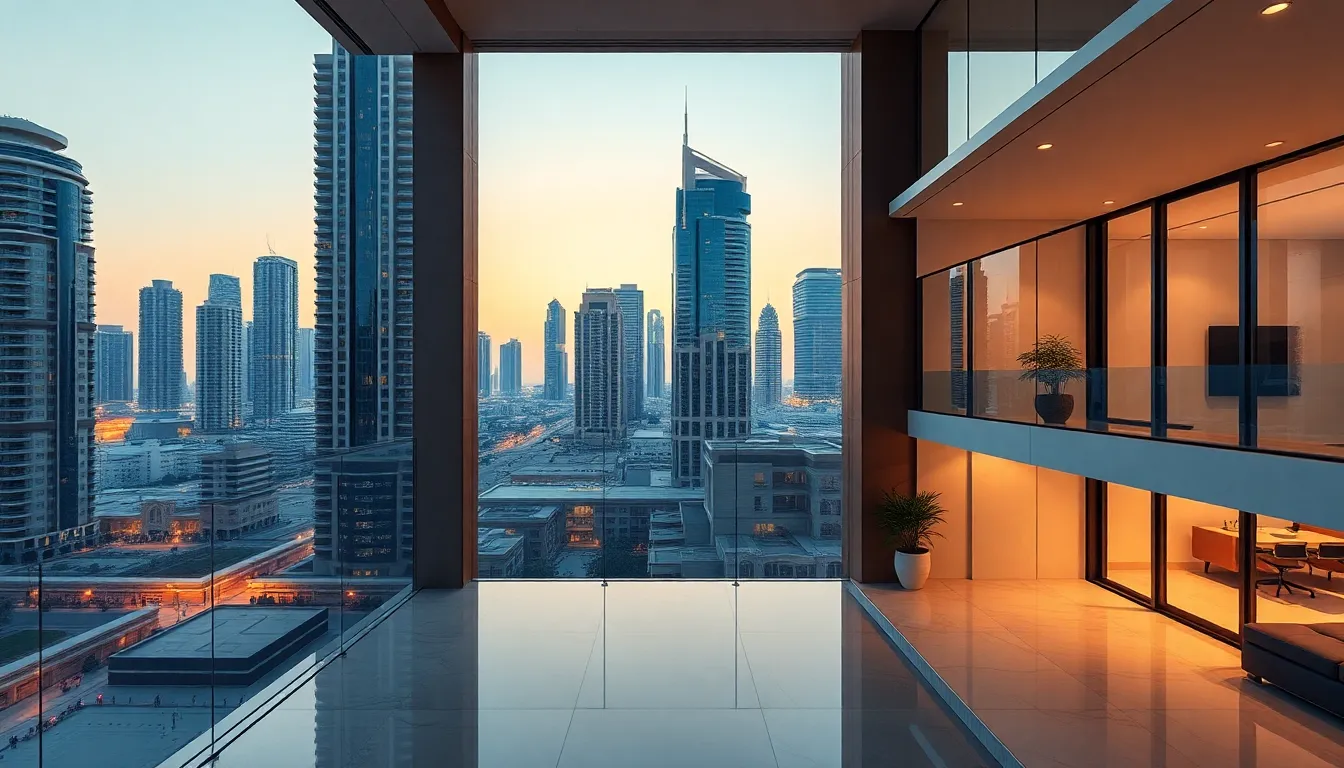
Is Saudi Buying Property in Dubai Worth the Risk in 2026?
More and more Saudi investors are turning to Dubai's property market. The reasons are obvious: proximity, tax-free income, and a lifestyle that feels familiar. But here is the thing — the off-plan sector, which many Saudis target for its lower entry prices and capital appreciation potential, is not without pitfalls. In 2026, with new regulations and shifting demand, understanding the risk-reward balance is critical. So, let's cut through the noise.
Why Are Saudi Investors Drawn to Dubai Off-Plan Property?
What Makes Dubai Attractive for Saudi Capital in 2026?
Saudi investors are not new to Dubai real estate. But the trend is accelerating. According to the Dubai Land Department (DLD), Saudi nationals ranked among the top five foreign buyers in 2025, and early 2026 data shows a 40% increase in registrations. Why? First, the UAE's Golden Visa program offers 10-year residency for property investors buying AED 2 million or more. Second, the Saudi Vision 2030 encourages outward investment, and Dubai is the natural first stop. Third, off-plan prices in areas like Dubai South and Dubai Creek Harbour start from AED 800,000, making them accessible for first-time buyers and seasoned investors alike.
How Do Off-Plans Compare to Ready Properties for Saudi Buyers?
Here is the real question: should you buy off-plan or ready? Off-plan gives you lower initial outlay and higher potential appreciation. But you wait. Ready properties offer immediate rental income and less uncertainty. In 2026, with many new projects launching, off-plan often comes with payment plans extending to 60% post-handover. That sounds great, but you are betting on the developer and the market. Ready properties in established communities like Arabian Ranches or JLT may yield 6-8% net rental returns, while off-plan in emerging areas can promise 10-15% upon completion. The trade-off is risk.
What Are the Risks of Off-Plan Property for Saudi Investors?
How Do Delayed Handovers Affect Your Investment?
Delays are the number one risk in off-plan. In 2025, nearly 20% of off-plan projects experienced delays of 6-12 months, according to industry reports. For a Saudi buyer relying on a specific timeline — maybe for residency or business planning — this can be a headache. You are paying service charges and maybe rent elsewhere while waiting. And if the developer goes under? You are protected by the RERA escrow account, but recovery can take months. So, always check the developer's track record. Established names like Emaar, Nakheel, and Damac have fewer delays.
What About Market Volatility and Capital Depreciation?
Dubai's property market has cycles. In 2020, prices dipped 10-15%. By 2023, they recovered. In 2026, analysts predict moderate growth of 5-8% for completed properties, but off-plan premiums can be volatile. If you buy at peak hype and the market cools, your property's value at handover might be lower than your purchase price. This is where the reward calculation gets tricky. You need to buy in areas with genuine demand — think proximity to Expo City, new metro lines, or master-planned communities with amenities. Otherwise, you are gambling.
What Rewards Can Saudi Buyers Expect from Off-Plan in 2026?
How High Are the Potential ROI Figures?
Let's talk numbers. A off-plan studio in Dubai South bought at AED 550,000 in 2023 was valued at AED 750,000 in 2026 — a 36% gain. Rental yields in the same area now hover around 9%. For a Saudi investor paying with a 50% down payment and the rest on handover, the internal rate of return (IRR) can exceed 15%. Compare that to Saudi bank deposits at 5% or local real estate at 6-7%. The reward is real. But it comes with effort: you need to pick the right project, developer, and timing.
Can You Get a Residency Visa Through Off-Plan Investment?
Yes, you can. The UAE's property visa requires a fully paid property worth at least AED 750,000. However, for off-plan, you need to have paid the full amount or have the property registered in your name after handover. Many Saudi buyers use the 2-year renewable visa option, which is easier to obtain with a completed property. For the Golden Visa (10 years), you need AED 2 million — off-plan works if the property is valued at that amount upon handover. Some developers even offer payment plans that align with visa processing.
How Do You Choose the Right Off-Plan Project as a Saudi Buyer?
What Factors Should You Check Before Buying?
First, the developer's reputation. Check their RERA registration and past project delivery rates. Second, the location — is it near schools, hospitals, and transport? Third, the payment plan. Some developers offer 1% per month, which is great for cash flow. Fourth, the exit strategy. Can you resell before handover? Many off-plan buyers do assignment sales. But note: some developers charge transfer fees. Fifth, the contract. Have a local lawyer review it. It is worth the AED 3,000-5,000 fee.
Which Areas Are Best for Saudis in 2026?
Dubai South (near Al Maktoum International Airport) is booming. Average off-plan prices: AED 1,200 per sq ft. Dubai Creek Harbour offers waterfront living with high appreciation potential — prices have risen 20% in two years. For luxury seekers, Palm Jebel Ali (phase 2) and Dubai Islands promise exclusivity. But the safest bets are in established freehold zones like JVC, Sports City, and Damac Hills 2. These have consistent demand and rental occupancy above 85%.
Comparison of Off-Plan vs Ready Property for Saudi Investors
| Feature | Off-Plan | Ready |
|---|---|---|
| Entry Price | AED 550,000+ | AED 800,000+ |
| Potential Appreciation | 10-30% pre-handover | 5-10% per year |
| Rental Income | None until handover | Immediate, 6-9% yield |
| Risk Level | Higher — delays, volatility | Lower — seen and tested |
| Visa Eligibility | Only after full payment | Immediate |
| Best For | Long-term capital growth | Cash flow and residency |
This table sums it up. Off-plan is a growth play. Ready is a cash flow play. Your choice depends on your goals. But many Saudi investors do both — buy one off-plan for appreciation and one ready for rental income.
Frequently Asked Questions
Can Saudi nationals buy property in Dubai?
Yes, Saudi nationals can buy freehold property in designated areas across Dubai. No restrictions on nationality. They enjoy the same rights as other foreign investors.
What is the minimum property price for a Saudi to get a UAE visa?
For a 2-year renewable residence visa, the property must be worth at least AED 750,000 and fully paid. For the 10-year Golden Visa, you need AED 2 million, and off-plan properties qualify if valued accordingly.
How do I verify a developer's reputation in Dubai?
Check the Real Estate Regulatory Authority (RERA) website for developer registration and project status. Also, look at past project handover timelines and customer reviews. Established developers like Emaar, Damac, and Nakheel are generally safe.
What are the taxes on Dubai property for Saudi investors?
There is no property tax or capital gains tax in Dubai. You pay a one-time registration fee of 4% of the property value to the DLD. Annual service charges apply, typically AED 10-15 per sq ft.
Can I sell my off-plan property before handover?
Yes, through an assignment sale. You need the developer's consent and pay a transfer fee (usually 2-4% of the sale price). Many investors do this to lock in profits.
Is it better to buy off-plan or ready property in 2026?
It depends on your risk appetite. Off-plan offers higher potential returns but carries delay and market risks. Ready property provides immediate rental income and lower uncertainty. Assess your timeline and financial goals.
How do I calculate ROI on an off-plan investment?
ROI = (Capital appreciation + Rental income - Costs) / Investment amount. For off-plan, consider the purchase price, registration fees, service charges until handover, and any assignment fees if you sell early. Use a conservative 8% rental yield for projections.
Final Verdict: Is Off-Plan Worth It for Saudi Buyers in 2026?
Here is my personal take: off-plan Dubai property is a powerful wealth-building tool for Saudi investors who do their homework. The potential returns are real — I have seen clients double their money in 3-4 years. But it is not passive. You need to monitor the market, choose developers wisely, and have a plan B for delays. If you want a set-and-forget investment, buy ready. If you are willing to take calculated risks for higher upside, off-plan is your path. In 2026, with Dubai's continued growth — new infrastructure, Expo City legacy, and a booming tourism sector — the odds favor the informed investor. So, start with due diligence. And if you need guidance, speak with our advisors at Siddhi Enterprises (Real Estate). We have been in the market for over a decade, helping Saudi clients navigate off-plan and ready property investments. Explore available listings or read more insights on our blog. Your next profitable move starts with the right information.
By the Siddhi Enterprises (Real Estate) Research Team | Over 10 years of Dubai property market expertise across residential, commercial, and off-plan investments | 2026
Siddhi Team
Dubai Real Estate Experts helping Indian investors find their perfect property in UAE.