
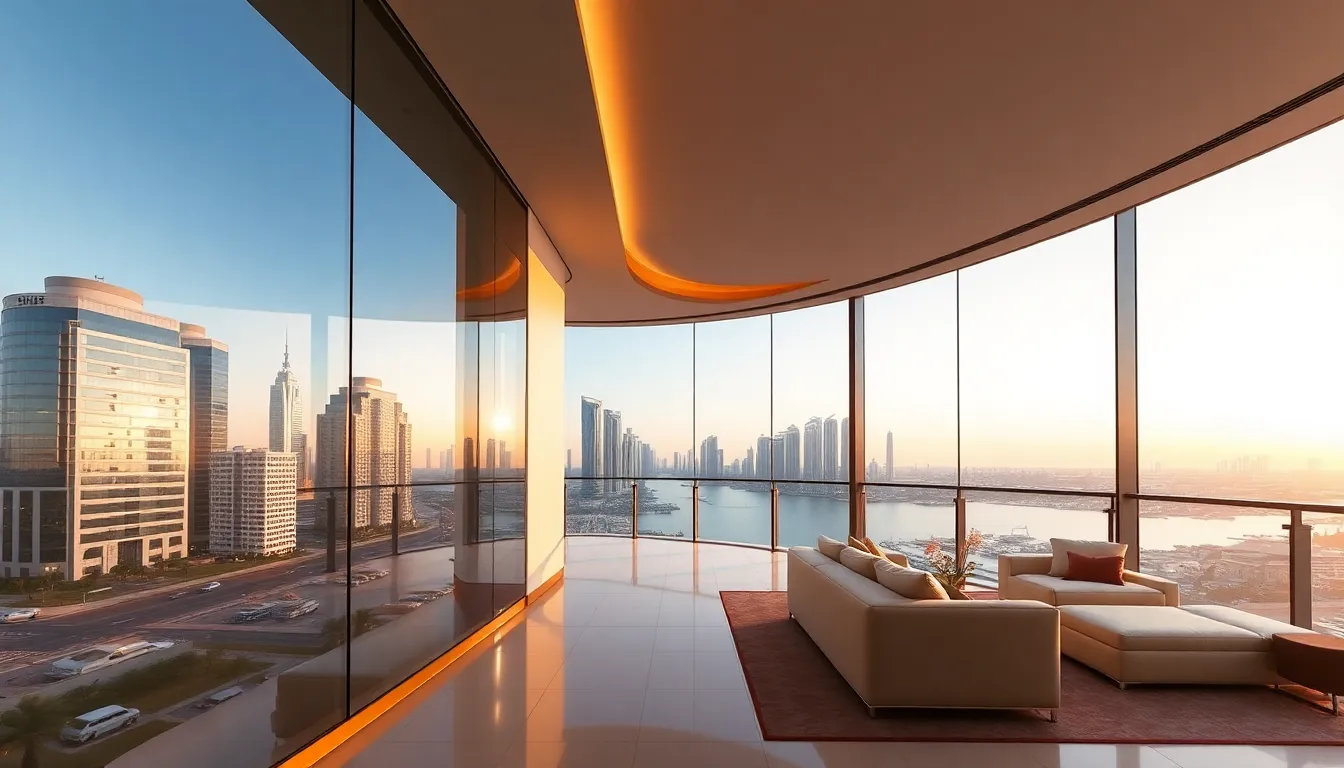
Is Retail Space in Dubai Marina Worth It in 2026?
Dubai Marina has transformed from a residential enclave into a bustling lifestyle destination. By 2026, it boasts over 150,000 residents and attracts millions of tourists annually. The retail sector here is not just about selling products—it’s about creating experiences. With more than 1,000 retail units spread across The Walk, Marina Mall, and ground-floor spaces in residential towers, the area offers diverse opportunities. But is opening a store here still a smart move? Let’s dive into the data, trends, and insider tips to help you decide.
What Are the Key Trends Shaping Dubai Marina Retail in 2026?
Dubai Marina’s retail landscape is evolving rapidly. Three major trends define the 2026 market: experience-driven retail, omnichannel integration, and sustainability.
First, consumers crave experiences. Stores offering workshops, tastings, or live entertainment outperform traditional shops. For example, a cooking studio on The Walk saw a 30% increase in footfall after introducing weekend classes.
Second, omnichannel is non-negotiable. Shoppers research online and buy in-store or vice versa. Retailers with click-and-collect services report 20% higher customer retention. According to a 2025 Dubai Chamber report, 78% of Marina retailers now use social media to drive foot traffic.
Finally, sustainability sells. Eco-friendly stores attract premium customers. A zero-waste grocery in Marina Promenade achieved a 40% repeat customer rate within six months. Green certifications for buildings also boost rental desirability.
How Much Does Retail Space Cost in Dubai Marina in 2026?
Rental rates vary significantly by location and size. Here’s a snapshot of average annual rents as of Q1 2026:
| Location | Size (sq. ft.) | Annual Rent (AED) | Service Charges (AED/sq. ft.) |
|---|---|---|---|
| The Walk (prime frontage) | 1,000 | 450,000–600,000 | 25–35 |
| Marina Mall (high footfall) | 500 | 300,000–400,000 | 30–40 |
| Ground floor in residential tower | 800 | 200,000–300,000 | 20–30 |
| Pier 7 area (dining focus) | 1,500 | 500,000–750,000 | 28–38 |
These rates are 10–15% higher than 2023, reflecting strong demand. Fit-out costs add AED 500–1,500 per sq. ft., depending on branding and fixtures. Expect total setup costs of AED 500,000–1,500,000 for a 1,000 sq. ft. unit.
To maximize ROI, consider co-tenancy with complementary businesses. A café next to a bookstore, for instance, can share traffic and reduce marketing spend.
Which Locations in Dubai Marina Offer the Best Retail Potential?
Location is everything in retail. The Marina’s prime spots include The Walk, Marina Mall, and newer developments like Dubai Harbour.
The Walk remains the crown jewel. It sees 2 million visitors per month, with peak hours from 4 PM to midnight. Rent is premium, but so is visibility. Ideal for fashion, F&B, and concept stores.
Marina Mall offers controlled environment and high dwell time. Anchor tenants like Carrefour drive consistent footfall. Best for electronics, health, and beauty.
Dubai Harbour is the up-and-coming zone. With residential towers filling up, retail spaces here are 15% cheaper than The Walk but growing fast. Early movers benefit from lower rents and rising property values.
Ground floor spaces in towers near Marina Metro Station are budget-friendly. They cater to daily needs like groceries, pharmacies, and laundromats. Footfall is local but loyal.
To explore available listings in these prime locations, check our curated portfolio.
What Are the Legal Requirements for Opening a Retail Store in Dubai Marina?
Setting up retail in Dubai Marina involves several steps. First, you need a commercial license from Dubai Economy and Tourism (DET). This costs AED 10,000–15,000 annually.
Second, lease registration with Ejari is mandatory. The process takes 1–2 weeks and costs around AED 220. Ensure your tenancy contract includes a commercial use clause.
Third, obtain approvals from Dubai Municipality for signage and fit-out. Signage permits cost AED 500–2,000. Fire safety compliance is critical; install sprinklers and emergency exits as per Civil Defense rules.
Fourth, register for VAT if your annual turnover exceeds AED 375,000. Most retail businesses will cross this threshold.
Finally, consider a local partner if you’re a foreign investor. While 100% ownership is allowed in many sectors, a local service agent may still be required for certain activities. Consult a legal advisor to navigate these nuances.
How Does E-commerce Competition Affect Retail Space in Dubai Marina?
E-commerce is not a threat but a complement. In 2026, 45% of Marina shoppers use online platforms for research before visiting a store. Successful retailers use their physical space as showrooms and fulfillment hubs.
For example, a fashion boutique on The Walk offers same-day delivery within the Marina. This hybrid model increased sales by 25% in 2025. Another strategy is to host exclusive in-store events that can’t be replicated online.
However, pure-play e-commerce retailers are also leasing small spaces for pickup points. This trend reduces the need for large inventory spaces but increases demand for high-traffic micro-units of 200–400 sq. ft.
To stay ahead, invest in a robust POS system that integrates with your website. Offer loyalty programs that reward both online and offline purchases. The key is to blur the lines between digital and physical.
What Is the Average ROI for Retail Space in Dubai Marina in 2026?
Retail property in Dubai Marina delivers an average net rental yield of 7–9%. Compare this to 5–6% for residential units. Capital appreciation has been 8–12% annually over the last three years.
Operating expenses typically eat 30–40% of gross revenue. This includes rent, service charges, utilities, staff salaries, and marketing. Successful tenants achieve net profit margins of 15–25%.
For example, a 1,000 sq. ft. café with AED 50,000 monthly revenue can net AED 10,000–15,000 after costs. Break-even usually occurs within 18–24 months.
To maximize ROI, negotiate a rent-free period (3–6 months) during fit-out. Also, opt for longer leases (5–7 years) with fixed annual escalation of 5–8% to protect against market spikes.
What Types of Retail Businesses Thrive in Dubai Marina?
High-footfall areas favor F&B, specialty retail, and services. Cafés, ice cream parlors, and quick-service restaurants dominate The Walk. Average spend per visit is AED 50–120.
Fashion boutiques targeting millennials do well, especially athleisure and modest wear. Average basket size is AED 200–400.
Health and wellness—gyms, yoga studios, and spas—are booming. A 3,000 sq. ft. gym can generate AED 200,000 monthly in memberships.
Services like salons, tailor shops, and electronics repair serve the local population. These have lower margins but steady demand.
Unique concepts like VR gaming lounges, pet cafes, and art galleries also find niche success. The key is to offer something different from the mall anchors.
FAQs About Retail Space in Dubai Marina
1. Can I buy retail space in Dubai Marina as a foreigner?
Yes, foreigners can buy retail property in designated freehold areas like Dubai Marina. You can own the space outright, with no restrictions on resale or lease.
2. What is the typical lease duration for retail spaces?
Most landlords offer 5-year leases, with options to renew. Shorter terms (1–3 years) are possible but come with higher rent per square foot.
3. Are there any restrictions on the type of business?
Yes. Dubai Municipality regulates businesses in residential areas. No noisy activities, and certain trades (e.g., heavy machinery) are banned. Always check zoning with your broker.
4. How do service charges affect my profitability?
Service charges cover common area maintenance, security, and utilities. They range from AED 20–40 per sq. ft. annually. Factor this into your budget—it can add 10–15% to your occupancy cost.
5. Is footfall consistent throughout the year?
Peak seasons are November to April (tourist season) and during events like Dubai Shopping Festival (December–January). Summer sees a dip of 20–30%, but air-conditioned malls maintain decent traffic.
6. What is the best way to find available retail spaces?
Work with a specialized commercial property agent. Online portals like Bayut and Dubizzle list spaces, but the best deals are often off-market. Speak with our advisors for exclusive listings.
7. Can I sublease my retail space?
Subleasing requires landlord approval. Most contracts allow it, but you remain liable for rent. Subleasing can be a strategy to reduce risk if your business model allows.
For a deeper dive into market trends and forecasts, read more insights on our blog.
By the Siddhi Enterprises (Real Estate) Research Team | Over 10 years of Dubai property market expertise
Siddhi Team
Dubai Real Estate Experts helping Indian investors find their perfect property in UAE.