
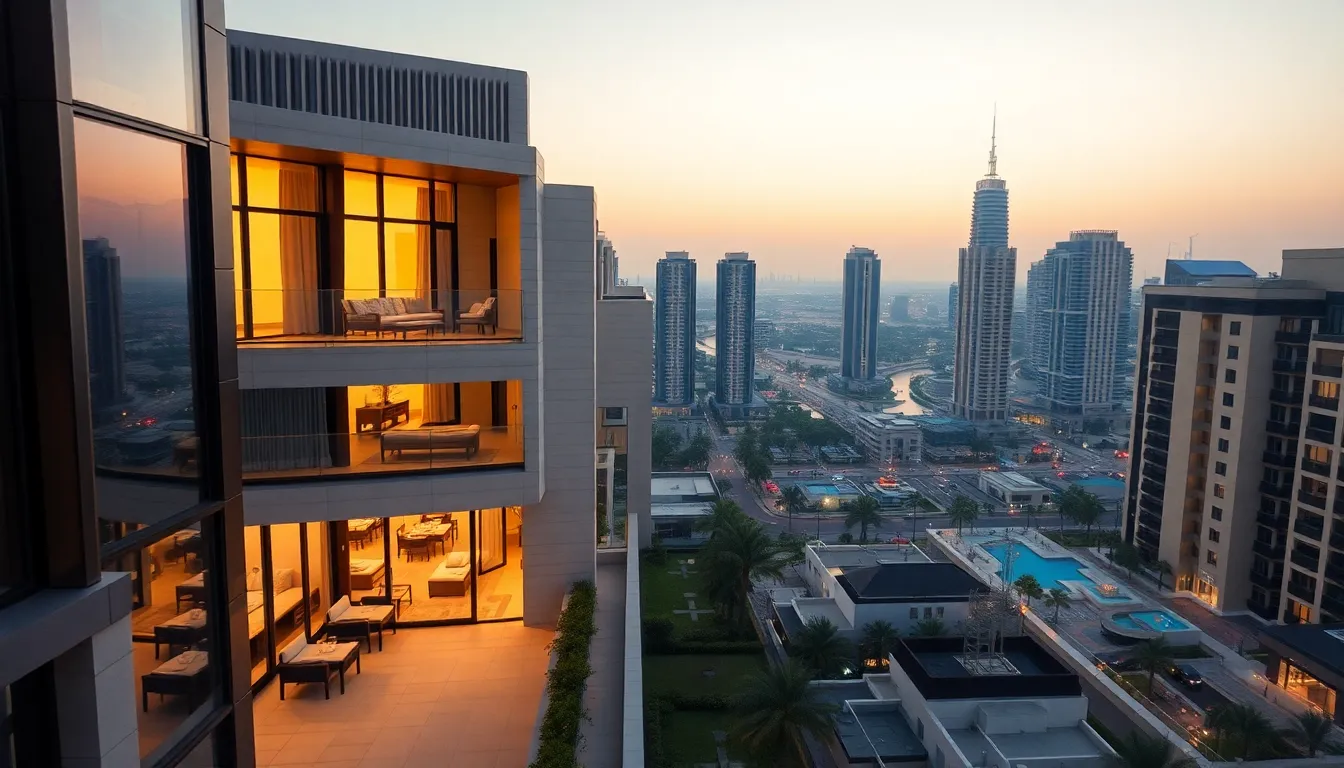
Is Renting in Dubai South Cheaper for NRIs in 2026?
If you are an NRI searching for affordable housing in Dubai, Dubai South is a name that keeps popping up. It is close to Expo City, Al Maktoum International Airport, and offers lower rents compared to Marina or Downtown. But here is the thing: the cost isn't just the monthly cheque. Remittance fees, tax treaties, and ROI calculations matter just as much. So, should you sign that lease? Let's break it down through the lens of an NRI in 2026.
Why Do NRIs Choose Dubai South for Rentals?
What Makes Dubai South Different from Other Areas?
Dubai South is a master-planned city around the new airport and Expo 2020 legacy site. It is a designated freehold zone, meaning foreigners can own property outright. That is a big deal for NRIs who want to buy later. But even as a rental market, it offers something rare: affordability without sacrificing future growth. According to DLD transaction data, average rents here are 30–40% lower than in Dubai Marina. For a two-bedroom, you might pay AED 65,000 annually versus AED 100,000+ in more central areas.
How Does Remittance Affect Your Net Rent?
Now, this is where it gets interesting. Every time you send money from India or Pakistan, there are charges. In 2026, the average fee for remitting AED 50,000 is around 1–3%, depending on the service. Plus, exchange rate fluctuations can eat into your budget. If the rupee weakens by 5%, your rent effectively rises by that much. Some NRIs use hedging or multi-currency accounts to lock rates. But it is an extra layer of complexity most tenants don't consider.
What Are the Tax Implications for NRIs Renting in Dubai South?
Is Rental Income Taxable in India for NRIs?
Yes, if you sublet or earn rental income from a property you own, India may tax it under the Income Tax Act. However, UAE has no property tax, and under the Double Taxation Avoidance Agreement (DTAA), you can claim credit for taxes paid in India. But here is the kicker: if you are just a tenant paying rent, there is no tax on that in India. The headache comes when you remit large sums—banks may ask for source of funds. Keep your tenancy contract and rent receipts handy.
What About UAE Property Tax for Tenants?
Dubai has no annual property tax for owners or tenants. But there is a one-time DLD registration fee of 2% of the annual rent when you sign the contract. So on a AED 50,000 lease, you pay AED 1,000 upfront. That is it. No hidden taxes. Compare that to India where TDS on rent above ₹2.4 lakh applies—Dubai is simpler for NRIs.
How Do Rental Yields in Dubai South Compare to Other Areas?
What Is the Average ROI for a Rental Apartment in Dubai South?
ROI for investors is around 7–8% gross. If you buy a one-bedroom for AED 700,000 and rent it for AED 50,000, that is 7.1%. But for tenants, ROI is your savings vs buying. With mortgage rates around 5% in 2026, renting often makes more sense if you plan to stay less than five years. Plus, you avoid DLD transfer fees (4% of purchase price) and agency commissions. In Dubai South, a tenant might save AED 20,000 per year compared to owning.
Should You Buy Instead of Rent in Dubai South?
Look, if you plan to stay long-term and want to build equity, buying could be smart. But for NRIs who may relocate, renting gives flexibility. And with the new Golden Visa rules—anyone buying property worth AED 2 million qualifies—Dubai South has affordable options. A AED 2 million villa here gets you the visa. But for most NRIs, starting with a rent apartment Dubai South Dubai is the safer bet.
What Are the Best Areas in Dubai South for NRIs?
Which Communities Offer the Best Value in 2026?
Dubai South has several residential clusters: The Residential City, The Golf District, and Expo Valley. The Residential City has studios starting at AED 30,000 per year. The Golf District is slightly pricier but greener. For families, the villa compounds near the airport offer 3-bedrooms for AED 120,000. All are within freehold zones, so no restrictions for foreigners. And because the area is still developing, rents are likely to rise as infrastructure completes.
How Do Remittance Costs Vary by Community?
It does not matter which community—the remittance cost is the same. But the rent amount determines the fee. For a AED 35,000 studio, the remittance fee might be AED 350. For a AED 80,000 two-bedroom, it could be AED 800. Some NRIs prefer paying via credit card to avoid fees, but then interest applies. The trick is to negotiate a monthly payment plan with the landlord to reduce the lump sum transfer.
What Are the Legal Requirements for NRIs Renting in Dubai?
Do You Need a UAE Visa to Rent?
Technically, no. But practically, yes. Landlords require a valid residence visa or visit visa with a minimum of three months validity. If you are on a tourist visa, some landlords might accept a higher security deposit. The tenancy contract is registered with Ejari, which requires your Emirates ID or passport copy. For NRIs without UAE residency, the process is trickier, but possible with a local sponsor.
What Documents Do You Need as an NRI?
You will need: passport copy, visa copy, Emirates ID (if available), and proof of income (bank statements or salary certificate). Some landlords ask for a security deposit of 5% of annual rent (unfurnished) or 10% (furnished). In Dubai South, many landlords accept post-dated cheques or direct debit. But if you are remitting from abroad, you might need to provide source of funds to your bank to prevent holds.
Comparison: Renting in Dubai South vs Other Dubai Areas for NRIs
| Factor | Dubai South | Dubai Marina | Downtown |
|---|---|---|---|
| Avg 1-bed rent (2026) | AED 45,000–55,000 | AED 75,000–90,000 | AED 85,000–110,000 |
| DLD registration fee | AED 900–1,100 | AED 1,500–1,800 | AED 1,700–2,200 |
| Remittance cost (2% fee) | AED 900–1,100 | AED 1,500–1,800 | AED 1,700–2,200 |
| Property visa eligibility | Yes (if buy AED 1M+) | Yes (if buy AED 1M+) | Yes (if buy AED 1M+) |
| Golden Visa (AED 2M) | Possible with villa | Possible with premium | Possible with premium |
Frequently Asked Questions About Renting in Dubai South for NRIs
Can an NRI rent an apartment in Dubai South without a UAE visa?
Yes, but it is difficult. Landlords usually require a valid visa with at least three months validity. If you are on a tourist visa, some may accept a higher deposit. Ejari registration requires an Emirates ID or passport, so you might need a local sponsor to complete the tenancy contract.
How does the remittance tax work when I transfer rent from India?
India does not tax remittances for rent. However, if you remit more than ₹7 lakh in a financial year, you may need to provide PAN details and a Form 15CA/CB. The UAE does not tax the incoming funds. So, the only cost is the transfer fee and forex markup.
Is Dubai South considered a freehold zone for foreign investors?
Yes, Dubai South is designated as a freehold zone. Foreigners of any nationality can buy property in designated areas. This also means you are eligible for a property visa if you purchase a home worth at least AED 1 million.
What is the typical ROI for a rental apartment in Dubai South in 2026?
Gross rental yields average 7–8%. For example, a AED 700,000 one-bedroom rents for AED 50,000 per year. Net yields after service charges and management fees are around 5.5–6.5%. This is higher than many other Dubai areas.
Are there any hidden costs when renting in Dubai South?
Yes, the main hidden cost is the DLD registration fee (2% of annual rent). Also, agency commission is typically 5% of annual rent. Some landlords require a security deposit of 5–10% of annual rent. And if you pay by cheque, there may be cheque bouncing charges.
Can I negotiate the rent in Dubai South?
Absolutely. The market is competitive. In 2026, many landlords are offering 1–2 months free or reduced deposits. If you pay annually upfront, you can often negotiate a 5–10% discount. Always ask about the betterment fee and service charges.
How do I calculate the total cost of renting as an NRI?
Add the annual rent, DLD fee (2%), agency fee (5%), security deposit (5–10%), and remittance cost (1–3%). For a AED 50,000 rent, total upfront cost is around AED 56,000–58,000. Over the year, include monthly remittance fees.
Final Verdict: Should NRIs Rent in Dubai South in 2026?
Here is my personal take: if you are an NRI looking for a balance between cost and future growth, Dubai South is a strong choice. The rents are low, the area is growing, and the freehold rules give you options to buy later. But don't ignore the remittance and tax angles. A small change in exchange rate can wipe out your savings. Use multi-currency accounts, negotiate annual payments, and always check DTAA benefits. And if you decide to buy, the Golden Visa pathway is real.
Ready to find your perfect rental? Explore available listings in Dubai South and compare prices. For more tips on NRI investments, read more insights. Have questions? Speak with our advisors at Siddhi Enterprises (Real Estate).
By the Siddhi Enterprises (Real Estate) Research Team | Over 10 years of Dubai property market expertise across residential, commercial, and off-plan investments | 2026
Siddhi Team
Dubai Real Estate Experts helping Indian investors find their perfect property in UAE.