
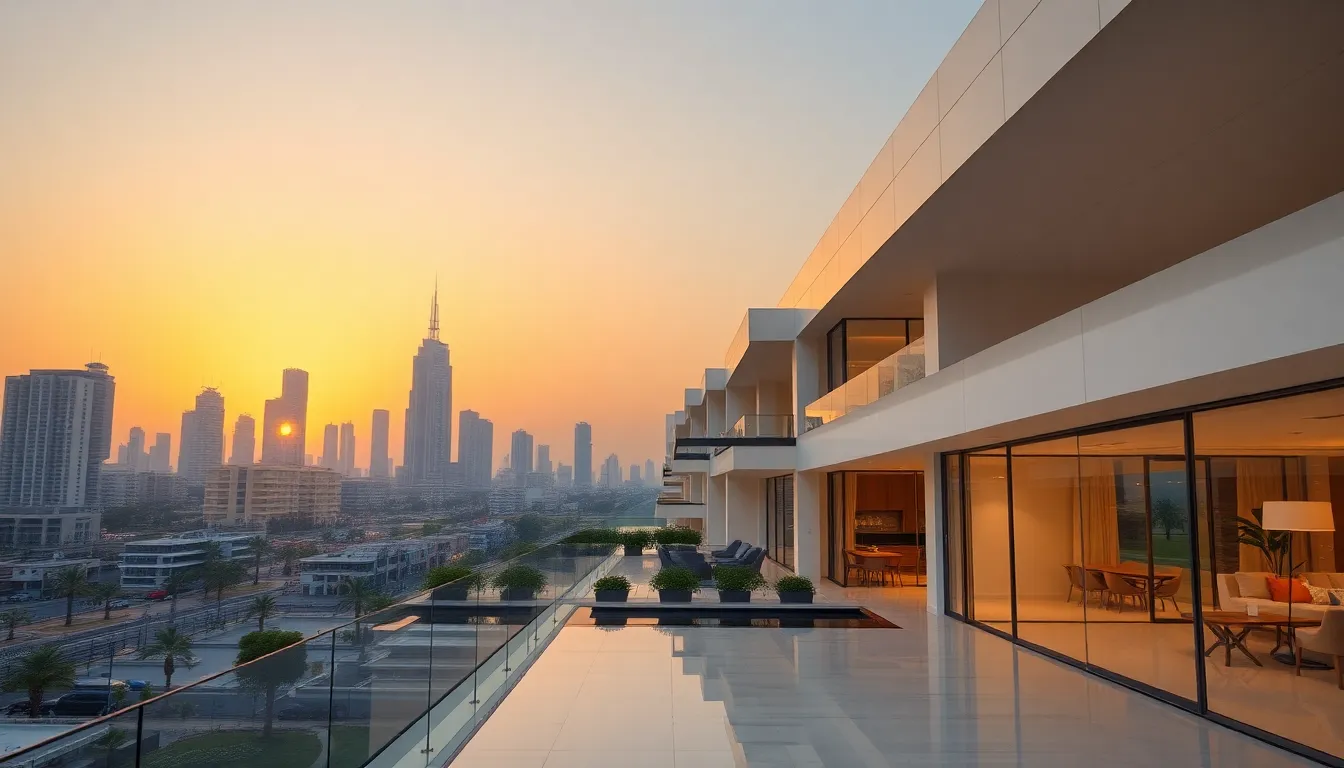
Is Dubai Real Estate Still a Buy in 2026?
Dubai's property market has always been a rollercoaster. But for investors looking at 2026, the ride looks smoother and more predictable. The UAE government's proactive policies and the emirate's safe-haven status continue to attract global capital. Whether you're a first-time buyer or a seasoned investor, understanding the current dynamics is crucial. Let's dive into the key questions shaping Dubai real estate in 2026.
What are the price trends for Dubai real estate in 2026?
After a strong rally through 2022-2023, price growth has moderated in 2025 and early 2026. The market is entering a mature phase. Prime areas like Palm Jumeirah, Emirates Hills, and Downtown Dubai have seen prices stabilize. In contrast, emerging communities such as Dubai South, Al Furjan, and Jumeirah Village Circle (JVC) are still experiencing healthy appreciation.
According to property data aggregators, average villa prices increased by 12% year-on-year in Q4 2025, while apartment prices grew by 8%. For 2026, analysts expect a more tempered 5-8% growth across the board. This is still attractive compared to global markets like London or Hong Kong.
Luxury properties ($5 million+) have seen a slight correction of 2-3% due to a glut of ultra-high-end supply. However, demand from wealthy individuals, particularly from Europe, India, and China, remains robust. The key takeaway: don't chase last year's returns. Focus on value and location.
Which areas offer the best rental yields in 2026?
Rental yields in Dubai remain a major draw. The city's transient population, driven by expatriate workers and businesses, ensures consistent rental demand. As of early 2026, the average gross rental yield for apartments in Dubai is 7.2%, while villas average 6.1%. That's significantly higher than in many developed markets.
Top-performing areas for apartments include International City (yields up to 10%), Dubai Sports City (9%), and JLT (8%). For villas, Town Square, JVC, and Damac Hills 2 offer yields between 7-8%. These areas benefit from affordability and proximity to key employment hubs.
However, yields have slightly compressed from 2023 peaks due to rising property prices. Investors should also factor in service charges and management fees, which can eat into returns. A good rule of thumb: net yields of 5-6% are still excellent by global standards.
Is off-plan property a good investment in 2026?
Off-plan sales have dominated Dubai's market for years. In 2025, off-plan transactions accounted for 62% of all property sales. The trend continues in 2026, driven by attractive payment plans and developer incentives. Many developers offer post-handover payment plans (50% on completion, 50% over 2-3 years). This reduces upfront capital and allows investors to leverage.
But caution is warranted. With over 150,000 units scheduled for delivery between 2025 and 2028, supply is increasing. Not all off-plan projects will perform equally. Choose developers with a strong track record of timely delivery and quality construction. The Dubai Land Department's Oqood system provides transparency, but delays still happen.
Our advice: only buy off-plan from top-tier developers like Emaar, Damac, Sobha, or Meraas. Avoid unknown developers, even if prices are tempting. A good off-plan investment can yield 30-40% capital gains by completion in a rising market. But in a flat market, you might just break even.
How does 2026 compare to previous market cycles?
Dubai real estate has seen three major cycles since 2000: the boom and bust of 2008, the recovery from 2012-2014, and the current uptrend starting in 2020. The 2026 market is more mature and regulated than in 2008. The government has introduced measures like higher property registration fees (4%) and stricter lending rules to curb speculation.
Prices in prime areas are still 20-30% below their 2014 peaks when adjusted for inflation. This suggests there's room for growth, but not a bubble. The market is more diversified now, with demand coming from multiple sources (e.g., crypto millionaires, wealthy expats, institutional investors) rather than a single hot money stream.
Compared to 2021-2022, when prices surged 20%+ annually, 2026 is a time for strategic buying. The low-hanging fruit is gone. But for long-term investors, this is a healthy market correction. Avoid the temptation to time the market; instead, focus on income-generating assets.
What are the best strategies for real estate investors in Dubai 2026?
Strategy #1: Buy and hold for rental income. With yields of 6-9%, a well-chosen property can provide steady cash flow. Target areas with strong demand from professionals, such as Dubai Marina, JLT, or Business Bay. Consider studio or one-bedroom units, which have the highest yield per square foot.
Strategy #2: Flip off-plan with a 12-18 month horizon. Buy early in a project from a reputable developer, then sell before completion. This requires timing and market knowledge. It worked well in 2022-2023, but is riskier in 2026 as supply increases.
Strategy #3: Invest in commercial real estate. The office and retail sectors are recovering, with occupancy rates exceeding 90% in Grade A offices. Yields are lower (5-7%), but leases are typically longer (3-5 years) and more stable. This suits institutional investors or high-net-worth individuals.
Strategy #4: Airbnb or short-term rentals. Dubai's tourism boom continues, with 25 million overnight visitors expected in 2026. Properties near tourist hotspots like Downtown, Palm, or Dubai Marina can generate 10-15% gross yields. However, regulations are tightening, so ensure compliance with the Dubai Tourism Department.
Comparison: Best Investment Areas in Dubai 2026
| Area | Average Price (AED/sq.ft) | Gross Rental Yield | Capital Appreciation (2026 forecast) | Risk Level |
|---|---|---|---|---|
| Dubai Marina | 1,800 | 7.5% | 3-5% | Low |
| Palm Jumeirah | 3,200 | 5.0% | 2-4% | Low |
| Jumeirah Village Circle | 1,200 | 8.5% | 6-8% | Medium |
| Dubai South | 900 | 9.0% | 8-10% | Medium-High |
Frequently Asked Questions
1. Is 2026 a good time to buy property in Dubai?
Yes, if you have a long-term horizon. Prices are stable, yields are high, and interest rates are expected to decline, making mortgages more affordable.
2. What is the minimum budget for a Dubai property?
You can find studio apartments in JVC or International City for around AED 500,000 ($136,000). For a villa, expect at least AED 2 million ($545,000).
3. Can foreigners buy property in Dubai?
Yes, in freehold areas. Foreigners can own the property outright with no restrictions on resale or leasing.
4. What are the hidden costs of buying property in Dubai?
Buyers pay a 4% registration fee to the Dubai Land Department, plus agent commission (2%), and legal fees (1%). Annual service charges vary by community.
5. Is it better to buy a ready or off-plan property in 2026?
Ready properties offer immediate rental income and lower risk. Off-plan can yield higher capital gains but carries development risk. Your choice depends on your risk appetite.
6. How does Dubai's 10-year golden visa affect real estate?
Investors who purchase property worth at least AED 2 million can qualify for a 10-year renewable visa. This has boosted demand from foreign buyers.
7. What are the tax implications for property investors?
Dubai has no property tax, no capital gains tax, and no rental income tax. The only annual cost is the service charge and a municipality fee (5% of annual rent).
For a deeper dive, read more insights on our blog. If you're ready to start your search, explore available listings across Dubai's top communities. Need personalized advice? Speak with our advisors today.
By the Siddhi Enterprises (Real Estate) Research Team | Over 10 years of Dubai property market expertise
Siddhi Team
Dubai Real Estate Experts helping Indian investors find their perfect property in UAE.