
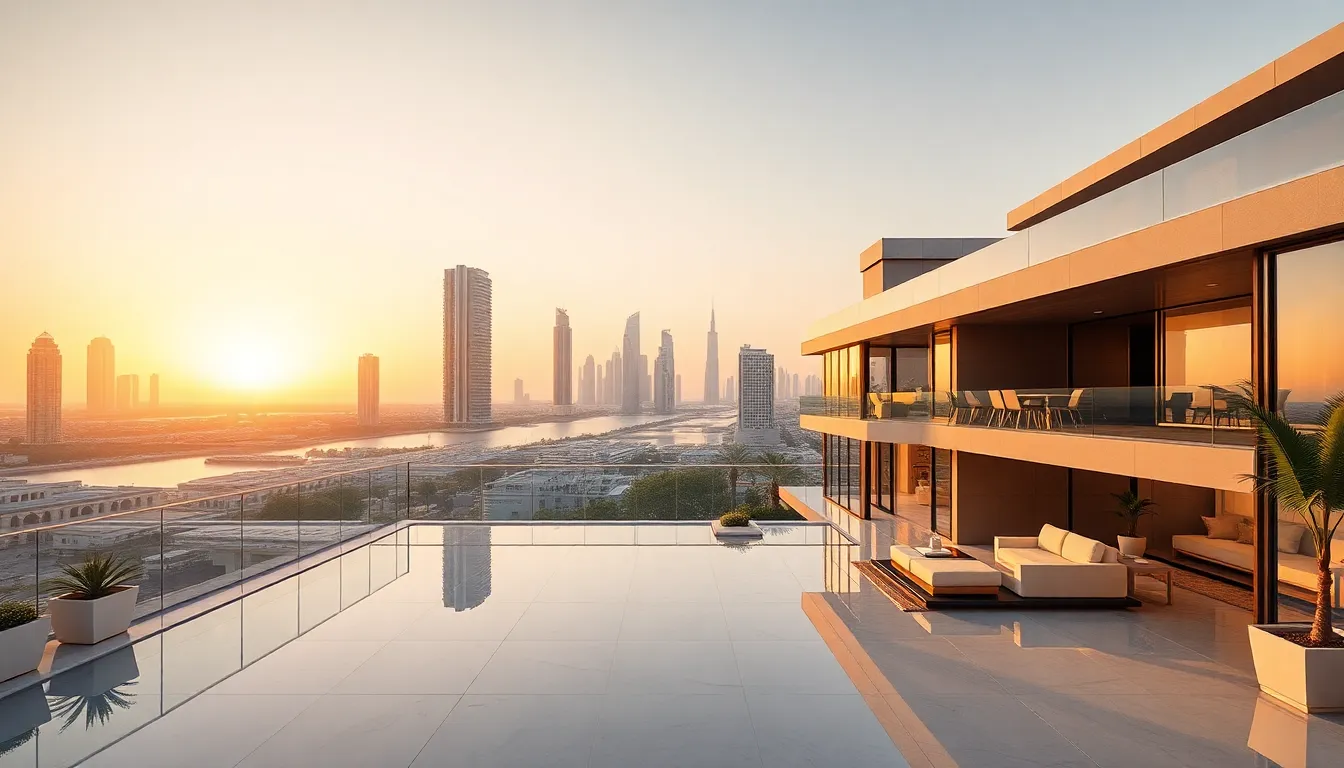
Is Dubai Property Investment Worth It in 2026?
Dubai has transformed from a desert trading post into a global real estate powerhouse. If you are wondering whether to invest in 2026, the short answer is: absolutely. But you need to know where and how.
The city's property market has matured significantly. Gone are the days of speculative boom and bust. Today, Dubai offers a well-regulated, transparent market with world-class infrastructure. Investors benefit from no property tax, high rental demand, and a lifestyle that attracts global talent.
This article breaks down everything you need to know—from yields and legalities to emerging hotspots. Whether you are a first-time buyer or a seasoned investor, you will find actionable insights. Let's dive in.
Why Invest in Dubai Property in 2026?
The fundamentals are solid. Dubai's population is projected to exceed 4 million by 2026. More people mean more demand for housing. The government's Dubai Economic Agenda D33 aims to double the economy by 2033, attracting foreign capital and talent.
Rental yields remain among the highest globally. In areas like Dubai Marina, JLT, and Deira, you can expect 6–8% returns. Compare that to London (3–4%) or Hong Kong (2–3%). Plus, capital appreciation has been steady at 10–15% per year in prime locations.
Another factor is currency stability. The UAE dirham is pegged to the US dollar, shielding investors from currency fluctuations. This makes Dubai a safe haven for those holding dollars, euros, or pounds.
What Are the Best Areas for Investment in 2026?
Not all locations are created equal. Some areas offer better yields, while others promise capital growth. Here is a comparison of top districts.
| Area | Average Price (AED/sq.ft) | Rental Yield | Capital Growth (2025-26) |
|---|---|---|---|
| Dubai Marina | 1,800 | 6.5% | 8% |
| Business Bay | 1,500 | 7.2% | 12% |
| Dubai South | 1,100 | 8.0% | 15% |
| Jumeirah Village Circle | 1,200 | 7.8% | 10% |
Dubai South is a standout due to its proximity to Expo City and Al Maktoum International Airport. Business Bay continues to attract professionals. For those seeking affordable entry points, JVC offers good value.
Always consider future infrastructure projects. The new Dubai Metro extension and major road upgrades will boost connectivity, driving demand in surrounding areas.
How to Buy Property in Dubai as a Foreigner?
Foreigners can buy freehold property in designated areas. The process is straightforward. You need a valid passport and proof of funds. Most buyers use mortgages or cash.
Step one: Choose a property and sign a Memorandum of Understanding (MoU). Step two: Pay a deposit (usually 10%) and get a NOC from the developer. Step three: Register with the Dubai Land Department (DLD). The DLD charges a 4% transfer fee plus registration costs.
If you are buying off-plan, ensure the developer is registered with the Real Estate Regulatory Authority (RERA). They have an escrow account system that protects your payments. For resale properties, engage a licensed real estate agent. You can explore available listings on our site.
Legal due diligence is crucial. Check for liens, service charges, and community rules. A good lawyer can save you headaches. Many investors also opt for a property management company to handle rentals.
What Are the Tax Benefits of Dubai Real Estate?
Zero property tax. Zero capital gains tax. Zero rental income tax. That is the biggest draw. You keep 100% of your rental income and profits. Compare that to countries where taxes eat up 30–50% of returns.
There is also no inheritance tax. Your property passes to your heirs without government levies. However, you may need to update your will to ensure Sharia law does not override your wishes. Many free zones offer civil courts for non-Muslims.
The only recurring costs are service charges (for maintenance of common areas) and utilities. Service charges vary by community but average AED 10–15 per sq. ft per year. These are tax-deductible for income purposes, though there is no income tax anyway.
If you are a non-resident, you can still own property and earn income tax-free. The UAE has no withholding tax on rent. This makes Dubai a true tax haven.
What Risks Should You Consider?
No investment is risk-free. Dubai property can be volatile. Prices fell sharply in 2008 and 2014. However, regulations have improved. The introduction of higher down payments for off-plan (50% for second homes) has cooled speculation.
Another risk is oversupply. Some areas have seen a glut of new units, pushing down rents. However, demand from expats and tourists is absorbing supply. The government monitors supply and adjusts land releases.
Currency risk is minimal due to the dollar peg. But if you are earning in a weak currency, your returns could be affected. Also, consider exit strategy. Resale liquidity is good in prime areas but slower in fringe locations.
Finally, always factor in maintenance and vacancy periods. Budget for 1–2 months of vacancy per year. Use a professional management company to minimize hassle. Read more insights on risk management.
How to Finance Your Dubai Property Investment?
Cash is king, but mortgages are available. As a non-resident, you can get a mortgage for up to 50% of the property value. Interest rates are competitive, around 4–5% fixed for the first year, then variable.
Banks require a down payment of at least 50% for non-residents. For residents with UAE income, the down payment is lower (20% for first home). You will need proof of income, bank statements, and a good credit history.
Off-plan purchases often come with payment plans. Developers offer 40-40-20 or 50-50 schemes. You pay 40% during construction and 60% on completion. Some even offer post-handover payment plans. This reduces your upfront capital.
Always compare mortgage offers. Use a mortgage broker to find the best rates. Pre-approval gives you a clear budget and speeds up the buying process.
What Is the Outlook for 2026 and Beyond?
Dubai's real estate market is expected to remain bullish. The population is growing at 2–3% per year. The government is investing heavily in infrastructure, including the new Al Maktoum Airport, which will be the world's largest.
Tourism is booming. In 2025, Dubai welcomed over 20 million visitors. This drives demand for short-term rentals. Many investors achieve 10–12% yields on holiday homes. However, short-term rentals require licenses and management.
The Expo City legacy continues. Free zones like Dubai South are attracting businesses. The Golden Visa program offers 10-year residency to investors buying property worth AED 2 million or more. This is a powerful incentive for long-term investment.
We believe prime areas will see 10–15% annual appreciation over the next 3–5 years. Off-plan opportunities in emerging districts offer even higher potential. But do your homework. Work with trusted advisors. Speak with our advisors for personalized advice.
Frequently Asked Questions
Can I get a mortgage as a foreigner in Dubai?
Yes, many banks offer mortgages to non-residents. You need a 50% down payment and proof of income. Interest rates are around 4–5%.
Is it better to buy off-plan or ready property?
Off-plan offers lower entry prices and payment plans. Ready property gives immediate rental income. Both have pros and cons. Consider your timeline and risk tolerance.
What are the hidden costs of buying property in Dubai?
DLD transfer fee (4% of property price), registration fees (AED 500–4,000), agent commission (2%), valuation fee (AED 3,000–5,000), and service charges (annual). Budget 8–10% extra.
Do I need a visa to buy property?
No, you can buy without a visa. But if you want to reside, you need a residency visa. Property worth AED 2 million qualifies you for a Golden Visa.
How long does the buying process take?
Typically 30–60 days from offer to handover. Cash purchases are faster. Mortgages take longer due to bank processing.
Can I rent out my property immediately?
Yes, once you have the title deed. For short-term rentals, you need a holiday home license from DTCM.
What is the best area for first-time investors?
Jumeirah Village Circle (JVC) and Dubai South offer affordable prices with good yields. Business Bay is also a safe bet.
By the Siddhi Enterprises (Real Estate) Research Team | Over 10 years of Dubai property market expertise
Siddhi Team
Dubai Real Estate Experts helping Indian investors find their perfect property in UAE.