
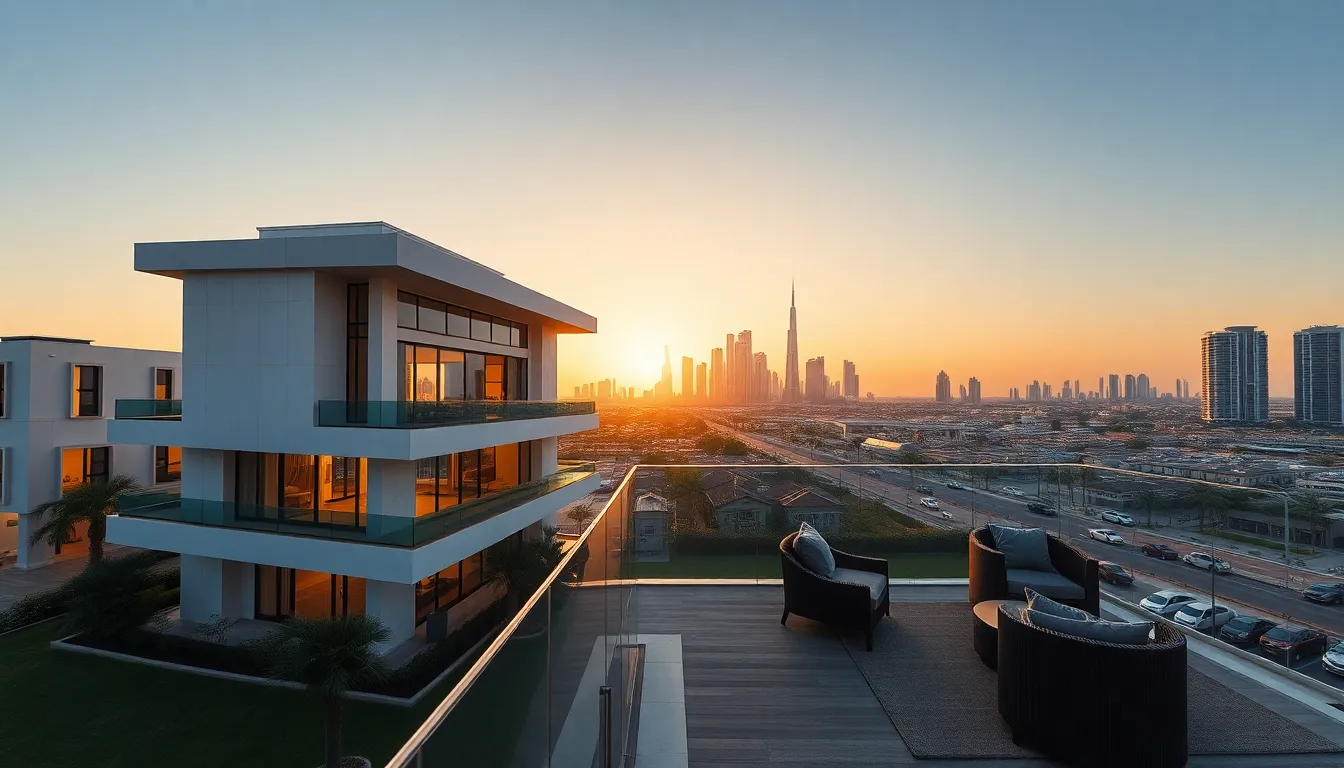
Is Dubai Luxury Real Estate Still Worth It in 2026?
Dubai's luxury real estate market in 2026 is a fascinating landscape. It's not just about flashy skyscrapers anymore. Today's high-end buyer wants value, exclusivity, and a lifestyle that money can't buy anywhere else. We're seeing a shift from pure investment to a blend of home and portfolio asset. The city's strategic location, safety, and progressive visa policies keep global wealth flowing in. But is it the right time to buy? Let's break down the data and trends.
What Defines Luxury Real Estate in Dubai in 2026?
Luxury in Dubai has evolved. It's no longer just about square footage or gold-plated fixtures. Today, it's about privacy, smart home technology, and sustainable design. Properties with LEED certification or net-zero energy are commanding premiums. Also, waterfront access and skyline views remain non-negotiable. The average price per square foot for luxury properties in prime areas is now AED 3,500 to AED 6,000, depending on location and brand.
Developers are focusing on branded residences. Think Armani, Bulgari, and Four Seasons homes. These offer turnkey services and hotel-like amenities. They attract a global elite who value convenience and prestige. In 2026, nearly 30% of new luxury launches are branded residences.
Which Areas Offer the Best Luxury Investments in 2026?
The traditional hotspots still dominate. Palm Jumeirah remains the crown jewel. Villas here start at AED 30 million and can go beyond AED 200 million for custom estates. Emirates Hills is another exclusive enclave, often called the 'Beverly Hills of Dubai'. Gated community, golf course views, and large plots. Average villa price: AED 25 million.
Emerging areas are also gaining traction. Dubai Creek Harbour promises a new downtown with the tallest residential tower. Prices here are slightly lower, with luxury apartments starting at AED 8 million. Jumeirah Bay Island offers ultra-luxury villas with private beaches. For those seeking a more urban vibe, Downtown Dubai and Dubai Marina continue to offer high-rise luxury with iconic views.
| Area | Property Type | Average Price (AED) | Rental Yield (%) | Capital Growth (2025-2026) |
|---|---|---|---|---|
| Palm Jumeirah | Villa | 35,000,000 | 5.2% | 8% |
| Emirates Hills | Villa | 25,000,000 | 4.8% | 6% |
| Dubai Marina | Apartment | 5,000,000 | 5.5% | 5% |
| Downtown Dubai | Apartment | 7,000,000 | 6.0% | 7% |
How Do Rental Yields Compare to Other Global Cities?
Dubai outperforms major cities like London, New York, and Hong Kong. Luxury rental yields in Dubai average 5-7%. In London, they're closer to 3-4%. This is due to lower purchase prices relative to rents. Dubai's tax-free status also means higher net returns. However, yields have compressed slightly as prices rose. Still, for cash-flow focused investors, Dubai remains attractive.
Short-term rentals via platforms like Airbnb can yield even higher returns in luxury segments. But regulations are tightening. In 2026, owners need permits and must adhere to community rules. Still, for fully managed luxury properties, short-term yields can reach 10-12%.
What Are the Key Trends Shaping Luxury Real Estate in 2026?
First, sustainability is no longer optional. High-net-worth individuals are demanding eco-friendly features. Solar panels, smart water management, and green building materials are standard in new luxury projects. Second, wellness amenities are a must. Think private gyms, spas, and even on-site nutritionists. Third, technology integration is key. AI-driven home automation, advanced security systems, and high-speed connectivity are baseline expectations.
Another trend is the rise of fractional ownership. Platforms allow investors to buy shares in luxury properties. This democratizes access but also adds liquidity. However, for traditional buyers, whole ownership remains the norm. The market is also seeing more off-plan purchases. Developers offer attractive payment plans, sometimes with no interest for up to 5 years.
Is Now a Good Time to Buy Luxury Property in Dubai?
Market conditions in early 2026 are favorable. After a strong post-pandemic rally, prices have stabilized. This provides a more balanced market. Supply is increasing, but demand remains robust. Transaction volumes for luxury properties are up 12% year-over-year. Interest rates have steadied, and mortgage availability for high-net-worth individuals is good.
However, global economic uncertainties linger. Inflation and geopolitical tensions could impact investor sentiment. But Dubai's diversification and resilience make it a safe haven. The UAE's stable currency peg to the US dollar also protects against currency risk. For long-term investors (5+ years), now is a good time to enter. Short-term flippers may find thinner margins.
What Should Buyers Look for in a Luxury Property?
Location remains paramount. But within a prime area, micro-location matters. Waterfront properties command a premium of 20-30% over inland ones. Also, check the developer's track record. Reputable developers ensure quality and timely delivery. Third, consider the property's unique selling points: panoramic views, private pool, smart home features. Fourth, evaluate rental potential. Proximity to top schools, hospitals, and leisure spots boosts demand.
Finally, understand the total cost. Besides purchase price, factor in 4% Dubai Land Department fee, agent commission (2%), and ongoing service charges. For luxury properties, service charges can be AED 20-30 per square foot annually. But these cover maintenance, security, and amenities.
Frequently Asked Questions
What is the minimum budget for luxury real estate in Dubai?
Entry-level luxury apartments start around AED 4 million. Villas begin at AED 15 million. But true ultra-luxury properties exceed AED 50 million.
Can foreigners buy luxury property in Dubai?
Yes. Foreigners can buy freehold property in designated areas. No restrictions on nationality. Ownership is freehold, meaning full ownership of the land and building.
What are the best luxury communities for families?
Emirates Hills, Arabian Ranches, and Palm Jumeirah are top choices. They offer gated security, parks, and international schools nearby.
How do I finance a luxury property purchase?
Banks offer mortgages up to 80% for UAE residents and 50% for non-residents. Interest rates are competitive, around 4-5% annually. Some developers offer direct payment plans.
What are the ongoing costs of owning luxury real estate?
Service charges, utility bills, and annual maintenance. Expect 1-2% of property value per year. For a AED 10 million property, that's AED 100,000-200,000 annually.
Is the luxury market overvalued?
Not significantly. Prices are supported by strong demand and limited prime supply. Compared to global peers, Dubai still offers value. Price-to-rent ratios are favorable.
What is the outlook for 2027?
Positive but moderate. Expect 5-7% price growth. More supply coming to market, especially in new developments like Dubai South. Demand from Asia and Europe remains robust.
If you're ready to dive deeper into Dubai's luxury market, explore available listings. For more insights on trends and opportunities, read more insights. Our team is here to guide you. speak with our advisors for personalized advice.
By the Siddhi Enterprises (Real Estate) Research Team | Over 10 years of Dubai property market expertise
Siddhi Team
Dubai Real Estate Experts helping Indian investors find their perfect property in UAE.