
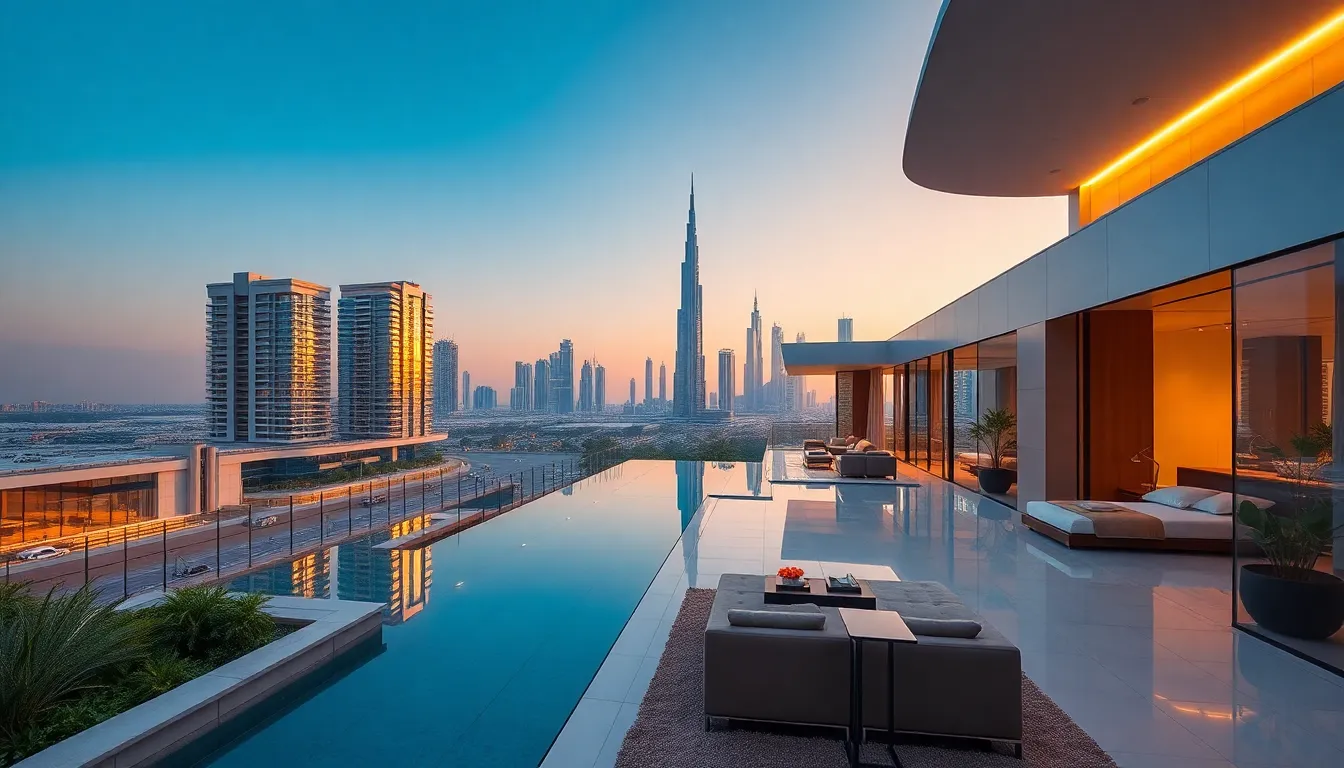
Is Dubai Commercial Real Estate Worth Investing in 2026?
Dubai's commercial property market has transformed dramatically over the past decade. What was once a speculative playground is now a mature, regulated asset class. In 2026, the city's status as a global business hub is stronger than ever. The question is: where does the opportunity lie?
This blog post analyzes the key drivers, emerging trends, and top strategies for investing in Dubai commercial real estate this year. Whether you're a first-time investor or expanding a portfolio, these insights will help you make informed decisions.
What Are the Main Drivers of Commercial Real Estate Demand in 2026?
Dubai's economy is firing on all cylinders. GDP growth is projected above 4%, fueled by tourism, trade, and technology. The Dubai Economic Agenda D33 aims to double the economy by 2033, creating a fertile ground for business expansion.
The post-Expo 2020 legacy continues to pay dividends. Dubai South and the Expo City district are attracting multinationals and SMEs alike. Free zones remain a magnet for foreign capital, offering 100% ownership and tax exemptions.
Government initiatives like the Golden Visa and remote work visas are bringing in top talent. This fuels demand for office space, coworking centers, and serviced apartments. The city's safety, infrastructure, and lifestyle appeal make it a preferred destination for regional headquarters.
Digital transformation is also reshaping demand. E-commerce growth drives logistics and warehousing needs. Data centers and tech hubs are becoming mainstream asset types. Investors who align with these structural shifts will capture the most value.
Which Commercial Property Segments Offer the Best Returns?
Not all commercial real estate is created equal. In 2026, we see clear winners and laggards.
Office Space — Grade A offices in prime locations like DIFC, Sheikh Zayed Road, and Business Bay command rents of AED 1,500-2,500 per sq ft annually. Yields hover around 7-8%. The trend is toward flexible, tech-enabled spaces that support hybrid work. Older buildings face obsolescence.
Retail — The retail sector is rebounding after a COVID dip. Malls in high-footfall areas like Dubai Mall and Mall of the Emirates are performing well. Yields range from 8-10% for prime units. However, neighborhood retail and strip malls need careful due diligence.
Industrial & Logistics — This is the star segment. E-commerce and manufacturing demand have pushed yields to 9-10%. Dubai South, Jebel Ali Free Zone, and Al Quoz are hotspots. Land prices have risen 15-20% year-on-year.
Hospitality — Hotels and serviced apartments are recovering with tourism hitting record numbers. Average occupancy rates exceed 75%. Yields are 6-8% but with higher operational complexity.
| Segment | Average Yield (2026) | Demand Drivers | Risk Level |
|---|---|---|---|
| Grade A Office | 7-8% | Hybrid work, financial services | Low |
| Retail (Prime) | 8-10% | Tourism, luxury spending | Medium |
| Industrial/Logistics | 9-10% | E-commerce, trade | Low |
| Hospitality | 6-8% | Record tourism arrivals | Medium-High |
What Are the Best Locations for Commercial Property in Dubai?
Location is the golden rule. In 2026, three areas stand out.
Dubai International Financial Centre (DIFC) — The premier financial district. It offers prestige, tax benefits, and a captive tenant base. Office vacancy rates are below 5%. Prices are high but stable.
Business Bay — A mixed-use hub with excellent connectivity. It's popular with tech companies and startups. Rents are more affordable than DIFC, averaging AED 1,000-1,500 per sq ft.
Dubai South — The future city around Al Maktoum Airport. It's a logistics and aviation powerhouse. Land values have surged 20% in 2025 alone. Ideal for long-term growth plays.
Jumeirah Lakes Towers (JLT) — A mature free zone with high occupancy. It's favored by SMEs and professional services. Yields are solid but capital appreciation is slower.
Other notable areas: Tecom (media and tech), Al Quoz (industrial), and Downtown Dubai (retail and hospitality). Each has specific risk-return profiles.
How Much Capital Do You Need to Invest?
Entry points vary widely. For a Grade A office in DIFC, expect to pay AED 15-25 million for a 1,000 sq ft unit. In Business Bay, prices are AED 8-12 million for similar space. Industrial plots in Dubai South can start from AED 5 million for 10,000 sq ft.
Financing is available. Banks typically lend 50-60% of the property value for commercial assets. Interest rates are around 5-6% in 2026. Non-resident investors can also obtain mortgages with a 40-50% down payment.
Additional costs include 4% Dubai Land Department transfer fee, 2% agency commission, and legal fees. Budget an additional 7-8% on top of the purchase price.
For those with smaller budgets, fractional ownership and REITs are emerging options. However, direct ownership offers more control and tax advantages.
What Are the Legal and Regulatory Considerations?
Dubai's commercial property laws are investor-friendly. Free zones allow 100% foreign ownership and no corporate tax until 2026 (then 9% for profits above AED 375,000). Mainland companies can now have 100% foreign ownership in most sectors.
Leases are registered with Ejari, ensuring transparency. Typical lease terms are 3-5 years with annual rent increases of 5-10%. Indexation clauses are common.
Due diligence is critical. Check the property's title deed, no-objection certificate, and any existing tenancy contracts. Engage a reputable legal advisor.
For off-plan commercial projects, ensure the developer is registered with RERA and the project has an escrow account. Delays and quality issues are risks.
What Are the Hidden Costs and Risks?
Beyond the purchase price, factor in service charges (AED 20-40 per sq ft annually for offices), property management fees (5-10% of rent), and maintenance reserves. Vacancy periods can eat into returns.
Market risk: oversupply in certain segments. For example, new office completions in 2026-2027 may push up vacancy rates in secondary locations. Stick to prime assets.
Currency risk: the AED is pegged to the USD, so dollar-based investors have no currency risk. However, those from other currencies face fluctuations.
Regulatory changes: corporate tax introduction in 2026 could impact net yields. However, free zone companies with qualifying income remain exempt.
How to Choose the Right Property Manager?
A good property manager is worth their weight in gold. Look for firms with a track record in commercial assets, transparent reporting, and strong tenant relationships.
They handle leasing, maintenance, rent collection, and compliance. Fees range from 5-10% of gross rent. Interview at least three managers and check references.
Some investors self-manage, but that's time-consuming. For remote investors, professional management is a must.
What Is the Outlook for Capital Appreciation?
Capital growth in commercial real estate has been modest but steady. Over the past five years, prime office values have appreciated 3-5% annually. Industrial land has grown 10-15% per year.
In 2026, we expect similar trends. Dubai's population is projected to reach 4 million by 2030, driving demand for commercial space. Infrastructure projects like the expansion of Al Maktoum Airport and the Dubai Metro will boost land values in surrounding areas.
Speculative buying is not recommended. Focus on cash-flowing assets with long-term growth potential.
FAQ
Can foreigners buy commercial property in Dubai?
Yes, foreigners can buy commercial property in designated freehold areas. Free zones allow 100% ownership. Mainland ownership is also possible for most business activities.
What is the minimum investment for commercial real estate?
Entry-level prices start around AED 1 million for small offices or retail units. However, prime assets typically require AED 5-10 million minimum.
Are commercial properties in Dubai subject to VAT?
Yes, residential property is VAT-exempt, but commercial property is subject to 5% VAT on rent and purchase. Input tax can be recovered if you are VAT-registered.
How is commercial property taxed in Dubai?
No property tax, capital gains tax, or inheritance tax. Corporate tax applies to mainland companies (9% on profits above AED 375,000). Free zone companies may qualify for zero tax.
What is the average rental yield for commercial property?
Office yields average 7-8%, retail 8-10%, industrial 9-10%, and hospitality 6-8%. Prime assets in top locations command higher yields.
Is now a good time to buy commercial property in Dubai?
2026 offers a favorable window with strong economic fundamentals, moderate prices, and attractive yields. However, careful selection is key.
What are the risks of commercial real estate investment?
Main risks include vacancy, oversupply, tenant default, and regulatory changes. Mitigate through diversification, prime locations, and professional management.
Ready to take the next step? Explore available listings to find high-yield opportunities. For deeper market analysis, read more insights on our blog. Our team is here to help — speak with our advisors for personalized guidance.
By the Siddhi Enterprises (Real Estate) Research Team | Over 10 years of Dubai property market expertise
Siddhi Team
Dubai Real Estate Experts helping Indian investors find their perfect property in UAE.