
Is Buying Property in Dubai for Sale a Mistake?
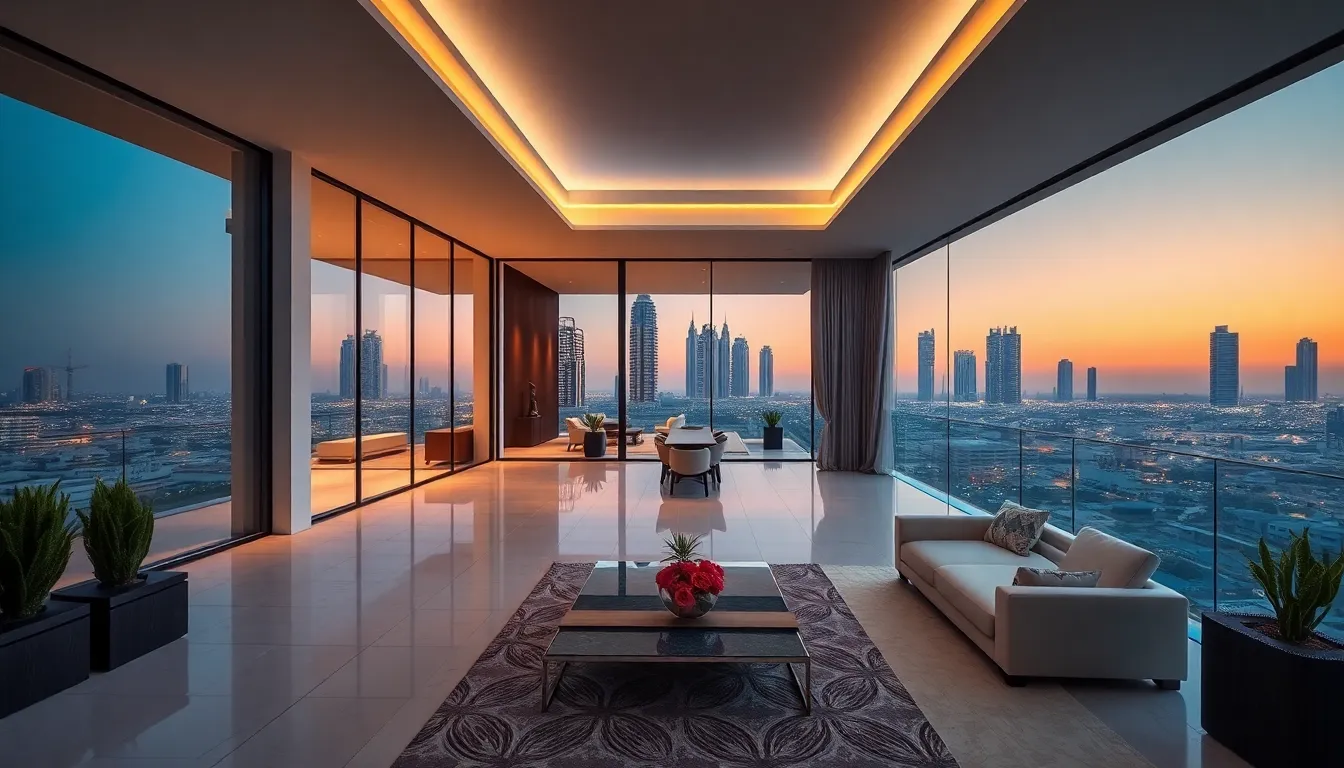
I still remember the call. A client—let's call him Raj—was adamant. 'Himanshu, I want that off-plan tower everyone's talking about. My buddy bought two units there.' He'd done his research, he said. But in July, when the market was half-asleep, I dragged him to a three-year-old building in a community he'd never heard of. The AC was humming, the gym was empty, and we stood in a vacant apartment with floor-to-ceiling windows overlooking a quiet canal. 'Why isn't anyone buying these?' he asked. That day, he learned what most agents won't tell you: the best property in Dubai for sale is often the one no one is chasing.
Why Do Most Buyers Get It Wrong in Dubai?
Honestly? Most buyers start with a shiny brochure. They see a launch event, crowd of investors, and think 'this is it.' They buy off-plan property in Dubai because it feels like getting in early. But here's the thing—early doesn't always mean smart. I've watched too many people lock money into projects that handover three years late, with finishes that don't match the promise. They bought the sizzle, not the steak.
The herd mentality is real. When everyone rushes to the next big waterfront development, they ignore a whole world of ready properties in established communities. These homes have real neighbors, functioning gyms, and landscaping that's already grown in. You can walk through them at 2 p.m. on a Tuesday and hear the silence of a well-built unit. But most buyers never do that.
Another mistake? Buying for capital appreciation alone. Dubai real estate isn't a quick-flip game anymore, if it ever truly was. The investors who made real money held onto properties for years, rented them out, and understood the cycles. They bought where people actually want to live, not where Instagram models pose for a weekend.
What Happens to Dubai Property in the Summer?
I love the summer market. No, really. While most agents vanish to cooler places, I'm the one doing viewings in 45-degree heat. Why? Because that's when the truth comes out. The speculative buyers are gone. The frenzy subsides. And you get something rare: a quiet summer market where sellers are realistic.
I recall a day last August. I was showing a unit in a building that had 30 listings but zero foot traffic. The elevators opened immediately—no waiting. The pool deck was peaceful, not a single drone of influencer chatter. I walked through the apartment, and the only sound was the hum of the AC and the slight creak of the balcony door. That stillness was valuable. The seller had dropped expectations because his property had been sitting for months. My client wasn't competing with ten other offers. He could think, inspect, negotiate.
Summer reveals which buildings are truly energy-efficient, which communities have robust facility management, and which ones turn into ghost towns. You'll notice if the hallway AC is struggling or if the common areas are poorly maintained. These are details you miss during the November rush.
How Does Off-Plan Compare to Ready Property?
I'm not anti-off-plan. I've sold plenty of it. But I've also seen the gap between what's promised and what gets delivered. Too many buyers assume off-plan is always cheaper or that ready properties are only for those who can't wait. Let's break it down without the sales fluff.
| Factor | Off-Plan (New Launch) | Ready Resale (Mature Community) |
|---|---|---|
| Completion Certainty | Depends on developer track record; delays common | Already built, you can see exactly what you're buying |
| Move-In Timeline | 1-4 years from booking | Typically 4-8 weeks after purchase |
| Community Vibe | Unknown—promises of future amenities | Established—you can talk to residents, see lifespans of facilities |
| Rental Demand Profile | Speculative, based on projected area growth | Proven—you can check historical occupancy and rent records |
| Typical Buyer | Investors betting on appreciation; sometimes first-timers lured by payment plans | End-users wanting certainty, or seasoned investors seeking immediate cash flow |
Ready properties often get overlooked because they lack the marketing buzz. But you're buying reality. You can test the water pressure, count the parking spots, and measure the actual ceiling height. If you want to see off-plan projects in Dubai, I'd always tell you to cross-check with similar completed buildings by the same developer. That tells you a lot.
Which Areas Are Oversold—and Where Should You Really Look?
This part will ruffle some feathers. Certain areas in Dubai are oversold by agents because they bring higher commissions or because the developer's marketing is impossible to ignore. I won't name names, but you can spot them: massive billboards, celebrity endorsements, and a frenzy that feels more like a nightclub than a property investment.
Meanwhile, communities with solid, boring reputations sit quietly. They don't trend on social media, but they have something better: low vacancy rates, genuine end-user demand, and infrastructure that works. Think about it—would you rather own in a tower where 40% of units are investor-owned and sit empty half the year, or in a district where families live, kids go to school, and the supermarket is busy on weekdays?
When I advise clients, I ask them to drive through a potential area at 10 a.m. on a workday. Is there life? Are the cafes open? Can you see people walking dogs or pushing strollers? That's the pulse of a real community. For instance, older communities around the greens and established villa compounds often have a settled feel that new masterplans can't replicate for years. If you want to check current Dubai investment options, look beyond the top 5 advertised projects and dig into what's actually lived in.
What Should You Check Before Buying a Resale Property?
- Service charges and arrears: Ask for the latest service fee statement. Some buildings have fees that escalate wildly because of poor management. Check if the seller has cleared dues.
- Snagging history: Even in a five-year-old building, ask for snag reports or talk to other owners. Chronic issues like water ingress or faulty elevators are red flags.
- Developer reputation for post-handover support: Some developers vanish after handover. Good ones have responsive maintenance teams. You'll feel the difference in a summer walkthrough when the AC in the lobby works perfectly.
- Community management: Is the master community developer still active? Are the roads maintained? Who pays for common area upkeep?
- Title deed verification: Always check with the Dubai Land Department that the title is clean and the seller is the genuine owner. Never skip this.
- Utility providers: Some areas are served by different providers (DEWA, SEWA, etc.). Understanding average bills helps, but more important is knowing if there have been any complaints about supply.
I often tell my clients that a resale property is like a book that's already been read. You can ask the previous reader what they thought. There's no mystery.
How Do I Avoid Common Pitfalls When Buying in Dubai?
Pitfalls exist because people rush. They let emotions—or FOMO—drive decisions. Here's where I see them stumble.
First, misunderstanding the Dubai Land Department process. Buying property here isn't like buying a pair of shoes. There's a Memorandum of Understanding (Form F), a no-objection certificate, and transfer procedures that vary if you're getting a mortgage. If you don't know the sequence, you risk delays or losing your deposit.
Second, picking the wrong property type for your goal. I've met NRIs who buy a flashy one-bedder because it looks cool, but when they try to rent it, the market prefers two-bedroom units in that area. They end up with a beautiful, empty apartment that makes no money. Always match the property to the tenant profile.
Third, ignoring legal nuances between freehold and leasehold. Freehold gives you absolute ownership of the property and land (for non-GCC nationals in designated areas). Leasehold is a long-term lease. The rights differ. You can't just assume every area is freehold. And even in freehold zones, some buildings have restrictions on short-term rentals.
Fifth, treating property like a one-time transaction. It's not. It's a relationship with an asset that needs management, maintenance, and maybe resale down the line. If you don't have a solid advisor, you'll make expensive mistakes. That's why I always suggest you talk to our Dubai property advisors who have been through cycles. We've seen the good, the bad, and the ugly.
To bring it together, here's a quick insight table that highlights non-financial factors affecting long-term ownership happiness.
| Factor | Why It Matters | How to Evaluate |
|---|---|---|
| Developer Track Record | Impacts resale appeal and build quality | Check past projects; talk to residents |
| Service Charge Stability | Unpredictable hikes hurt rental yields | Review fee history over 3 years |
| Proximity to Metro | Widens tenant pool; convenience premium | Walk the route; test it in summer heat |
| Parking Ratio | Insufficient parking kills family appeal | Count allocated versus units; evening visits show demand |
| Community Facility Maintenance | Neglected pools/gyms drag down perception | Inspect unannounced; ask for maintenance logs |
Frequently Asked Questions About Buying Property in Dubai
Can foreigners buy property in Dubai?
Yes. Non-GCC nationals can purchase freehold property in designated freehold areas. There are over 50 such areas, from Dubai Marina to Arabian Ranches. You get full ownership of the property and the land it sits on. Leasehold is also an option, with long-term leases typically up to 99 years.
What's the difference between freehold and leasehold?
Freehold means you own the property and the land absolutely and forever. Leasehold means you own the property but not the land—you hold a lease from the landowner for a set period. Freehold gives more control and is usually preferred by investors and end-users aiming for long-term security.
How long does the buying process take?
For a resale property, once the offer is accepted, you can typically complete within 4 to 8 weeks. This includes getting a no-objection certificate, transferring funds, and registering with the Dubai Land Department. Off-plan transactions have a timeline set by the developer's handover schedule.
What are service charges?
Service charges are annual fees paid by owners to maintain common areas, facilities, and building insurance. They're typically calculated per square foot and vary by community. It's crucial to check a building's past charges because they can increase and affect your net rental yield.
Is now a good time to buy property in Dubai for sale?
Market timing is less important than your personal circumstances and due diligence. The summer months often present less competition and more negotiation room. Instead of trying to time the market, focus on finding a property that meets your long-term goals in a community with genuine demand.
Do I need a local agent?
Can I buy property in Dubai while living abroad?
Absolutely. I've helped many NRI clients purchase remotely. You'll need a power of attorney for a representative in Dubai to handle paperwork, but with proper documentation, the process is smooth. For more on remote buying strategies, you can see our other property guides that cover everything from snagging to resale strategies.
In the end, the real mistake isn't buying property in Dubai. It's buying the wrong property, in the wrong season, for the wrong reasons. The quiet summer market that scares off casual buyers is exactly where I find my clients the most value. Raj never did buy that off-plan tower. He owns a sun-filled two-bedroom that pays him rent every month, and his only regret is not looking sooner.
By Himanshu Gupta, Senior Property Advisor at Siddhi Estates — 15 years in Dubai real estate, from off-plan launches to handover and resale.
Siddhi Team
Dubai Real Estate Experts helping Indian investors find their perfect property in UAE.