
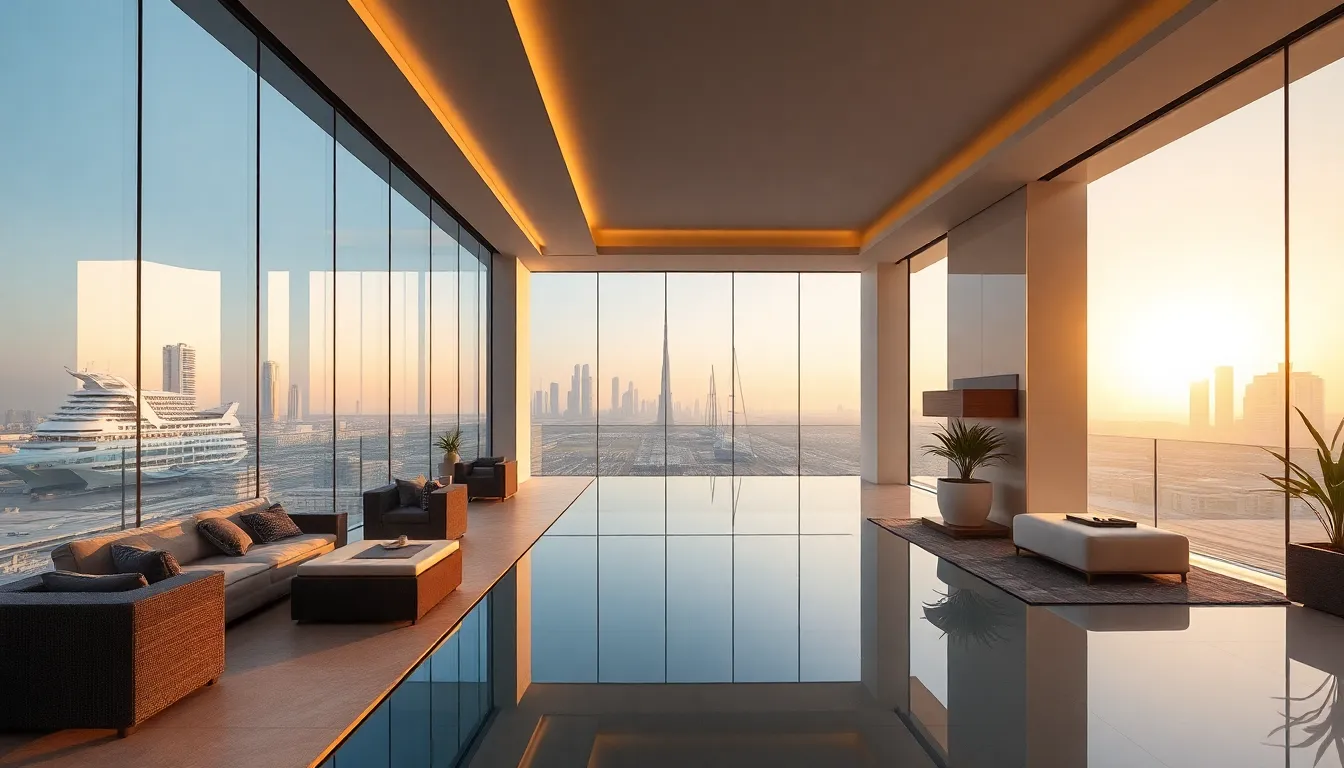
Is Buying a Dubai Holiday Home in 2026 a Smart Investment?
Look, everyone talks about Dubai holiday homes as this golden ticket. And sure, the brochures show infinity pools and guaranteed returns. But in 2026, with the market maturing and new regulations in place, you need to think differently. I am writing this from the perspective of risk versus reward, specifically focusing on off-plan purchases versus ready properties. Because that is where most investors get it wrong. They see the lower entry prices for off-plan and jump in without understanding what they are really signing up for.
What Exactly Is a Holiday Home Investment in Dubai?
At its core, a holiday home investment means buying a property specifically to rent out to tourists on short-term stays. Think Airbnb, but with Dubai's specific licensing through the Department of Economy and Tourism. You are not buying a primary residence. You are buying a business asset.
How Does the Legal Framework Work?
Dubai has designated freehold zones where foreigners can own property outright. Areas like Dubai Marina, Jumeirah Beach Residence, and Downtown Dubai are popular for holiday homes. You need a holiday home license from the DTCM, which costs around AED 5,000 annually. This license allows you to list on platforms legally. RERA regulations govern the rental contracts, providing some protection. But here is the thing: off-plan properties add another layer of complexity with escrow accounts and project registration.
What Are the Different Types of Holiday Homes?
You have studio apartments, one-bedroom units, and larger villas. Studios in areas like JBR might cost AED 800,000 to AED 1.2 million ready, while off-plan could start at AED 650,000. Villas on Palm Jumeirah? Ready ones go for AED 8 million plus, with off-plan options around AED 6 million. The choice impacts your rental audience and ROI. Families prefer villas, couples go for apartments. Your investment strategy should match the demand.
Why Consider Off-Plan Holiday Homes in 2026?
Off-plan means buying a property before it is built, based on floor plans and promises. Developers offer payment plans, sometimes as low as 10% down. The appeal is obvious: lower initial cost and potential for value increase during construction.
What Are the Potential Rewards?
Capital appreciation is the big one. If you buy an off-plan apartment in a hot area like Dubai Hills Estate for AED 1.5 million in 2026, and the market rises, you might sell at completion for AED 1.8 million. That is a 20% gain before you even rent it out. Payment plans ease cash flow. You pay in installments over 2-3 years, spreading the cost. Some developers offer guaranteed rental returns for the first year, though I am skeptical about those promises. Honestly, I think most first-time buyers overlook the fine print on those guarantees.
What Are the Real Risks?
Construction delays are common. A project slated for 2028 completion might slip to 2029, tying up your money longer. Market downturns can erase projected gains. If tourism dips, your off-plan property might be worth less at completion. Developer reliability matters. Always check RERA records for the developer's track record. Escrow accounts protect your payments, but only if the developer follows the rules. I have seen investors lose patience and sell at a loss when delays hit. Does that sound like a risk you can handle?
How Do Ready Holiday Homes Compare?
Ready properties are built, registered, and ready to rent. You buy it, get the keys, and start earning immediately. No waiting for construction.
What Are the Advantages?
Immediate rental income. A one-bedroom in Dubai Marina can generate AED 80,000 to AED 120,000 annually in 2026, giving you that 6-8% ROI from day one. No construction risk. What you see is what you get. You can inspect the unit, check the community, and assess actual demand. Financing is easier. Banks offer mortgages on ready properties, often up to 75% loan-to-value for expats. For off-plan, financing is trickier and usually requires higher down payments.
What Are the Downsides?
Higher entry cost. Ready properties command a premium. That AED 1.5 million off-plan apartment might cost AED 1.8 million ready. Lower capital appreciation potential. The big jumps often happen during construction. Once a building is finished, growth tends to be steadier, maybe 4-6% per year. Maintenance costs hit immediately. You are responsible for repairs, service charges, and management fees from the start.
| Factor | Off-Plan Holiday Home | Ready Holiday Home |
|---|---|---|
| Initial Investment (1-bed, Dubai Marina) | AED 650,000 - AED 900,000 | AED 1.1 million - AED 1.5 million |
| Time to First Rental Income | 2-4 years (after completion) | 1-3 months (after purchase) |
| Potential Capital Appreciation (2026-2028) | 15% - 25% | 5% - 10% |
| Annual ROI (Rental Yield) | Projected 7% - 9% post-completion | 6% - 8% from day one |
| Main Risks | Construction delays, market shifts, developer issues | Lower liquidity, immediate maintenance, market saturation |
What Are the Key Financial Considerations for 2026?
Numbers do not lie. But they can be misleading if you do not understand them. Let us break down the costs and returns.
How Much Does It Actually Cost?
Beyond the purchase price, budget for Dubai Land Department registration fees at 4% of the property value plus AED 580. For a AED 1.5 million property, that is AED 60,580. Agency fees are typically 2% of the purchase price. Service charges for holiday homes range from AED 15 to AED 35 per square foot annually. A 1,000 sq ft apartment might cost AED 25,000 yearly. Holiday home license fees are AED 5,000 annually. Property management fees, if you use a company, are 15-20% of rental income. Off-plan adds escrow account fees, usually a small percentage handled by the developer.
What Is the Real ROI Calculation?
ROI is not just rental yield. It includes capital appreciation and tax benefits. Dubai has no property tax or income tax on rentals, which is huge. For a ready holiday home costing AED 2 million with annual rental income of AED 140,000, your yield is 7%. If the property appreciates 5% in 2026, that is another AED 100,000. Total return: 12%. For off-plan, if you buy at AED 1.6 million and it appreciates 20% by completion to AED 1.92 million, your capital gain is AED 320,000. Then add projected rental yield. But remember, these are projections. Actual numbers depend on tourism trends and economic factors.
How Does Tourism Growth Impact Holiday Home Investments?
Dubai aims for 25 million visitors by 2026, up from around 18 million in 2025. That is a big jump. More tourists mean higher demand for short-term rentals.
Which Areas Benefit Most?
Proximity to attractions drives rental prices. Dubai Marina, JBR, and Palm Jumeirah are perennial favorites. Downtown Dubai, near Burj Khalifa, commands premium rates. Emerging areas like Dubai Creek Harbour and Mohammed Bin Rashid City offer off-plan opportunities with lower prices but higher growth potential. But does that actually hold up when you look at the data? Historical trends show established areas have steadier occupancy, around 75-85%, while new areas might hit 60-70% initially.
What Are the Seasonal Trends?
Peak season is November to March, with rates up to 30% higher. Summer sees discounts to attract visitors. Your ROI calculation should account for occupancy rates averaging 70-80% annually. In 2026, with major events like Expo 2025 legacy and new attractions, occupancy could push 85% in prime areas. Off-plan investors need to time completion with peak seasons for maximum initial rental income.
What Legal and Regulatory Factors Matter in 2026?
Dubai's real estate laws evolve. Staying compliant is non-negotiable.
How Do RERA Regulations Protect Investors?
RERA mandates escrow accounts for off-plan projects, ensuring developer funds are used correctly. They also set standard sales contracts, reducing ambiguity. For holiday homes, DTCM licensing ensures quality standards. Violations can lead to fines or license revocation. Always verify project registration with RERA before buying off-plan. This is your first line of defense.
What About Visa Implications?
Property visa UAE rules allow investors to obtain residency. For properties valued at AED 2 million or more, you can get a renewable 2-year residency visa. The Golden Visa eligibility extends to property investors with AED 2 million in real estate, offering 5-10 year residency. This adds value beyond rental income, attracting long-term investors. But the property must be completed and registered, which affects off-plan buyers who must wait.
How much money do I need to start investing in a Dubai holiday home?
For off-plan, minimum down payments can be as low as 10%, so around AED 100,000 for a AED 1 million property. Ready properties require at least 25% down for expats, so AED 250,000 for the same value, plus additional fees. Budget an extra 6-7% for closing costs.
What is the average rental yield for holiday homes in Dubai?
In 2026, expect 6-8% annual yield on ready properties in prime areas. Off-plan projects often advertise 7-9%, but those are projections based on future market conditions. Actual yields depend on location, property type, and management efficiency.
Can I manage my holiday home remotely?
Yes, many owners use property management companies that handle everything from guest check-ins to maintenance for a fee of 15-20% of rental income. This is common for overseas investors, but you will still need to visit for initial setup and periodic checks.
How does off-plan financing work?
Most off-plan purchases use developer payment plans, not bank mortgages. You pay installments tied to construction milestones. Some banks offer post-completion mortgages, but you will need the full down payment upfront, typically 20-30% of the purchase price.
What are the tax implications?
Dubai has no property tax, no capital gains tax, and no income tax on rental earnings. This makes net returns higher compared to many other markets. However, you may have tax obligations in your home country, so consult a tax advisor.
Is there a risk of oversupply in 2026?
Dubai continues to launch new projects, but tourism growth is expected to absorb supply. Prime areas have limited space, reducing oversupply risk there. Emerging areas might see more competition, impacting rental rates and occupancy.
How do I choose between off-plan and ready?
Consider your risk tolerance and investment horizon. Off-plan suits those willing to wait 2-4 years for higher potential gains. Ready properties are better for immediate income and lower risk. Evaluate each project's location, developer reputation, and payment terms carefully.
So, is buying a Dubai holiday home in 2026 a smart investment? It can be, but only if you match the product to your profile. Off-plan offers exciting rewards with real risks. Ready properties provide stability but less explosive growth. In a market heading toward 25 million tourists, the demand is there. But your success hinges on due diligence, realistic ROI calculations, and understanding the legal framework. Do not get swayed by glossy brochures. Crunch the numbers, assess the risks, and maybe start with a ready property to test the waters. For personalized advice, speak with our advisors at Siddhi Enterprises (Real Estate). We have seen cycles come and go, and we can help you navigate this decision. Check out our explore available listings to see current options, or read more insights on market trends. Your holiday home should be an asset, not a headache.
By the Siddhi Enterprises (Real Estate) Research Team | Over 10 years of Dubai property market expertise across residential, commercial, and off-plan investments | 2026
Siddhi Team
Dubai Real Estate Experts helping Indian investors find their perfect property in UAE.