
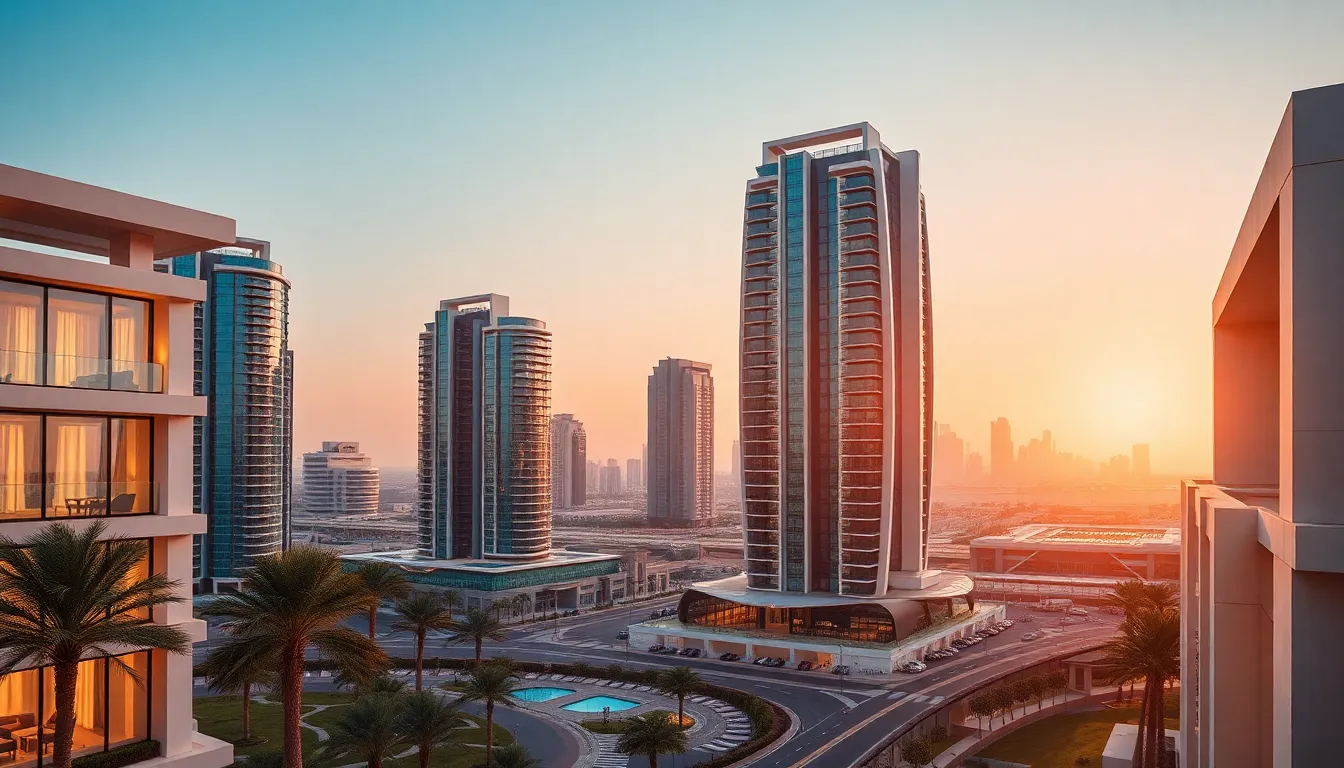
Is 2026 the Year to Invest in UAE Real Estate?
The UAE real estate market has been on a remarkable trajectory. From record-breaking sales in Dubai to Abu Dhabi's steady growth, the sector continues to attract global investors. But with 2026 on the horizon, many are asking: is it still a good time to invest? The short answer is yes, but with caveats. Market dynamics are shifting. Supply is increasing, interest rates are stabilizing, and new laws are reshaping ownership structures. This article breaks down everything you need to know about investing in UAE real estate in 2026.
Why Is UAE Real Estate Attractive in 2026?
The UAE remains a safe haven for capital. Political stability, tax-free income, and world-class infrastructure keep demand high. In 2026, several factors converge to make property investment particularly compelling. First, population growth continues at 2-3% annually, driven by expatriates and new visa schemes. Second, the government has introduced long-term Golden Visas for property buyers. Third, the Expo 2020 legacy projects are maturing, offering developed communities with high livability. Finally, rental yields in Dubai average 7%, outperforming London (3%) and New York (4%).
What Are the Best Cities for Investment in 2026?
Dubai remains the top choice. Its diversified economy, tourism, and business-friendly environment attract buyers from Asia, Europe, and the Middle East. Key areas: Dubai Marina, Downtown, and Palm Jumeirah for luxury; Jumeirah Village Circle and Dubai South for affordable options. Abu Dhabi offers stability and higher yields in areas like Saadiyat Island and Yas Island. Ras Al Khaimah is emerging, with lower entry prices and growing tourism. For long-term capital appreciation, Dubai leads. For steady rental income, Abu Dhabi's mature market wins.
How Do Rental Yields Compare Across Emirates?
| Emirate | Average Rental Yield (2026) | Capital Appreciation (5-year outlook) | Entry Price (Studio) |
|---|---|---|---|
| Dubai | 7-9% | 4-6% p.a. | AED 500,000 |
| Abu Dhabi | 6-8% | 3-5% p.a. | AED 400,000 |
| Ras Al Khaimah | 8-10% | 5-7% p.a. | AED 300,000 |
| Sharjah | 9-11% | 2-4% p.a. | AED 250,000 |
What Are the New Laws Affecting Property Investment?
In 2025, the UAE introduced updates to the Property Law, enhancing transparency and investor protection. Key changes include mandatory escrow accounts for off-plan projects, stricter developer licensing, and a new real estate regulatory authority for each emirate. The 100% foreign ownership law in certain areas remains, now extended to more freehold zones. Additionally, the 2% annual property tax in Dubai is unchanged, but Abu Dhabi has reduced registration fees to 1.5% for first-time buyers. These laws aim to prevent speculation and ensure quality.
Should You Buy Off-Plan or Ready Property in 2026?
Off-plan properties offer lower entry prices and payment plans. But they carry completion risk. In 2026, the market is more regulated, so reputable developers are safer. Ready properties provide instant rental income and tangible assets. For first-time investors, ready units in established communities are recommended. Off-plan suits those with higher risk tolerance and longer horizons. Always check the developer's track record and the project's escrow account.
What Are the Financing Options for Expats?
Mortgages are available for expats with a 20% down payment for properties up to AED 5 million, and 30% for higher values. Interest rates in 2026 are expected to stabilize around 4-5% (fixed for 2-3 years). Banks require a minimum salary of AED 15,000 and a good credit score. Islamic mortgages (Murabaha) are also popular. Pre-approval is quick. Compare rates from Emirates NBD, ADCB, and Dubai Islamic Bank.
How to Maximize ROI in 2026?
Location is everything. Focus on areas near metro stations, schools, and shopping malls. Buy in communities with high occupancy rates. For short-term rentals, consider tourist hotspots like Downtown or Dubai Marina. For long-term, choose family-oriented areas like Arabian Ranches or The Springs. Renovate slightly to increase property value. Hire a reputable property management company to handle tenants. Monitor market cycles; avoid buying during peak hype.
What Are the Tax Implications?
The UAE has no property tax, capital gains tax, or income tax on rental revenue. This is a huge advantage. However, there are one-time fees: 4% transfer fee for Dubai, 2% for Abu Dhabi. Annual service charges range from AED 10-30 per sq ft depending on the community. No VAT on residential property purchases, but commercial properties attract 5% VAT. Investors enjoy a tax-free environment, which boosts net returns.
What About Sustainability and Green Buildings?
In 2026, green buildings are more than a trend. Dubai's Al Safat rating system and Abu Dhabi's Estidama encourage energy-efficient properties. Investors are increasingly favoring sustainable developments like The Sustainable City or Masdar City. These properties command higher rents and resale values. Plus, lower utility bills for tenants. The UAE aims for net-zero by 2050, so green buildings will only grow in demand.
What Are the Risks to Watch?
Market oversupply is a risk in certain segments. In 2026, new supply in Dubai is expected to increase by 15-20%, which could pressure rents and prices in less popular areas. Interest rate hikes could affect mortgage affordability. Global economic downturns may impact investor sentiment. Always diversify. Don't put all your capital into one property. Work with a real estate advisor to mitigate risks.
Frequently Asked Questions
Can I get a mortgage as a non-resident? Yes, non-residents can get mortgages up to 50-60% of property value, with higher down payments (35-40%).
What is the minimum investment for a Golden Visa? AED 2 million (approx. USD 545,000) for a 10-year renewable visa.
How long does the buying process take? Typically 30-45 days for ready properties, longer for off-plan.
Are there restrictions on reselling off-plan? Yes, some developers require a holding period (e.g., 12 months) before resale.
Can I rent out my property immediately? Yes, once you have the title deed and tenancy contract registered with Ejari in Dubai.
What is the best property type for first-time investors? Studios or one-bedroom apartments in central locations like Dubai Marina or Business Bay.
How do I choose a reliable real estate agent? Look for RERA-certified agents with positive reviews and a proven track record.
Ready to find your ideal investment? explore available listings across top UAE locations. For deeper market analysis, read more insights on our blog. Have questions? speak with our advisors for personalized guidance.
By the Siddhi Enterprises (Real Estate) Research Team | Over 10 years of Dubai property market expertise
Siddhi Team
Dubai Real Estate Experts helping Indian investors find their perfect property in UAE.