
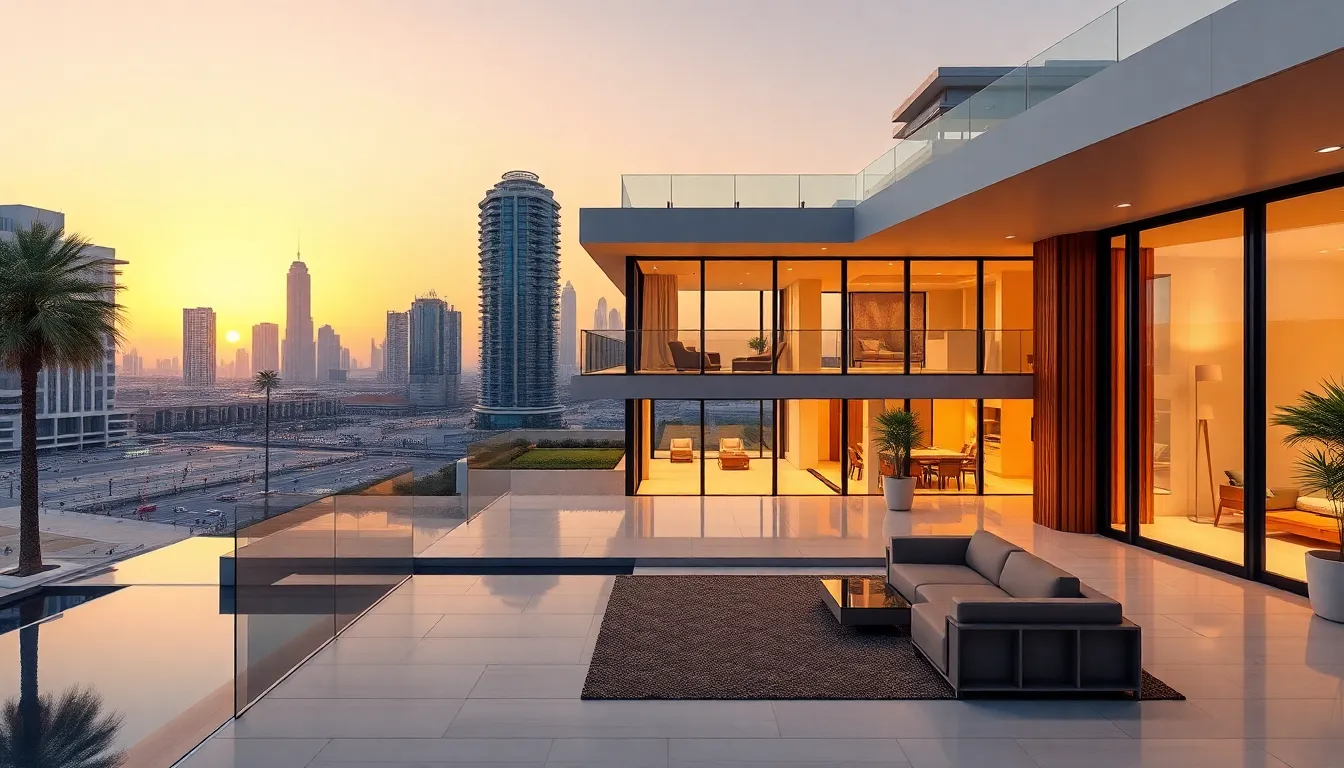
Is 2026 the Right Time to Buy Property in Dubai?
Dubai's property market has defied global trends. While other cities saw slowdowns, Dubai kept climbing. But 2026 brings a new phase. Prices aren't skyrocketing like 2021–2023. They're stabilising. That's good news for buyers.
You're not late to the party. You're arriving right when the music settles. Smart investors know that stability beats frenzy. Let's break down why 2026 is your year to buy property in Dubai.
Why Is Dubai Property Still a Good Investment in 2026?
Dubai's economy is on fire. GDP growth hit 4.5% in 2025. Forecasts for 2026 are similar. The city attracts talent, tourists, and capital. Expo City Dubai is now a permanent innovation hub. New businesses keep coming.
Real estate follows jobs. More people moving in means more demand for housing. Supply is increasing, but smartly. The Dubai Land Department ensures balanced growth. Oversupply fears are overblown.
Rental yields remain world-class. A typical apartment yields 6-8% gross. Villas can hit 5-7%. Compare that to London (2-3%) or New York (3-4%). Your money works harder here.
What Are the Best Areas to Buy Property in Dubai for 2026?
Location matters more than ever. Here are the top picks for 2026:
- Dubai Hills Estate: Family-friendly, golf course, central location. Prices start at AED 1.2 million for apartments.
- Dubai Creek Harbour: The new downtown. Stunning skyline, Creek views. Apartments from AED 900,000.
- Jumeirah Village Circle (JVC): Affordable, high rental demand. Studios from AED 400,000.
- Palm Jumeirah: Ultra-luxury. Prices have softened slightly. Great for long-term capital appreciation.
Emerging areas like Dubai South and Al Furjan offer lower entry points. They benefit from the new Al Maktoum International Airport expansion. Early movers often win.
How Do Dubai Property Prices Compare to Other Global Cities?
| City | Avg. Price per sqm (USD) | Gross Rental Yield | Property Tax | Foreign Ownership |
|---|---|---|---|---|
| Dubai | $4,500–$6,000 | 6-9% | 0% | Freehold in designated areas |
| London | $12,000–$18,000 | 2-3% | Up to 3% annual | Restricted |
| New York | $14,000–$20,000 | 2-4% | 1-2% + taxes | Unrestricted |
| Sydney | $10,000–$15,000 | 2-4% | Stamp duty + surcharges | Restricted |
The table shows Dubai's advantage. Lower entry prices. Higher returns. Zero property tax. Foreigners can buy freehold. No other global hub offers this combo.
What Are the New Laws and Regulations Affecting Buyers in 2026?
Dubai constantly improves its legal framework. In 2026, key changes include:
- Long-term visas: Property buyers can get 10-year Golden Visas for investments over AED 2 million. Even 5-year visas for lower amounts.
- Title deed protection: The Dubai Land Department now offers instant title deed registration. It's fast and secure.
- Escrow accounts: All off-plan payments go into regulated escrow. Your money is safe.
- New rental cap: Some areas now have rental increase caps. Good for tenants, but investors should check.
These changes make buying safer. They also increase transparency. Dubai wants serious investors. Not speculators.
How Can Foreigners Buy Property in Dubai?
It's simple. No citizenship required. No residency needed. You can buy as a non-resident.
Steps:
- Choose a property. Freehold areas are clearly marked.
- Make an offer. Negotiate. Agree on price.
- Sign a sale agreement. Pay a deposit (usually 10%).
- Get a No Objection Certificate (NOC) from the developer (for off-plan) or the master community (for resale).
- Transfer ownership at the Dubai Land Department. Pay registration fees (4% of price).
The whole process takes 2-4 weeks. It's straightforward. Many agents handle everything for you.
What Are the Risks of Buying Property in Dubai?
No investment is risk-free. Dubai has some unique ones.
- Market volatility: Prices can drop. In 2008, they fell 50%. But recovery was quick. Today's market is more regulated.
- Oversupply in some segments: Luxury villas face oversupply. Mid-range apartments are tight.
- Currency fluctuation: The dirham is pegged to the US dollar. If your home currency weakens, your investment loses value.
- Off-plan delays: Some developers delay projects. Stick with reputable names like Emaar, Nakheel, or Damac.
Mitigate risks by buying in established areas. Stick to ready properties if you're risk-averse. Always do due diligence.
How to Choose the Right Property in Dubai?
Define your goal first. Capital growth? Rental income? Personal use?
- For rental yield: Look at JVC, Dubai Sports City, or International City. Studios and one-beds rent well.
- For capital appreciation: Focus on prime locations like Palm Jumeirah, Downtown, or Dubai Hills.
- For family living: Consider villa communities like Arabian Ranches, The Springs, or Al Barari.
Check the developer's track record. Visit the area at different times. Talk to current residents. Use explore available listings to compare options.
What Are the Hidden Costs of Buying in Dubai?
Beyond the purchase price, budget for:
- Dubai Land Department fee: 4% of property value.
- Agent commission: Usually 2% (negotiable).
- Morgage arrangement fee: 1% if using a loan.
- Property valuation fee: Around AED 3,000 for mortgage.
- Annual service charges: Vary by community. Typically AED 10-30 per sqft.
- DEWA connection fee: About AED 1,000.
Factor these into your budget. They add up to around 7-8% of the property value.
Should You Buy Off-Plan or Ready Property?
Off-plan pros: Lower prices, payment plans, potential capital appreciation.
Off-plan cons: Delays, uncertainty, no rental income until completion.
Ready property pros: Immediate rental income, no wait, you see what you get.
Ready cons: Higher upfront cost, lower potential for quick gains.
In 2026, both options work. Off-plan is good for long-term investors with patience. Ready is better for immediate cash flow.
Frequently Asked Questions
Can I get a mortgage as a foreigner in Dubai?
Yes. Many banks offer mortgages to expats and non-residents. You'll need a down payment of at least 20% (first property) or 30% (second property). Rates are competitive, around 4-5% fixed for the first few years.
Is Dubai property a safe investment?
Regulation has improved massively. The Real Estate Regulatory Authority (RERA) protects buyers. Escrow accounts and title deeds are secure. Like any market, prices fluctuate. But long-term trends are upward.
What is the minimum budget to buy in Dubai?
You can start from AED 400,000 for a studio in JVC. For a one-bedroom, expect AED 700,000. Villas start around AED 1.5 million. There's something for every budget.
Do I need a visa to buy property in Dubai?
No visa required to purchase. But if you want to live here, you can get a residence visa by investing in property. The minimum is AED 750,000 (old rule) or AED 1 million (new rule for Golden Visa? Actually Golden Visa requires AED 2 million. For standard property visa, AED 750k still works.
How long does the buying process take?
Typically 2-4 weeks from offer to handover. Cash purchases faster. Mortgage adds 2-3 weeks.
What are the best areas for rental yield?
JVC, Dubai Sports City, International City, and Deira. Yields here often exceed 7%.
Can I buy property as a company?
Yes. Many investors use offshore companies or free zone companies to hold property. This can offer tax advantages and privacy. Consult a legal expert.
Final Thoughts: Is 2026 Your Year?
Absolutely. The stars align. Stable prices. Strong economy. Friendly laws. High yields. Dubai isn't just a safe haven. It's a wealth builder.
Don't wait for the perfect moment. It's now. Start by exploring available listings and read more insights on our blog. When you're ready, speak with our advisors.
By the Siddhi Enterprises (Real Estate) Research Team | Over 10 years of Dubai property market expertise
Siddhi Team
Dubai Real Estate Experts helping Indian investors find their perfect property in UAE.