
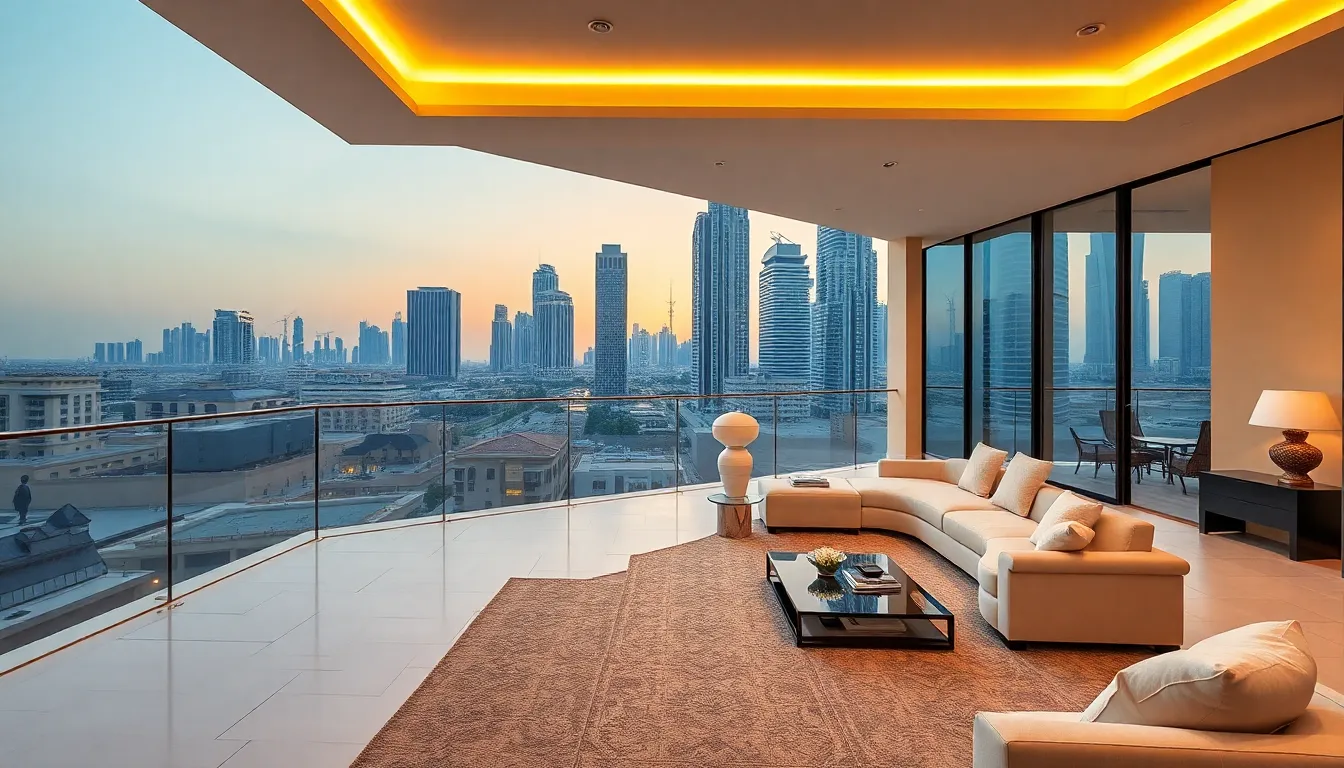
Is 2026 the Best Time to Invest in UAE Property?
UAE property investment has long been a magnet for global capital. And 2026 is shaping up to be a pivotal year. The market is maturing. Yet it still offers high yields compared to other global hubs. Let's break down the key factors you need to know.
Why Should You Invest in UAE Property in 2026?
The UAE real estate market has shown remarkable resilience. Post-pandemic, it bounced back stronger than almost any other market. In 2026, the fundamentals remain solid. Population is growing at over 2% annually. The economy is diversifying away from oil. Tourism is booming. And the government is actively encouraging foreign investment through long-term visas and relaxed ownership rules. All these factors support sustained demand for residential and commercial property.
What Are the Best Areas to Invest in Dubai for 2026?
Dubai's property market is not monolithic. Different districts cater to different investor profiles. For capital appreciation, focus on areas with upcoming infrastructure. Dubai South, near the new Al Maktoum International Airport, is a hotspot. The Expo City Dubai legacy continues to attract businesses and residents. For rental yield, go for established communities like Dubai Marina, JLT, and Business Bay. They offer yields of 7-9%. For luxury, Palm Jumeirah and Emirates Hills remain top-tier, but entry prices are high. A smart strategy is to diversify across segments.
Which UAE Cities Offer the Best Returns in 2026?
While Dubai dominates headlines, Abu Dhabi is a strong contender. The capital offers more stable, less volatile price growth. Saadiyat Island, with its cultural district and beachfront living, is a prime pick. Rental yields in Abu Dhabi average 5-7%, but capital appreciation is steadier. Meanwhile, Sharjah and Ras Al Khaimah are emerging as affordable alternatives. They offer higher yields (up to 10%) but with less liquidity. For a balanced portfolio, consider a mix of Dubai and Abu Dhabi properties.
| City | Avg. Rental Yield | Capital Growth (2026 Forecast) | Entry Price (1BR Apt) |
|---|---|---|---|
| Dubai | 6-8% | 5-8% | AED 800,000 |
| Abu Dhabi | 5-7% | 3-5% | AED 700,000 |
| Sharjah | 8-10% | 2-4% | AED 500,000 |
| Ras Al Khaimah | 7-9% | 4-6% | AED 600,000 |
How Do You Finance a Property Purchase in the UAE?
Financing is straightforward for most investors. Non-residents can get mortgages up to 50% of the property value. Residents can get up to 80% for first homes and 60% for second homes. Banks require a down payment of at least 20% for expats. Interest rates are competitive, averaging 4-5% fixed for the first few years. You'll need to factor in closing costs of around 4-7% (DLD fee, agent commission, etc.). For off-plan purchases, payment plans spread over construction period are common, often requiring 10-20% upfront.
What Are the Tax Implications for Property Investors?
One of the biggest draws of UAE property investment is the tax-friendly environment. There is no property tax, no capital gains tax, and no rental income tax. The only recurring cost is the annual municipal fee of 2.5% of the property's value for Dubai and 3% for Abu Dhabi (for residential). When you sell, you pay a one-time transfer fee of 4% in Dubai (split between buyer and seller) and 2% in Abu Dhabi. This low-tax regime significantly boosts net returns compared to other global markets.
What Are the Risks of Investing in UAE Real Estate in 2026?
No investment is risk-free. Oversupply is a concern in some segments. The Dubai market has seen periods of oversupply leading to price corrections. In 2026, new supply is expected to be around 30,000 units in Dubai, which is manageable but could soften prices in some areas. Another risk is currency fluctuation. The dirham is pegged to the US dollar, so a strong dollar can make properties more expensive for foreign investors. Also, off-plan projects carry completion risk. Always choose developers with a strong track record, like Emaar or Aldar.
What Is the Process for Buying Property in the UAE as a Foreigner?
Foreigners can buy freehold property in designated areas. The process is simple. Step 1: Choose your property and negotiate the price. Step 2: Sign a Memorandum of Understanding (MoU) and pay a 10% deposit (usually). Step 3: Apply for a No Objection Certificate (NOC) from the developer. Step 4: Transfer the property at the Land Department, where you pay the transfer fee and register the title deed. The entire process takes 2-4 weeks. You'll need a valid passport, proof of funds, and sometimes a residency visa if you're a resident.
Frequently Asked Questions
Can I get a mortgage as a non-resident in the UAE?
Yes, non-residents can obtain mortgages up to 50% of the property value from select banks. You'll need to provide proof of income, bank statements, and a valid passport. Interest rates are slightly higher than for residents, around 5-6%.
What is the minimum down payment required?
For non-residents, the minimum down payment is 20-30% depending on the bank. For residents, it's 20% for the first property and 30% for subsequent properties. Off-plan projects often require 10-20% upfront.
Are there any restrictions on selling property?
No, there are no restrictions on selling. You can sell anytime after purchase. However, if you sell within two years, you may be subject to a 2% Early Sale Fee in some emirates. Always check the developer's policy.
What are the annual costs of owning property?
Annual costs include service charges (AED 10-20 per sq ft), municipality tax (2.5-3% of property value), and utilities. Total carrying costs are typically 1-2% of the property value per year.
How is rental income taxed?
Rental income is tax-free in the UAE. There is no personal income tax or property tax. However, you may be subject to tax in your home country depending on its laws.
Can I get a residency visa through property investment?
Yes, the UAE offers a 2-year renewable residency visa for property owners who invest at least AED 750,000. The Golden Visa (10-year) requires a minimum investment of AED 2 million.
What is the best property type for investment?
For rental yield, studios and 1-bedroom apartments in high-demand areas like Dubai Marina and Downtown offer the best returns. For capital appreciation, villas in emerging communities like Dubai Hills Estate and Mohammed Bin Rashid City are top picks.
To summarize, 2026 is a strong year for UAE property investment. The market offers high yields, low taxes, and a stable regulatory environment. Focus on prime locations, reputable developers, and a diversified portfolio. For personalized advice, speak with our advisors. Or explore available listings to start your journey. And read more insights on our blog.
By the Siddhi Enterprises (Real Estate) Research Team | Over 10 years of Dubai property market expertise
Siddhi Team
Dubai Real Estate Experts helping Indian investors find their perfect property in UAE.