
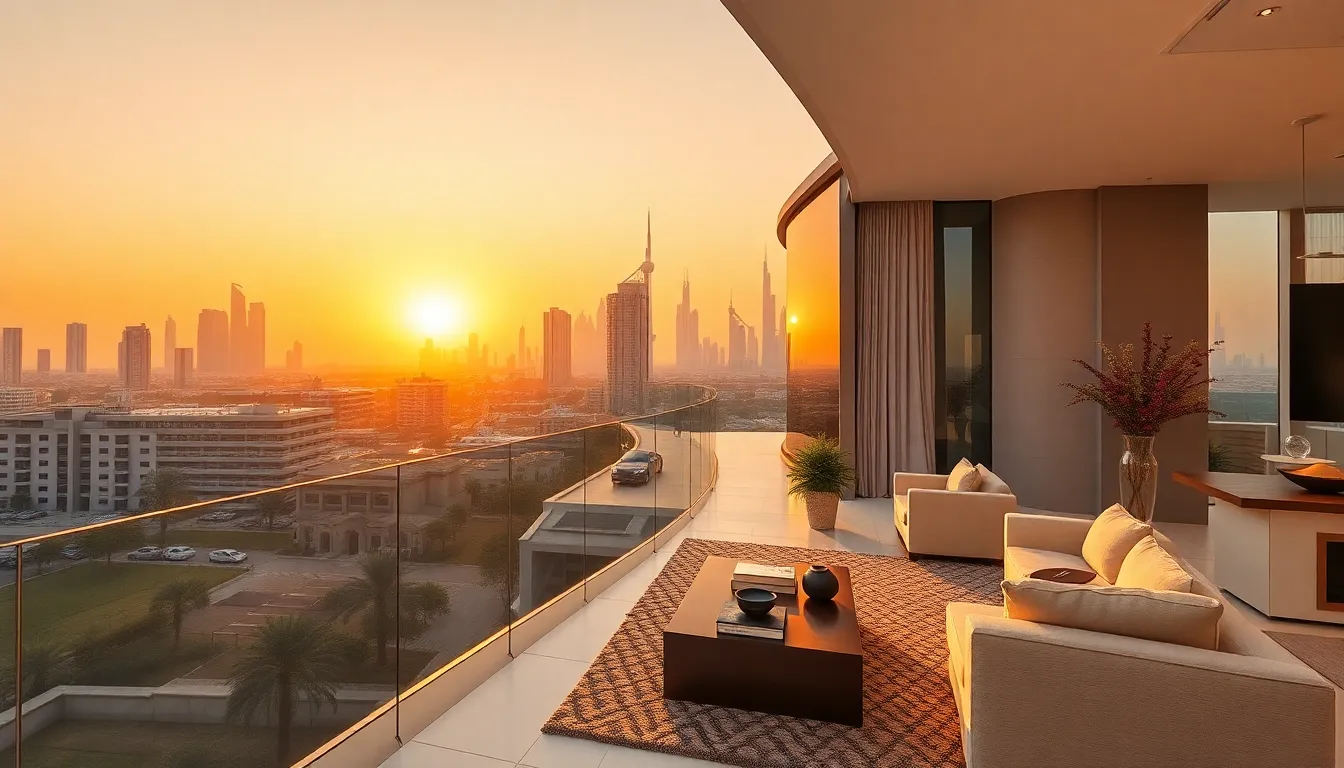
Is 2026 the Best Time to Buy Property in UAE?
The UAE property market has always been a magnet for global investors. In 2026, it's no different. But timing is everything. Are you wondering if now is the right moment to buy? Let's break down the numbers, trends, and expert insights. This guide is for first-time buyers and seasoned investors alike. We'll cover everything from prices to legalities. By the end, you'll know exactly what to do.
What Is Driving the UAE Property Market in 2026?
Several powerful forces are shaping the market. First, population growth. Dubai's population is expected to reach 3.6 million by 2026. More people mean more demand for housing. Second, the economy is diversifying. Sectors like tech, finance, and tourism are booming. This attracts high-net-worth individuals. Third, government initiatives like the Golden Visa and 100% foreign ownership in free zones make buying easier. Fourth, Expo 2020's legacy continues with new developments like Expo City. Finally, UAE dirham remains pegged to the US dollar, offering currency stability for international buyers.
But there's more. Infrastructure projects are underway. The Dubai Metro expansion and new roads improve connectivity. This raises property values in previously overlooked areas. Also, the UAE's safe haven status amid global uncertainties drives capital inflows. In 2026, these factors converge to create a buyer-friendly environment. Yet, caution is needed—oversupply in some segments could soften prices.
How Do 2026 Property Prices Compare to Previous Years?
Let's talk numbers. After a record run in 2022-2024, growth is normalizing. In 2025, prices in prime areas like Palm Jumeirah and Downtown Dubai increased by 6-10%. In 2026, we expect a more moderate 5-8% growth. This is healthy—not a bubble. Compare to 2020 when prices dipped 8% during COVID. The current cycle is sustainable. Table below shows average price per square foot for key areas:
| Area | 2024 Price (AED/sq.ft) | 2026 Predicted Price (AED/sq.ft) | % Change |
|---|---|---|---|
| Dubai Marina | 1,750 | 1,890 | +8% |
| Downtown Dubai | 2,100 | 2,268 | +8% |
| Palm Jumeirah | 2,500 | 2,700 | +8% |
| Dubai South | 1,100 | 1,210 | +10% |
As you can see, areas near Expo City and new developments show higher growth. Off-plan properties also offer discounts if you buy early. But beware of delayed projects. Stick with reputable developers.
Which Areas Offer the Best Value in 2026?
Value is subjective. But we can identify high-potential zones. For luxury, Palm Jumeirah and Emirates Hills remain top. But they're pricey. For mid-range, consider Jumeirah Village Circle (JVC) or Arabian Ranches. JVC offers family-friendly villas at 40% less than Palm. For investment, Dubai South and Dubai Creek Harbour are future hotspots. They're near airports and Expo City. Also, check out Sharjah and Ajman for affordable options with decent rental yields. But remember, location affects resale value. Always prioritize areas with infrastructure and demand.
Another tip: look at communities with high rental occupancy. In 2026, areas like Business Bay and Barsha Heights have 85%+ occupancy. This means lower vacancy risk. For capital appreciation, emerging areas like Port de la Mer and Emaar Beachfront offer sea views and new amenities. Do your due diligence. Visit the area, check commute times, and talk to residents.
What Are the Best Financing Options for Buyers in 2026?
Mortgage rates in the UAE are expected to drop in late 2026. The UAE Central Bank follows the US Fed. If rates fall, borrowing becomes cheaper. For UAE nationals, down payment is as low as 15%. For expats, 20% for properties under AED 5 million, 30% for above. Fixed-rate mortgages are popular now. They lock in a rate for 2-5 years. Compare offers from banks like Emirates NBD, ADCB, and Mashreq. Some developers offer payment plans with 0% interest for off-plan. But read the fine print. Also, consider Islamic mortgages (Murabaha) which are interest-free.
Cash buyers have an edge. You can negotiate discounts of 5-10%. In 2026, sellers are more flexible after the boom. If you're using mortgage, get pre-approved first. This speeds up the process. Remember, buying costs include 4% transfer fee (Dubai Land Department), 2% agency fee, and 0.25% registration. Budget 7-8% extra on purchase price.
How Do New Laws and Regulations Affect Buyers in 2026?
The UAE government constantly improves investor protection. In 2024, they introduced the 'Real Estate Regulatory Agency' (RERA) updates. By 2026, these are fully implemented. Key changes: Escrow accounts for off-plan projects are mandatory. Developers must register with RERA. This reduces fraud risk. Also, the 'Golden Visa' now applies to property buyers with AED 2 million investment. You can get 10-year residency. For companies, 100% foreign ownership is allowed in most sectors. This attracts business owners. Additionally, the 'UAE Real Estate Ownership Law' for GCC nationals allows freehold in all areas. For other expats, freehold is in designated zones. Always check if the area is freehold or leasehold. Leasehold is usually 99 years.
Another important law: the 'Right of First Refusal' for tenants. If you buy a rented property, the tenant has first option to buy. This can delay your purchase. Negotiate with the tenant or wait for lease expiry. Also, the 'VAT on property' remains at 5% for commercial, but residential is exempt. Good news for homebuyers.
What Are the Hidden Costs of Buying Property in the UAE?
Many first-time buyers forget these. Let's list them. 1) Dubai Land Department fee: 4% of property price + AED 4,000. 2) Agent commission: 2% + VAT. 3) Mortgage registration fee: 0.25% + AED 290. 4) Valuation fee: AED 3,000-5,000. 5) Service charges: annual fees for maintenance, usually 10-20 AED/sq.ft. 6) Life insurance for mortgage: mandatory, about 0.5% of loan. 7) Property insurance: optional but recommended. 8) Moving costs: average AED 3,000. 9) Utility connection: AED 1,000-2,000. 10) Annual chiller fees (for central cooling): AED 5,000-15,000. Totaling 8-10% of purchase price. Budget carefully.
Pro tip: negotiate with the seller to cover some costs. In a buyer's market, you can ask them to pay the transfer fee. Also, use a recommended agent from Siddhi Enterprises to avoid hidden charges.
How Does the 2026 UAE Property Market Compare Globally?
Let's put things in perspective. Compared to London, New York, or Singapore, UAE property is affordable. Average per sq.ft in Dubai is AED 1,500 (USD 408). In London, it's AED 4,500 (USD 1,225). In New York, AED 6,000 (USD 1,633). Plus, UAE has no property tax, no capital gains tax, and high rental yields of 6-9%. London yields are 3-4%. Singapore yields 2-3%. So UAE offers better cash flow. However, global uncertainty like US-China trade wars and oil price volatility can impact. But UAE's diversification reduces risk.
Another advantage: ease of buying. No visa requirements for viewing. You can buy remotely. Many developers accept cryptocurrencies. This attracts tech-savvy investors. Also, the UAE's timezone bridges East and West, making it a hub for global business. All these factors make UAE property a top choice in 2026.
What Are the Risks of Buying Property in the UAE in 2026?
No investment is risk-free. Here are key risks. Oversupply: some areas have too many units, especially in mid-market. This can lower prices and rental yields. Check absorption rates. Another risk: developer delays. Even with new laws, delays happen. Stick to developers with proven track records like Emaar, Nakheel, Damac. Also, currency risk: if you're earning in weak currency, your repayments in AED/Dirham may increase. But the dirham is pegged to USD, so stable. Interest rate risk: if rates rise, variable mortgage payments increase. Choose fixed-rate. Finally, geopolitical risk: Middle East tensions can affect sentiment. But UAE is a safe haven, and recent normalization with Israel reduces risk.
To mitigate, diversify your portfolio. Don't put all money in one property. Also, use leverage wisely. Aim for 60-70% loan-to-value. Keep emergency funds for 6 months of expenses. And always consult a professional. Speak with our advisors for personalized risk assessment.
How to Start the Buying Process in 2026?
Step-by-step guide. First, define your goal: investment or personal use? For investment, focus on rental yield and appreciation. For personal, consider lifestyle and schools. Second, set a budget. Include all costs. Third, get mortgage pre-approval if needed. Fourth, research areas. Visit properties. Fifth, negotiate price. Sixth, sign a Memorandum of Understanding (MOU) with seller. Pay 10% deposit. Seventh, apply for mortgage (if any). Eighth, complete transfer at Dubai Land Department. Ninth, register property in your name. Tenth, get keys. Done!
But we recommend working with an expert. Explore available listings on our site. We have curated options for 2026. Also, read more insights on our blog for latest market updates.
Frequently Asked Questions
1. Can foreigners buy property in UAE in 2026? Yes, in designated freehold areas. 100% ownership allowed.
2. What is the minimum down payment for expats? 20% for properties under AED 5M, 30% for above.
3. Are there any taxes on property in UAE? No property tax, no capital gains tax. Only 4% transfer fee.
4. How long does the buying process take? Typically 4-8 weeks from offer to handover.
5. Can I get a mortgage as a non-resident? Yes, many banks offer mortgages to non-residents with 40-50% down payment.
6. What is the Golden Visa for property buyers? 10-year residency for property worth AED 2M+.
7. Is 2026 a good year for off-plan investments? Yes, but choose reputable developers. Off-plan can offer 10-20% discounts.
By the Siddhi Enterprises (Real Estate) Research Team | Over 10 years of Dubai property market expertise
Siddhi Team
Dubai Real Estate Experts helping Indian investors find their perfect property in UAE.