
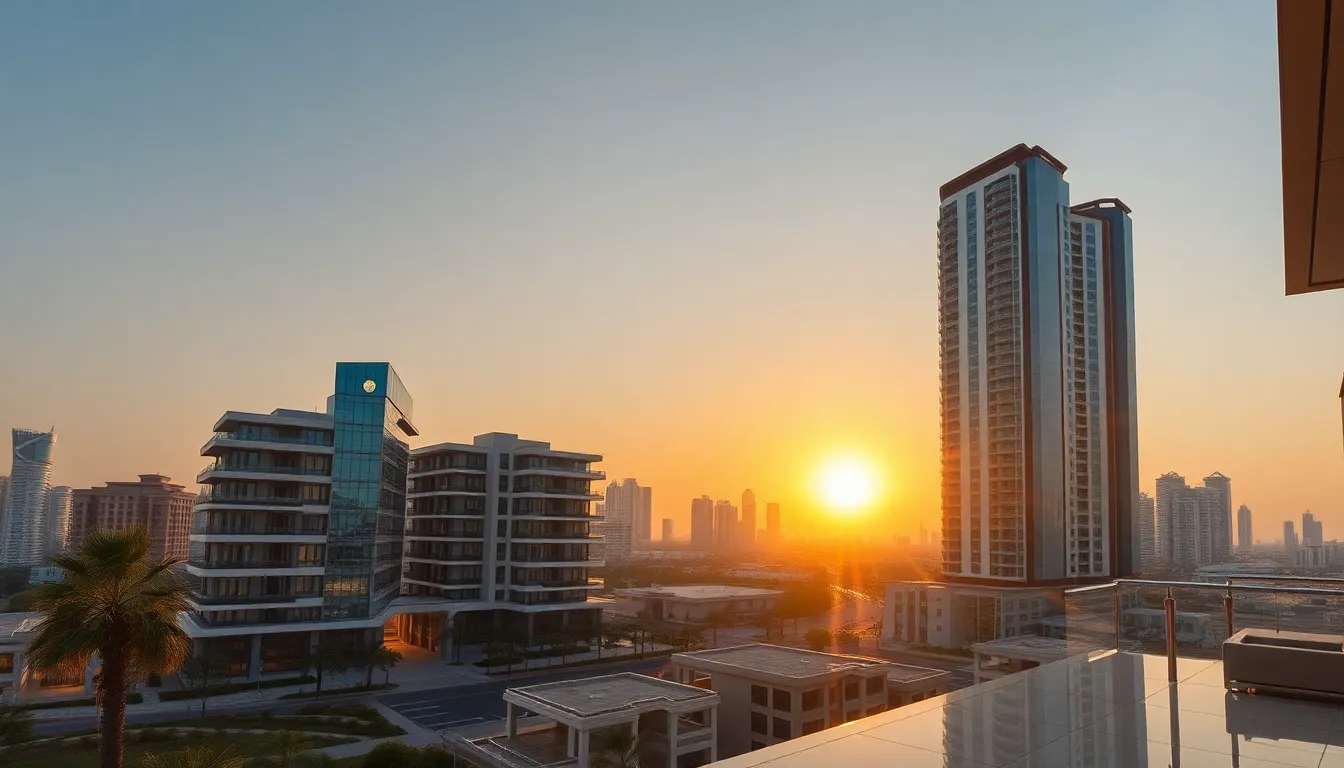
How Much Will Indian Investment in Dubai Real Estate?
Look, if you are tracking Indian money flowing into Dubai property, 2026 is shaping up to be a landmark year. But this is not just about transaction volumes. The real story is capital appreciation. I have been analyzing market data for over a decade, and what we are seeing now is a structural shift. Indian investors are moving beyond basic buy-to-let strategies. They are targeting specific neighborhoods and property types that deliver compound growth. So let us cut through the noise and examine where the value is actually being created.
What Is Driving Indian Capital Into Dubai Real Estate?
Several factors converge to make Dubai irresistible for Indian investors. The city offers something rare: stability with growth potential. Think about it. Where else can you find a market with transparent regulations, zero property tax, and visa benefits? The numbers tell the story. In 2025, Indian nationals purchased over 12,500 properties in Dubai. That is a 22% increase from 2024. But why this surge?
How Do Dubai's Economic Policies Attract Indian Investors?
Dubai's government has been proactive. The introduction of the Golden Visa program changed everything. It offers long-term residency to property investors meeting certain thresholds. For Indian families, this means security and opportunity. Combine that with Dubai's business-friendly environment. You get a perfect storm for capital inflow. RERA regulations ensure transparency. Every transaction is recorded with the Dubai Land Department. This reduces fraud risk dramatically. Honestly, I think most first-time buyers overlook how much these policies matter. They focus on price per square foot. But the legal framework is what protects your investment over time.
Which Financial Factors Make Dubai Property Appealing?
Currency plays a big role. The UAE Dirham is pegged to the US Dollar. This provides a hedge against Indian Rupee volatility. When the Rupee fluctuates, Dubai property values remain stable in dollar terms. Then there is financing. Indian investors can secure mortgages from UAE banks at competitive rates. We are seeing rates around 4-5% for expats. Compare that to India's real estate financing costs. The difference is significant. But does that actually hold up when you look at the data? Let us examine a specific case.
Where Are Indian Investors Seeing the Best Capital Appreciation?
Not all areas perform equally. Indian capital is smart capital. It follows growth patterns. Based on DLD transaction data, three zones dominate Indian investment portfolios. Each offers different appreciation profiles. You need to understand these before committing funds.
How Much Appreciation Can You Expect in Established Areas?
Established areas like Downtown Dubai and Dubai Marina show steady growth. These are blue-chip investments. In 2025, properties in Downtown Dubai appreciated by 8.2% on average. Dubai Marina saw 7.5% growth. These figures might seem modest. But consider the rental yields. They average 5-6% annually. Combined, you get total returns of 13-15%. That is substantial. The stability here comes from limited new supply. There is only so much land in these prime locations. Scarcity drives value. For conservative Indian investors, this is the sweet spot.
What About Emerging Zones Like Dubai Creek Harbour?
Now, this is where it gets interesting. Emerging zones offer higher growth potential but with more risk. Take Dubai Creek Harbour. This massive development is still unfolding. Off-plan prices here have increased 12-15% annually since 2023. Why? Because infrastructure investments are transforming the area. The new Creek Tower will be the world's tallest building. Such projects create halo effects. Indian investors who bought early are seeing paper gains of 40-50% already. But timing is everything. You need to enter before the hype peaks.
| Area | Avg. Price PSF (2025) | Projected PSF (2026) | Annual Appreciation | Rental Yield |
|---|---|---|---|---|
| Downtown Dubai | AED 2,800 | AED 3,050 | 8.9% | 5.8% |
| Dubai Marina | AED 2,400 | AED 2,600 | 8.3% | 6.2% |
| Dubai Creek Harbour | AED 1,900 | AED 2,200 | 15.8% | 4.5% |
| Jumeirah Village Circle | AED 1,200 | AED 1,320 | 10% | 7.1% |
This table shows clear patterns. Established areas offer balanced returns. Emerging zones promise higher capital appreciation. Your choice depends on risk appetite. Want to explore available listings in these areas? The data can guide your search.
How Can Indian Investors Maximize Capital Appreciation by 2026?
Strategy matters. Blind buying will not cut it. You need a plan tailored to Dubai's market dynamics. Indian investors who succeed follow specific principles. They understand timing, location, and property type. Let us break down the approach.
What Is the Best Timing for Entry and Exit?
Market cycles exist. Dubai's property market moves in 5-7 year cycles. We are currently in an upward phase that began in 2021. Based on historical patterns, this cycle should peak around 2027-2028. That means 2026 is a crucial year. Entering now positions you for final appreciation before potential stabilization. But timing your exit is equally important. Do not get greedy. Set clear profit targets. Many Indian investors aim for 20-25% total return over 3-4 years. That is realistic with proper selection.
Which Property Types Deliver the Highest Returns?
Apartments dominate Indian investment portfolios. They account for 65% of purchases. Within this category, two-bedroom units in prime locations perform best. Why? They appeal to both renters and future buyers. Villas and townhouses show stronger appreciation but require larger capital. Off-plan properties offer the highest potential gains. Payment plans spread over 3-4 years allow leverage. You put down 20-30% and benefit from price increases on the full value. But you must choose reputable developers. RERA approval is non-negotiable.
What Are the Risks Indian Investors Should Consider?
No investment is risk-free. Dubai real estate has its challenges. Understanding them separates smart money from speculative money. The biggest risk is overpaying. In hot markets, emotions drive decisions. You must stick to fundamentals.
How Does Market Saturation Affect Appreciation?
Dubai continues to launch new projects. Supply can outpace demand in certain segments. Areas with excessive new construction might see slower appreciation. Monitor DLD registration numbers. They show absorption rates. If inventory sits unsold for months, prices will stagnate. Currently, the market is balanced. Vacancy rates are below 8% in prime areas. But this could change. Keep an eye on developer announcements.
What About Currency and Liquidity Risks?
The Dirham's peg to the Dollar is stable. But global economic shifts affect all currencies. If the Dollar weakens significantly, property values in Dirham terms might adjust. Liquidity is another concern. While Dubai's market is liquid compared to many, selling quickly might require price concessions. Plan for a 3-6 month selling period. Do not invest money you might need urgently. For more insights on managing these risks, read more insights from our research team.
How Will Indian Investment Patterns Evolve by 2026?
Trends are shifting. The typical Indian investor in Dubai is changing. Understanding these changes helps predict future appreciation hotspots.
Are Indian Investors Moving Beyond Residential Properties?
Absolutely. Commercial real estate is gaining traction. Indian businesses are setting up regional headquarters in Dubai. This drives demand for office spaces and retail units. Warehouse and logistics properties near Dubai South are seeing Indian interest. These assets offer different appreciation drivers. They are tied to trade flows rather than residential demand. Diversification across asset classes can enhance overall portfolio returns.
What Role Does Technology Play in Investment Decisions?
PropTech platforms are transforming how Indians invest. Virtual tours, blockchain-based transactions, and AI-driven analytics are becoming standard. Indian investors now access real-time data on price trends, rental yields, and neighborhood developments. This transparency improves decision-making. It also creates more efficient markets. Prices reflect information faster. That can compress appreciation periods but reduce bubbles.
How much money do I need to start investing in Dubai property?
You can enter with as little as AED 500,000 for a studio in emerging areas. For prime locations, budget AED 1.2 million upwards. Remember to account for 4% DLD registration fee and 2% agent commission.
What is the minimum investment for a Golden Visa?
You need property worth at least AED 2 million. This can be one unit or multiple properties totaling this value. The visa is typically issued for 5-10 years, renewable.
Can I get financing as an Indian national?
Yes, UAE banks offer mortgages to Indian expats and non-residents. Loan-to-value ratios are usually 50-75% for non-residents. You will need proof of income and a good credit history.
How do I calculate potential ROI on Dubai property?
Add annual rental yield (4-7%) to projected capital appreciation (6-10%). Subtract costs like service charges (AED 15-30 per square foot annually) and maintenance. Net returns typically range 8-12%.
What are the tax implications for Indian investors?
Dubai has no property tax, capital gains tax, or rental income tax. India taxes global income. You must declare foreign property and pay tax on rental profits and capital gains in India.
Which areas are best for long-term appreciation?
Downtown Dubai, Dubai Marina, and Palm Jumeirah show consistent growth. For higher risk-reward, consider Dubai Creek Harbour and Mohammed Bin Rashid City.
How do I verify property documents in Dubai?
All properties must be registered with the Dubai Land Department. Request the title deed (Mulkiya) and check its authenticity on the DLD portal. Never proceed without RERA approval for off-plan projects.
So where does this leave us? Indian investment in Dubai real estate is not just growing. It is maturing. The focus has shifted from simple ownership to strategic wealth building through capital appreciation. By 2026, we expect Indian buyers to dominate the premium segment, targeting properties with proven growth trajectories. The key is informed decision-making. Do not follow the crowd blindly. Analyze the data, understand the cycles, and align with your financial goals. If you are considering entering this market, professional guidance can make all the difference. The team at Siddhi Enterprises (Real Estate) has helped hundreds of Indian investors navigate these waters successfully. Ready to make your move? Speak with our advisors for a personalized strategy session.
By the Siddhi Enterprises (Real Estate) Research Team | Over 10 years of Dubai property market expertise across residential, commercial, and off-plan investments | 2026
Siddhi Team
Dubai Real Estate Experts helping Indian investors find their perfect property in UAE.