
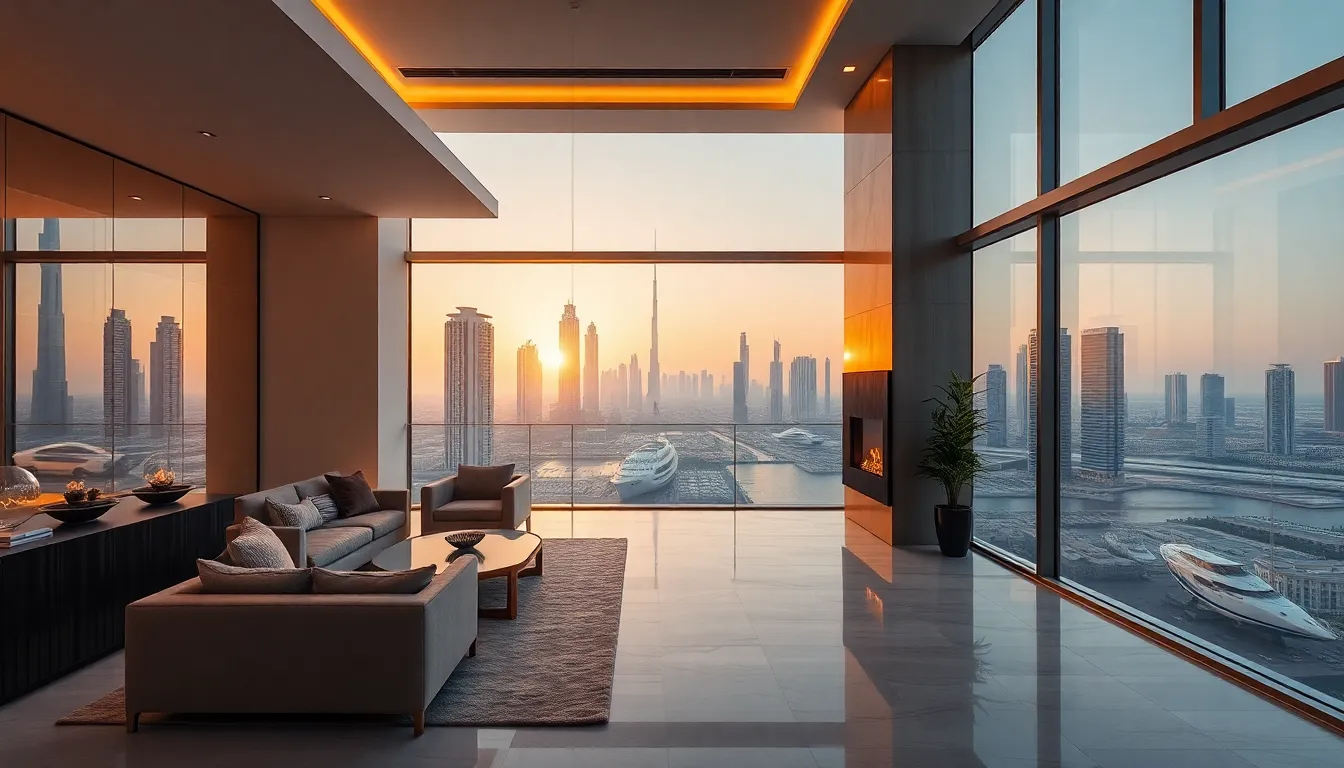
How Do I Buy Property in Dubai for Maximum Capital Appreciat
Buying property in Dubai for capital appreciation involves a strategic 7-step process: research high-growth areas like Dubai Hills Estate or Jumeirah Village Circle, secure financing with 20-30% down payment, conduct due diligence through RERA, negotiate prices 5-10% below asking, complete DLD registration, manage the property actively, and sell at peak cycles. In 2026, focus on off-plan projects near infrastructure developments for 15-25% annual returns.
What Are the First Steps to Buying Property in Dubai?
Start by defining your investment goals. Are you looking for quick flipping profits or long-term rental yields? Your strategy determines everything from location to budget.
Next, research the market thoroughly. Dubai has over 70 freehold areas, but only some deliver consistent appreciation. Look at historical price trends and future development plans.
Finally, get your finances in order. Most banks require 20-30% down payment for foreigners. Have your documents ready, including passport copies and proof of income.
How Do I Research High-Appreciation Areas in Dubai?
Focus on neighborhoods with proven track records. Dubai Marina has shown 8-12% annual appreciation since 2020. Downtown Dubai maintains 10-15% growth during peak seasons.
Look for infrastructure developments. Areas near new metro lines or major projects typically see price spikes. The Dubai Creek Tower area is projected for 18-22% appreciation by 2026.
Check supply and demand dynamics. Oversupplied areas like some parts of Dubailand have slower growth. Balanced markets like Palm Jumeirah maintain steady increases.
What Budget Should I Plan for in 2026?
Entry-level properties start around AED 800,000 in emerging areas. For established communities, expect AED 1.5-3 million for one-bedroom units. Luxury properties begin at AED 5 million.
Factor in additional costs. DLD fees are 4% of property value plus AED 580 administrative fee. Agent commissions typically range 2-3% of purchase price.
Maintenance costs average 1-2% of property value annually. For a AED 2 million apartment, budget AED 20,000-40,000 yearly for service charges and repairs.
How Do I Secure Financing for Dubai Property?
Approach multiple banks for mortgage pre-approval. Interest rates in 2026 range 4.5-6.5% for expats, depending on loan-to-value ratio and credit history.
Compare terms carefully. Some banks offer lower rates but stricter repayment schedules. Others provide flexibility but higher overall costs.
Consider developer financing for off-plan properties. Many projects offer payment plans with 10-20% down and installments over 2-4 years, often at 0% interest during construction.
What Mortgage Options Work Best for Investors?
Fixed-rate mortgages provide stability in rising rate environments. These typically run 3-5 years before converting to variable rates.
Variable rates offer lower initial payments but carry risk if rates increase. In 2026, the UAE Central Bank projects stable rates, making variables potentially advantageous.
Islamic financing follows Sharia principles with profit rates instead of interest. These often run 0.5-1% higher than conventional mortgages but appeal to certain investors.
How Much Down Payment Do I Need?
For expats buying completed properties, minimum down payment is 20% for properties under AED 5 million. For properties above AED 5 million, it increases to 30%.
First-time buyers in certain developments can access special programs with 15% down payment. Check with developers like Emaar or Nakheel for current offers.
For off-plan properties, payment plans vary widely. Some require only 5% initially, with staged payments during construction. Always read the fine print on cancellation policies.
What Is the Property Purchase Process in Dubai?
Once you identify a property, make an offer through your agent. Negotiate based on market conditions - in 2026, expect 5-10% flexibility on asking prices in most segments.
After price agreement, sign a Memorandum of Understanding (MOU) and pay the deposit. This is typically 10% of purchase price, held in escrow until completion.
Conduct due diligence through the Dubai Land Department (DLD). Verify property ownership, check for liens, and confirm all documents are in order before proceeding.
How Do I Complete Due Diligence Properly?
Request the title deed from the seller. Verify it matches the property details and check for any encumbrances or restrictions.
Review service charge statements for the past 2-3 years. Look for consistent payments and reasonable increases. Sudden jumps may indicate upcoming major expenses.
Hire an independent inspector for property condition assessment. For older properties, this can reveal needed repairs costing 2-5% of property value.
What Documents Do I Need for Registration?
Essential documents include passport copies for all buyers, visa pages if resident in UAE, proof of address, and source of funds documentation.
For mortgage purchases, add bank approval letters, salary certificates, and bank statements for the past 3-6 months. Self-employed investors need audited financials.
The DLD requires the original title deed, signed sales agreement, and No Objection Certificate (NOC) from the developer if applicable. Missing documents delay registration by weeks.
How Can I Maximize Capital Appreciation After Purchase?
Strategic renovations can boost value significantly. Kitchen and bathroom upgrades typically return 70-90% of investment upon resale. Smart home installations add 5-8% premium.
Time your sale strategically. Dubai property markets follow seasonal patterns, with peak demand in Q1 and Q4. Selling during these periods can increase final price by 3-7%.
Monitor market indicators closely. Track infrastructure announcements, population growth statistics, and rental yield trends to identify optimal selling windows.
What Renovations Deliver Best ROI?
| Renovation Type | Average Cost (AED) | Value Added (AED) | ROI Percentage | Best For Property Type |
|---|---|---|---|---|
| Kitchen remodel | 50,000-80,000 | 35,000-70,000 | 70-87% | Apartments & Villas |
| Bathroom upgrade | 25,000-40,000 | 18,000-32,000 | 72-80% | All property types |
| Smart home system | 15,000-30,000 | 12,000-27,000 | 80-90% | Luxury properties |
| Balcony enclosure | 20,000-35,000 | 25,000-45,000 | 125-128% | Older apartments |
| Energy efficiency | 10,000-25,000 | 8,000-20,000 | 80-85% | Mid-range villas |
Focus on visible improvements first. Fresh paint returns 100-150% of investment. Updated lighting fixtures add perceived value disproportionate to their cost.
Consider market preferences. In 2026, home offices and outdoor spaces command premiums of 5-10% over comparable properties without these features.
When Is the Best Time to Sell for Maximum Profit?
Analyze market cycles carefully. Dubai typically experiences 5-7 year appreciation cycles, with the next peak projected for 2027-2028 based on historical patterns.
Watch for trigger events. Major announcements like EXPO 2030 preparations or new metro line openings create short-term price spikes of 8-15% within 6-12 months.
Consider holding periods. Properties held 3-5 years typically see 25-40% appreciation in strong markets. Extending to 7-10 years can yield 60-100% returns in prime locations.
What Are the Tax Implications and Ongoing Costs?
Dubai has no property taxes, making it attractive for investors. However, annual service charges range 12-35 AED per square foot depending on community and amenities.
Utility costs average 500-1500 AED monthly for apartments, 2000-4000 AED for villas. These vary based on size, usage, and efficiency of appliances.
Agent fees for resale typically run 2% of selling price. Legal fees for conveyancing add 0.5-1% of property value, though some investors handle this themselves.
How Do Service Charges Affect My Returns?
Service charges directly impact net rental yields. A property with 6% gross yield but 1.5% service charges delivers 4.5% net return before other expenses.
Research charge histories before buying. Some older buildings have accumulated major repair bills that will be分摊 among owners. These special assessments can cost thousands unexpectedly.
Compare charges across similar communities. Premium areas like Emirates Hills have higher charges (30-35 AED/sqft) but maintain property values better than budget areas with lower fees.
What Insurance Do I Need?
Building insurance is mandatory for mortgaged properties. Costs average 0.1-0.3% of property value annually. For a AED 2 million property, expect 2,000-6,000 AED yearly.
Contents insurance covers furniture and personal items. This optional coverage typically costs 0.5-1% of insured value. For fully furnished rentals, it's highly recommended.
Landlord insurance protects against rental income loss and liability claims. Premiums range 1,500-4,000 AED annually depending on coverage limits and property type.
How Does the Golden Visa Enhance Investment Returns?
The Golden Visa program allows property investors meeting certain thresholds to obtain long-term residency. This stability attracts premium tenants and buyers, supporting prices.
Properties valued at 2 million AED or more qualify investors for 5-year renewable visas. For 5 million AED investments, 10-year visas are available to investors and family members.
This program has increased demand from international investors by approximately 15-20% since its expansion in 2023, according to DLD statistics. This additional demand supports price appreciation.
What Are the Golden Visa Requirements?
The property must be completed, not off-plan. Mortgage properties qualify only if the loan amount is less than 50% of property value for the 2 million AED threshold.
Investors must maintain ownership throughout the visa validity. Selling the property requires applying for a new visa based on different criteria or leaving the country.
Annual income requirements apply for family sponsorship. Typically 10,000-20,000 AED monthly depending on family size. These are separate from the property investment minimums.
How Does the Visa Impact Property Values?
Golden Visa eligibility adds a 5-8% premium to property values in qualifying segments. This premium has remained stable since 2024 and is projected to continue through 2026.
The program increases liquidity in the market. Visa-qualifying properties sell 15-20% faster than comparable non-qualifying properties, reducing holding costs for investors.
It attracts higher-quality tenants. Golden Visa holders often seek longer leases (2-3 years versus 1 year standard), reducing vacancy rates and associated costs.
Frequently Asked Questions
How much money do I need to start investing in Dubai property?
Minimum investment starts around AED 800,000 for studio apartments in emerging areas. With 20% down payment, you need approximately AED 160,000 cash plus 4% DLD fees and other closing costs. For serious appreciation-focused investing, budget AED 2-3 million for properties in established growth areas.
What areas in Dubai have the best capital appreciation potential?
Dubai Hills Estate shows strongest appreciation projections at 18-22% annually through 2026. Jumeirah Village Circle follows at 15-18%, while Downtown Dubai maintains steady 10-12% growth. Emerging areas near Dubai Creek Tower offer higher risk but potential 25-30% returns if development timelines hold.
How long should I hold a Dubai property for maximum profit?
Optimal holding periods are 5-7 years based on market cycles. Shorter holds (2-3 years) work for off-plan flipping during construction phases. Longer holds (10+ years) capture full development cycles but tie up capital. Our data shows 5-year holds deliver average 35-45% appreciation in prime locations.
Can foreigners get mortgages for Dubai property?
Yes, most major banks offer mortgages to foreigners with 20-30% down payment. Interest rates range 4.5-6.5% in 2026 depending on loan amount and profile. You'll need passport copies, proof of income, bank statements, and sometimes additional collateral depending on the bank's requirements.
What are the risks of buying off-plan property in Dubai?
Primary risks include construction delays, which affected 15% of projects in 2025. Developer solvency issues can lead to project cancellations. Market downturns during construction may leave you with negative equity upon completion. Always check developer track records and RERA escrow account status before committing.
How do I calculate potential returns on Dubai property?
Use this formula: (Annual rental income + Annual appreciation) / Total investment cost. For example, a AED 2 million property renting for AED 100,000 yearly with 8% appreciation (AED 160,000) generates AED 260,000 on AED 400,000 investment (20% down) = 65% return on invested capital. Remember to subtract all costs for accurate figures.
What happens if I want to sell my Dubai property quickly?
Quick sales typically require pricing 5-10% below market to attract buyers. Off-market sales to investors can close in 2-4 weeks versus 2-3 months on open market. Consider seller financing or lease-to-own arrangements if immediate cash isn't critical. Always factor in early mortgage termination fees if applicable.
Buying property in Dubai for capital appreciation requires strategic planning and market knowledge. Focus on areas with strong growth fundamentals, time your entry during market corrections, and implement value-add strategies post-purchase. The 2026 market offers particular opportunities in communities near major infrastructure projects and in the mid-market segment where demand continues to outpace supply. For personalized guidance on maximizing your returns, speak with our advisors at Siddhi Enterprises (Real Estate) who can analyze specific opportunities based on your investment profile and goals. Remember that successful property investment combines patience with proactive management - the Dubai market rewards those who understand its unique rhythms and regulations.
By the Siddhi Enterprises (Real Estate) Research Team | Over 10 years of Dubai property market expertise across residential, commercial, and off-plan investments | 2026
Siddhi Team
Dubai Real Estate Experts helping Indian investors find their perfect property in UAE.