
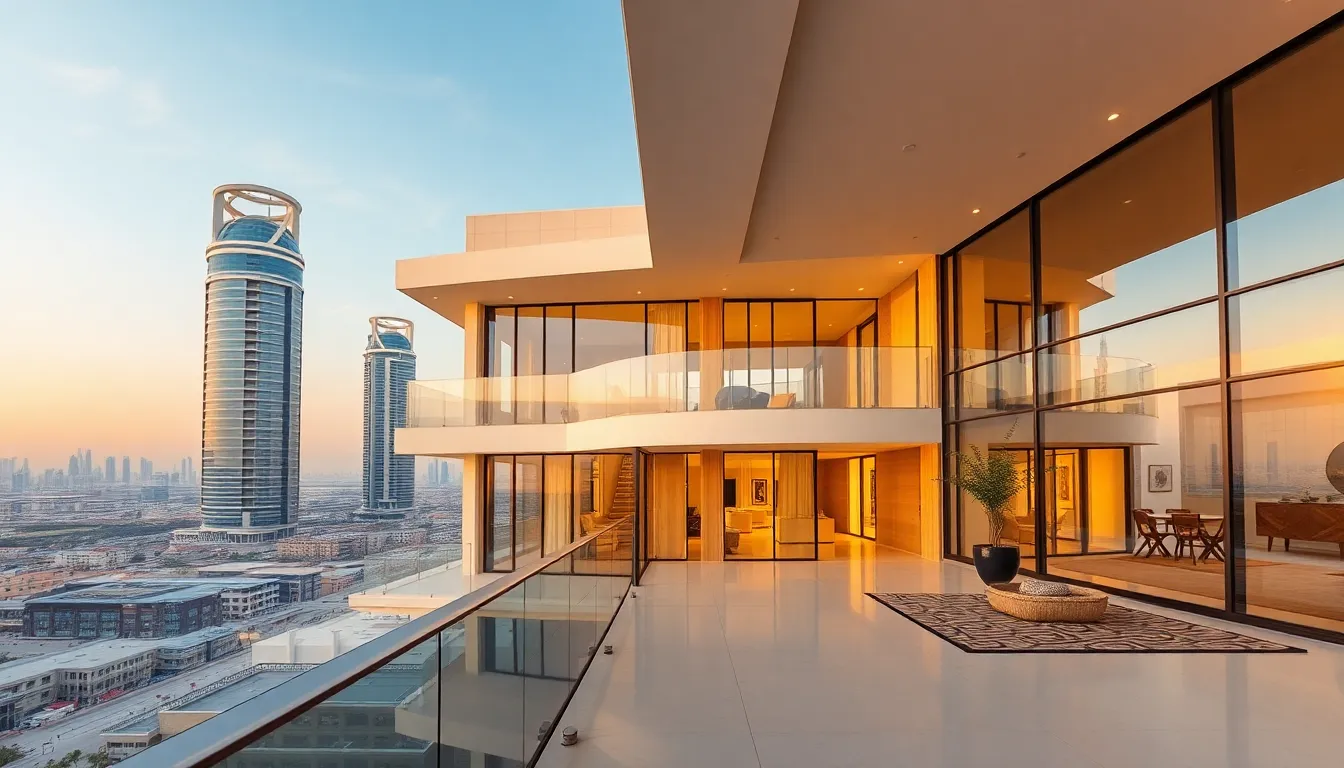
How Can I Tell a Dubailand Project Is Real Opportunity?
In Dubailand, the only thing that separates a genuine opportunity from a glossy promise is proven delivery—not renders, not marketing spend. I've watched more projects here than I can count, and the ones that succeed share a quiet confidence, not a loud campaign. This sprawling district has been Dubai's playground for big ideas since the early 2000s, and it still triggers knee-jerk skepticism from investors who remember stalled launches and half-paved roads. But if you think the whole place is a gamble, you're missing the shrewd moves smart money is making right now.
Over 15 years, I've walked enough footings, sat through enough project launches, and followed enough handovers to know that the line between hype and substance here is razor-thin. The trick is not to avoid Dubailand—it's to become the kind of buyer who can spot a time bomb before it ticks. That's what I want to unpack today.
Why Do Some Investors Swear by Dubailand While Others Warn You Away?
Dubailand isn't a single community; it's a collection of over 25 projects spread across 3 million square meters, each with its own developer, timeline, and personality. Some, like Serena or Layan, have matured into proper family-friendly neighborhoods. Others are still mostly sand and a sales center. When people bash Dubailand, they're usually recalling the broken promises of 2008: projects that went quiet, roads that never came, communities that stayed just plots for years.
But here's what I've seen change: the masterplan has been drastically revised, and major infrastructure—roads, sewage, power—is now in place for the core residential clusters. Dubai's 2040 Urban Master Plan explicitly includes Dubailand as a key suburban growth node, which means government attention is real. I've driven through parts of Dubailand that felt like a construction site just three years ago and today are bustling with school buses and delivery bikes. That transformation isn't accidental; it's been steered by the handover of land to serious developers.
If you're still on the fence, I'd suggest you check current Dubai investment options and see which Dubailand projects are actually delivering finished homes, not just sales brochures.
How Important Is Developer Credibility When You Buy Property in Dubailand?
It's everything. I've learned the hard way that a glossy brochure and a famous brand name don't mean a thing if the developer has a history of handing over units two years late with downgraded finishes. In Dubailand, you have a mix of master developers like Dubai Holding and Meraas, alongside private players and joint ventures. The master developers tend to stick to their word because they're answerable to a bigger picture. Private developers? Some are fantastic, some are serial-delayers.
I always dig into the developer's track record in this specific geography. Have they delivered in Dubailand before? Did they complete a project on nearby land? I talk to owners in their previous buildings—not the ones they refer, but the ones I find through my own network. I ask simple questions: Did you get what you were promised? How long after the Handover Date did you actually get your keys? Did the common areas ever get finished?
One developer I've worked with delivered a project in Dubailand six months early. Quiet, no fuss. Another, with a far more expensive marketing campaign, is now three years late and still handing over in phases. You can guess which one I recommend to my serious buyers. Context matters more than the brand. Before you commit, make sure to explore Dubai property investment opportunities that prioritize delivery over decoration.
What Should I Look for in a Dubailand Masterplan That Signals a Real Opportunity?
The first thing I do with any new Dubailand launch is pull up a map. Not the developer's pretty birds-eye view, but an actual RTA map showing access roads and future metro extensions. If the project is a standalone building with no connectivity to upcoming roads, I hesitate. If it's within walking distance of a future park, school, or community retail center that's already under construction, that's a green flag.
I also look at the phasing. A genuine opportunity usually comes in later phases of a successful early-phase community. For example, a developer who sold phase one, handed over on time, and now has residents living there with active community management—that's a record you can rely on. I'm skeptical of "Phase 1" projects that promise a 10-year community build-out but haven't even broken ground on the first cluster of villas.
Another signpost: infrastructure tenders. I keep in touch with civil engineers who bid on district cooling, sewage lines, and road contracts. If a community has live tenders for permanent infrastructure, that's a solid clue the project is funded and moving. If all you see are temporary site offices and a single entry road, walk away.
How Do I Avoid "Hotel Projects" That Overpromise Lifestyle?
Dubailand has a particular type of project: branded residences attached to a hotel pitch. You'll hear "5-star managed, resort-style living" and the promise of hotel-like service. In my experience, these are the trickiest to get right. I've seen lobbies that look fantastic on opening day but never get the promised restaurant, gym, or concierge because the hotel operator pulls out or the maintenance fees become unmanageable.
Here's my test: I go to the sales gallery and ask one simple question—who is the actual operator, and can I see their contract? If it's a hotel brand, is it a flagship management agreement or just a "licensed name"? Many times the brand is just a logo, and the daily operations are handled by a third party that cuts corners. I want to know if the operator has skin in the game, like a long-term lease on the commercial space. If they're just a consultant who walks away after the launch, I treat the lifestyle promises as fiction.
I once toured a "luxury" serviced apartment tower in Dubailand where the pool was still empty six months after handover, and the promised lobby café had turned into a vending machine alcove. The owner had bought based on a virtual tour that showed a sparkling pool. That experience taught me to always request a live video walkthrough, not a pre-recorded tour.
How Do I Actually Inspect a Dubailand Property Remotely—Especially as an NRI?
I've guided more NRI buyers through Dubailand purchases than I can count, and video calls are my daily reality. When a client can't fly in, I become their eyes and ears. It's not just about showing them the unit; it's about showing them the street, the neighbor's villa, the construction site next door, the distance to the nearest grocery store.
I remember one client—let's call him Rohan—who was in Mumbai, buying a three-bed townhouse in a Dubailand community that was still expanding. We set up a video call for a Sunday morning his time, and I drove to the site early. The heat was already building, and the dust from nearby construction stuck to my phone screen. I walked the perimeter of the plot, showing him the exact alignment of the boundary wall, the setback from the road, the view from what would be his master bedroom window. He asked to see the quality of the road, so I pointed the camera at the asphalt—no cracks yet, but also no streetlights installed. I could hear his family in the background, commenting on the amount of sand still visible. I told them, "This sand is scheduled to become a community park by handover, and here's the municipality approval number."
At one point, my battery hit 5%, and I had to sprint to the car to charge while keeping the call on speaker. He could hear the sound of construction trucks beeping in the distance, and a laborer singing off-key. That's the kind of detail a polished video tour never captures, and it's what builds real trust. If you're considering a purchase from abroad, reach out for a property walkthrough where I show you not just the unit, but the real neighborhood around it.
How Much Do Handover Timelines Matter in Dubailand?
They're the single most reliable truth-teller. I've tracked handovers in Dubailand since 2010, and there's a clear pattern: developers who deliver on time tend to do so repeatedly. Those who delay once often delay again. A six-month slippage is almost normal in Dubai construction, but two years means the project was underfunded or poorly managed from the start.
When I review a project, I check the RERA escrow account details. Is it active? Have payments been linked to construction milestones? I ask the developer's team for a realistic completion percentage, not the marketing number. Then I cross-check with my own site visit. If I see that the structure is only at podium level but they're promising keys in nine months, I walk. Simple as that.
What Does the Data Say About Dubailand's Growth—Without Looking at Prices?
Another metric: community group activity. I follow several unofficial Dubailand residents' groups on social media. When people start posting about lost cats, car wash requests, and park maintenance queries, that's a living, breathing neighborhood. When all the posts are about "looking to sell" or "when will the handover happen?"—that's a red flag.
I also keep an eye on the type of businesses moving in. If I see a reputable nursery chain, a well-known gym brand, or a medical clinic opening in a new community, I know the developer has attracted long-term commercial tenants who did their own viability studies. That's a vote of confidence money can't buy.
| Community | Lifestyle Profile | Connectivity | Handover Confidence | Community Feel | Typical Buyer |
|---|---|---|---|---|---|
| Serena | Family-oriented, townhouses with gardens, quiet. | Good road links to Hessa Street, 15-20 min to schools. | High; multiple phases completed early. | Established, mature landscaping, neighborhood watch groups. | End-user families, long-term renters. |
| DubaiLand Residence Complex (DLRC) | Mixed apartments and townhouses, more rental stock. | Proximity to Sheikh Mohammed Bin Zayed Road, but internal roads still developing. | Moderate; some projects delayed, some ready. | Patchy—some parts vibrant, others still sparse. | First-time buyers, budget-conscious investors. |
| Layan | Affordable townhouses, growing retail plaza. | Good access to Al Qudra Road, but public transport limited. | High for recent phases; developer has consistent record. | Calm, families, young couples, community events forming. | Young families, NRI investors seeking value. |
| Living Legends | Golf-course adjacent villas, spacious plots. | More remote, reliant on car travel, upcoming arterial roads planned. | Variable; some sections fully delivered, others awaiting infrastructure. | Spacious and green but isolated from city buzz. | Privacy-seeking families, retirees, long-term holders. |
I also like to look at developer types and what that signals:
| Developer Type | Accountability | Typical Delivery Record in Dubailand | Transparency | Risk Level |
|---|---|---|---|---|
| Master/government-backed | High; brand and future land grants at stake. | Usually on time or early, with minor snagging issues. | Clear RERA escrow, regular updates. | Low |
| Publicly listed (DFM) | Medium to high; shareholder scrutiny. | Generally reliable, but some have overextended. | Financials public, quarterly reports. | Low to medium |
| Private (established) | Varies; depends on owner's reputation. | Inconsistent; check their last 3 projects. | Often opaque; need to probe payment plans. | Medium to high |
| New entrant/JV | Low unless backed by known partners. | Unproven; many Phase 1 projects stalled. | Marketing-heavy, less substance. | High |
Frequently Asked Questions About Buying Property in Dubailand
Is Dubailand a freehold area for foreigners?
Yes, most projects in Dubailand are designated as freehold zones, meaning expats and foreign investors can buy, own, and sell property with full rights. Always verify the specific project's land status.
How do I verify a developer's escrow account?
You can check the RERA (Real Estate Regulatory Agency) website or ask the broker to provide the escrow account number and the bank's details. I always ensure my clients' payments go directly into the escrow, not to the developer's operational account.
What should I do if my property is delayed?
First, read your SPA (Sale and Purchase Agreement) for the grace period and delay penalties. Then, I advise contacting the developer in writing and, if needed, filing a complaint with RERA. I've helped clients navigate this by staying on top of construction progress photos monthly.
Can I rent out my property in Dubailand immediately after handover?
Typically, yes—once you have the title deed and the unit is habitable (finished and connected to utilities). I often help owners list their properties and find tenants within the first quarter if the community has good amenities.
Are there any hidden maintenance fees in Dubailand communities?
How do I know if an off-plan project will actually get built?
Look for a construction progress photo taken within the last two weeks, check the RERA status, and see if the developer has reached a meaningful milestone like the raft foundation or structure completion. I never let a client buy based on a render alone.
What makes Dubailand different from other Dubai investment zones?
Dubailand offers a mix of suburban lifestyle, larger plot sizes, and comparatively open spaces that you don't find in dense areas like Marina or JLT. It's a long-play area, but with proper selection, it rewards patience. For a comprehensive view, don't hesitate to explore more buyer resources I've put together based on real-world experience.
By Himanshu Gupta, Senior Property Advisor at Siddhi Estates — 15 years in Dubai real estate, from off-plan launches to handover and resale.
Siddhi Team
Dubai Real Estate Experts helping Indian investors find their perfect property in UAE.