
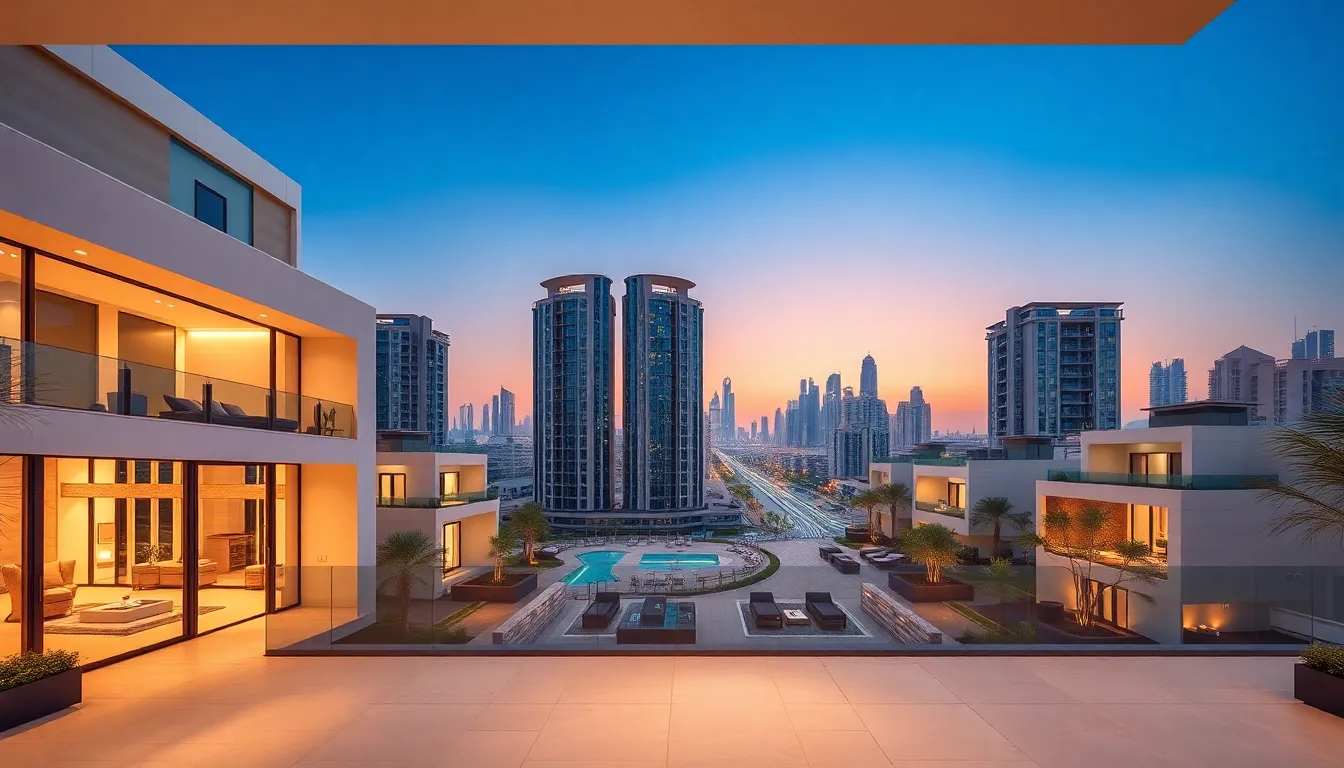
Dubai Smart City Properties: Your 2026 Guide?
Dubai is racing toward a fully connected future. Smart city properties are no longer a niche—they're the new standard. By 2026, these homes will be everywhere. From automated energy grids to AI-driven security, expect efficiency and luxury combined. This post answers your key questions about investing in Dubai's smart real estate market.
What defines a smart city property in Dubai?
A smart city property uses technology to improve living. Think smart thermostats, automated blinds, and voice-controlled lighting. But Dubai goes further. These properties tie into city-wide systems. Waste management sensors, traffic flow optimization, and renewable energy grids all connect. The result? Lower bills and a smaller environmental footprint.
For example, Dubai South's smart villas adjust cooling based on occupancy. They use solar panels and battery storage. The district's central AI manages peak energy loads. This isn't just a gadget—it's a lifestyle shift. You control everything via a single app. Security cameras, door locks, even irrigation for your garden are all connected.
Why are smart properties gaining value in 2026?
Demand is surging. Buyers want sustainability and convenience. Resale values for smart homes are 10-15% higher than traditional ones. Rents also command a 12-20% premium. Why? Lower operating costs and higher comfort. A smart home can cut energy bills by 30%. With Dubai's summer heat, that's significant savings.
Government support is another driver. The Smart Dubai initiative aims to make Dubai the happiest city on earth. Tax incentives and streamlined permits for green tech boost developer interest. By 2026, new communities must meet smart standards. So early investment pays off. Plus, these homes appeal to eco-conscious generations. Millennials and Gen Z prioritize tech integration.
Which neighborhoods lead in smart city development?
Several districts are pioneering smart living. Dubai Silicon Oasis (DSO) is a tech hub. It features smart streetlights, waste bins, and parking. Residential towers there have building-wide IoT networks. Prices for 1-bed apartments start around AED 700,000. Dubai South, near Expo City, is another hotspot. It's built on a smart grid and includes autonomous vehicle lanes. Villas range from AED 2.5M to AED 5M.
Downtown Dubai and Dubai Marina also integrate smart systems. But older communities retrofit. Newer developments like explore available listings in Al Furjan or Jumeirah Village Circle often include smart home packages. For luxury, Palm Jumeirah villas offer full automation. Expect to pay AED 10M+ there. Emerging areas like Dubai Creek Harbour and Port de La Mer also emphasize smart features.
How do smart features affect property prices?
Let's break it down with a comparison. The table below shows average prices for smart vs. standard properties in key areas.
| Area | Smart 1-Bed (AED) | Standard 1-Bed (AED) | Premium |
|---|---|---|---|
| Dubai Silicon Oasis | 850,000 | 750,000 | 13% |
| Dubai South | 1,200,000 | 1,050,000 | 14% |
| Jumeirah Village Circle | 950,000 | 850,000 | 12% |
| Palm Jumeirah | 12,000,000 | 10,500,000 | 14% |
As you see, the premium is around 12-14%. But that's not all. Smart homes sell faster. Average days on market drop from 60 to 40. They also attract high-quality tenants. For investors, that means lower vacancy rates. The initial extra cost is easily recouped within 3-5 years through rent and resale.
What smart technologies are common in 2026?
Integrated home automation is standard. Systems like Crestron or Control4 manage lighting, shades, and AV. AI learns your habits. It adjusts temperature and lighting automatically. Energy management is key. Solar panels with battery storage are common. Some communities even share excess energy via microgrids. Water conservation systems monitor usage. Leak detection alerts your phone.
Security is advanced. Facial recognition doorbells, smart locks, and 4K cameras with cloud storage. Community-wide surveillance uses AI to spot anomalies. Parking spots have sensors; you reserve via app. Waste bins compact trash and signal when full. These features seem futuristic but are already in many Dubai properties. Developers like Emaar and Damac offer smart packages. read more insights on specific tech trends.
How to evaluate a smart property investment?
Start with the tech ecosystem. Is the system open or proprietary? Open systems like Zigbee or Z-Wave allow future upgrades. Check developer reputation. Some offer lifetime software updates. Look for energy certifications like LEED or Estidama. Higher ratings mean lower utility costs. Also assess connectivity. 5G coverage is essential for real-time response. Ask about smart community features. Shared electric vehicle charging, smart parking, and waste management add value.
Financial check: Compare HOA fees. Smart communities may have slightly higher fees due to system maintenance. But they often include energy savings that offset costs. Calculate total cost of ownership. Include potential savings. For example, a smart home in Dubai South saved a family AED 8,000 annually on electricity. Finally, check resale history. In Dubai, smart homes appreciate 2-3% faster annually.
What are the risks of smart properties?
Tech obsolescence is a concern. Systems from 2020 may feel outdated by 2026. Choose upgradable hardware. Cybersecurity is another. Smart homes can be hacked. Ensure strong encryption and regular firmware updates. Also, reliance on internet means downtime can disable functions. Some systems offer local control as backup. Finally, higher upfront cost. But as shown, ROI compensates. Avoid overpaying for gimmicks. Focus on proven benefits like energy savings and security.
Frequently asked questions about Dubai smart city properties
1. Are smart homes more expensive to insure?
Not necessarily. Some insurers offer discounts for smart security. Lower risk of theft and water damage can reduce premiums by 5-10%.
2. Can I retrofit an older home with smart tech?
Yes. Dubai has many retrofit companies. Key upgrades include smart thermostats, lighting, and locks. But full integration is costlier than buying new.
3. Which developers are leading in smart homes?
Emaar, Damac, and Nakheel are top. Newer entrants like Sobha and Meraas also offer smart packages in their communities.
4. Do smart properties have higher rental yields?
Yes. Average yield for smart homes is 7-9% vs 5-7% for standard. Premium tenants pay more for convenience.
5. Is there government support for smart buyers?
Yes. The Dubai Land Department offers reduced registration fees for green homes. Some banks provide lower mortgage rates for energy-efficient properties.
6. How does the smart city initiative affect property values?
Areas within smart zones see 8-12% higher appreciation. Connectivity to city-wide systems adds desirability.
7. What should I look for in a smart home contract?
Ensure the system warranty covers software updates. Check data privacy terms. Also confirm resale transferability of smart features.
Ready to find your smart home in Dubai? speak with our advisors for personalized guidance. We help you navigate the market and secure the best tech-integrated property.
By the Siddhi Enterprises (Real Estate) Research Team | Over 10 years of Dubai property market expertise
Siddhi Team
Dubai Real Estate Experts helping Indian investors find their perfect property in UAE.