
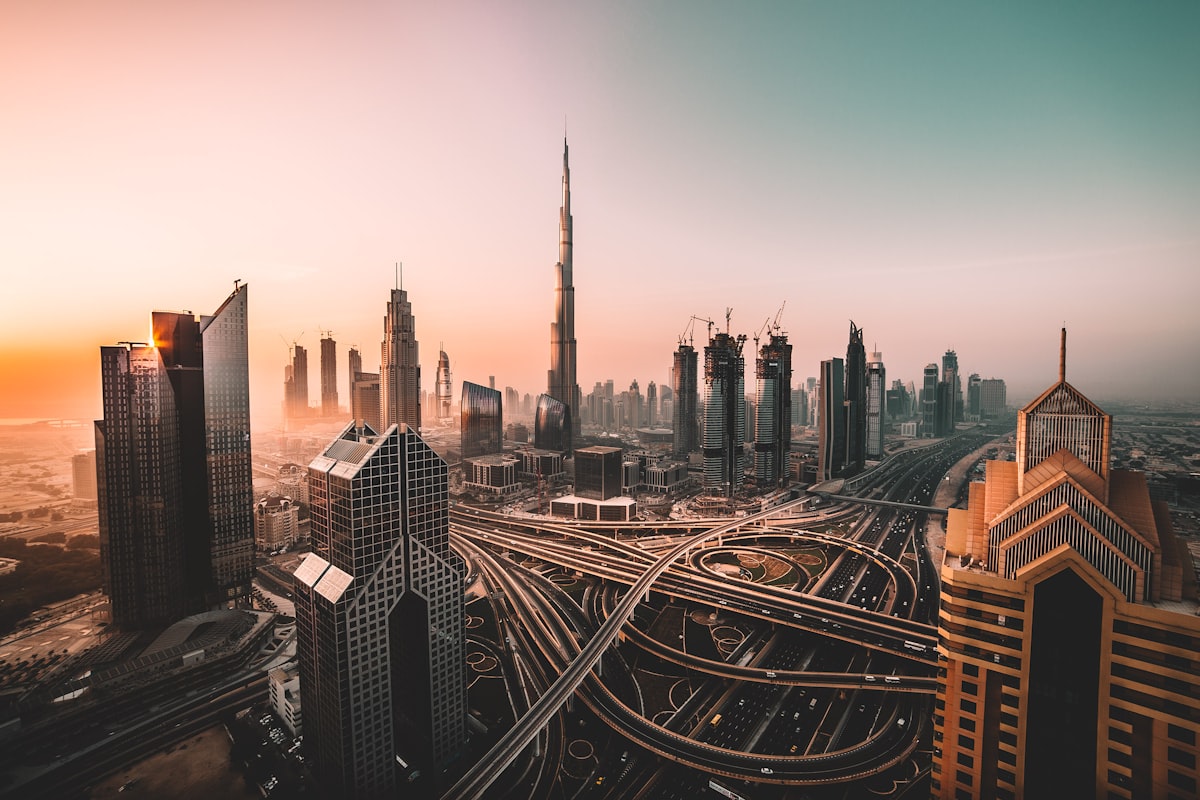
Dubai Residency Visa Property Investment 2026: Global Hub Co
A Dubai residency visa property investment refers to obtaining a UAE residence permit by purchasing real estate meeting specific value thresholds, offering investors a pathway to live, work, and access benefits in one of the world's most dynamic markets. By 2026, this mechanism has evolved into a sophisticated tool for global wealth management, standing apart from similar programs in other financial centers through its combination of affordability, flexibility, and growth potential. Investors from Europe, Asia, and the Americas increasingly view Dubai not just as a regional play, but as a strategic alternative to traditional hubs like Singapore, London, and Miami.
What Makes Dubai's Residency Visa Property Investment Unique Among Global Hubs?
When evaluating residency-by-investment programs worldwide, Dubai's framework emerges with distinct advantages by 2026. Unlike Singapore's stringent eligibility criteria or Portugal's phased-out golden visa, Dubai maintains a relatively accessible entry point. The minimum investment threshold for a residency visa property investment in Dubai remains competitive at AED 750,000 for certain areas, though premium zones like Downtown Dubai or Palm Jumeirah require AED 2 million investments for longer-term visas. This flexibility allows for portfolio diversification across different asset classes and neighborhoods.
How Does Dubai's Economic Stability Compare to Other Investment Destinations?
Dubai's economic resilience through the mid-2020s has proven remarkable compared to volatile markets elsewhere. While European hubs face regulatory uncertainty and Asian markets experience currency fluctuations, Dubai's dollar-pegged currency and transparent regulatory environment through RERA (Real Estate Regulatory Agency) provide stability. The emirate's GDP growth projection of 4.2% for 2026 outpaces many developed markets, creating a favorable backdrop for property appreciation. Investors seeking a Dubai residency visa property investment benefit from this macroeconomic stability, which directly influences rental yields and capital growth.
Which Tax Advantages Does Dubai Offer That Other Hubs Cannot Match?
The tax-free environment remains Dubai's most compelling differentiator. Compare this to London's stamp duties exceeding 12% for foreign buyers or New York's combined property taxes averaging 1.9% annually. A Dubai residency visa property investment comes with zero annual property taxes, no capital gains tax on disposal, and no inheritance tax under current laws. This fiscal efficiency translates directly to higher net returns. For high-net-worth individuals comparing global options, this tax advantage often outweighs slightly higher initial yields available in taxed jurisdictions.
How Do Investment Returns Compare Across Major Global Property Markets?
By 2026, Dubai's real estate market demonstrates return characteristics that position it uniquely between growth markets and established hubs. While emerging markets might offer higher potential yields, they carry corresponding political and currency risks. Mature markets provide stability but often deliver modest returns. Dubai occupies the sweet spot—offering developed-market infrastructure with emerging-market growth rates. The average gross rental yield for residential properties in prime Dubai areas reaches 6.8% in 2026, compared to 3.2% in Singapore, 4.1% in Miami, and 2.8% in central London.
What Are the Actual 2026 ROI Figures for Dubai Versus Other Hubs?
Concrete data reveals Dubai's competitive position. A AED 2 million investment in a two-bedroom apartment in Dubai Marina generates approximately AED 136,000 annual rental income in 2026, representing a 6.8% yield. The same capital deployed in Hong Kong's Mid-Levels district yields about 2.4%, while in Lisbon it produces 4.3%. Capital appreciation projections for 2026 show Dubai's prime residential segment growing 5-7% annually, compared to 1-3% in most European capitals. These figures make a compelling case for prioritizing a Dubai residency visa property investment within a global portfolio.
How Does Market Liquidity in Dubai Compare to Other Investment Destinations?
Transaction efficiency significantly impacts investment attractiveness. Dubai's property market processes transactions through the DLD (Dubai Land Department) within 30-45 days on average in 2026—considerably faster than the 90-120 days typical in European markets. The emirate's transparent registration system and established brokerage networks enhance market depth. While markets like Tokyo or Sydney offer similar liquidity, they lack Dubai's combination of rapid processing with favorable visa regulations. This liquidity advantage reduces holding costs and increases portfolio flexibility for investors pursuing a Dubai residency visa property investment.
Which Property Types and Locations Deliver Optimal Value in 2026?
Strategic selection within Dubai's diverse market maximizes returns relative to other global hubs. While Monaco offers prestige at astronomical prices and Bangkok provides affordability with lower yields, Dubai's segmented market allows targeted investments. The freehold zones—including Dubai Marina, Downtown Dubai, Palm Jumeirah, and emerging areas like Dubai Hills Estate—each present distinct value propositions. Off-plan properties in master communities like Mohammed Bin Rashid City offer payment plans spreading investment over construction periods, a feature less common in developed Western markets.
How Do Price Points Compare Across Dubai's Investment-Grade Neighborhoods?
2026 price data reveals strategic opportunities. Premium waterfront properties on Palm Jumeirah command AED 3,500-4,200 per square foot, comparable to premium segments in Miami but with higher yields. Established communities like Arabian Ranches offer family villas at AED 1,800-2,200 per square foot—similar to suburban London but with superior amenities. Emerging areas like Jumeirah Village Circle provide entry points at AED 1,100-1,400 per square foot, delivering yields exceeding 7.5%. This tiered market structure enables investors to match their Dubai residency visa property investment strategy with specific budget and return objectives.
What Are the Best Areas for Combining Visa Eligibility with Strong Returns?
Certain locations optimize both residency requirements and investment performance. Downtown Dubai properties valued at AED 2 million or more qualify for 10-year golden visas while delivering 5.5-6% yields in 2026—a combination unavailable in most competing hubs. Dubai Marina offers 5-year residency eligibility with properties starting around AED 1.5 million and yields reaching 7%. For investors seeking a Dubai residency visa property investment with maximum flexibility, areas like Jumeirah Lakes Towers provide options from AED 750,000 with 3-year visas and 8%+ yields. Browse our properties across these optimal zones to identify your ideal match.
What Are the Practical Steps to Secure a Residency Visa Through Property Investment?
The procedural pathway for obtaining residency through property ownership in Dubai has streamlined significantly by 2026, contrasting with increasingly complex processes elsewhere. While Canada's investor program involves multi-year waitlists and Greece's golden visa faces periodic regulatory changes, Dubai's system maintains predictable timelines. The process begins with property selection in designated freehold zones, followed by DLD registration and title deed issuance. Investors then apply through the General Directorate of Residency and Foreigners Affairs, with typical processing taking 30-60 days for standard visas and slightly longer for golden visas.
How Does Documentation Compare to Other Global Investment Programs?
Dubai's requirements balance thoroughness with efficiency. Unlike Singapore's extensive background checks or Portugal's language testing, Dubai focuses primarily on financial documentation and clean criminal records. Essential documents include passport copies, proof of property ownership through the title deed, comprehensive medical insurance, and sometimes proof of income. The absence of language requirements or minimum physical presence rules distinguishes Dubai's program from many European alternatives. This streamlined approach makes a Dubai residency visa property investment particularly attractive for globally mobile investors managing multiple residences.
What Ongoing Obligations Come with Dubai's Property Visa Compared to Other Hubs?
Maintenance requirements represent a crucial comparison point. Dubai's property visa typically requires renewal every 2-10 years depending on investment level and visa type, with the property maintained as the primary qualifying asset. Contrast this with Malta's permanent residency requiring five-year property leases or Thailand's Elite visa demanding annual fees without property ownership. Dubai imposes no minimum stay requirements—a significant advantage over programs in Spain or Portugal mandating 183-day stays for tax residency. This flexibility enables investors to maintain the visa while spending substantial time elsewhere, a key consideration for global citizens.
How Does Dubai's Regulatory Environment Protect Investors Compared to Other Hubs?
Investor protection mechanisms significantly influence global capital flows. By 2026, Dubai's regulatory framework through RERA and the DLD provides comprehensive safeguards often exceeding those in competing markets. Escrow account requirements for off-plan projects, mandatory project registration, and stringent developer qualifications reduce completion risks. These protections compare favorably to markets like Thailand or Vietnam where regulatory enforcement remains inconsistent. Even against established hubs like London, Dubai's centralized dispute resolution through the Rental Dispute Center offers faster, more cost-effective conflict resolution.
What Are the Specific 2026 Regulations Governing Property Investment Visas?
Updated regulations in 2026 clarify and enhance the program. The minimum investment for a standard property visa remains AED 750,000 in designated areas, while golden visas require AED 2 million for 10-year residency. New provisions allow portfolio aggregation—combining multiple properties to reach threshold values. Co-ownership structures now permit spouses or business partners to jointly qualify. These evolving regulations demonstrate Dubai's responsiveness to investor needs, contrasting with static or regressive changes in some European programs. Understanding these specifics is essential for optimizing your Dubai residency visa property investment strategy.
How Do Title Deed Protections Compare Internationally?
Property ownership security forms the foundation of any cross-border investment. Dubai's Torrens title system provides government-guaranteed ownership registration through the DLD, similar to Australia's system but with multilingual support. This contrasts with less reliable systems in some emerging markets where title disputes are common. The electronic title deed system introduced in 2024 further enhances security and transfer efficiency. For investors comparing global options, this robust title protection combined with the residency benefit creates a compelling package not replicated in most competing markets.
| Investment Hub | Minimum Investment (2026) | Visa Duration | Average Gross Yield | Time to Process |
|---|---|---|---|---|
| Dubai, UAE | AED 750,000 | 2-10 years | 6.8% | 30-60 days |
| Singapore | SGD 5 million | 5 years renewable | 3.2% | 6-9 months |
| Lisbon, Portugal | €500,000 (restricted areas) | 5 years to permanent | 4.3% | 8-12 months |
| Miami, USA (EB-5) | $800,000 | Conditional 2 years | 4.1% | 24-36 months |
| London, UK (Investor) | £2 million | 3 years extendable | 2.8% | 3-6 months |
Frequently Asked Questions
What is the minimum property value for a Dubai residency visa in 2026?
The minimum remains AED 750,000 for a standard residence visa in designated areas, though premium locations and longer-term golden visas require AED 2 million investments. This threshold compares favorably to most competing global programs.
How long does it take to get a residency visa after buying Dubai property?
Processing typically takes 30-60 days in 2026, significantly faster than most comparable programs. The timeline depends on document preparation, medical testing, and whether you apply for standard or golden visa categories.
Can I get a Dubai residency visa by buying off-plan property?
Yes, off-plan purchases qualify if the property value meets threshold requirements and the project is registered with RERA. Payment plans often make this approach financially efficient compared to immediate full payment in other markets.
Do I need to live in Dubai to maintain my property visa?
No minimum stay requirements exist—a major advantage over European programs. You must maintain property ownership and renew before expiry, but can spend as much time abroad as desired while keeping the visa valid.
How does Dubai's property visa compare to Portugal's golden visa?
Dubai offers faster processing (30-60 days vs 8-12 months), no language requirements, no minimum stay rules, and higher yields (6.8% vs 4.3%). Portugal provides EU access but with more restrictions and lower returns.
Why Should Global Investors Choose Dubai Over Other Hubs in 2026?
The comparative analysis reveals Dubai's unique positioning. While each global hub offers specific advantages, Dubai combines multiple benefits rarely found together: accessible investment thresholds, high yields, tax efficiency, rapid processing, and lifestyle appeal. The emirate's strategic location between East and West, coupled with its business-friendly environment, creates synergies beyond mere financial returns. For investors seeking both wealth preservation and personal mobility, a Dubai residency visa property investment represents a balanced solution outperforming single-dimensional alternatives elsewhere.
Market projections for 2026 indicate continued outperformance. Dubai's property market shows sustainable growth fundamentals with controlled supply pipelines, unlike the oversupply risks in some Asian markets. Infrastructure investments like the Dubai Urban Plan 2040 and expansion of economic zones enhance long-term value. The UAE's political stability and neutral global positioning provide insulation from geopolitical tensions affecting other regions. These factors combine to make Dubai not just an alternative to traditional hubs, but increasingly a primary destination for globally diversified real estate portfolios.
Strategic implementation requires expert guidance. The nuances of area selection, visa category optimization, and financing structures benefit from professional insight. Contact our team at Siddhi Enterprises (Real Estate) for personalized analysis matching your specific objectives with Dubai's evolving opportunities. Our 2026 market intelligence identifies undervalued segments and emerging trends before they become mainstream knowledge.
Global capital constantly seeks optimal deployment. In 2026, Dubai's residency visa property investment framework represents one of the most compelling intersections of financial returns and lifestyle benefits available worldwide. The data-driven comparison with other hubs demonstrates clear advantages across multiple metrics—from yield and taxation to processing efficiency and flexibility. As traditional investment destinations face regulatory challenges and economic headwinds, Dubai's progressive evolution creates unprecedented opportunities for forward-looking investors.
Siddhi Enterprises (Real Estate) specializes in matching international investors with optimal Dubai property investments that qualify for residency visas while maximizing returns. Our comparative analysis across global markets identifies Dubai's unique advantages in 2026. Schedule a consultation today to structure your cross-border investment portfolio with precision.
By the Siddhi Enterprises (Real Estate) Research Team | 2026
Siddhi Team
Dubai Real Estate Experts helping Indian investors find their perfect property in UAE.