
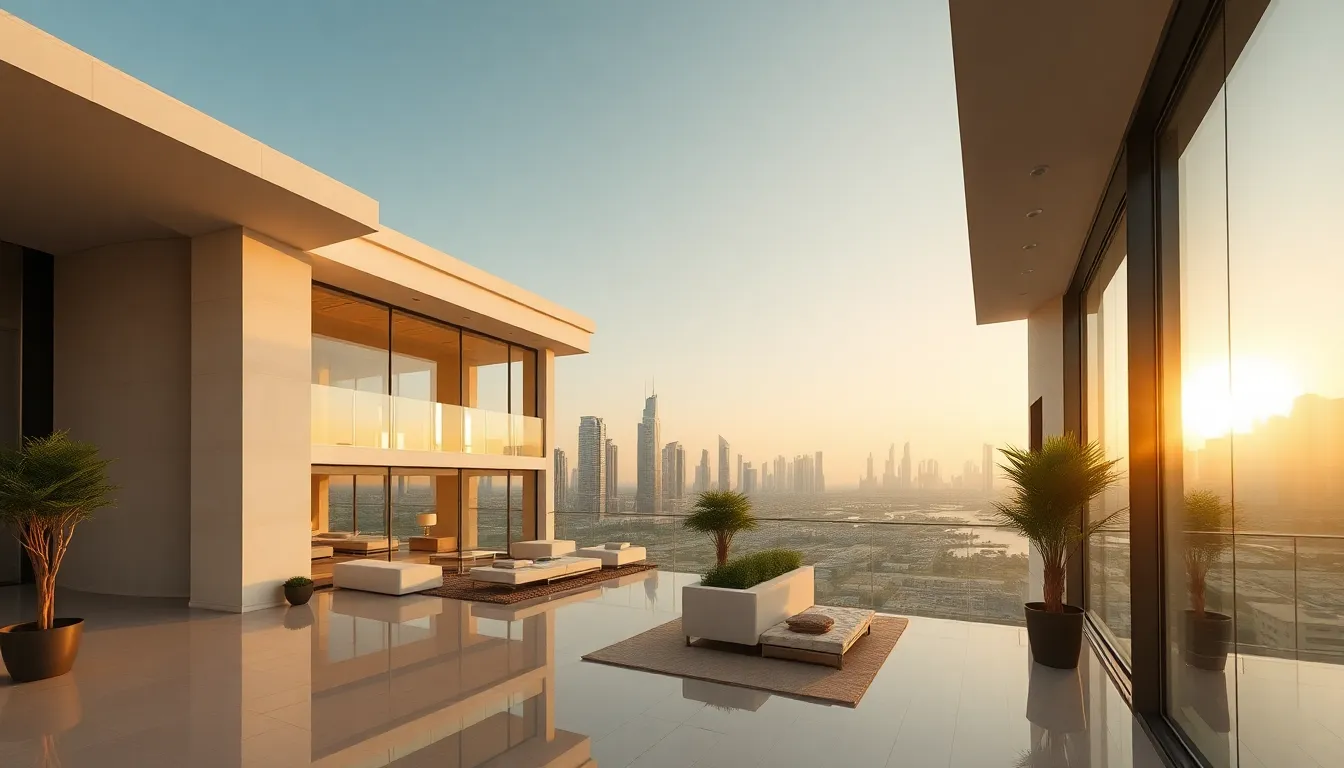
Dubai Property Prices 2026: Global Investment Hub Comparison
Dubai property prices in 2026 represent the valuation of residential and commercial real estate assets in a global investment hub that has strategically positioned itself against traditional markets through competitive pricing, high rental yields, and investor-friendly regulations. As global capital seeks stable returns amid economic volatility, Dubai's real estate market offers unique advantages that merit direct comparison with established hubs like London, Singapore, and New York.
How Do Dubai Property Prices in 2026 Compare to Other Global Hubs?
Global investors face a complex landscape when allocating capital to real estate. Traditional hubs like London and New York maintain prestige but often deliver lower yields due to higher entry costs and regulatory constraints. Singapore offers stability but limited growth potential in 2026. Dubai's property prices in 2026 present a compelling middle ground—premium assets at accessible price points with superior returns.
The average price per square foot for prime residential property in Dubai Marina reached AED 2,800 in early 2026. Comparable areas in London's Canary Wharf command approximately £1,200 per square foot (AED 5,400). This 48% price differential makes Dubai property prices in 2026 particularly attractive for investors seeking value without sacrificing quality.
Commercial real estate tells a similar story. Grade A office space in Dubai's DIFC averages AED 350 per square foot annually in 2026. Manhattan's equivalent spaces exceed $150 per square foot (AED 550). The gap demonstrates how Dubai property prices in 2026 offer competitive positioning for portfolio diversification.
What Specific Advantages Do Dubai Property Prices in 2026 Offer?
Dubai's real estate market operates within carefully designed freehold zones that grant foreign investors full ownership rights. Areas like Downtown Dubai, Palm Jumeirah, and Dubai Hills Estate have become international investment destinations. The city's property visa UAE program provides residency pathways for qualifying investors, adding lifestyle benefits to financial returns.
RERA regulations ensure transparent transactions through the DLD registration system. This regulatory framework reduces counterparty risk compared to less structured markets. When evaluating property prices in Dubai for 2026, investors should consider these institutional advantages alongside pure price metrics.
Which Global Markets Show the Most Significant Price Differences?
Hong Kong's property market remains the world's most expensive, with average prices exceeding AED 15,000 per square foot in prime districts. Dubai's equivalent luxury properties in Emirates Hills average AED 3,200 per square foot in 2026—a 79% discount. This dramatic difference explains why Middle Eastern and Asian capital continues flowing into Dubai real estate.
Tokyo presents another interesting comparison. While Japan's capital offers stable returns around 3-4%, Dubai's rental yields consistently reach 6-8% in 2026. The ROI calculation for Dubai property prices in 2026 factors both capital appreciation and income generation, creating a dual-return profile that many global hubs cannot match.
What Factors Influence Dubai Property Prices in 2026?
Multiple drivers shape Dubai's real estate valuation landscape. Infrastructure projects like the Dubai Urban Plan 2040 continue enhancing connectivity and livability. The expansion of Al Maktoum International Airport and Dubai Metro extensions support long-term value growth. These developments differentiate Dubai from mature hubs with limited expansion capacity.
Demographic trends show Dubai's population reaching 4.2 million by 2026, with high-net-worth individuals comprising a growing segment. This creates sustained demand across property segments. Unlike European cities facing demographic challenges, Dubai's growth trajectory supports property price stability.
How Do Regulatory Changes Affect Property Prices in Dubai for 2026?
Recent updates to RERA regulations have streamlined property registration and dispute resolution. The introduction of the Golden Visa program has extended residency benefits to more investors. These policy enhancements make Dubai property prices in 2026 more attractive relative to markets with increasing regulatory complexity.
Taxation remains a key differentiator. Dubai imposes no property taxes, capital gains taxes, or rental income taxes. Compare this to London's stamp duty reaching 12% on premium properties or New York's combined tax burden exceeding 3% annually. The tax advantage significantly impacts net returns when evaluating property prices in Dubai against global alternatives.
Which Economic Indicators Support Dubai Property Prices in 2026?
Dubai's GDP growth projections for 2026 exceed 4%, driven by tourism, trade, and financial services expansion. The city's non-oil economy diversification provides stability against commodity price fluctuations. This economic resilience supports property values better than resource-dependent markets.
Inflation rates remain moderate at 2.3% in early 2026, preserving purchasing power for both local and international buyers. Interest rates on mortgage products average 4.2% for expatriates, competitive with global financing costs. These macroeconomic conditions create a favorable environment for property investment.
Which Areas Offer the Best Value in Dubai Property Prices for 2026?
Different districts cater to varied investment strategies. Downtown Dubai maintains premium positioning with average prices of AED 3,500 per square foot in 2026. This represents 35% appreciation from 2023 levels, outperforming many global luxury markets during the same period.
Emerging areas like Dubai South and Al Furjan offer entry points below AED 1,200 per square foot. These communities provide access to Dubai property prices in 2026 at more accessible levels while benefiting from infrastructure development. Investors can browse our properties across these value segments.
What Are the Price Trends for Different Property Types?
Villa communities show particular strength, with average prices in Arabian Ranches reaching AED 4.2 million in 2026. This represents 8% annual growth since 2023. Apartments in Business Bay average AED 2.1 million, offering more accessible entry points with strong rental demand.
Commercial properties in DIFC and Dubai Design District command premium rates but deliver stable tenancies from multinational corporations. Retail spaces in Dubai Mall continue achieving record footfall, supporting rental growth projections of 5% annually through 2026.
How Do Off-Plan Properties Compare to Completed Units?
Off-plan purchases in 2026 offer price advantages of 15-20% compared to ready properties in the same communities. Payment plans stretching over construction periods improve cash flow management. However, investors must consider delivery timelines and developer track records.
Completed properties provide immediate rental income and clearer visibility on final quality. The choice between off-plan and ready units depends on investment horizon and risk tolerance. Both segments contribute to the overall landscape of property prices in Dubai for 2026.
What Investment Returns Can Dubai Property Prices in 2026 Generate?
Rental yields average 6.8% across prime residential areas in 2026, significantly higher than London's 3.2% or Singapore's 2.8%. This income advantage makes Dubai property prices in 2026 particularly attractive for yield-focused portfolios. Commercial properties achieve even higher returns, with warehouse spaces delivering 8.5% yields.
Capital appreciation projections suggest 5-7% annual growth through 2026, supported by economic expansion and population growth. Combined with rental income, total returns often exceed 12% annually. This performance compares favorably to global hubs averaging 4-6% total returns.
How Does the ROI Calculation Work for Dubai Properties?
Standard ROI calculation incorporates purchase price, rental income, operating costs, and eventual sale price. Dubai's tax-free environment simplifies this calculation compared to markets with complex tax regimes. Transaction costs average 4% of property value, lower than many European markets.
Maintenance fees vary by community but typically range 15-25 AED per square foot annually. These costs are factored into net yield calculations. When comparing property prices in Dubai for 2026 against other hubs, investors should use net return metrics rather than gross figures.
What Are the Risks and Mitigations for 2026 Investments?
Market cyclicality represents the primary risk, though Dubai's diversified economy provides cushioning. Currency fluctuations affect international investors, though the AED's dollar peg offers stability. Regulatory changes could impact specific segments, though RERA's transparent approach minimizes surprises.
Due diligence through DLD registration verification protects against title issues. Working with established developers reduces construction risks. These mitigations make Dubai property prices in 2026 suitable for risk-adjusted portfolios.
How Should Investors Approach Dubai Property Prices in 2026?
Strategic allocation begins with clear investment objectives. Income-focused investors might target high-yield apartment communities. Capital growth seekers could consider emerging areas with development pipelines. Portfolio diversifiers may prefer established luxury segments.
Financing arrangements should be secured early, as mortgage pre-approval strengthens negotiation positions. Currency hedging might be appropriate for investors with home currencies volatile against the AED. These practical considerations complement analysis of property prices in Dubai for 2026.
What Due Diligence Steps Are Essential?
Title verification through the DLD registration system confirms ownership history and encumbrances. RERA regulations require developers to maintain escrow accounts for off-plan projects, protecting buyer funds. Community master plans should be reviewed for future development impacts.
Comparative market analysis establishes fair value relative to recent transactions. Rental market surveys validate income projections. This thorough approach ensures informed decisions about property prices in Dubai for 2026.
When Is the Best Time to Invest in 2026?
Market timing matters less than holding period in Dubai's growth trajectory. However, seasonal patterns show increased inventory during summer months, potentially creating buying opportunities. Off-plan launches often provide early-bird pricing advantages.
The continuous market evolution means opportunities exist throughout 2026. Investors should focus on fundamental value rather than attempting precise timing. Contact our team for current market insights and specific opportunities.
| Investment Hub | Avg Price PSF (AED) 2026 | Rental Yield 2026 | Transaction Costs | Tax Burden |
|---|---|---|---|---|
| Dubai | 2,800 | 6.8% | 4% | 0% |
| London | 5,400 | 3.2% | 7% | 12% stamp duty |
| Singapore | 4,100 | 2.8% | 5% | 4% buyer stamp duty |
| New York | 6,200 | 3.5% | 6% | 3% annual property tax |
| Hong Kong | 15,000 | 2.2% | 8% | 15% foreign buyer tax |
Frequently Asked Questions About Dubai Property Prices in 2026
Are Dubai property prices expected to rise in 2026?
Yes, most analysts project 5-7% price appreciation across 2026, supported by economic growth, population increase, and infrastructure development. Specific areas may outperform this average.
How do Dubai property prices compare to Abu Dhabi in 2026?
Dubai generally commands premium pricing of 15-20% compared to Abu Dhabi, though specific luxury segments in Abu Dhabi's Saadiyat Island compete directly with Dubai's premium offerings.
What is the minimum investment for Dubai property in 2026?
Studio apartments in emerging communities start around AED 500,000, while entry-level villas begin at AED 2.5 million. Off-plan properties sometimes offer lower entry points with extended payment plans.
Can foreigners buy property anywhere in Dubai in 2026?
Foreign ownership is permitted in designated freehold zones, which cover most major communities including Downtown Dubai, Dubai Marina, Palm Jumeirah, and Dubai Hills Estate.
What documents are needed to buy Dubai property in 2026?
Passport copies, proof of funds, and in some cases residency visa. Non-residents can purchase with just passport and proof of income. All transactions require DLD registration.
Why Dubai Property Prices in 2026 Merit Global Attention
Global investment hubs compete for capital through distinct value propositions. Dubai's combination of competitive pricing, high yields, and favorable regulations creates a compelling case for portfolio allocation. The city's property prices in 2026 reflect not just local dynamics but strategic positioning within international capital flows.
Investors comparing markets should consider total return potential rather than isolated metrics. Dubai's tax-free environment, growing economy, and transparent regulatory framework enhance net returns. These advantages become particularly significant when traditional hubs face economic headwinds or regulatory changes.
The evolution of property prices in Dubai through 2026 will likely continue attracting global capital seeking balanced risk-return profiles. As infrastructure projects mature and population growth continues, fundamental support for valuations remains strong. Strategic positioning now could capture value through the next growth cycle.
Siddhi Enterprises (Real Estate) provides expert guidance on navigating Dubai's 2026 property landscape. Our team offers comprehensive market analysis, investment structuring, and transaction management services tailored to global investors. Contact us today to explore how Dubai property prices in 2026 can enhance your portfolio returns while diversifying geographic exposure.
By the Siddhi Enterprises (Real Estate) Research Team | 2026
Siddhi Team
Dubai Real Estate Experts helping Indian investors find their perfect property in UAE.