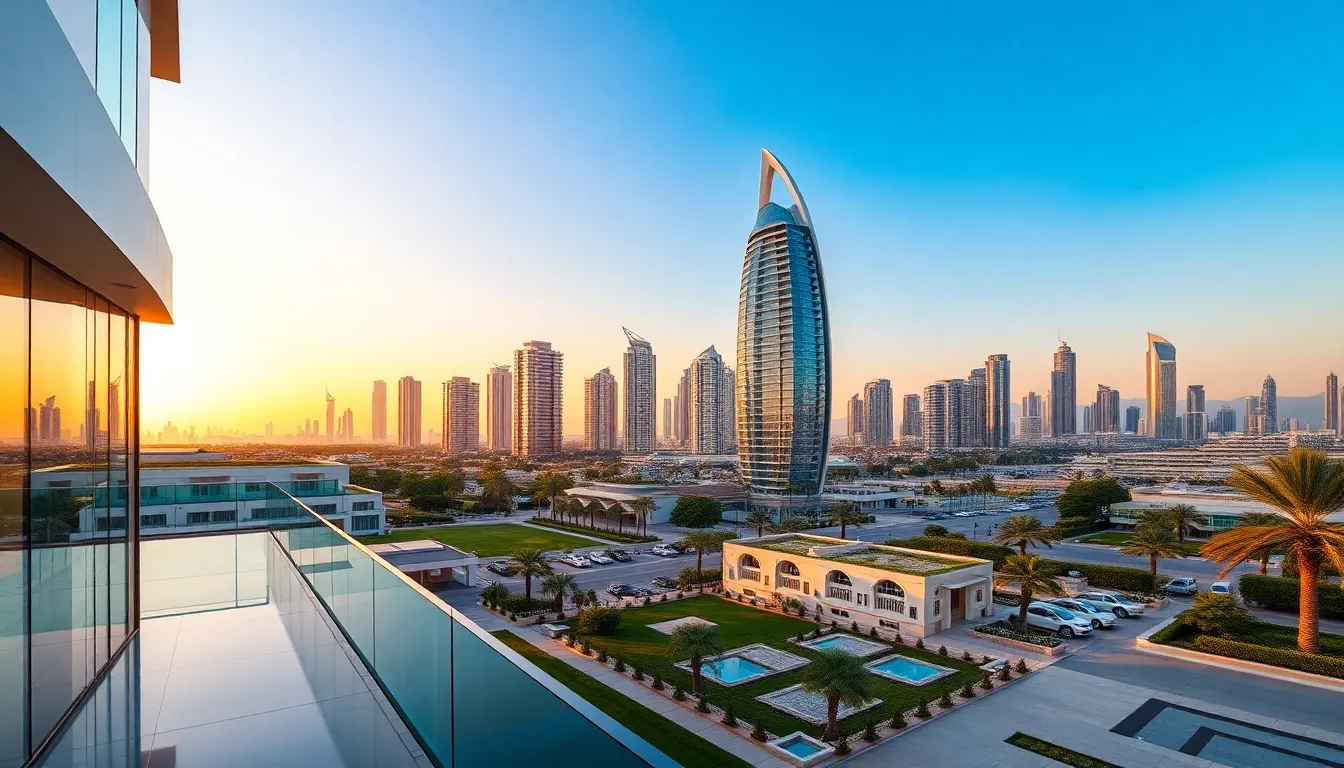
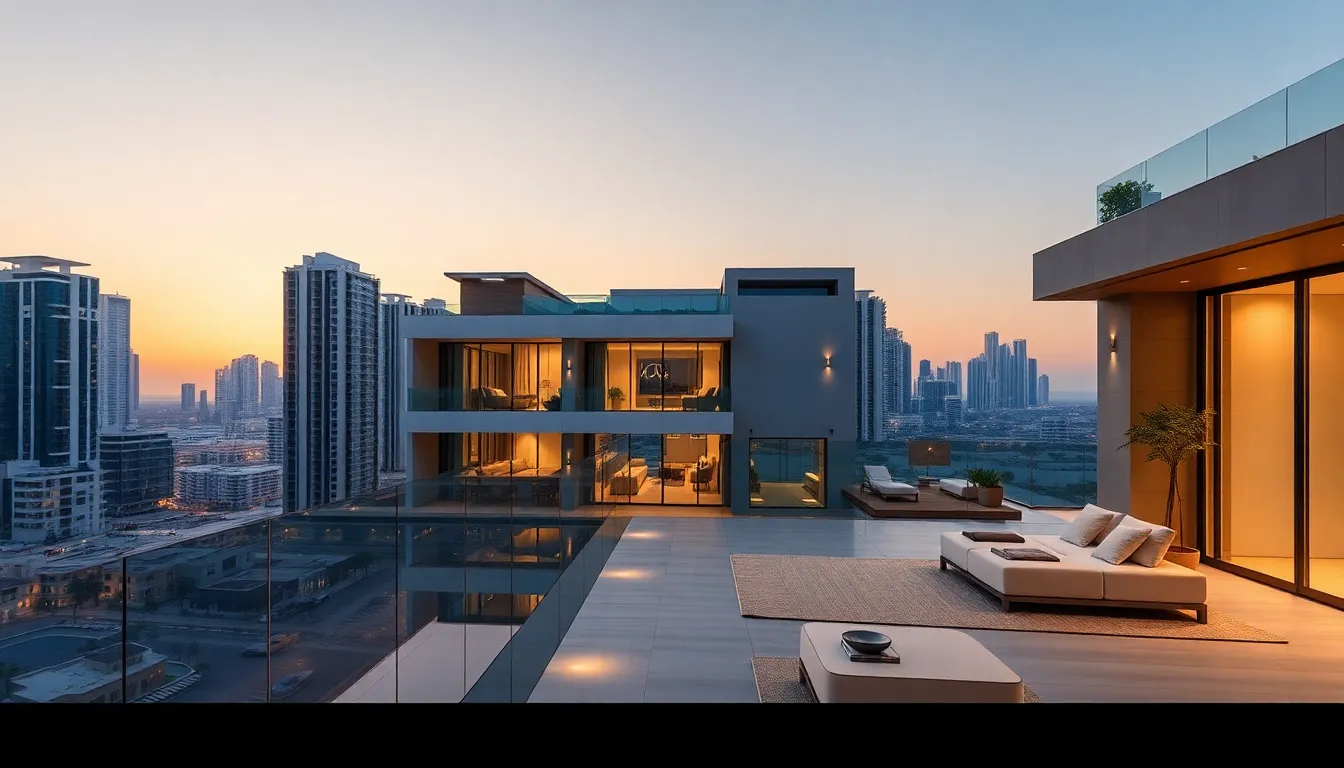
Dubai Property Investment 2026: Legal & Visa Guide for Buyers
Dubai property investment in 2026 involves purchasing real estate assets in the emirate, with legal frameworks and visa benefits shaping buyer decisions. This guide examines how regulations and residency options impact investment strategies.
What Legal Foundations Govern Dubai Property Investment in 2026?
Understanding Dubai's legal landscape is essential for any property investor. The Dubai Land Department (DLD) oversees all transactions, ensuring transparency and security. RERA regulations provide comprehensive protection for buyers and sellers alike.
How Do DLD Registration Processes Work?
All property transactions must be registered with the DLD to be legally valid. The process involves submitting ownership documents and paying registration fees. In 2026, digital registration through the DLD app has streamlined procedures significantly.
What Are the Key RERA Regulations for 2026?
RERA regulations govern developer obligations, escrow accounts, and project completion timelines. These rules protect investors from project delays and financial mismanagement. Recent updates in 2026 have strengthened buyer protections further.
How Do Visa Implications Affect Dubai Property Investment Decisions?
Visa benefits remain a primary motivator for international investors. The property visa UAE program offers residency options based on investment value. Understanding these implications helps investors maximize their benefits.
What Are the Current Property Visa Requirements?
To qualify for a property visa in 2026, investors must purchase property worth at least AED 750,000 in approved areas. The visa duration depends on the property value, with higher investments granting longer residency. Medical insurance and valid passport are mandatory requirements.
How Has the Visa Program Evolved by 2026?
The UAE government has expanded eligible areas and simplified application processes. New categories now include renewable 10-year visas for properties valued above AED 2 million. These changes make Dubai property investment more attractive to global buyers.
Which Areas Offer the Best Legal Protections for Property Investors?
Freehold zones provide the strongest legal protections for foreign investors. These designated areas allow 100% foreign ownership without local sponsorship requirements. Understanding zone distinctions helps investors make informed decisions.
What Are the Most Secure Freehold Zones in 2026?
Downtown Dubai, Dubai Marina, and Palm Jumeirah remain top choices for secure investments. These areas have established legal frameworks and high demand. Newer developments like Dubai Creek Harbour offer modern legal protections with competitive pricing.
How Do Leasehold Areas Compare Legally?
Leasehold properties typically have 99-year ownership terms with specific usage restrictions. While generally secure, these investments require careful review of lease agreements. Legal counsel is recommended before committing to leasehold purchases.
What Are the Key Legal Considerations for ROI Calculation?
Legal factors directly impact return on investment calculations. Registration fees, service charges, and potential tax implications must be included in ROI projections. Proper legal due diligence prevents unexpected costs.
How Do Registration Fees Affect Overall Investment Costs?
DLD registration fees typically amount to 4% of the property value, plus administrative charges. These costs must be factored into initial investment calculations. In 2026, some developers offer registration fee incentives for early buyers.
What Legal Structures Maximize Rental Returns?
Proper tenancy contracts registered with RERA ensure legal protection for landlords. Understanding eviction procedures and rent increase regulations helps maximize rental income. Professional property management services can handle these legal aspects efficiently.
How Do Market Trends in 2026 Impact Legal and Visa Considerations?
Current market conditions influence both legal frameworks and visa attractiveness. Price stability and regulatory developments create favorable conditions for investors. Monitoring these trends helps time investment decisions optimally.
What Price Ranges Offer the Best Visa Benefits in 2026?
Properties between AED 1-2 million provide excellent value for visa eligibility. This range offers 3-year renewable visas with relatively accessible entry points. Higher-end properties above AED 5 million qualify for golden visa programs with enhanced benefits.
How Are Legal Protections Evolving with Market Development?
As Dubai's property market matures, legal protections continue to strengthen. New regulations address emerging issues like fractional ownership and digital assets. These developments make Dubai property investment increasingly secure for international buyers.
| Property Type | Minimum Investment (AED) | Visa Duration | Key Legal Requirements |
|---|---|---|---|
| Studio Apartment | 750,000 | 2 years | Freehold zone, DLD registration |
| 1-Bedroom Apartment | 1,200,000 | 3 years | RERA-approved project, title deed |
| 2-Bedroom Villa | 2,500,000 | 5 years | Completed property, no mortgages |
| Commercial Property | 3,000,000 | 10 years | Business license, trade license |
Frequently Asked Questions
Can I get a UAE residency visa by buying property in Dubai?
Yes, purchasing property worth at least AED 750,000 in approved areas qualifies investors for residency visas. The duration depends on the property value, with options ranging from 2 to 10 years.
What are the legal risks of buying property in Dubai?
Primary risks include incomplete projects, title disputes, and regulatory non-compliance. Working with RERA-approved developers and conducting proper due diligence minimizes these risks significantly.
How much does property registration cost in Dubai?
Registration fees typically total 4% of the property value, plus AED 580 administrative fee. Additional charges may apply for mortgage registration or power of attorney documentation.
Can foreigners buy property anywhere in Dubai?
Foreigners can purchase freehold properties in designated areas only. These include Dubai Marina, Downtown Dubai, Palm Jumeirah, and other approved developments. Leasehold options are available more widely.
What happens if my property developer goes bankrupt?
RERA regulations protect buyers through escrow accounts and project completion guarantees. In such cases, RERA typically arranges for another developer to complete the project or provides refund options.
Conclusion: Strategic Approaches to Dubai Property Investment in 2026
Successful Dubai property investment requires balancing legal compliance with visa optimization. The 2026 market offers unprecedented stability and regulatory clarity. Investors who understand both aspects can secure valuable assets while obtaining residency benefits.
Current data shows average ROI of 6-8% for residential properties, with premium locations reaching 9%. Commercial properties in business districts offer 7-10% returns. These figures reflect the market's maturity and legal stability by 2026.
For personalized guidance on navigating Dubai's legal landscape while maximizing visa benefits, contact our team at Siddhi Enterprises (Real Estate). Our experts analyze individual circumstances to recommend optimal investment strategies.
Explore available opportunities through our comprehensive listing service. Browse our properties to find investments that match both your financial goals and residency requirements. The right Dubai property investment can provide both financial returns and lifestyle benefits.
Siddhi Enterprises (Real Estate) specializes in matching international investors with properties that optimize legal protections and visa eligibility. Our 2026 market analysis identifies emerging opportunities in secure developments. Contact us today to begin your investment journey with confidence.
By the Siddhi Enterprises (Real Estate) Research Team | 2026
Siddhi Team
Dubai Real Estate Experts helping Indian investors find their perfect property in UAE.