
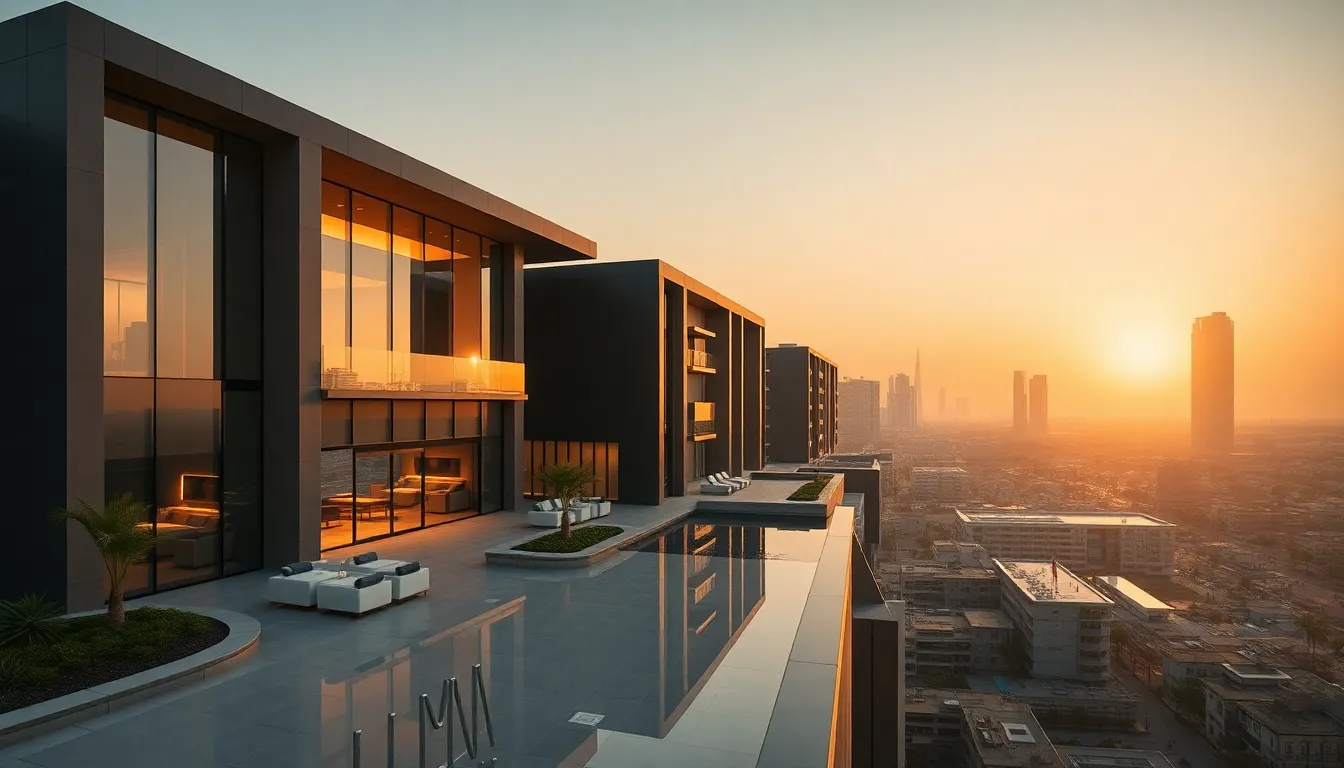
Dubai Property 2026: Legal & Visa Guide for New Projects
Upcoming projects in Dubai 2026 represent strategic real estate developments launching throughout the year, offering investors unique opportunities with specific legal frameworks and visa benefits that require careful navigation. As Dubai continues expanding its urban landscape, understanding how these new properties interact with evolving residency regulations becomes paramount for buyers seeking both financial returns and lifestyle advantages.
What Legal Structures Govern Dubai's 2026 Property Developments?
Every upcoming project launching in 2026 operates within Dubai's established legal ecosystem. The Dubai Land Department (DLD) oversees all transactions, while the Real Estate Regulatory Agency (RERA) sets development standards. These frameworks ensure buyer protection but require specific compliance steps that vary by project type and location.
How Do Freehold Zones Differ in 2026 Regulations?
Freehold zones continue expanding in 2026, with new areas offering 100% foreign ownership. Projects like Dubai Creek Harbour's 2026 phase and Palm Jebel Ali developments operate under distinct registration requirements. The DLD registration process typically takes 30-45 days in 2026, with mandatory title deed issuance for all completed transactions.
What Are the 2026 Off-Plan Purchase Protections?
RERA's escrow account regulations remain stringent for 2026 launches. Developers must deposit 100% of project funds in protected accounts, with phased release tied to construction milestones. The 2026 market sees increased penalties for delayed projects, offering buyers stronger completion guarantees than previous years.
How Do Visa Requirements Connect to 2026 Property Investments?
Dubai's property visa system undergoes refinements in 2026, with minimum investment thresholds adjusted for inflation. The standard property visa UAE requires a minimum AED 2 million investment in completed properties, though some 2026 off-plan purchases qualify through specific payment plans.
What Are the 2026 Minimum Investment Thresholds?
For 2026 purchases, the property visa UAE maintains its AED 2 million minimum for completed properties. However, off-plan investments in approved 2026 developments can qualify with 50% payment completion. The Dubai Land Department's 2026 guidelines specify that properties must be residential and self-owned, not mortgaged beyond 50% value.
How Does Family Sponsorship Work in 2026?
2026 regulations allow property visa holders to sponsor immediate family members, including spouses and children under 18. The process requires medical testing and Emirates ID registration within 60 days of visa issuance. Annual renewal remains mandatory, contingent on maintaining property ownership.
Which 2026 Projects Offer the Best Visa Opportunities?
Several 2026 launches provide optimized pathways for residency seekers. Downtown Dubai's new residential towers, Dubai Hills Estate expansions, and Mohammed Bin Rashid City's latest phases all qualify for property visas. Each offers different ROI calculations based on location and completion timelines.
What Makes Downtown Dubai's 2026 Towers Attractive?
Downtown Dubai's 2026 residential projects, priced between AED 3.5-7 million, offer guaranteed visa eligibility due to established freehold status. These properties typically deliver 5.2-6.8% annual rental yields in 2026 projections. The area's mature infrastructure reduces legal complexities compared to newer developments.
How Do Emerging Areas Compare for 2026 Investors?
Dubai South's 2026 residential launches present lower entry points at AED 1.8-3.2 million but require careful due diligence on completion timelines. These properties offer higher potential capital appreciation (projected 8-12% annually through 2028) but involve more complex visa processing during construction phases.
What Are the 2026 Tax and Fee Implications?
Property transactions in 2026 involve several mandatory costs. The DLD registration fee remains 4% of purchase price, plus AED 580 administrative charges. Additional costs include agency fees (typically 2%) and mortgage registration fees if applicable.
How Do 2026 Transfer Fees Affect ROI?
Transfer fees directly impact ROI calculations for 2026 investments. A AED 3 million property purchase incurs AED 120,000 in DLD fees alone. Savvy investors factor these costs into their 2026 projections, often targeting properties with higher appreciation potential to offset fixed transaction expenses.
What Are the Annual Ownership Costs in 2026?
Beyond purchase, 2026 property owners face annual service charges (AED 12-35 per square foot depending on development), municipality fees (5% of annual rental value), and potential community charges. These typically total 1.5-2.5% of property value annually, affecting net returns.
How Does Due Diligence Differ for 2026 Projects?
Investigating 2026 launches requires updated approaches. RERA's 2026 developer ratings, project completion histories, and escrow account verifications form the foundation. Buyers should also review master community regulations, as these dictate usage rights and potential restrictions.
What Documents Are Essential for 2026 Purchases?
2026 transactions require the sales agreement, title deed (for completed properties), NOC from developers for off-plan purchases, and passport copies. Mortgage approvals add bank documentation requirements. The DLD's 2026 digital platform streamlines verification but requires precise document submission.
How Can Buyers Verify 2026 Developer Credentials?
RERA's 2026 developer classification system ranks companies by financial stability and delivery history. Buyers should check this classification alongside project-specific escrow account details. Historical delivery rates above 85% indicate reliable developers for 2026 investments.
What Are the 2026 Market Trends Affecting Legal Considerations?
Dubai's 2026 property market shows increased regulation in sustainability standards and community management. New developments must meet enhanced green building codes, affecting both construction timelines and long-term maintenance obligations for buyers.
How Do Sustainability Regulations Impact 2026 Purchases?
2026 projects require higher sustainability ratings, potentially increasing service charges but offering utility savings. These regulations also affect resale values, with green-certified properties projected to maintain 3-5% value premiums through 2030 according to 2026 market analyses.
What Community Management Changes Occur in 2026?
2026 sees expanded owners' association rights in newer developments, giving residents more control over community decisions. This affects both lifestyle quality and potential special assessment fees, requiring careful review of community declarations before purchase.
| 2026 Project Area | Price Range (AED) | Visa Eligibility | Projected 2027 ROI | Key Legal Considerations |
|---|---|---|---|---|
| Downtown Dubai | 3.5M-7M | Immediate upon completion | 5.2-6.8% | Established freehold, straightforward registration |
| Dubai Hills Estate | 2.8M-5.5M | 50% payment for off-plan | 6.1-7.3% | Complex community regulations review needed |
| Dubai South | 1.8M-3.2M | Upon full completion only | 8-12% (long-term) | Extended escrow release schedules |
| Palm Jebel Ali | 4.2M-9M | Immediate for completed units | 4.8-5.9% | Maritime zoning restrictions apply |
Frequently Asked Questions
Can I get a Dubai visa by buying off-plan property in 2026?
Yes, but with specific conditions. Off-plan purchases in approved 2026 developments qualify if you've paid 50% of the purchase price. The property must be valued at AED 2 million minimum, and you'll receive the visa upon project completion, not during construction.
What happens to my visa if I sell my Dubai property in 2026?
Your property visa UAE becomes invalid upon sale completion. You must either purchase another qualifying property or leave the country within 30 days. The DLD provides a grace period for visa cancellation procedures.
How long does the property visa process take in 2026?
Processing typically requires 30-60 days in 2026, assuming complete documentation. This includes title deed registration, medical testing, Emirates ID processing, and visa stamping. Delays most commonly occur from incomplete paperwork or developer NOC issues.
Can I include property purchase costs in the AED 2 million visa threshold?
No. The AED 2 million minimum refers to the property's market value, not total purchase costs. DLD fees, agency commissions, and other transaction expenses don't count toward the visa qualification amount in 2026 regulations.
Do all Dubai areas offer property visas for 2026 purchases?
Only freehold zones qualify. While Dubai has expanded these areas significantly, some locations remain leasehold or have restrictions. Always verify with the DLD whether a specific 2026 project falls within designated freehold areas before purchasing for visa purposes.
How Should Buyers Approach 2026 Opportunities Strategically?
Successful 2026 investments balance market positioning with regulatory compliance. Prioritize projects with clear completion timelines and established developer track records. Consider visa requirements alongside investment goals, as residency adds value beyond financial returns.
What Timeline Works Best for 2026 Purchase Planning?
Begin due diligence 6-9 months before intended purchase. This allows time for developer verification, financing arrangements, and understanding evolving 2026 regulations. For visa seekers, align purchase completion with intended relocation timing, considering processing periods.
Which Professionals Should 2026 Buyers Engage?
Essential advisors include RERA-certified real estate agents, property lawyers specializing in Dubai transactions, and visa processing consultants. These professionals help navigate 2026's specific requirements, from contract review to residency application submission.
Navigating Dubai's 2026 property landscape requires equal attention to market opportunities and regulatory frameworks. The intersection of real estate investment and residency benefits creates unique value propositions, but only for those who approach transactions with comprehensive understanding. Each development offers distinct advantages, yet all operate within Dubai's structured legal environment designed to protect buyers while encouraging investment.
For personalized guidance on 2026 opportunities that align with both your investment objectives and residency needs, browse our properties or contact our team at Siddhi Enterprises (Real Estate). Our specialists analyze each project's legal standing and visa potential, ensuring your Dubai property journey begins with clarity and confidence. We provide current market intelligence matched with regulatory expertise, transforming complex processes into straightforward pathways toward ownership and residency.
By the Siddhi Enterprises (Real Estate) Research Team | 2026
Siddhi Team
Dubai Real Estate Experts helping Indian investors find their perfect property in UAE.