
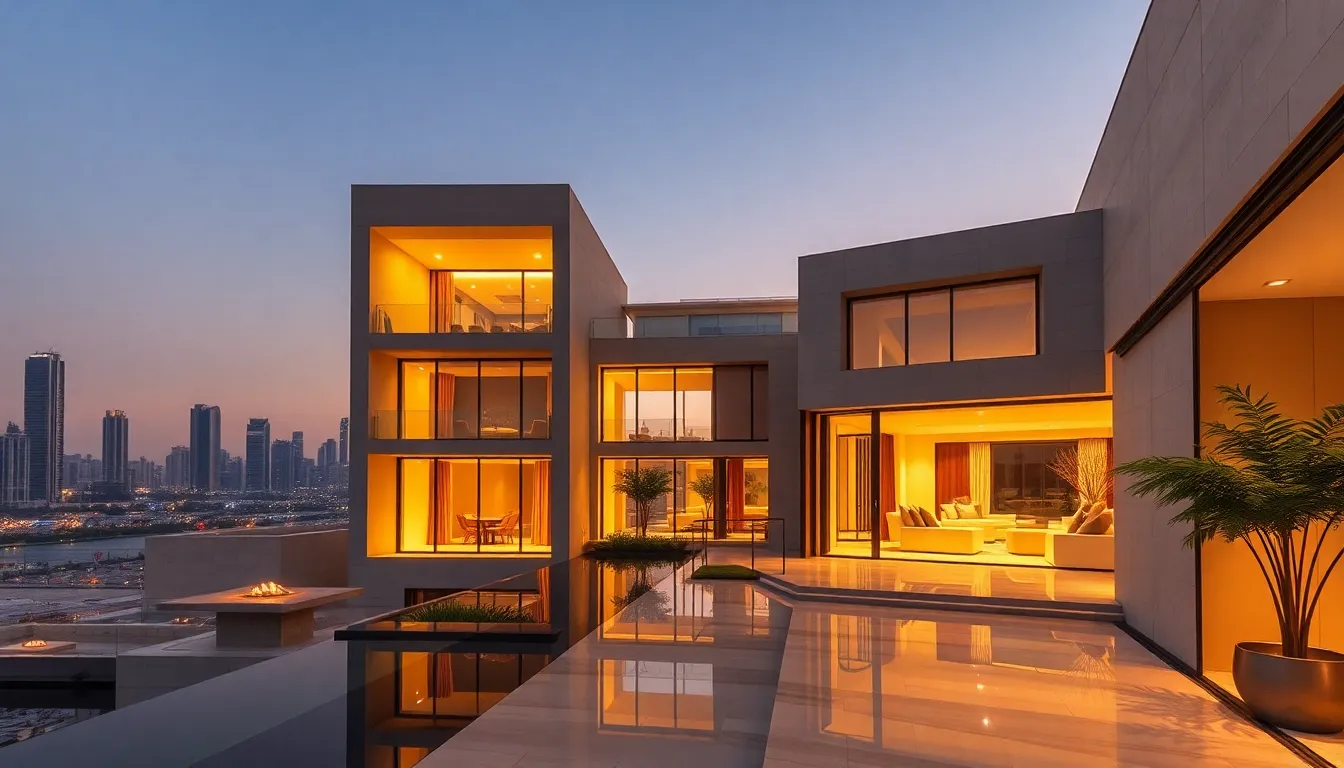
Buy Property in Dubai 2026: Capital Appreciation Deep-Dive
Buying property in Dubai represents a strategic investment in one of the world's most dynamic real estate markets, offering potential for significant capital appreciation through freehold ownership in designated zones. As we analyze 2026 market conditions, understanding the drivers of value growth becomes essential for investors seeking long-term returns. This deep-dive examines whether purchasing Dubai property makes financial sense through the specific lens of capital appreciation potential.
What Factors Drive Capital Appreciation in Dubai's 2026 Property Market?
Dubai's real estate landscape in 2026 operates under distinct economic and regulatory conditions that directly influence property values. The emirate's continued diversification beyond oil, with tourism and technology sectors expanding, creates sustained demand for residential and commercial spaces. Infrastructure projects like the Dubai Metro expansion and new community developments maintain momentum for neighborhood growth.
How Do Government Policies Impact Property Values?
RERA regulations have evolved significantly by 2026, providing enhanced investor protection through transparent transaction processes. The introduction of new property visa UAE categories in 2025 has increased demand from international buyers seeking residency benefits. DLD registration systems now incorporate blockchain verification, reducing fraud risks and increasing market confidence.
Which Economic Indicators Should Investors Monitor?
GDP growth projections for 2026 remain positive at 3.8%, supporting continued real estate demand. Population growth continues at approximately 2.1% annually, with expatriate professionals driving housing needs. Tourism recovery has exceeded pre-pandemic levels, with hotel occupancy rates averaging 82% in early 2026, boosting short-term rental markets.
Which Dubai Areas Offer the Strongest Appreciation Potential in 2026?
Location analysis reveals distinct performance variations across Dubai's neighborhoods. Prime freehold zones continue commanding premium prices, while emerging districts offer higher growth percentages from lower entry points. Understanding these micro-market dynamics helps investors target properties with optimal appreciation trajectories.
How Do Established Communities Perform?
Palm Jumeirah villas maintain their luxury status with average prices reaching AED 42 million in early 2026, representing 8.2% annual appreciation since 2024. Downtown Dubai apartments show consistent demand, with two-bedroom units averaging AED 3.8 million and appreciating 6.7% annually. Dubai Marina remains popular among expatriates, with values increasing 5.9% year-over-year.
What About Emerging Neighborhoods?
Dubai Hills Estate demonstrates strong growth, with townhouses appreciating 12.3% annually since 2024 to reach AED 4.2 million average prices. Arabian Ranches 3 offers entry-level villas starting at AED 2.1 million with 10.8% annual appreciation. Jumeirah Village Circle apartments provide affordable options from AED 1.4 million, appreciating 9.1% annually.
How Can Investors Calculate Potential ROI When Buying Property in Dubai?
ROI calculation requires analyzing both capital appreciation and rental yields to determine total returns. Dubai's property market typically offers 5-7% rental yields combined with 4-9% annual appreciation, creating attractive combined returns. Understanding these metrics helps investors evaluate whether buying property in Dubai aligns with their financial objectives.
What Formulas Should Investors Use?
Capital appreciation ROI equals (current value minus purchase price) divided by purchase price, multiplied by 100. For example, a AED 2 million property appreciating to AED 2.3 million over three years yields 15% total appreciation or 5% annually. Combined ROI incorporates rental income, typically adding 5-7% annually to total returns.
How Do Market Cycles Affect Calculations?
Dubai's real estate operates in approximately 7-year cycles, with 2026 positioned in a growth phase following the 2020-2023 correction. Historical data shows properties purchased during market lows (like 2021) have appreciated 18-25% by 2026. Current projections suggest continued moderate growth through 2028 before the next cyclical adjustment.
What Risks Could Impact Capital Appreciation in 2026?
While Dubai's property market shows strong fundamentals, several factors could affect appreciation rates. Global economic conditions, regional stability, and local oversupply in specific segments require careful monitoring. Understanding these risks helps investors make informed decisions when considering whether to buy property in Dubai.
How Does Supply Affect Prices?
New project completions in 2026 add approximately 35,000 residential units to the market, potentially creating oversupply in certain segments. However, absorption rates remain healthy at 85-90% for well-located properties. Off-plan purchases require careful evaluation of developer track records and completion timelines.
What External Factors Matter Most?
Global interest rate trends influence mortgage costs, with UAE central bank rates projected at 4.2-4.5% in 2026. Currency fluctuations affect international buyer purchasing power, particularly for Euro and Pound Sterling holders. Regional economic integration initiatives could further boost cross-border investment flows.
How Does Dubai Compare to Other Global Markets for Capital Appreciation?
International investors often weigh Dubai against alternatives like Singapore, London, or Miami. Each market offers distinct advantages, but Dubai's combination of tax benefits, regulatory transparency, and growth potential creates unique value propositions. This comparison helps contextualize Dubai's position in global real estate portfolios.
| Market | Average Annual Appreciation (2024-2026) | Rental Yield (2026) | Transaction Costs | Taxation |
|---|---|---|---|---|
| Dubai | 6.8% | 6.2% | 7% (4% DLD + 3% agent) | No property or income tax |
| London | 2.1% | 3.4% | 8-12% (stamp duty + fees) | Council tax + capital gains |
| Singapore | 3.4% | 2.8% | 18-25% (foreigner stamp duties) | Property tax + income tax |
| Miami | 5.2% | 4.1% | 2-3% (closing costs) | Property tax + potential capital gains |
What Strategies Maximize Capital Appreciation When Buying Property in Dubai?
Successful investors employ specific approaches to enhance property value growth. Timing purchases during market phases, selecting optimal locations, and adding value through strategic improvements can significantly impact returns. These strategies help investors navigate whether to buy property in Dubai for maximum appreciation potential.
When Is the Best Time to Purchase?
Market analysis suggests Q4 2026 may offer favorable conditions as sellers become motivated before year-end. Off-plan purchases during early construction phases typically offer 15-20% price advantages over completed properties. Secondary market opportunities emerge when owners face financial pressures, creating potential for negotiated discounts.
How Can Value Be Enhanced Post-Purchase?
Strategic renovations in older properties can increase values by 15-25% with proper ROI calculation. Converting standard apartments to smart homes adds approximately 8-12% premium. Adding amenities like private gyms or workspace areas in villas increases appeal to specific buyer segments willing to pay premiums.
Frequently Asked Questions
Is 2026 a good time to buy property in Dubai for investment?
Yes, 2026 presents favorable conditions with moderate growth projections of 5-8% annual appreciation, combined with 6% average rental yields. Market fundamentals remain strong with population growth and economic diversification supporting demand. However, careful location selection and property type analysis are essential for optimal returns.
What are the best areas in Dubai for capital appreciation in 2026?
Emerging communities like Dubai Hills Estate and Arabian Ranches 3 show strongest appreciation rates at 10-12% annually. Established areas like Palm Jumeirah and Downtown Dubai offer stability with 6-8% growth. For budget-conscious investors, Jumeirah Village Circle and Dubai South provide entry points with 8-10% potential appreciation.
How much should I budget for a Dubai property investment in 2026?
Entry-level apartments start around AED 1.2 million in emerging areas, while premium villas exceed AED 40 million in established communities. Most investors allocate AED 2-5 million for balanced portfolios. Remember to include 7% transaction costs, 1% annual maintenance, and potential renovation budgets in your calculations.
Can foreigners really own property in Dubai freehold?
Yes, foreign investors can purchase freehold properties in designated zones covering approximately 40% of Dubai's developable land. These areas include most popular communities like Dubai Marina, Downtown, Palm Jumeirah, and newer developments. Ownership comes with full title deeds registered through DLD, providing legal security equivalent to UAE nationals.
What documents do I need to buy property in Dubai as a foreign investor?
Required documents include passport copies, visa page (if resident), proof of funds, and in some cases bank NOC for mortgage applicants. Non-residents typically need to open UAE bank accounts for transactions. All purchases require DLD registration and payment of associated fees. For specific requirements, contact our team for personalized guidance.
Conclusion: Should You Buy Property in Dubai in 2026?
Dubai's real estate market offers compelling capital appreciation potential in 2026, with projected annual growth rates of 6-9% across most segments. The combination of economic stability, regulatory transparency through RERA, and tax advantages creates favorable conditions for property investment. While risks exist, particularly around oversupply in specific categories, strategic purchases in well-located properties show strong return potential.
The decision to buy property in Dubai ultimately depends on individual investment horizons, risk tolerance, and portfolio diversification needs. For investors seeking exposure to a growing market with transparent regulations and tax efficiency, Dubai presents attractive opportunities. Those prioritizing rapid appreciation might focus on emerging communities, while stability-seekers may prefer established premium locations.
Successful investment requires thorough market research, proper due diligence, and professional guidance. As you consider whether to buy property in Dubai, evaluate your financial objectives against market realities. The current growth phase, combined with Dubai's long-term development vision, suggests continued value creation for well-selected properties.
For investors ready to explore opportunities, Siddhi Enterprises (Real Estate) provides comprehensive market analysis and property selection services. Our team combines local expertise with global investment perspectives to identify properties with optimal appreciation potential. Browse our properties or schedule a consultation to develop your Dubai investment strategy. Let us help you navigate whether buying property in Dubai aligns with your wealth creation goals.
By the Siddhi Enterprises (Real Estate) Research Team | 2026
Siddhi Team
Dubai Real Estate Experts helping Indian investors find their perfect property in UAE.