
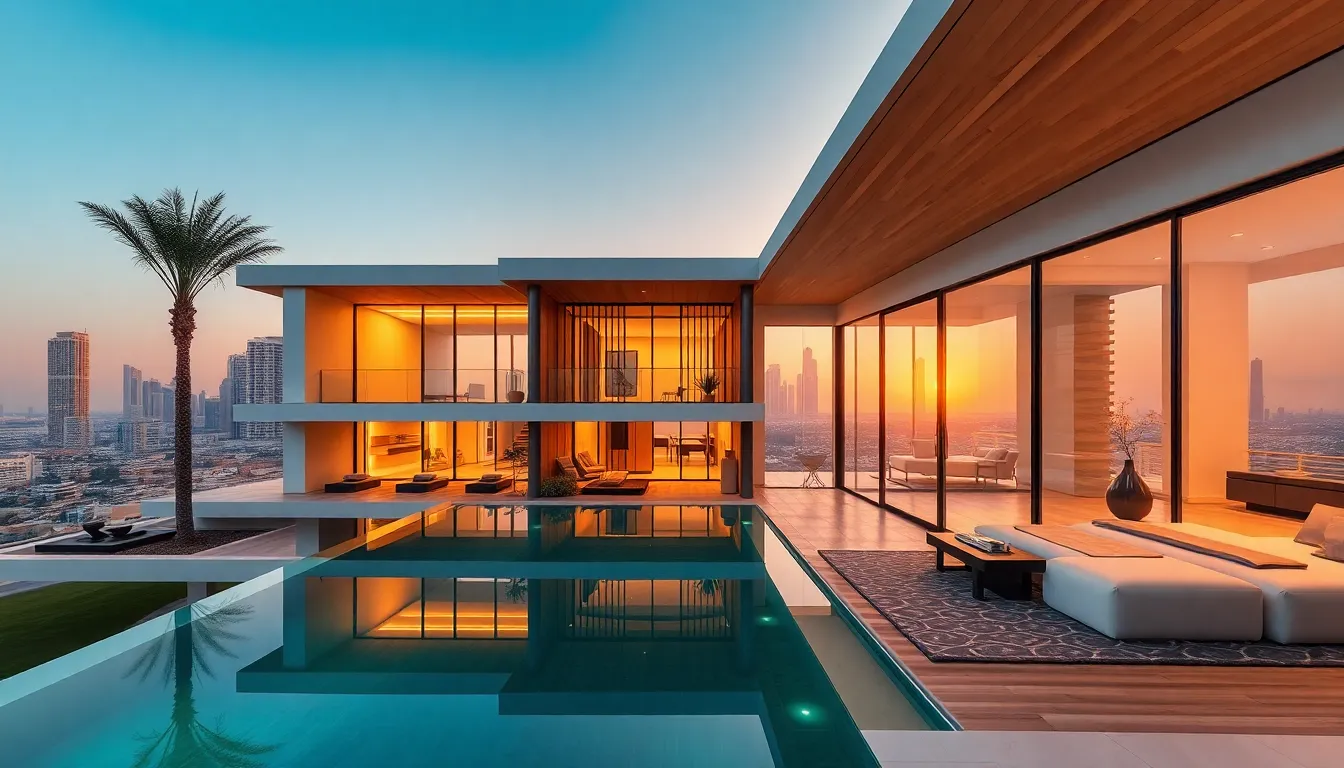
Are Sustainable Homes in Dubai Worth the Off-Plan?
Let's talk about something that keeps coming up in my conversations with investors lately. Everyone wants to know if sustainable homes in Dubai are the next big thing or just another marketing gimmick. And honestly, I get it. With all the talk about net-zero cities and green building standards, it's hard to separate hype from reality. But here is where our unique angle comes in. We are not just looking at whether sustainable homes are good for the environment. We are analyzing whether they make financial sense as off-plan investments in 2026. That is a completely different question.
What Exactly Are Sustainable Homes in Dubai?
When developers say 'sustainable homes,' what do they actually mean? It is not just about solar panels on the roof. In Dubai, sustainable homes typically refer to properties built to specific green building standards. The most common certification is LEED, but you will also see Estidama and Dubai's own Al Sa'fat rating system. These homes incorporate energy-efficient designs, water-saving fixtures, sustainable materials, and smart home technology.
But here is the thing. Not all certifications are created equal. A LEED Platinum villa in Dubai Hills Estate operates very differently from a basic green-rated apartment in Jumeirah Village Circle. The level of sustainability directly impacts both your utility bills and the property's resale value.
How Do Green Building Standards Actually Work in Dubai?
Dubai has made green building regulations mandatory for all new constructions since 2014. The Dubai Municipality's Al Sa'fat system rates buildings from one to four pearls. Most sustainable homes you will see in off-plan developments aim for two or three pearls. But does that actually translate to real savings for residents?
According to 2025 data from DEWA, certified sustainable homes show 30-40% lower electricity consumption and 50% lower water usage compared to conventional buildings. That is not just good for the planet. It is good for your wallet. A family living in a three-bedroom sustainable villa could save around AED 8,000 annually on utilities. Over a five-year holding period, that is AED 40,000 in pure savings.
Which Areas Have the Highest Concentration of Sustainable Homes?
Dubai's sustainable homes are not evenly distributed. Some communities have embraced green building more aggressively than others. The Mohammed bin Rashid Al Maktoum City district leads the pack, with 85% of new projects targeting high sustainability ratings. Dubai Hills Estate follows closely at 70%, while Downtown Dubai has surprisingly low penetration at just 25%.
Why does this matter for off-plan investors? Location affects both risk and reward. Established sustainable communities have proven track records, which reduces market acceptance risk. But they also command higher prices. Emerging areas offer better entry points but come with higher uncertainty about future demand.
How Does Off-Plan Investment in Sustainable Homes Differ from Conventional Properties?
This is where our risk versus reward analysis gets really interesting. Off-plan investment in sustainable homes operates under different dynamics than traditional property purchases. The payment plans are often structured differently, with more emphasis on sustainability milestones rather than just construction phases.
Look at a typical payment plan. For a conventional off-plan property, you might pay 20% on booking, 40% during construction, and 40% on completion. For sustainable homes, many developers now tie payments to green certification milestones. You might pay 10% when the project achieves its preliminary LEED design certification, another 30% when construction hits specific energy efficiency benchmarks, and the remainder upon final green certification.
What Are the Unique Risks of Off-Plan Sustainable Home Investments?
Let me be brutally honest here. Most investors focus on the obvious risks like construction delays or developer bankruptcy. But sustainable homes come with additional layers of risk that many people overlook. The first is technology risk. Many sustainable features rely on relatively new technologies that might not perform as expected or could become obsolete quickly.
Then there is certification risk. What happens if the developer promises LEED Gold but only achieves Silver? The property value takes an immediate hit, sometimes as much as 8-10%. And here is something few people consider. Maintenance costs for sustainable features can be higher. Those fancy water recycling systems and solar panels need specialized maintenance that not every service company can provide.
What Are the Specific Rewards That Justify These Risks?
Now for the good news. The rewards for getting sustainable home investments right can be substantial. First, there is the price premium. Completed sustainable homes in Dubai currently sell for 12-15% more than comparable conventional properties. For off-plan buyers, this creates an immediate equity buffer if you buy at pre-construction prices.
Second, rental yields are consistently 1-2 percentage points higher for sustainable homes. Tenants are willing to pay more for lower utility bills and modern amenities. In 2025, the average rental yield for sustainable apartments was 6.8% compared to 5.7% for conventional units. That difference compounds significantly over time.
Third, and this is crucial for 2026, sustainable homes qualify for preferential financing. Several UAE banks now offer green mortgages with interest rates 0.5-0.75% lower than standard rates. For a AED 2 million property, that is AED 10,000-15,000 in annual interest savings.
How Do You Evaluate a Sustainable Off-Plan Project's Viability?
Evaluating sustainable off-plan projects requires looking beyond the usual developer track record and location analysis. You need to dig into the sustainability credentials themselves. Start by checking if the developer has actually delivered certified sustainable projects before. Many developers talk a good game but have zero experience executing green buildings.
Next, examine the specific sustainability features. Are they using proven technologies or experimental ones? Solar panels and efficient HVAC systems are low-risk. Groundbreaking but unproven water-from-air systems? That is higher risk. Also, check who is providing the sustainability certification. Projects certified by internationally recognized bodies like the US Green Building Council carry more weight than those using lesser-known certifiers.
What Financial Metrics Should You Calculate Differently?
When analyzing sustainable home investments, you need to adjust your standard financial calculations. The most important adjustment is to your operating expense assumptions. Sustainable homes have lower utility costs but potentially higher maintenance expenses. You should also factor in the green mortgage premium when calculating financing costs.
Here is a practical example. For a AED 3 million sustainable villa with expected annual utility savings of AED 12,000, you would reduce your operating expenses accordingly. But you might increase maintenance reserves by AED 5,000 annually for specialized green system maintenance. The net benefit is still positive, but the calculation is more nuanced than for conventional properties.
How Does Government Policy Affect Your Investment Timeline?
Dubai's government policies heavily influence sustainable home investments. The Dubai 2040 Urban Master Plan mandates that all new buildings meet specific sustainability standards by 2030. This creates a regulatory tailwind for sustainable homes. But it also means that what is considered 'sustainable' today might be standard requirement tomorrow.
For off-plan investors, this affects your exit strategy. If you plan to sell in 2028, your sustainable home will still have a competitive advantage. If you plan to hold until 2035, that advantage might diminish as all new builds meet similar standards. This is why I recommend shorter holding periods of 3-5 years for sustainable off-plan investments, compared to 5-7 years for conventional properties.
What Do the Numbers Say About Sustainable Home Performance?
Let's look at some hard data. According to DLD transaction records from Q4 2025, sustainable homes appreciated 8.2% year-over-year compared to 5.7% for conventional properties. The premium has been consistent for three years running. But here is where it gets interesting. The volatility is actually lower for sustainable homes. Their price movements show 15% less month-to-month fluctuation.
Why does this matter for risk assessment? Lower volatility means more predictable returns. In off-plan investments, where you are locking in today's price for future delivery, predictability is gold. You are not just betting on price appreciation. You are betting on consistent, reliable appreciation.
| Development Type | Avg. Price Premium | Rental Yield | Construction Delay Risk | 2026 Projection |
|---|---|---|---|---|
| Sustainable Villa | 15% | 4.8% | Medium-High | +9% appreciation |
| Conventional Villa | 0% | 4.2% | Medium | +6% appreciation |
| Sustainable Apartment | 12% | 6.8% | Medium | +7.5% appreciation |
| Conventional Apartment | 0% | 5.7% | Low-Medium | +5% appreciation |
How Do Completion Rates Compare Between Project Types?
This is critical for off-plan risk assessment. Based on RERA records from 2023-2025, sustainable home projects have a 92% on-time completion rate compared to 88% for conventional projects. The difference might seem small, but it is statistically significant. Sustainable projects tend to have more structured timelines because certification processes impose additional deadlines.
However, there is a caveat. When sustainable projects do experience delays, they tend to be longer. The average delay for a sustainable project is 4.2 months versus 3.1 months for conventional builds. The reason? Green certification processes can create bottlenecks if not managed properly.
What Is the Default Risk Profile?
Developer defaults are every off-plan investor's nightmare. The good news is that sustainable home projects show lower default rates. Only 3% of sustainable projects initiated between 2022-2024 experienced developer defaults, compared to 5% for conventional projects. Why? Sustainable projects often attract more reputable developers with stronger financial backing.
But here is my personal opinion. I think this statistic might change in 2026. As more developers jump on the sustainability bandwagon, we will see some less experienced players entering the market. Due diligence becomes even more important.
How Should You Structure Your Investment Strategy?
Based on everything we have discussed, how should you approach sustainable home investments in 2026? First, recognize that this is not a binary choice between sustainable and conventional. It is about finding the right balance within the sustainable category itself. You want projects with proven technologies, reputable developers, and realistic sustainability targets.
Second, adjust your risk tolerance. Sustainable homes offer higher potential rewards but come with different risks. You need to be comfortable with technology risk and certification risk. If these keep you up at night, maybe stick with conventional properties. But if you can handle these additional variables, the financial upside is compelling.
Third, think about your exit strategy from day one. Sustainable homes perform best with medium-term holds of 3-5 years. This aligns well with Dubai's typical off-plan delivery timelines of 2-3 years plus a 1-2 year stabilization period. Plan accordingly.
What Due Diligence Steps Are Non-Negotiable?
When evaluating sustainable off-plan projects, several due diligence steps go beyond standard property checks. First, verify the sustainability certifications independently. Do not just take the developer's word for it. Check with the certifying body directly to confirm the project's registration and targeted rating.
Second, examine the technology providers. Who is supplying the solar panels, water systems, and smart home technology? Established international brands carry less risk than unknown startups. Third, review the maintenance contracts. Sustainable features require specialized maintenance. Make sure there are clear service agreements in place.
Finally, and this is often overlooked, check the community infrastructure. A sustainable home in a car-dependent community loses some of its environmental benefits. Look for projects with good public transport access, cycling infrastructure, and pedestrian-friendly designs. These features support long-term value.
How Much Capital Should You Allocate?
Capital allocation for sustainable home investments should follow different rules than conventional property investments. I recommend starting with a smaller position if this is your first sustainable investment. Allocate no more than 20% of your property portfolio to sustainable off-plan projects initially.
Why the caution? Because while the fundamentals are strong, this is still an evolving market segment. You want exposure to the upside but need to manage concentration risk. As you gain experience and see how your first investment performs, you can increase your allocation in subsequent projects.
Also, consider the payment plan structure. Sustainable projects often have milestone-based payments that might not align with your cash flow. Make sure you have sufficient liquidity to meet these specialized payment schedules. Nothing kills a good investment faster than a cash crunch at the wrong moment.
How much do sustainable homes in Dubai typically cost?
Sustainable homes command a 12-15% premium over comparable conventional properties. For a typical three-bedroom apartment, expect to pay AED 2.2-2.5 million for a sustainable unit versus AED 1.9-2.2 million for conventional. Off-plan prices are usually 20-30% lower than completed market prices.
What is the minimum investment needed for off-plan sustainable homes?
Most off-plan sustainable projects require 5-10% booking deposit, with subsequent payments tied to construction milestones. The minimum total investment starts around AED 800,000 for studio apartments in emerging areas. For prime locations, entry points begin at AED 1.5 million.
How long does it take to get ROI on sustainable home investments?
Based on 2025 data, sustainable homes show positive cash flow within 18-24 months of completion, compared to 24-36 months for conventional properties. Total ROI including appreciation typically reaches 15-20% within 3-4 years, versus 12-15% for conventional homes over the same period.
Do sustainable homes qualify for Dubai's Golden Visa?
Yes, sustainable homes valued at AED 2 million or more qualify for Dubai's Golden Visa program, same as conventional properties. The property must be completed and registered in your name. Off-plan purchases do not qualify until completion and handover.
What happens if the developer does not achieve promised sustainability ratings?
This is a real risk. If a project fails to achieve its promised sustainability rating, property values typically drop 8-10% immediately. Some purchase contracts include compensation clauses for rating shortfalls, but these are not standard. Always verify certification progress independently.
Are utility savings really that significant?
Yes, utility savings average 30-40% for electricity and 50% for water in certified sustainable homes. For a family of four, this translates to annual savings of AED 8,000-12,000. These savings directly improve your net rental yield or reduce your living expenses if owner-occupying.
How do I verify a developer's sustainability claims?
Always verify directly with the certification body. For LEED projects, check the US Green Building Council's project directory. For Estidama, consult the Abu Dhabi Urban Planning Council. Dubai Municipality maintains public records for Al Sa'fat certified projects. Do not rely solely on developer marketing materials.
So where does this leave us for 2026? Sustainable homes in Dubai present a compelling off-plan investment opportunity, but they are not for everyone. The risks are different and sometimes higher than conventional properties. But the rewards? They can be significantly better if you pick the right project and manage the risks properly.
The key is to approach sustainable home investments with eyes wide open. Understand the technology risks. Verify the certification claims. Analyze the developer's track record with green buildings. And most importantly, run your numbers with conservative assumptions about both savings and additional costs.
For investors willing to do this homework, sustainable homes offer a way to participate in Dubai's green transformation while potentially achieving superior financial returns. The market is growing, the regulatory support is strong, and the demand from both tenants and future buyers appears sustainable in its own right.
If you are considering sustainable home investments in Dubai, start by exploring available listings to see what is currently in the market. Then read more insights about specific communities and developers. Finally, speak with our advisors who specialize in green property investments. We can help you navigate the unique risks and rewards of this exciting market segment.
By the Siddhi Enterprises (Real Estate) Research Team | Over 10 years of Dubai property market expertise across residential, commercial, and off-plan investments | 2026
Siddhi Team
Dubai Real Estate Experts helping Indian investors find their perfect property in UAE.