
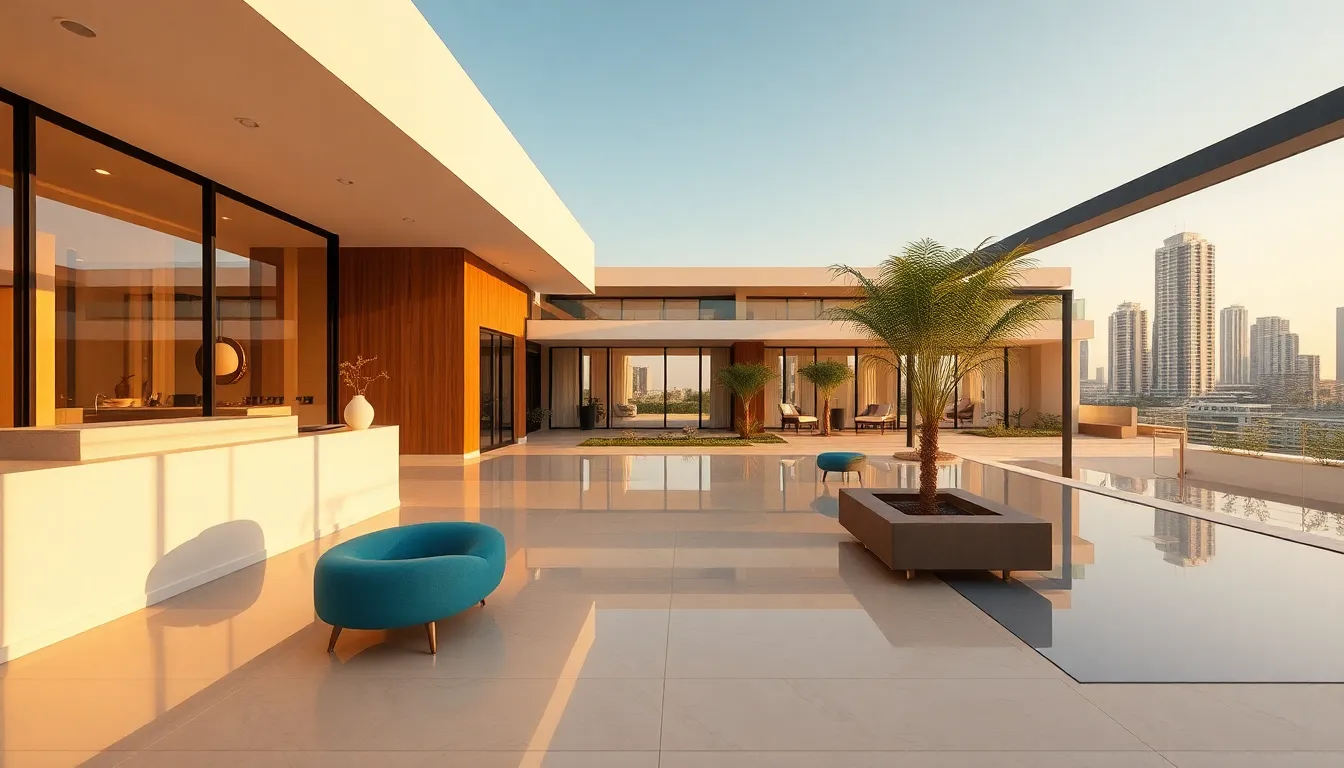
Are Sustainable Homes in Dubai Worth It in 2026?
Dubai has transformed from a desert city into a global hub of innovation. In 2026, sustainable homes are at the center of this evolution. These eco-friendly properties are not just a trend—they are a strategic shift. The UAE government has set ambitious targets. By 2030, 30% of Dubai's buildings must be sustainable. This blog explores whether these homes are worth your investment.
Sustainable homes in Dubai reduce energy and water consumption significantly. They use smart technologies, solar panels, and efficient insulation. The DEWA (Dubai Electricity and Water Authority) reports that green buildings save up to 40% on electricity. Water savings can reach 30%. These benefits directly reduce your monthly bills. Plus, they contribute to a healthier planet.
But price is a concern. Initial costs can be 5-15% higher than standard homes. Yet, studies show that premium resale values offset this. A 2025 report by Knight Frank mentioned that sustainable properties in Dubai appreciate 8-12% faster than conventional ones. So, long-term gains are real.
In 2026, new regulations are pushing developers. The Dubai Building Code mandates energy-efficient designs. Developers must meet specific sustainability criteria. This means more options for buyers. Areas like Dubai Creek Harbour, The Sustainable City, and Al Barari lead the way. These communities are designed for low environmental impact.
What Makes a Home Sustainable in Dubai in 2026?
Sustainability in Dubai homes goes beyond solar panels. It involves integrated systems. Smart home automation optimizes energy use. Water recycling systems reduce waste. Green roofs and walls improve insulation. Materials are locally sourced to lower carbon footprint. Buildings are oriented to maximize natural light, reducing artificial lighting needs.
Certifications matter. The most common are LEED (Leadership in Energy and Environmental Design) and Estidama (Pearl Rating System). In 2026, Dubai also has the Al Sa'fat system. These certify energy efficiency, water conservation, and indoor air quality. Look for homes with these labels. They ensure your home meets rigorous standards.
Developers are innovating. For example, The Sustainable City in Dubai features villas with net-zero energy. Community farms and organic gardens are common. Electric vehicle charging stations are standard. These features attract eco-conscious buyers. They also reduce your carbon footprint.
Smart meters are another key. They track usage in real-time. Residents can adjust habits to save more. DEWA offers incentives for homes that produce excess energy. You can sell back to the grid. This makes sustainable homes profitable.
How Much Can You Save with a Sustainable Home in Dubai?
Savings are substantial. Let's break down numbers. A typical villa in Dubai consumes about 20,000 kWh per year. A sustainable home uses 12,000 kWh, saving 8,000 kWh. At DEWA's rate of AED 0.38 per kWh, that's AED 3,040 annually. Water savings are similar. Overall, annual utility savings can reach AED 5,000-8,000.
Over 10 years, that's AED 50,000-80,000. Plus, resale value is higher. A 2026 survey by Property Monitor found that sustainable homes sell 10% faster. They also command 5-10% higher prices. So, you recover the initial investment quickly.
Green mortgages are now available. Banks like Emirates NBD offer lower interest rates for eco-friendly homes. This reduces monthly payments. The Dubai Green Building Council provides resources. They help buyers identify certified properties.
There's also health savings. Better indoor air quality reduces medical bills. Sustainable homes use non-toxic materials. They have advanced ventilation. This is especially important in Dubai's hot climate. You live better and save more.
Which Dubai Communities Offer the Best Sustainable Homes in 2026?
Several communities stand out. Here's a comparison table:
| Community | Developer | Key Features | Price Range (AED) |
|---|---|---|---|
| The Sustainable City | Diamond Developers | Net-zero energy, community farm, EV chargers | 2.5M - 5M |
| Al Barari | Al Barari LLC | Lush greenery, water recycling, organic farming | 8M - 25M |
| Dubai Creek Harbour | Emaar | LEED-certified towers, smart homes, green spaces | 1.5M - 10M |
| Wasl Port Views | Wasl | Estidama 3 Pearl, solar water heating, efficient fixtures | 1.2M - 3M |
These communities offer different price points. The Sustainable City is affordable luxury. Al Barari is high-end, with 80% green space. Dubai Creek Harbour is modern and urban. Wasl Port Views is budget-friendly. Each has unique sustainability features. Choose based on your budget and lifestyle.
Other notable mentions: Dubai Hills Estate has eco-friendly villas. City Walk integrates green roofs. Jumeirah Golf Estates uses recycled water for landscaping. All are worth exploring.
For a complete list, explore available listings.
What Are the Hidden Costs of Sustainable Homes in Dubai?
Upfront costs are higher. But hidden costs exist too. Maintenance of smart systems can be expensive. Solar panels need cleaning every 2-3 years. Battery storage replacements every 10 years. However, warranties often cover these. Check the developer's package.
Insurance premiums may be slightly higher. But some insurers offer discounts for green homes. Shop around. Also, some communities have higher service charges. Reason: they maintain green areas and facilities. But these charges are often offset by lower utility bills.
Resale restrictions? Some sustainable communities require you to maintain eco-friendly standards. You may not be able to remove solar panels. That's fine for most buyers. But if you plan to flip quickly, consider this.
Another hidden benefit: tax incentives. Dubai has no property tax, but there are municipality fees. Sustainable homes sometimes get reduced fees. In 2026, the Dubai government is considering a green building tax break. Stay updated.
How to Finance a Sustainable Home in Dubai in 2026?
Financing is easier now. Green mortgages are available from major banks. They offer rates 0.25-0.5% lower than standard mortgages. For a AED 3M home, that saves AED 7,500 annually in interest. Some banks also waive processing fees for green homes.
You need a down payment of 20-25% for UAE nationals, 30-35% for expats. Green mortgages follow the same rules. But some developers offer payment plans. For off-plan sustainable properties, you can pay in installments during construction.
Government schemes: The Dubai Green Building Council provides a directory of certified properties. Use it to find eligible homes. Also, the UAE's Net Zero by 2050 initiative may introduce subsidies. In 2026, check for first-time buyer programs.
Consult with our advisors. They can connect you with green mortgage lenders. Speak with our advisors for personalized advice.
Are Sustainable Homes in Dubai a Good Investment for 2026?
Yes. The data supports it. Rental yields for sustainable homes are 6-8%, compared to 5-6% for conventional ones. That's significant. Plus, demand is rising. A 2025 survey by Bayut showed 68% of Dubai residents prefer eco-friendly homes. This trend continues.
The Dubai 2040 plan will increase green spaces. It will make sustainable communities more valuable. Early adopters will see appreciation. Also, global investors are interested. Dubai's sustainable real estate market is attracting foreign capital. This drives prices up.
But consider your timeline. If you plan to hold for 5+ years, you'll profit. If you flip quickly, the premium may not be recouped. Sustainable homes are for long-term investors.
Finally, the lifestyle benefit. You live healthier, save money, and protect the environment. That's priceless.
Frequently Asked Questions
1. Are sustainable homes in Dubai more expensive to build? Yes, upfront costs are 5-15% higher, but long-term savings offset this.
2. Do sustainable homes in Dubai have lower utility bills? Yes, typically 30-40% lower electricity and water bills.
3. What certifications should I look for? LEED, Estidama (Pearl), and Al Sa'fat are the main ones.
4. Can I get a green mortgage in Dubai? Yes, several banks offer green mortgages with lower rates.
5. Are there government incentives for sustainable homes in 2026? The Dubai government is introducing tax breaks and reduced fees. Check regularly.
6. Which community is the most sustainable in Dubai? The Sustainable City is the most well-known, but Al Barari and Dubai Creek Harbour are also top.
7. Is resale value higher for sustainable homes? Yes, they sell faster and at 5-10% higher prices.
For more details, read more insights on our blog.
By choosing a sustainable home, you invest in Dubai's future. You also invest in your own well-being. The market is ready. Are you?
By the Siddhi Enterprises (Real Estate) Research Team | Over 10 years of Dubai property market expertise
Siddhi Team
Dubai Real Estate Experts helping Indian investors find their perfect property in UAE.