
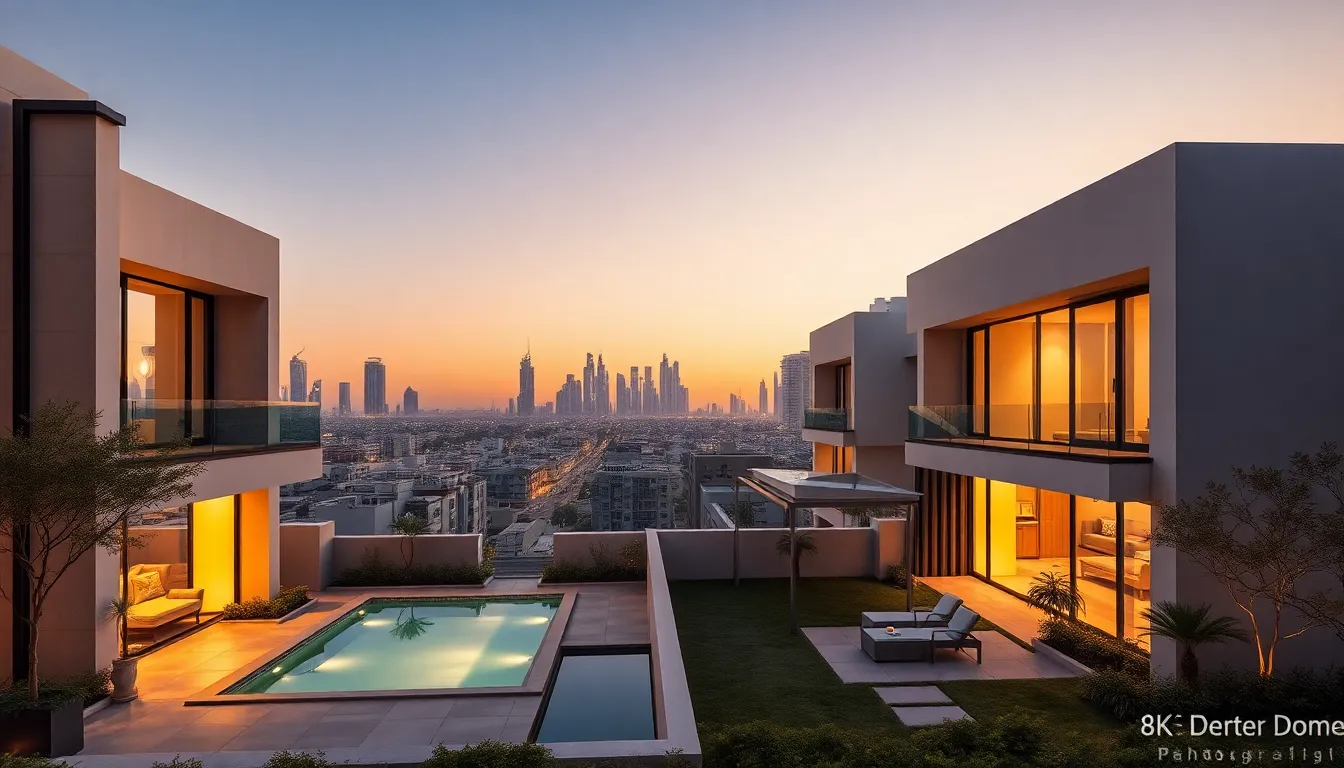
Are Smart Homes in Dubai Worth the Investment in 2026?
Dubai is known for pushing boundaries. From the world's tallest building to man-made islands, innovation is in its DNA. Now, the city is going all in on smart homes. But is this just a tech trend or a genuine shift in how we live? In 2026, the answer is clear: smart homes have become the new baseline.
Imagine walking into your apartment and the lights adjust to your mood, the AC sets itself to your preferred temperature, and your coffee starts brewing—all without touching a switch. That's not science fiction. That's Dubai in 2026. Developers are racing to integrate IoT, AI, and energy-efficient systems into new projects. And buyers are taking notice.
What Makes a Home "Smart" in Dubai 2026?
A smart home in Dubai goes beyond a voice assistant. It's a fully integrated ecosystem. Key features include automated lighting, climate control, smart security cameras, and energy monitoring. Many homes now offer voice-controlled blinds, smart locks, and even AI-powered concierge services. The Dubai Smart City initiative has set standards for interoperability. That means your devices talk to each other seamlessly.
New developments like those in Dubai Creek Harbour and Expo City are designed with smart infrastructure from the ground up. Retrofits are also popular. Homeowners can upgrade with modular systems. The result? A home that learns your habits and saves you money.
How Much More Do Smart Homes Cost in Dubai?
In 2026, the premium for a fully integrated smart home ranges from 10% to 20% over traditional properties. A standard 2-bedroom apartment in Dubai Marina might cost AED 1.8 million. The smart version could be AED 2 million. That extra AED 200,000 covers sensors, hubs, and installation. But here's the kicker: resale value jumps by up to 15%. So that upfront cost is often recouped.
| Property Type | Standard Price (AED) | Smart Home Price (AED) | Premium % |
|---|---|---|---|
| 1-Bedroom Apartment (Downtown) | 1,200,000 | 1,380,000 | 15% |
| 2-Bedroom Apartment (Marina) | 1,800,000 | 2,070,000 | 15% |
| 3-Bedroom Villa (Emirates Hills) | 5,500,000 | 6,600,000 | 20% |
| Studio Apartment (JLT) | 750,000 | 862,500 | 15% |
Smart homes also qualify for green financing. Some banks offer lower interest rates for energy-efficient properties. This reduces the monthly burden. So while the sticker price is higher, the long-term savings on utilities and interest can offset it.
Which Dubai Communities Have the Most Smart Homes?
Certain areas lead the smart home revolution. Dubai Creek Harbour is a top contender. It's built as a "smart city within a city." Every home features integrated systems. Expo City Dubai is another hotspot. Its legacy infrastructure includes high-speed connectivity and AI management. Then there's Palm Jumeirah. High-end villas there often come with bespoke automation. Downtown Dubai and Dubai Marina are also upgrading. Even older buildings are adding smart features through renovations.
Developers like Emaar, Damac, and Nakheel are competing to offer the most advanced tech. In 2026, nearly 70% of new launches include at least basic smart features. That's up from 40% in 2022. The trend is clear: if you're buying off-plan, you'll likely get a smart home.
Do Smart Homes Save Money on Energy Bills?
Absolutely. Smart thermostats alone can cut cooling costs by up to 23%. In Dubai, where AC runs year-round, that's huge. Automated lighting reduces electricity usage by 15-20%. Smart irrigation systems minimize water waste. Many homes now have solar panels integrated with smart grids. The average monthly DEWA bill for a 2-bedroom smart apartment is around AED 400, versus AED 550 for a standard one. Over a year, that's AED 1,800 saved.
Plus, the Dubai government offers incentives for smart energy use. Some homeowners get rebates for installing efficient systems. And when you sell, energy performance certificates add to your property's appeal. In 2026, sustainability is a selling point. Smart homes are inherently greener.
Are Smart Homes More Secure?
Yes, and that's a major draw. Smart locks with biometric access, video doorbells, and 24/7 surveillance via your phone are standard. Many communities have AI-powered security cameras that can detect suspicious behavior. In 2026, Dubai's police force partnered with smart home providers to integrate emergency alerts. If a break-in occurs, the system contacts authorities automatically. That peace of mind is priceless.
Data security is also taken seriously. Dubai's Smart City framework mandates encryption and data protection. Homeowners control their data. You can choose what to share. And with regular software updates, vulnerabilities are patched quickly. In a city known for safety, smart homes take it to the next level.
What Are the Challenges of Smart Homes in Dubai?
No technology is perfect. Connectivity is the biggest issue. If your internet goes down, some features may not work. However, most systems now have offline modes. Another challenge is compatibility. Not all devices work together. But Matter, the new standard, is solving this. In 2026, most new products are Matter-compatible. That means seamless integration.
Cost is also a barrier for some. The premium can be steep for budget buyers. But financing options exist. And as technology becomes cheaper, the premium will shrink. Lastly, there's a learning curve. Some residents find smart systems complex. But installers provide training, and interfaces are becoming more intuitive.
Will Smart Homes Become Mandatory in Dubai?
Not yet, but regulations are moving that way. In 2025, Dubai Municipality introduced new building codes. They require all new villas to have basic smart infrastructure—like pre-wiring for automation. By 2027, full smart home readiness may be mandatory for certain developments. This aligns with the Dubai 2040 Urban Master Plan, which emphasizes smart and sustainable living. So if you're buying in 2026, you're future-proofing your investment.
Investors should pay attention. Properties that meet future standards will command higher rents and resale values. Early adopters gain an edge. And with Dubai's Expo legacy, the city is positioning itself as a global smart city leader. Being part of that is both a financial and lifestyle advantage.
How Do I Choose the Right Smart Home Features?
Start with your priorities. For most people, security and climate control are top. Then consider entertainment and convenience. A good rule: invest in energy-saving features first. They pay for themselves. Next, focus on security. Then add luxury items like automated blinds or smart mirrors.
Work with a reputable builder or integrator. Ask about future upgrades. In 2026, modular systems are best. They allow you to add features over time. Also, check warranty and support. Smart home tech evolves fast. You want a system that can be updated. And always test the user interface. If it's not easy for you, it's not the right system.
Ready to explore? Explore available listings in Dubai's smartest communities. Our portfolio includes top smart home developments. Read more insights on property trends. Or speak with our advisors for personalized advice.
Frequently Asked Questions
What is the average cost of a smart home system in Dubai?
Basic systems start at AED 10,000 for a one-bedroom. Fully integrated solutions for villas can exceed AED 100,000. Most mid-range installations cost AED 30,000 to 60,000.
Can I retrofit my existing Dubai home with smart technology?
Yes. Many companies offer retrofit kits. You can upgrade locks, lights, and thermostats without rewiring. Full retrofits are possible but may require minor construction.
Do smart homes increase property value in Dubai?
Yes. Studies show a 10-20% increase in resale value. Smart homes also rent faster and at higher rates. In 2026, they are a strong investment.
Are smart homes in Dubai safe from hacking?
Reputable systems use encryption and regular updates. Dubai's regulations require security standards. Choose certified products and change default passwords.
Which is the best smart home system in Dubai?
Control4, Crestron, and Savant are popular high-end options. For budget, Google Nest and Apple HomeKit work well. Compatibility with Dubai's infrastructure is key.
Is internet required for smart homes to work?
Most features need an internet connection for remote access. However, many systems have local control via hub. Essential functions like lights and locks work offline.
Are there any government incentives for smart homes in Dubai?
Yes. DEWA offers rebates for energy-efficient appliances. Some banks provide green mortgages with lower rates. Check eligibility for your property.
By the Siddhi Enterprises (Real Estate) Research Team | Over 10 years of Dubai property market expertise
Siddhi Team
Dubai Real Estate Experts helping Indian investors find their perfect property in UAE.