
Are Emaar Beachfront Apartments a Smart Buy in 2026?
Walk into an Emaar Beachfront sales center during Diwali, and you'll see it all. The marigold garlands, the trays of sweets, the buzz of NRIs flying in just to sign papers. It's a frenzy. I've stood in that room, sweat soaking through my shirt, watching buyers believe they've struck gold just because the launch is packed. I've also watched half of them regret it later. Here's what I tell my clients: hype doesn't pay your mortgage. Genuine demand does. And separating one from the other? That's where fifteen years in Dubai real estate comes in.
I've seen Emaar Beachfront grow from a sandy pit into the most talked-about island community in Dubai. But I've also seen buyers blindly trust the brochure instead of checking the floor plan. So let's cut through the noise. In 2026, some units here are a steal. Others will leave you holding an apartment you can't shift. I'll show you how I read the difference.
What's the real draw of Emaar Beachfront—beyond the renderings?
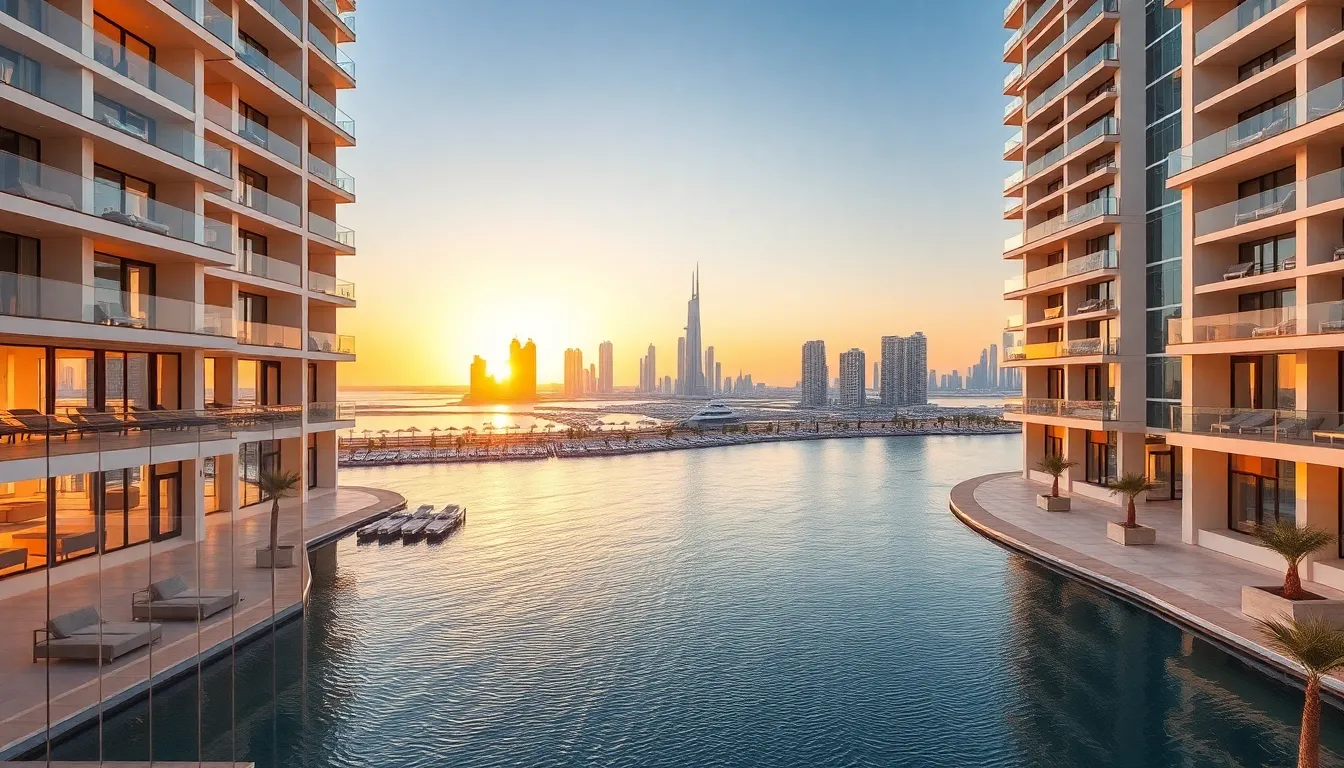
First, let's be blunt. A lot of what gets buyers excited about apartments for sale in Emaar Beachfront is emotion. The idea of stepping onto a private beach, the silhouette of Bluewaters in the distance, the Emaar logo. I get it. I've walked that shoreline a hundred times. It's stunning.
But the real draw, in my experience, is the mix of isolation and access. You're on an island, but you're still 10 minutes from Dubai Marina. That's rare. In a city where waterfront usually means either remote (Palm) or cramped (JBR), Emaar Beachfront splits the difference. You get a proper beach, not a strip of imported sand next to a high-traffic promenade. The water is clean, the contours feel natural, and the boardwalk actually extends far enough for a proper jog.
I've had clients who bought here after getting fed up with Marina traffic. They wanted sand between their toes without giving up the Marina Mall. That's the pitch, and it mostly holds up. But it also means the development is still maturing. Not all plots are handed over. The central retail plaza isn't fully leased yet. So when you buy now, in 2026, you're betting on that progress. I don't mind that bet, but go in with eyes open.
How do I spot a hype illusion versus a concrete opportunity?
This is where the Diwali-season chaos comes in. I remember a family flying in from London. Three generations, excited kids, the scent of curry competing with air-conditioning chill in the sales tent. They wanted the highest floor, the corner unit with the best view, and they wanted it right there. I had to physically walk them to a different unit, still under construction, and stand on the bare concrete to show them the glare hitting their future balcony at 2 PM. They didn't buy that one. They bought a slightly lower floor facing north, wider layout, and I still get a thank-you note every Diwali.
That's the difference. Hype shouts about the view. Opportunity whispers about the orientation, the maintenance provisions in the building bylaws, the hidden handover quality issues I've already seen in sister towers. Here's my checklist for waterfront living in Dubai that actually holds value:
- Handover reputation: Is the developer known to delay? Emaar generally delivers, but I track each building individually. Some phase-one towers had snagging issues with water drainage. I inspect.
- Unit orientation: Beach views come with sun exposure. West-facing? You'll bake from 1 PM onward. North-facing? Gentle light, cooler, and often a better layout because they reserve those for larger units.
- Floor level: The sweet spot in these towers is usually floors 8–15. High enough to clear the breakwater, low enough that waiting for elevators doesn't ruin your mornings.
- Proximity to the central park: The island's park is the social hub. Units overlooking it, not directly on the beach, can have longer-term family appeal.
When I browse our Dubai real estate listings with a client, I filter first by these practicalities. Not by the picture that looks best on Instagram.
Is now, in 2026, actually a good time to buy here?
Timing matters. I've watched Emaar Beachfront go through three distinct phases: the early off-plan frenzy (2018–2020), the pandemic dip where a few resales traded at a loss, and now a steadier phase where handovers are accelerating and the community is filling out. In 2026, we're seeing more ready units. That changes the game.
Before, you were buying a promise. Now you can see the neighborhood at dusk, hear the noise levels, check if the café you wanted is actually open. You can kick the tires. That brings in a different buyer: pragmatic, often end-user families, not just investors flipping next year. And that's healthy. A community of actual residents holds value better.
I'm also noticing stronger tenant demand for off-plan apartment investment units that have now completed. Fully furnished one-bedrooms facing the park are renting fast. That tells me the location works. People want to live there. The test is if they stay. Early signs say yes, but watch for churn when service charges hit—something I always flag to my investor clients.
What should I look for in the apartments themselves?
Emaar Beachfront isn't one thing. It's a collection of towers by different architects, each with quirks. The layouts range from clever to... let's just say I've seen walk-in closets bigger than some studios. Here's what to focus on when evaluating apartments for sale in Emaar Beachfront:
Studios: Mostly in the Central tower cluster. Efficient but tight. I only recommend these for short-term rental plays, and only if the building allows holiday lets. Check that first. Some have restrictions.
One-beds: The workhorse of the market. Look for the 750+ sq. ft. ones. The smaller ones feel like a hotel room. The bigger ones have a decent kitchen counter, which matters for long-term tenants. I always check if the unit has a dedicated laundry nook. You'd be surprised how many don't.
Two-beds: These diverge wildly. Some have a corridor so long you could play bowling. Others are perfectly arranged with an L-shaped living space. The best ones have a separate utility room and a balcony accessible from both living and master. Those hold value.
Three-beds and penthouses: Often custom-fitted by the original buyer. I've seen stunning ones and also gaudy disasters. Look past the furniture. Check the floor plan. Ceiling height is crucial on the top floors—some penthouses have lower than expected clearance because of building services above.
I always book a no-pressure consultation specifically to walk through these layout details. It's not the fun part, but it's where the money is made.
How does Emaar Beachfront compare to other waterfront communities?
| Dimension | Emaar Beachfront | Dubai Marina (JBR side) | Palm Jumeirah (trunk apartments) |
|---|---|---|---|
| Beach access | Private, wide, uncrowded | Public, narrow, crowded | Mostly private but narrow strips |
| Pedestrian friendliness | Excellent—boardwalk, park paths | Fair—promenade can be dangerous with cyclists and scooters | Poor—car-dependent |
| Community feel | Growing, family-oriented, quiet evenings | Transient, loud, tourist-heavy | Established but isolated |
| Connectivity to main city | 10 min to Marina, 20 min to DIFC | Inside Marina, easy access but heavy traffic | 15–25 min depending on destination |
| Construction noise risk | Medium—some plots still building | Low in completed buildings, but road works | Low in most areas |
For me, the killer feature of Emaar Beachfront is that boardwalk. It connects the whole island without a single street to cross. It's safe for kids. That matters more than most buyers realize until they have a 3-year-old on a scooter.
Who is actually buying here now—and why?
Understanding buyer profiles helps you predict resale and rental demand. In 2026, I see three clear groups:
| Buyer type | Preferred unit size | Pain point | Resale/rental outlook |
|---|---|---|---|
| End-user family (local & expat) | 2–3 bed | School access, storage space | Long-term hold, strong resale if ground floor terrace or park view |
| Investor (short-term rental) | Studio or 1-bed | Building rules on holiday lets | High turnover, needs active management |
| NRI investor (wealth preservation) | 1–2 bed | Rental yield consistency, exit strategy | Stable, favor mid-floor with marina view |
I've guided each type differently. The NRI fly-in during Diwali? They usually need hand-holding on the exit—when to sell, how to market. The local family? They care about the noise from the beach club. I'm blunt about that. The beach club can get loud on Fridays. If you're a light sleeper, avoid the lower floors facing that direction.
When clients find apartments and villas in Dubai through me, I map these profiles before we even view a single unit. It saves everyone heartache.
What could go wrong with an Emaar Beachfront purchase?
I'm not here to sell you a dream without the fine print. Here's what keeps me up at night on some units:
- Service charges creep: They start modest, but as the community matures, they can rise. I've seen this in many Emaar communities. Check the RERA index and ask for the last three years' service charge bills.
- Handover snagging: I've snagged units with uneven tiling, faulty AC drainage, and balcony doors that don't seal. One buyer I met ignored my snagging report and moved in, only to have a leak destroy their ceiling on the first rain. Don't skip the snag.
- Plot density: Some towers are packed too close. I stood in one unit and could read the WhatsApp on my neighbor's phone across the gap. Privacy matters. Always check the inter-building distance.
- Traffic pinch points: The only access bridge can bottleneck during peak hours. It's not Marina-level gridlock, but it's getting busier. If you commute to DIFC daily, test the drive at 8 AM before you buy.
I don't sugarcoat these because I'm the one who'll get the angry call later. And I'd rather lose a sale than a relationship.
What's my blunt verdict for serious buyers in 2026?
I've stood in enough empty apartments at sunset, smelling the sea, to know that the right one feels like a home the moment you walk in. The wrong one feels like a hotel room you're overpaying for. My job is to get you the first one.
If you're serious about carving through the hype, I'd say book a no-pressure consultation. We can talk about what you actually need, not what the billboard on Sheikh Zayed Road tells you. And if you want to dig deeper into market patterns, explore more buyer resources that I've put together over the years. No fluff, just what I've learned from twelve-hour days on site.
Frequently Asked Questions
1. Are there still apartments for sale in Emaar Beachfront in 2026?
Yes, plenty. Resales and some new off-plan releases by Emaar. Ready units are more common now, which gives you more bargaining power and visibility.
2. Is Emaar Beachfront a good area for families?
I think so, as long as you pick a building away from the beach club noise. The park, boardwalk, and car-free paths are excellent for kids. Schools are a short drive away.
3. How do rental yields here compare to Dubai Marina?
Without quoting numbers, I can say Emaar Beachfront yields are healthier for two-bed and above because of less competition. Studios face more pressure from Marina's established market.
4. Can I get a mortgage on an Emaar Beachfront apartment?
Yes, on completed units. Banks are familiar with the developer and location. I can connect you with mortgage brokers I trust who won't waste your time.
5. What's the biggest mistake first-time buyers make here?
Buying purely for the view and ignoring floor plan efficiency. A great view doesn't fix a cramped kitchen or a bathroom with zero storage. I've seen it too many times.
6. Are there any hidden costs I should know about?
Service charges, DEWA deposits, and cooling charges. Also, if you're buying resale, factor in the transfer fee. I always break this down in a simple sheet for my clients.
7. How does the beach access work—is it really private?
Yes, for residents. Each building has a gate to the sand. It's not a gated cage, but non-residents can't wander in easily. It feels exclusive without being snobbish.
By Himanshu Gupta, Senior Property Advisor at Siddhi Estates — 15 years in Dubai real estate, from off-plan launches to handover and resale.
Siddhi Team
Dubai Real Estate Experts helping Indian investors find their perfect property in UAE.