
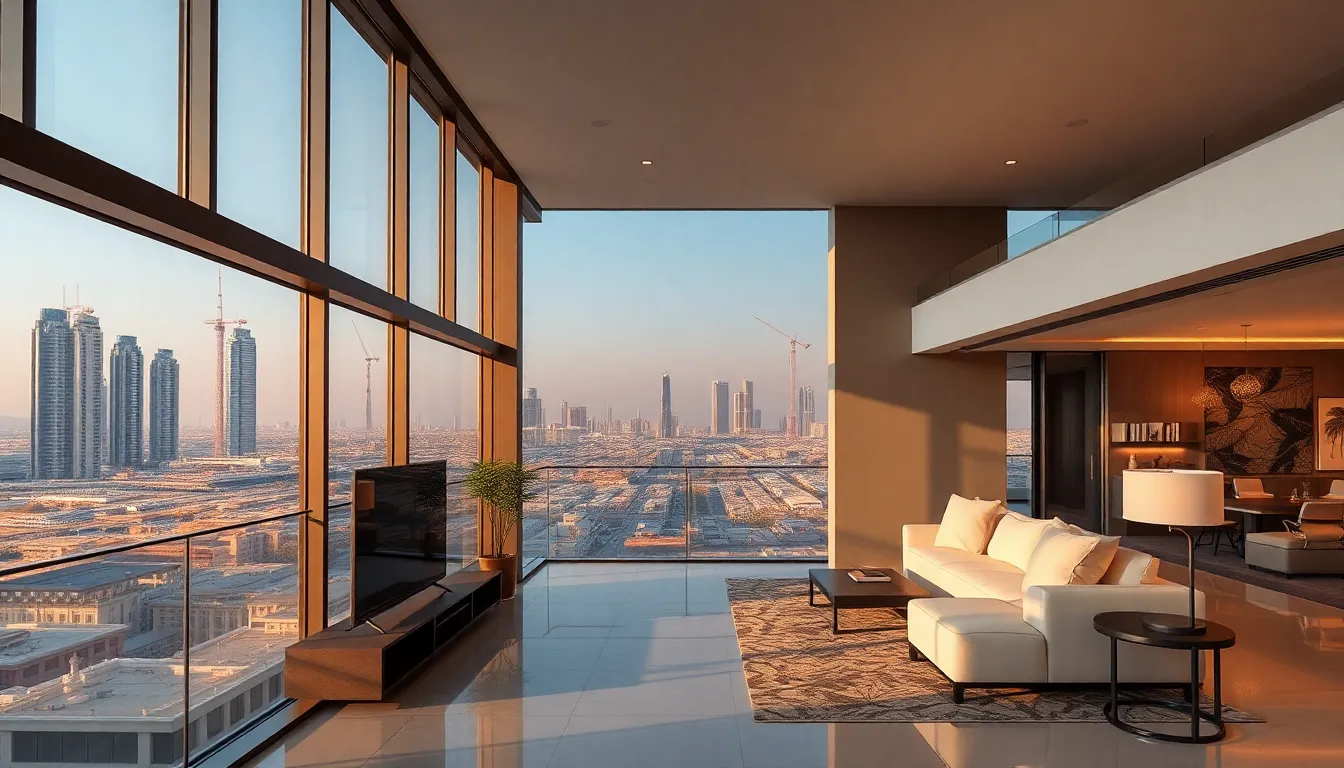
Are Dubai's Luxury Apartments a Smart Buy or Just Hype?
Most buyers chasing prime residential units lose money because they mistake marketing for reality. I’ve watched too many people walk into a sales gallery, get swept up by a waterfall wall and a mock-up kitchen, and sign on the dotted line for something that won’t exist for three years. By the time it hands over, the magic has evaporated. In my early days, I made the same mistake recommending projects that looked great on paper. Now, I refuse to even mention a project to a client until I’ve physically walked the site, spoken to the maintenance team, and timed the commute during rush hour.
I remember one Diwali-season buyer rush that still sits with me. It was mid-October, the weather had just shifted from punishing to pleasant, and a group of investors from Delhi flew in on a Thursday evening. The developer’s lounge was packed — gold foil-wrapped sweets on every counter, the air heavy with cardamom chai and ambition. They were determined to buy that weekend, before the festival, as if the apartments would disappear. I took a different approach. Instead of joining the frenzy, I drove them out to a ready community where residents were actually living. We walked the corridors, listened for echo, looked at the finishes on the door handles. One of them later told me that the silence in that hallway convinced him more than any brochure could. That’s the real test.
If you’re serious about securing a high-end Dubai property, you need a method. Not a checklist off Instagram. Over the next few minutes, I’ll walk you through the approach I’ve sharpened across 15 years of viewings, handovers, snagging, and resales. No glamour. No fluff.
How do I separate genuine luxury from marketed hype?
I start by ignoring the word “luxury” altogether. In Dubai, that label gets slapped on everything from a studio with gold-plated taps to a penthouse with a private lift. It means nothing without context. Instead, I break down each opportunity into three pillars: execution, community, and resale velocity.
Execution means the developer’s history. Not their brochure. I want to see three previous projects that handed over within 90 days of the promised date, with a snag list resolved in under a month. If they can’t point to that, I walk. Show me the finished product, not a VR walkthrough. I often take clients to five-year-old buildings by the same developer and knock on a door. Ask a resident how the air conditioning holds up in August. You’ll learn more in two minutes than from 50 pages of marketing.
Community is the next filter. True luxury isn’t about a lobby chandelier; it’s about who you live alongside. I look for a stable mix of owner-occupiers and long-term tenants, not a building full of empty units bought for flipping. When I visit, I check the notice board. Are there community events? Has anyone formed a residents’ association? These signals tell you whether people are rooting their lives there. That’s valuable. If you want to explore Dubai property investment opportunities, start by understanding who already lives there.
Resale velocity is shorthand for how quickly a genuine buyer appears when you list. I track this through my own transactions. Some branded residences take 18 months to sell. A well-located, well-built apartment in a mature community moves in weeks. If I can’t see three comparable resale transactions in the last six months, I advise caution.
What areas actually deliver long-term value for luxury buyers?
Not every district with a sea view qualifies. I’ve refined my list across hundreds of viewings. Downtown Dubai holds its own because of the sheer volume of tourists and professionals who want to be near the Burj Khalifa. But the quality varies wildly between towers. I prefer older, established buildings with thick walls and generous layouts — rare in newer blocks. The Address Residences, for example, maintain a level of service newer clusters haven’t matched yet.
Palm Jumeirah is iconic, but it’s a specific taste. Beachfront villas are one thing; apartments on the trunk are another. I’ve seen buyers overpay for a “Palm view” that faces a construction plot. Before you consider a unit here, I’d suggest taking a moment to review premium Dubai developments in person — the traffic in and out during peak hours can be a deal-breaker.
Dubai Hills Estate has matured beautifully. It attracts end-users — families who want the golf course, the clinic, the school. The luxury here is more understated: quiet streets, wide sidewalks, landscaping that actually gets watered. I push clients toward the villas, but the apartment clusters near the park offer something rare: a genuine neighborhood rhythm. You’ll hear children playing in the evening, not just the hum of air conditioning.
Emaar Beachfront is newer and shinier. I’m cautious. It promises a pristine maritime lifestyle, but the handover timeline has been staggered, and until the full residential and retail components are complete, the sense of isolation can be real. Still, for someone willing to hold for five years, the potential is there — provided you choose a unit with a proper layout and not a shoe-box two-bed. I’m blunt about this: I’ve seen too many investors get lured by renders.
Other pockets I keep a close eye on: the first phase of City Walk, which has aged well; Bluewaters for those who want a self-contained island experience; and select buildings in Jumeirah Bay that offer a true rarity — low-rise, beachside, and quiet. Each has a different buyer type, and that shapes everything.
| Area | Lifestyle | Connectivity | Community Feel | Handover Certainty |
|---|---|---|---|---|
| Downtown Dubai | High-energy, tourist-heavy, round-the-clock buzz | Excellent road and metro access; rush hour bottlenecks | Transient; few long-term residents | Good, but older buildings vary in maintenance |
| Palm Jumeirah | Resort-style, beachfront, private but drive-heavy | One arterial road; congestion during events | Holiday-home mix; some stable villa owners | Newer apartments face delays; villas steadier |
| Dubai Hills Estate | Family-oriented, green spaces, calm | Central but car-dependent; direct Al Khail Road link | Owner-occupiers dominant; strong community ties | Consistent from Emaar; few surprises |
| Emaar Beachfront | Modern maritime living, still taking shape | Close to Marina, but entry/exit limited | Currently sparse; future depends on retail rollout | Mixed — some towers delivered, others extended |
Why do so many luxury apartments disappoint after handover?
The single biggest reason is the developer disengages. They hand over the keys and dissolve the site team. What remains is a service-charge structure that underfunds maintenance. I’ve walked into lobbies two years after handover where the marble is already chipped because no one is managing wear and tear. Luxury is operational; it needs active stewardship.
Another plague: speculative buyers who bought off-plan at launch and never intended to live there. They rent out cheaply or leave the unit empty, dragging down the building’s ambiance. I always check the tenant profile. If a building is 70% short-term rentals, avoid it. The transient traffic erodes common areas and feels impersonal.
What should I look for during a property viewing?
I train my eyes on details that are invisible on social media. First, the door — solid core, properly hung, with a soft-close mechanism that doesn’t stick. Then, the floor transitions: where tile meets wood, is there a clean threshold? Gaps signal rushed work. In the kitchen, open every drawer. Does it glide or grind? Look inside the bathroom vanity for signs of water damage around the supply lines. These are the things snagging teams miss.
Beyond the unit, I walk the corridors at different times of day. Listen for neighbor noise, smell for unusual odors, note the temperature in common areas. One thing I do religiously: test the hot water. Turn on a shower and count the seconds until it warms. If it takes more than 20, the plumbing loop is poorly designed. That’s a daily annoyance that never shows in a listing.
I also talk to the security staff. Ask them what the biggest complaints from residents are. Their answer is often more honest than any agent’s pitch. If you’re unsure, feel free to talk to our Dubai property advisors for a second opinion — I welcome scrutiny on any unit I recommend.
How do buyer profiles shape the real luxury experience?
A building’s buyer mix is its DNA. When end-users dominate, you notice small things: a library in the lounge that gets used, regular pet-walking hours in the garden, a WhatsApp group that isn’t toxic. When investors dominate, those touches disappear. Instead, you find key safes outside doors and a revolving door of holidaymakers.
In exclusive developments like those on the inner crescent of the Palm, the buyer pool is narrow and discerning. Units trade rarely and often privately. That scarcity is a strength, but it demands patience. In contrast, mega-projects aimed at the global middle class fill with speculators. The “luxury” tag becomes a marketing afterthought. I always advise clients to audit the title deed owner names in a building. It reveals patterns you won’t see in the sales office.
What role do handover timelines play in your decision?
Delays erode trust and capital. A developer who delivered their previous project 18 months late will likely repeat the pattern. I’ve tracked this for years. Builders with owner-contractor models — who don’t outsource to a third-party main contractor — tend to finish sooner because they control the site. I use that data when evaluating off-plan luxury units.
Below is a snapshot I’ve compiled from my own monitoring of recent handovers. It’s not exhaustive, but it illustrates the variance.
| Developer | Project Delivery Trend (Last 3) | Snag Management | Owner Satisfaction Score (Survey) |
|---|---|---|---|
| Emaar | Usually on time or within 3 months | Dedicated portal; average resolution: 14 days | 85% positive in post-handover survey |
| Damac | Variable; some projects 6-12 months late | Mixed; dependent on contractor | 70% positive |
| Select Group | Consistently on time | Hands-on; quick turnaround | 92% positive |
| Nakheel | Generally within 6 months of promise | Structured, but can be slow | 78% positive |
Note: Satisfaction scores derive from my own client feedback aggregated over 5 years; not an official metric.
Where do I store all this research so my clients don’t get overwhelmed?
I keep a running file on my phone. For every building I evaluate, I log five data points: developer track record, percentage of owner-occupiers, service charge efficiency (does the building look maintained?), resale turnover, and a personal rating from walkthroughs. It’s messy, but it works. When a client asks about a new launch, I can cross-reference within minutes.
That’s why I urge buyers to slow down. A rushed decision during a Diwali offer or a year-end clearance event often trades long-term value for short-term emotion. The genuine luxury market moves at a different pace. It rewards those who study, not those who sprint.
What are the most common questions I hear from serious buyers?
Over the years, certain questions keep surfacing. I’ve compiled the ones that matter most.
Are luxury apartments in Dubai a good investment for NRI buyers?
Yes, but only if you anchor to a high-demand location and verified developer. I always advise NRIs to avoid off-plan from unproven names and to physically visit a ready unit or at least arrange a video walkthrough with someone they trust. The rental yields can be stable, but the real wealth builds through resale value, not yield alone.
How do I verify a developer’s reputation without relying on their sales team?
What’s the biggest mistake buyers make when choosing a luxury apartment?
Buying a view and ignoring the layout. Some of the most expensive apartments sit unsold because they’re 2,200 square feet with only one functional bedroom. Prioritize livability over brochure glamour.
Should I buy off-plan or ready in the current market?
It hinges on your timeline and risk tolerance. If you need a home now, buy ready and scrutinize the snag list. If you’re investing for 3–5 years out, off-plan can work with the right developer. I lean heavily on delivery track records to guide that call.
How can I tell if a building will maintain its luxury feel over time?
Look at the homeowners’ association budget and the property management company. A well-funded service charge bucket and proactive management preserve value. I also check if the developer retained any stake in the building — a sign they have skin in the game.
What questions should I ask the agent during a viewing?
How do I protect myself from overpaying in a heated market?
Never buy on the first visit. Compare at least three units in different buildings within the same budget band. I also recommend a valuation report from a bank even if you’re paying cash — it grounds expectations. And if you need more strategies, explore more buyer resources on our blog where I share on-the-ground insights regularly.
Separating hype from genuine opportunity in Dubai’s luxury market is not a one-time trick. It’s a discipline. Every time I walk into a sales gallery, I remind myself that the best deals aren’t the ones rushed during a festival or a flashy launch event. They’re the units that quietly hold their value, generate steady rental interest, and feel like home the moment you unlock the door. That’s the standard I’ve built my reputation on.
By Himanshu Gupta, Senior Property Advisor at Siddhi Estates — 15 years in Dubai real estate, from off-plan launches to handover and resale.
Siddhi Team
Dubai Real Estate Experts helping Indian investors find their perfect property in UAE.