
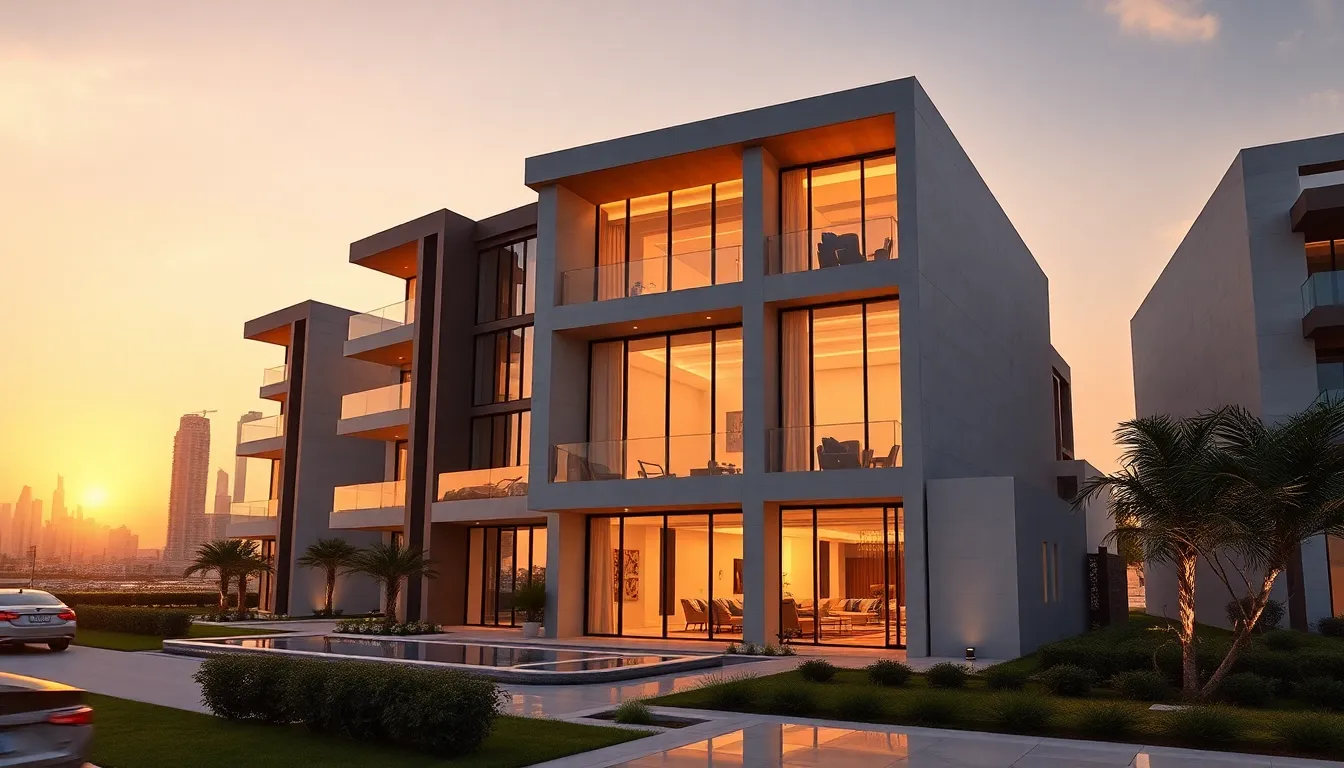
Are Dubai Freehold Properties Worth Buying in 2026?
Dubai's freehold property market has transformed the emirate into a global investment hotspot. Unlike many countries where foreigners face restrictions, Dubai allows expats to own property outright in designated freehold zones. In 2026, this policy continues to drive unprecedented demand. But is it the right move for you? Let’s break down everything you need to know.
The market has matured significantly. Off-plan launches are more regulated, and completed projects offer solid track records. Whether you are a first-time buyer or a seasoned investor, understanding the nuances of freehold ownership is crucial.
What Exactly Are Dubai Freehold Properties?
Freehold property means you own the land and the building outright. There are no leasehold time limits. You can sell, rent, or bequeath it as you wish. In Dubai, freehold is available to all nationalities in designated areas. The Dubai Land Department (DLD) registers all transactions, ensuring legal security.
This is a game-changer. Unlike many global cities where foreigners face ownership caps, Dubai offers 100% ownership. In 2026, over 100 freehold communities exist, from ultra-luxury villas to affordable apartments.
Which Areas Offer the Best Freehold Properties in 2026?
Prime locations have shifted slightly. While Downtown Dubai and Palm Jumeirah remain top-tier, emerging areas like Dubai Creek Harbour and Expo City are gaining traction. Here’s a quick comparison:
| Area | Avg. Price per Sq. Ft. (AED) | Rental Yield | Capital Growth (2025-26) |
|---|---|---|---|
| Downtown Dubai | 3,200 | 6.5% | 8% |
| Dubai Marina | 2,800 | 7.2% | 6% |
| Palm Jumeirah | 5,500 | 4.8% | 12% |
| Dubai Creek Harbour | 2,100 | 8.1% | 10% |
Data from DLD and market reports (2025-2026). Yields are gross, before service charges.
What Are the Costs of Buying Freehold Property in Dubai?
Initial costs include the purchase price plus 4% DLD transfer fee, registration fees (approx. AED 4,000 + 5% VAT), agent commission (2%), and mortgage arrangement fees if applicable. Maintenance and service charges vary by community, typically AED 10-20 per sq. ft. annually. No property tax, no capital gains tax. This makes Dubai highly cost-efficient compared to London or New York.
How Has the 2026 Market Changed for Freehold Buyers?
New regulations have increased transparency. The Real Estate Regulatory Authority (RERA) now mandates escrow accounts for all off-plan sales. This protects buyers from project delays. Additionally, the new Golden Visa rules – property investment of AED 2 million – still apply, now with faster processing. The market saw a 15% price increase in prime areas in 2025, and 2026 is expected to moderate to 5-8% growth, making it a good entry point for long-term holders.
Can Foreigners Finance Freehold Properties Easily?
Yes, but with conditions. Most UAE banks offer mortgages to expats with up to 80% LTV for properties under AED 5 million and 70% for above. Interest rates are competitive, around 4.5-5.5% fixed for 1-3 years. You need a valid residence visa and proof of income. Non-residents can also get mortgages, but with lower LTV (50-60%) and higher rates. Comparing offers is crucial.
What Are the Risks of Buying Freehold in Dubai?
Market volatility is real. Prices can drop, as seen in 2008-2010 and 2020. Off-plan delays or cancellations, though rarer now, still occur. Service charges can rise. Leasehold vs. freehold confusion: ensure the property is in a freehold zone. Always check with DLD. Also, consider the exit strategy – selling in a downturn may take time. However, Dubai’s diversified economy and pro-business policies provide a strong safety net.
Frequently Asked Questions
Is it safe to buy off-plan freehold in Dubai?
Yes, but only from reputable developers. Check Oqood registration and escrow account. RERA’s new rules offer strong protection.
Can I get a mortgage as a non-resident?
Yes, several banks offer non-resident mortgages. Expect lower LTV and slightly higher rates. You’ll need proof of foreign income and a clean credit history.
What is the minimum price for freehold property?
Studio apartments in areas like JVC start from AED 400,000. Luxury villas go beyond AED 10 million. There’s a wide range to suit different budgets.
Do I need to pay annual property tax?
No. Dubai has no annual property tax or capital gains tax. Only a one-time transfer fee and ongoing service charges.
Can I rent out my freehold property?
Yes, freely. Rental yields average 6-8% in popular areas. Short-term rentals (Airbnb) are allowed but require permits and are subject to tourism taxes.
What happens to my property if I leave the UAE?
You retain full ownership. You can manage it through a property management company or sell it. No requirement to be a resident.
Are freehold properties in Dubai a good investment for retirement?
Absolutely. With the retirement visa (for over 55s) requiring property worth AED 2 million or a financial saving, freehold ownership is a direct path to residency.
Dubai freehold properties in 2026 offer a compelling mix of security, growth, and lifestyle. Whether you're looking for a second home, rental income, or capital appreciation, the market has matured into a transparent and investor-friendly environment. To get started, explore available listings and read more insights on our blog. For personalized advice, speak with our advisors.
By the Siddhi Enterprises (Real Estate) Research Team | Over 10 years of Dubai property market expertise
Siddhi Team
Dubai Real Estate Experts helping Indian investors find their perfect property in UAE.