
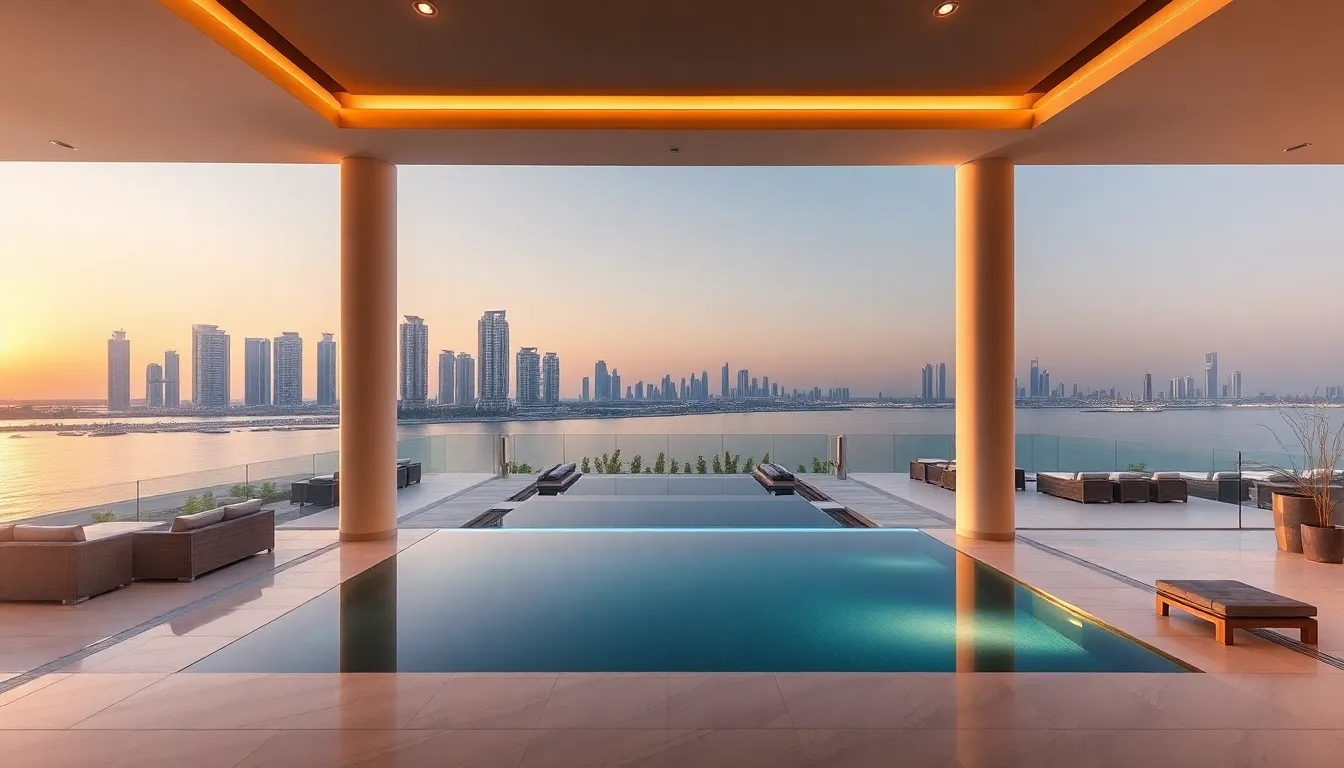
Are Dubai Beachfront Villas Worth It in 2026?
Dubai's beachfront villa market is hotter than ever in 2026. But with prices soaring, you might wonder if it's still a smart move. Let's break it down. Whether you're looking for a dream home or a lucrative investment, understanding the nuances is critical. This guide covers everything from top locations to financial pros and cons.
What Makes Dubai Beachfront Villas So Desirable?
It's more than just sand and sea. These properties offer exclusivity, privacy, and world-class amenities. Imagine waking up to ocean views from your private pool. That's the daily reality for owners. Plus, Dubai's year-round sun makes beachfront living a year-long luxury. The lifestyle factor drives demand far beyond local borders.
But there's also a practical side. Beachfront villas typically appreciate faster than inland properties. Limited coastline means supply is capped. And with Dubai's population growing, demand stays high. In 2026, new projects like Palm Jebel Ali and Dubai Islands are adding more inventory, but prime spots remain scarce.
Another draw is the rental potential. Short-term holiday rentals can generate significant income. Tourists are willing to pay a premium for direct beach access. During peak seasons, nightly rates can reach AED 10,000 or more for luxury villas. This makes them attractive for investors seeking high yields.
Which Are the Best Locations for Beachfront Villas in 2026?
Location is everything. Here are the top communities to consider right now.
Palm Jumeirah: The iconic frond villas remain the gold standard. Prices start around AED 15 million for a 4-bedroom. You get private beach access, marina views, and proximity to five-star hotels. Capital appreciation has been steady at 10% per year. However, service charges are high—around AED 30 per square foot annually.
Jumeirah Bay Island: This man-made island offers ultra-luxury villas with direct sea access. It's quieter than Palm Jumeirah but equally exclusive. Prices start at AED 20 million. The community is gated and has its own beach club. Resale values have risen 15% year-on-year since 2020.
Dubai Islands: A new development with more affordable options. Villas start at AED 4 million for a 3-bedroom. The master plan includes 20km of beaches, parks, and retail. It's still under construction, but early investors have seen 20% capital appreciation in phase one. Completion is expected by 2028, so there's time to buy before prices jump.
Port de La Mer: Located in Jumeirah 1, this waterfront community offers Mediterranean-style villas. Prices range from AED 5 million to AED 10 million. It's close to La Mer beach and City Walk. Rental yields are strong at 6-7% due to high tourist demand.
Al Marjan Island (Ras Al Khaimah): Not technically Dubai, but a 45-minute drive. This is a budget-friendly alternative with villas starting at AED 2.5 million. The area is booming with new resorts and a casino coming soon. Capital appreciation has been 12% annually. It's worth considering if you want lower entry costs.
| Location | Starting Price (AED) | Average Rental Yield | Capital Appreciation (Last 12 Months) |
|---|---|---|---|
| Palm Jumeirah | 15 million | 5% | 10% |
| Jumeirah Bay Island | 20 million | 4.5% | 15% |
| Dubai Islands | 4 million | 6% | 20% |
| Port de La Mer | 5 million | 6.5% | 8% |
| Al Marjan Island | 2.5 million | 7% | 12% |
What Are the Financial Pros and Cons of Buying a Beachfront Villa?
Let's look at the numbers. The upfront cost is high. You need at least 20% down payment for a mortgage. Plus there's a 4% Dubai Land Department fee. Annual service charges can be AED 30-50 per square foot. For a 5,000 sq ft villa, that's AED 150,000 to 250,000 each year. That's a significant ongoing cost.
On the plus side, rental income can offset these expenses. A villa on Palm Jumeirah can fetch AED 500,000 to 1 million per year in rent. After service charges and management fees, net yield is still around 4-5%. Not bad compared to global luxury markets. And capital gains often outpace the costs.
Another advantage is mortgage availability. Banks in Dubai offer up to 75% LTV for UAE residents and 50% for non-residents. Interest rates are competitive, around 4.5-5.5% fixed for the first few years. Some developers also offer post-handover payment plans, reducing initial outlay.
But there are risks. Market fluctuations can happen. In 2020, prices dipped 5-10% during the pandemic. However, they recovered quickly. In 2026, the market is more stable due to regulatory improvements. Still, you should have a long-term horizon—at least 5-7 years—to ride out any volatility.
Also, consider opportunity cost. The same money invested in a diversified portfolio could yield similar returns with less hassle. But beachfront villas offer lifestyle benefits that stocks can't. For many buyers, that's worth the extra cost.
How to Choose the Right Beachfront Villa in 2026?
Start with your budget. Be realistic about what you can afford, including ongoing costs. Then decide on purpose: primary residence, vacation home, or rental investment. Each requires a different approach.
For primary residence, prioritize location and lifestyle. Look for communities with good schools, supermarkets, and healthcare. Palm Jumeirah and Jumeirah Bay Island are ideal for families. For a vacation home, consider properties with resort-like amenities like Dubai Islands or Port de La Mer.
For investment, focus on rental yield and capital appreciation. Look at areas with high tourist demand like Port de La Mer or Al Marjan Island. Also check the developer's track record. Reputable names like Nakheel, Emaar, and Meraas deliver quality and timely handovers.
Inspect the property thoroughly. Check for maintenance issues, especially in older villas. Newer developments often come with warranties. Also review the service charge breakdown. Some communities have higher charges for extra amenities like private pools and gardens.
Finally, work with a real estate agent who specializes in luxury beachfront properties. They can provide off-market listings and negotiate better deals. And always verify ownership and legal status through the Dubai Land Department.
What Are the Top Beachfront Villa Communities for Families?
Families need more than just beach access. They want safe neighborhoods, good schools, and recreational facilities. Here are the best picks.
Palm Jumeirah: It has its own school, a mall, and numerous parks. The beaches are private and clean. Kids can bike along the fronds safely. Many villas have large gardens and pools. The community is gated with 24/7 security.
Jumeirah Bay Island: Smaller but very family-oriented. It has a community center with a gym and swimming pool. The beach is quiet and less crowded. It's close to Jumeirah Beach Road, making it easy to reach schools and hospitals.
Dubai Islands: Still developing, but the master plan includes several schools, parks, and a family entertainment zone. The beaches are wider and more natural. It's designed to be a self-contained community, so everything will be within walking distance.
Port de La Mer: Adjacent to La Mer beach, which has a waterpark and kids' play areas. The neighborhood is pedestrian-friendly. There are also cafes and restaurants right on the waterfront. It's a lively area, but may be too busy for some families.
What Are the Latest Trends in Beachfront Villa Design?
In 2026, sustainability is key. Many new villas feature solar panels, energy-efficient windows, and smart home systems. Developers are also using eco-friendly materials like recycled wood and low-VOC paints. This reduces utility bills and appeals to environmentally conscious buyers.
Open-plan layouts remain popular. Large sliding glass doors connect indoor and outdoor spaces seamlessly. Outdoor kitchens, infinity pools, and landscaped gardens are standard in luxury villas. Some even have private jetties for boats.
Another trend is multi-generational living. Villas now come with separate guest wings or basement apartments for extended family. This is practical in Dubai where many families live together. It also adds rental potential if you decide to lease a portion.
Technology integration is also hot. Automated blinds, climate control, and security systems can be managed via smartphone. Some villas have smart mirrors and voice-activated assistants. These features add convenience and increase property value.
How to Finance a Beachfront Villa Purchase in Dubai?
You have several options. Cash is simplest, but not everyone has millions liquid. Mortgages are available from local and international banks. For UAE residents, you can get up to 75% LTV on a first property. Non-residents can get up to 50% LTV.
Interest rates are typically 4.5-5.5% for fixed periods of 3-5 years. Variable rates are slightly lower but carry risk. Some banks offer interest-only periods for the first few years, which can lower monthly payments initially.
Another option is developer payment plans. Many off-plan projects offer 50/50 or 60/40 plans. You pay a down payment and then installments during construction. Post-handover payment plans are also common, allowing you to pay 10-20% over 2-3 years after moving in.
For non-residents, some developers offer 100% financing through Islamic finance structures. These are Sharia-compliant and involve a co-ownership model. You effectively rent the bank's share until you buy them out. It's worth exploring if you don't have a large down payment.
Finally, consider using a mortgage broker. They can compare rates from multiple banks and help you get pre-approved. This saves time and ensures you get the best deal. Just make sure they are licensed by the Central Bank of the UAE.
What Are the Hidden Costs of Owning a Beachfront Villa?
Beyond the purchase price, there are several ongoing costs. Service charges are the biggest. They cover maintenance of common areas, security, and amenities. For beachfront villas, these charges are higher due to beach upkeep and landscaping. Expect AED 30-50 per square foot annually.
Then there's utilities. Electricity and water bills can be high, especially if you have a pool and air conditioning running year-round. Dubai's summers are long, so cooling costs add up. Average monthly bills for a 5,000 sq ft villa are around AED 5,000-10,000.
Home insurance is also a must. Standard policies cover structural damage and contents. For beachfront properties, you may need additional coverage for flood or storm damage. Premiums start at around AED 5,000 per year.
Property management fees apply if you rent out the villa. Most agents charge 5-10% of annual rent. If you use a full-service management company, that can be 15-20%. They handle maintenance, tenant sourcing, and legal compliance.
Finally, don't forget the annual 5% VAT on rental income if you're a registered landlord. You can recover some VAT on expenses, but it's an extra administrative burden. Always factor these costs into your investment calculations.
What Is the Rental Market Like for Beachfront Villas in 2026?
The short-term rental market is booming. Platforms like Airbnb and Booking.com have thousands of listings. A premium beachfront villa can earn AED 1-2 million per year in gross revenue. However, occupancy rates vary. During peak season (October-April), they can be 90%+. In summer, they drop to 50-60%.
Long-term rentals are more stable but lower yield. Annual rents for a 4-bedroom on Palm Jumeirah range from AED 500,000 to 800,000. Tenants are typically high-income professionals and families. They expect high-end finishes and maintenance.
One challenge is the new Dubai holiday home regulations. You need a permit from the Dubai Tourism Authority. There are also rules about maximum occupancy and noise. Non-compliance can lead to fines. It's best to work with a professional management company to stay compliant.
Another trend is corporate rentals. Many companies lease luxury villas for their executives. These are long-term contracts with higher rates. Targeting this segment requires a villa with office space and premium amenities.
Overall, the rental market is strong in 2026. Demand exceeds supply in prime areas. With Dubai's continued growth and Expo City legacy, tourism remains high. This bodes well for rental income.
What Are the Legal Considerations for Foreign Buyers?
Foreigners can buy beachfront villas in designated freehold areas. These include Palm Jumeirah, Jumeirah Bay Island, Dubai Islands, and Port de La Mer. You get full ownership rights, including the land. There are no restrictions on resale or rental.
You'll need a valid passport and proof of funds. A no-objection certificate from your sponsor is not required for freehold properties. The purchase process involves signing a Memorandum of Understanding (MoU) and then a Sale and Purchase Agreement (SPA). Both are registered with the Dubai Land Department.
Closing costs include a 4% DLD fee, AED 4,000 registration fee, and agent commission (usually 2%). For off-plan properties, there's also a developer fee of 1-2%. Make sure you have these funds ready.
If you're taking a mortgage, the bank will require a property valuation. They'll also check your income and credit history. The process takes 2-4 weeks. Once approved, the bank transfers funds to the seller or developer.
Finally, consider the inheritance laws. Freehold properties are governed by UAE law. If you die without a will, your assets may be distributed according to Sharia law. It's wise to have a UAE-registered will to ensure your wishes are followed. Many free zones offer will registration services.
Frequently Asked Questions
1. Are beachfront villas in Dubai a good investment? Yes, they offer strong capital appreciation and rental yields. However, entry costs are high, and ongoing expenses can be significant. It's best for long-term investors with a high budget.
2. What is the cheapest beachfront villa in Dubai? The most affordable options are in Dubai Islands, starting around AED 4 million for a 3-bedroom. Al Marjan Island in Ras Al Khaimah starts at AED 2.5 million.
3. Can I get a mortgage for a beachfront villa as a non-resident? Yes, many banks offer up to 50% LTV for non-residents. You'll need a down payment of at least 50% plus closing costs.
4. What are the best areas for families? Palm Jumeirah and Jumeirah Bay Island are top choices due to schools, safety, and amenities. Dubai Islands will also be family-friendly once complete.
5. How much is the service charge for a beachfront villa? Typically AED 30-50 per square foot annually. For a 5,000 sq ft villa, that's AED 150,000-250,000 per year.
6. Is it better to buy off-plan or ready property? Off-plan offers lower prices and payment plans but carries construction risk. Ready properties are more expensive but provide immediate rental income and no uncertainty.
7. Can I rent out my villa on Airbnb? Yes, but you need a holiday home permit from Dubai Tourism. Short-term rentals are popular and can yield high returns, but require professional management.
Ready to find your dream beachfront villa? explore available listings or read more insights on our blog. For personalized advice, speak with our advisors today.
By the Siddhi Enterprises (Real Estate) Research Team | Over 10 years of Dubai property market expertise
Siddhi Team
Dubai Real Estate Experts helping Indian investors find their perfect property in UAE.