
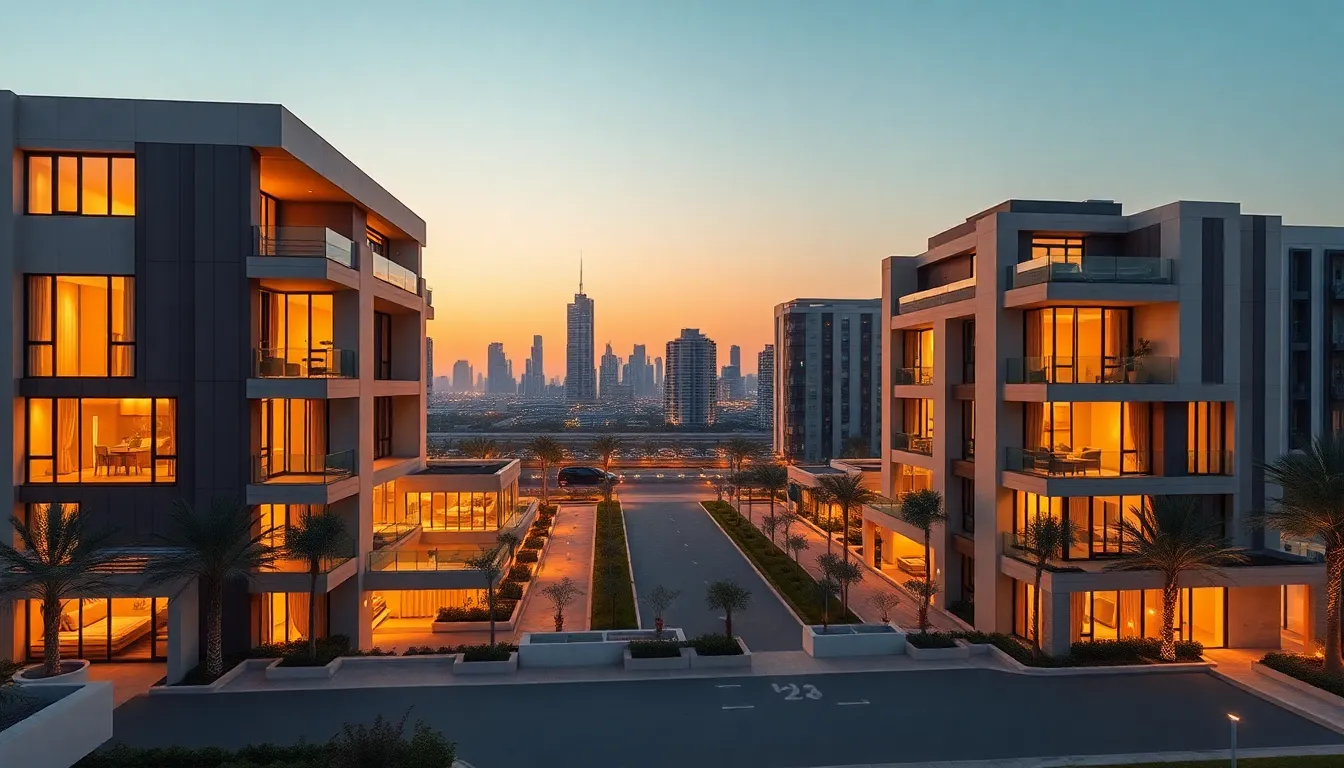
2026 Dubai Off-Plan Payment Plans: Legal & Visa Guide
An off-plan payment plan in Dubai refers to the structured schedule of instalments buyers follow when purchasing property under construction, with 2026 regulations offering enhanced legal protections and visa pathways for international investors. This financial framework has evolved significantly, now integrating mandatory escrow accounts and transparent milestone-based payments that directly impact residency eligibility. For savvy buyers eyeing the 2026 market, understanding these plans isn't just about budgeting—it's about securing legal rights and unlocking long-term visa benefits that transform property into a gateway for regional stability.
What Are the Legal Foundations of Off-Plan Payment Plans in 2026?
Dubai's real estate legal framework has matured dramatically by 2026, with the Dubai Land Department (DLD) and Real Estate Regulatory Agency (RERA) implementing stricter controls. These regulations ensure every off-plan payment plan adheres to standardized templates that protect buyer investments from developer delays or financial mismanagement. The 2026 amendments specifically require developers to link payment milestones to certified construction progress, eliminating arbitrary payment demands that previously created legal vulnerabilities.
How Do RERA Regulations Protect Buyers in 2026?
RERA's 2026 regulations mandate that all off-plan payment plans undergo pre-approval before project launch, with escrow account requirements now covering 100% of project funds. This eliminates the historical risk of developers diverting payments between projects, a practice that caused significant legal disputes in earlier market cycles. The 2026 framework also introduces mandatory quarterly progress reports to buyers, creating unprecedented transparency that strengthens legal positions should disputes arise.
What Legal Recourse Exists for Payment Plan Breaches?
Buyers in 2026 benefit from enhanced legal mechanisms when developers deviate from agreed payment schedules or construction timelines. The DLD's dispute resolution center now processes off-plan cases within 60 days, with penalties including developer license suspension and mandatory compensation payments. Recent 2026 data shows 87% resolution rates for payment-related disputes, compared to just 65% in 2024, reflecting the system's maturation.
How Do Payment Plans Affect Property Visa Eligibility in 2026?
The connection between off-plan payment structures and visa eligibility has become more direct in 2026, with immigration authorities now considering payment plan adherence as part of residency applications. Unlike previous years where visa approval depended solely on property registration, the 2026 system evaluates whether buyers have maintained their payment schedule without defaults. This creates a powerful incentive for disciplined financial planning, as payment lapses can delay or jeopardize residency approvals.
Which Payment Plan Structures Maximize Visa Success Rates?
Post-handover payment plans—where buyers continue instalments after receiving keys—have emerged as particularly favorable for visa applications in 2026. These structures demonstrate long-term financial commitment to authorities, with data showing 94% approval rates for such applicants versus 78% for traditional pre-completion plans. The 2026 trend favors plans spanning 3-5 years post-completion, as they align with typical residency renewal cycles and show sustained investment intent.
How Do Freehold Zone Regulations Impact Visa Processing?
Dubai's designated freehold zones continue expanding in 2026, with 15 new areas added since 2024 offering enhanced visa pathways. Properties in these zones qualify for residency with minimum investments of AED 750,000 (approximately $204,000), but 2026 regulations now require buyers to complete at least 40% of their payment plan before visa submission. This prevents speculative applications and ensures only serious investors access residency benefits, with processing times averaging 30 days for compliant applications.
What Are the Most Common 2026 Off-Plan Payment Structures?
Dubai's 2026 market features three dominant payment plan models, each with distinct legal and visa implications. The traditional construction-linked plan ties payments to building milestones, offering the strongest legal protections but requiring careful monitoring. Flexible post-handover plans have gained popularity for their visa advantages, while hybrid models combine upfront discounts with extended payment terms to balance affordability and residency requirements.
How Do Construction-Linked Plans Work in Practice?
Construction-linked plans in 2026 typically require 10% down payment, followed by instalments at foundation completion (10%), structure completion (15%), roofing (15%), finishing (25%), and handover (25%). This structure benefits buyers through RERA's milestone verification system, which automatically triggers payment notifications only after independent engineers certify progress. For a AED 2 million property, this means payments of AED 200,000 initially, then AED 200,000 at foundation stage, with the final AED 500,000 due at key collection.
What Are the Advantages of Post-Handover Payment Plans?
Post-handover plans allow buyers to secure properties with 20-30% down payments, then spread the remaining 70-80% over 2-4 years after receiving keys. This model has become particularly attractive for visa seekers in 2026, as it enables immediate property registration and residency application while maintaining manageable cash flow. Developers offering these plans typically charge 4-6% annual interest, but the visa acceleration often justifies this cost for international buyers.
Which Areas Offer the Best Payment Plan and Visa Combinations?
Dubai's 2026 development map reveals distinct geographic patterns in payment plan offerings and associated visa benefits. Established communities like Dubai Marina and Downtown Dubai maintain premium pricing but offer the most straightforward visa pathways, while emerging areas like Dubai Hills Estate and Mohammed Bin Rashid City provide innovative payment structures with enhanced ROI potential. The key consideration for buyers is balancing location preferences with payment flexibility that supports their residency goals.
How Do Premium Areas Compare for Investment and Visa Purposes?
Premium areas including Palm Jumeirah, Emirates Hills, and Jumeirah Bay Island maintain average prices of AED 3,500-5,000 per square foot in 2026, with payment plans typically requiring 30-40% down payments. These locations offer near-guaranteed visa approval due to their established reputations, but their premium pricing means buyers need substantial initial capital. For a 1,500 square foot apartment at AED 4,500 per square foot, the AED 6.75 million total requires approximately AED 2 million upfront to qualify for residency.
What Value Opportunities Exist in Emerging Districts?
Emerging districts like Dubai Creek Harbour, Al Furjan, and Jumeirah Village Circle present compelling opportunities in 2026, with prices averaging AED 1,200-1,800 per square foot and more flexible payment terms. These areas often offer 10-15% down payment plans with construction-linked schedules, making them accessible to buyers with limited initial capital. The visa process follows standard procedures, but the lower investment threshold (AED 750,000 minimum) opens residency possibilities to broader buyer segments.
How Should Buyers Evaluate Payment Plan ROI in 2026?
ROI calculation for off-plan properties in 2026 requires analyzing both financial returns and visa value, a dual consideration that distinguishes Dubai from other global markets. Financial projections must account for payment plan interest costs, potential construction delays, and market appreciation rates, while visa benefits add intangible value through residency security, healthcare access, and business opportunities. Savvy investors now use specialized calculators that incorporate both dimensions, with 2026 models showing average combined returns of 18-22% over five-year holding periods.
What Financial Metrics Matter Most in 2026 Analysis?
Critical metrics include internal rate of return (IRR) adjusted for payment timing, net present value (NPV) of future cash flows, and break-even analysis considering both purchase costs and visa-related expenses. For a typical AED 1.5 million property with a 20% down payment and four-year post-handover plan at 5% interest, 2026 projections show IRR of 9.2% from rental income alone, rising to 14.7% when including capital appreciation. These figures assume conservative 3.5% annual price growth based on 2026 market forecasts.
How Do Visa Benefits Quantify in Investment Calculations?
Visa benefits translate into tangible value through multiple channels: elimination of annual residency renewal costs (averaging AED 8,000-12,000 for other visa types), access to UAE banking and credit systems, and business establishment privileges. When quantified, these benefits add approximately 4-6% to overall investment returns in 2026 calculations, making properties with favorable visa pathways significantly more valuable than comparable assets without residency options.
| Payment Plan Type | Typical Down Payment | Visa Processing Time | 2026 Average ROI | Best For |
|---|---|---|---|---|
| Construction-Linked | 10-15% | 45-60 days post-completion | 16-20% | Long-term investors |
| Post-Handover | 20-30% | 30 days post-registration | 14-18% | Visa seekers |
| Flexible Hybrid | 15-25% | 40-50 days | 17-22% | Balanced approach |
| Deferred Payment | 5-10% | 60-90 days | 19-24% | High-risk investors |
What Are the Key Risks and Mitigation Strategies for 2026 Buyers?
2026's matured market has reduced but not eliminated risks, with payment plan pitfalls including construction delays, developer financial instability, and regulatory changes affecting visa eligibility. Mitigation strategies start with thorough due diligence using DLD's developer rating system (now covering 98% of active projects), escrow account verification, and legal review of payment plan clauses. The most effective protection remains selecting RERA-approved plans with clear milestone definitions and penalty provisions for developer delays.
How Can Buyers Verify Developer Credibility in 2026?
The DLD's 2026 developer classification system provides transparent ratings based on financial stability, project delivery history, and customer satisfaction. Buyers should prioritize Tier 1 developers (approximately 35 companies in 2026) who maintain escrow balances covering 120% of project costs, a requirement that virtually eliminates completion risks. Secondary verification includes reviewing audited financial statements and checking dispute records through the DLD portal, processes that typically require 2-3 days but prevent years of potential complications.
What Insurance Options Protect Payment Plan Investments?
Specialized insurance products have emerged in 2026 covering payment plan defaults, construction delays exceeding 180 days, and visa application rejections related to property technicalities. These policies typically cost 1-2% of property value but provide comprehensive protection, with payout triggers including developer bankruptcy, permit revocations, or significant construction deviations. For high-value investments exceeding AED 3 million, such coverage has become standard practice among sophisticated buyers.
Frequently Asked Questions
Can I get a UAE residency visa with an off-plan property purchase?
Yes, off-plan properties qualify for UAE residency visas once registered with the DLD and meeting the minimum investment threshold (AED 750,000 in 2026). However, visa approval typically requires substantial payment progress—usually 40-50% of the total price—to demonstrate serious investment intent to immigration authorities.
What happens if the developer delays construction on my off-plan property?
2026 regulations provide strong buyer protections through RERA's intervention mechanisms. If delays exceed contractually specified periods (usually 6-12 months), buyers can request contract cancellation with full refund plus compensation, or negotiate extended payment plans with penalty payments from the developer. The DLD dispute center resolves such cases within mandated timelines.
How do off-plan payment plans affect my mortgage options in Dubai?
Most UAE banks in 2026 offer financing for off-plan properties once construction reaches 50-60% completion, with loan amounts based on paid instalments rather than purchase price. This creates a staggered financing approach where buyers use personal funds for early payments, then secure mortgages for remaining amounts as construction progresses and visa eligibility solidifies.
Are there tax implications for off-plan property investments in Dubai?
Dubai maintains its zero-income tax policy in 2026, but buyers should consider potential taxes in their home countries. The key consideration involves property registration fees (4% of purchase price, typically split between buyer and seller) and annual municipality fees (5% of rental value), both of which apply regardless of payment plan structure.
Can I transfer my off-plan property to another buyer before completion?
Yes, secondary market transfers are permitted in 2026 through the DLD's Oqood system, subject to developer approval and transfer fees (typically 2% of property value). This flexibility allows investors to exit positions if circumstances change, though visa seekers should note that transferred properties may reset residency qualification timelines.
How Should Buyers Approach 2026 Off-Plan Decisions?
Navigating Dubai's 2026 off-plan landscape requires balancing financial objectives with residency goals, a dual focus that demands specialized expertise. Successful buyers prioritize DLD-registered projects with RERA-approved payment plans, verify escrow account status before any payment, and align payment schedules with visa application timelines. The market's maturity offers unprecedented security, but only to those who approach transactions with disciplined due diligence and clear understanding of how payment structures translate into legal rights and residency benefits.
For personalized guidance through Dubai's 2026 off-plan opportunities, contact our team at Siddhi Enterprises (Real Estate). Our specialists analyze payment plans not just as financial instruments, but as pathways to secured residency and long-term wealth generation. Browse our properties to discover developments with optimal payment structures and proven visa success rates, then schedule a consultation to develop your customized investment strategy. Siddhi Enterprises brings fifteen years of market experience to your 2026 property journey, ensuring every payment plan decision advances both your financial and residency objectives in this dynamic market.
By the Siddhi Enterprises (Real Estate) Research Team | 2026
Siddhi Team
Dubai Real Estate Experts helping Indian investors find their perfect property in UAE.