
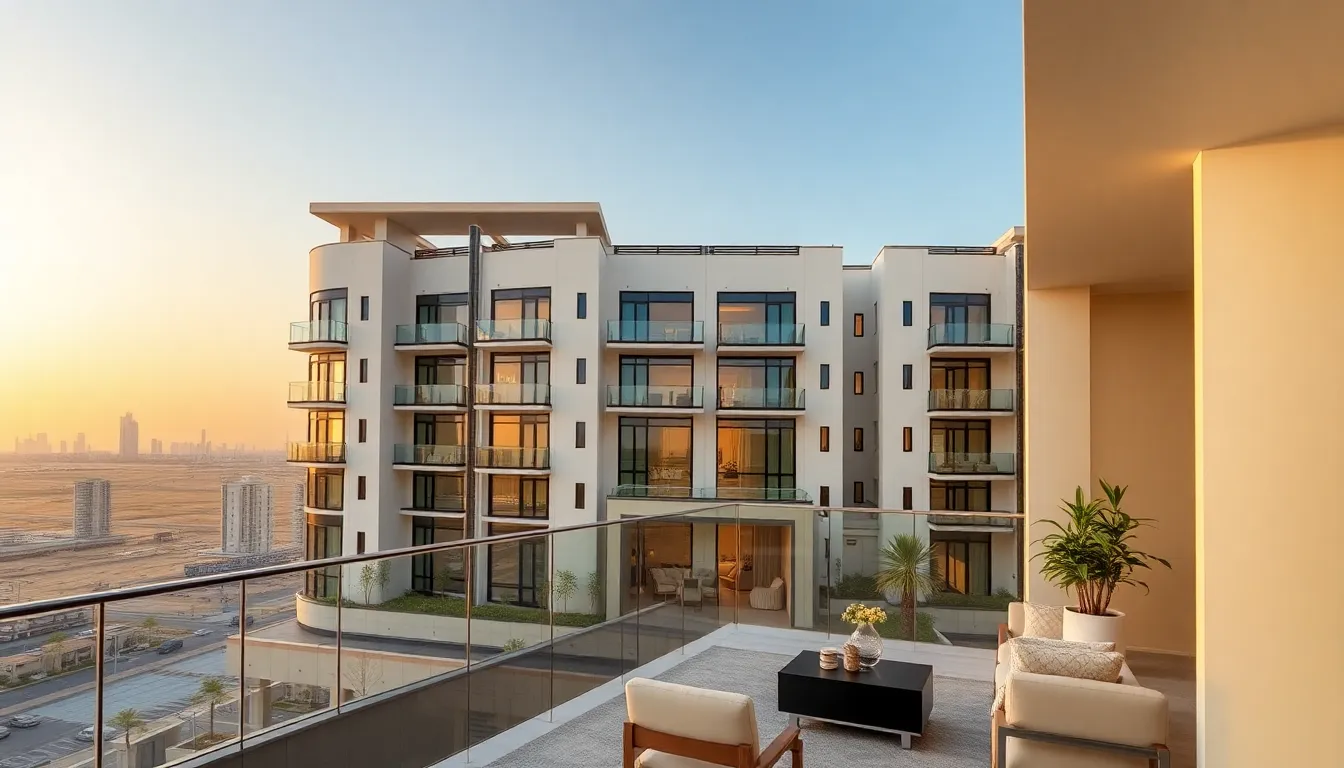
2 BHK for Rent Dubai 2026: NRI Tax & Remittance Guide
A 2 BHK for rent in Dubai refers to a two-bedroom, hall, and kitchen apartment available for lease, with 2026 market dynamics increasingly shaped by Non-Resident Indian (NRI) investment patterns, remittance flows, and cross-border tax considerations.
Why Are NRIs Dominating Dubai's 2 BHK Rental Market in 2026?
Dubai's real estate landscape has transformed into a strategic hub for NRIs seeking rental properties. The convergence of favorable tax policies, streamlined remittance channels, and high rental yields makes 2 BHK apartments particularly attractive. In 2026, NRI investments account for approximately 35% of all residential rental transactions in Dubai, according to the Dubai Land Department (DLD). This surge is driven by India's double taxation avoidance agreement with the UAE, which prevents income from being taxed twice.
Remittances from India to the UAE have grown by 18% annually since 2024, reaching an estimated AED 45 billion in 2026. This capital inflow directly fuels rental demand, especially for mid-sized units like 2 BHK apartments that balance space and affordability. NRIs often use these properties as secondary homes, investment vehicles, or accommodation for family members studying or working in Dubai.
How Do UAE Tax Laws Benefit NRI Investors in 2026?
UAE tax regulations remain a cornerstone of NRI investment appeal. Unlike many global markets, Dubai imposes no property tax, capital gains tax, or rental income tax on residential real estate. For NRIs, this means net rental yields are significantly higher—averaging 6.5-8.5% for 2 BHK apartments in 2026, compared to 2-4% in Indian metros. The absence of wealth tax further preserves asset value, making Dubai a tax-efficient haven.
India's Foreign Exchange Management Act (FEMA) allows NRIs to remit up to $1 million annually under the Liberalised Remittance Scheme (LRS). In 2026, enhanced digital banking integrations have simplified this process, reducing transfer times to under 24 hours. However, NRIs must declare foreign assets in Indian tax returns, though no tax is levied on UAE-sourced rental income if remitted to India, due to the DTAA.
What Remittance Strategies Maximize Returns for NRIs?
Strategic remittance planning is crucial for optimizing returns on a 2 BHK for rent in Dubai. Forward contracts and limit orders help NRIs lock in favorable AED/INR exchange rates, which averaged 22.5 INR per AED in early 2026. Using NRE (Non-Resident External) or FCNR (Foreign Currency Non-Resident) accounts avoids Indian tax on interest earned, facilitating smoother fund transfers.
Many NRIs leverage rupee-denominated loans from Indian banks to finance Dubai rentals, repaying with rental income—a tactic that minimizes upfront capital outflow. In 2026, fintech platforms offer automated remittance scheduling aligned with rental payment cycles, reducing currency risk. Always consult a cross-border tax advisor to ensure compliance with both Indian and UAE regulations.
Which Dubai Areas Offer the Best 2 BHK Rentals for NRIs in 2026?
Location selection profoundly impacts rental yields, capital appreciation, and lifestyle suitability for NRIs. Prime areas combine connectivity, amenities, and strong rental demand. Downtown Dubai and Dubai Marina remain premium choices, but emerging neighborhoods offer compelling value. Data from the Real Estate Regulatory Agency (RERA) shows rental growth rates varying by 2-4% across districts in 2026.
Freehold zones like Jumeirah Village Circle (JVC) and Dubai Silicon Oasis attract NRI investors due to their affordability and community-centric designs. These areas often feature 2 BHK apartments with shared pools, gyms, and parks, enhancing rental appeal. Proximity to business hubs such as Dubai Internet City or Dubai Media City can command 10-15% rental premiums, crucial for maximizing ROI calculation.
How Do Rental Prices Compare Across Key Districts?
Rental prices for a 2 BHK for rent in Dubai exhibit significant regional variation. In 2026, high-end areas like Palm Jumeirah command AED 140,000-180,000 annually, while mid-market zones like Discovery Gardens range from AED 65,000-85,000. Emerging corridors like Dubai Hills Estate offer a balance at AED 95,000-120,000, with projected appreciation of 5-7% through 2027.
Affordability metrics show that for NRIs, remitting INR 1.2-1.8 million annually covers most 2 BHK rentals, excluding premium locales. Areas with upcoming metro expansions, like Dubai Creek Harbour, show promising rental growth due to improved accessibility. Always verify prices via the DLD registration portal to avoid inflated listings.
What Amenities Drive NRI Tenant Demand?
Amenities significantly influence rental desirability and occupancy rates. In 2026, NRI tenants prioritize high-speed internet, concierge services, and pet-friendly policies—features reported in 70% of tenant surveys. Properties with EV charging stations see 15% higher demand, reflecting Dubai's sustainability push. Security systems and 24/7 maintenance are non-negotiable for remote NRI landlords.
Community facilities like schools, clinics, and retail outlets reduce vacancy risks. For instance, 2 BHK apartments near Dubai International Academic City maintain 95% occupancy due to student and faculty demand. Landlords can enhance yields by including utilities in rent, simplifying management for overseas owners. browse our properties to compare amenities across listings.
How Does the 2026 Rental Process Work for NRIs?
Securing a 2 BHK for rent in Dubai involves specific steps tailored to non-resident investors. The process begins with identifying a property through verified portals or agents, followed by due diligence on ownership titles via the DLD. In 2026, digital verification tools allow NRIs to confirm details remotely, reducing fraud risks. A typical tenancy contract spans 1-3 years, with rent often paid via 1-4 cheques.
RERA regulations mandate standardized Ejari registration for all leases, ensuring legal protection. NRIs must appoint a power of attorney or property manager if residing abroad, costing 5-10% of annual rent. Security deposits average 5% of annual rent, refundable post-inspection. Payment is usually in AED, necessitating careful remittance planning to avoid exchange losses.
What Legal Documents Are Required?
Legal documentation safeguards NRI interests. Essential papers include passport copies, visa pages (if applicable), and proof of income—often rental agreements or bank statements. The tenancy contract must detail rent, duration, and maintenance responsibilities, complying with RERA templates. Ejari registration provides a unique number for dispute resolution.
For NRIs, a NOC (No Objection Certificate) from the developer or owners' association may be needed, especially in freehold zones. Tax residency certificates from India help claim DTAA benefits. Working with a RERA-licensed broker ensures compliance; always verify credentials online. contact our team for document checklists tailored to NRI scenarios.
How Are Maintenance and Management Handled Remotely?
Remote property management is feasible with professional support. In 2026, many agencies offer full-service packages covering tenant screening, rent collection, and maintenance—fees range from 8-12% of monthly rent. Digital platforms provide real-time updates on property conditions, with AI-driven tools predicting repair needs. This minimizes vacancy periods, critical for sustaining yields.
NRIs should budget 3-5% of annual rent for routine upkeep, excluding major repairs. Service charges in communities like Dubai Marina can add AED 15,000-25,000 yearly. Ensure management contracts include emergency protocols and regular inspection schedules. Delegating authority via a legally valid power of attorney streamlines decision-making.
What Financial Considerations Shape NRI Decisions in 2026?
Financial analysis underpins successful NRI investments in Dubai rentals. Key metrics include net rental yield, capital appreciation, and currency hedging. In 2026, a 2 BHK for rent in Dubai delivers average gross yields of 7.2%, though net yields dip to 6.5% after management fees and service charges. Areas like Business Bay show appreciation rates of 4-6% annually, outperforming many global cities.
Financing options for NRIs include mortgages from UAE banks (up to 75% LTV for expats) or loans from Indian institutions. Interest rates in 2026 hover around 4.5-5.5% for UAE dirham loans, with processing fees of 1-2%. Remittance costs—typically 0.5-1.5% of transferred amounts—should factor into ROI calculations. Diversifying across property types mitigates market volatility.
How Is ROI Calculated for NRI-Owned Rentals?
ROI calculation for NRIs incorporates multiple variables. The basic formula divides annual net rental income (rent minus expenses) by total investment (purchase price plus costs). For a 2 BHK bought for AED 1.2 million with AED 85,000 annual net rent, ROI is 7.1%. However, NRIs must adjust for currency fluctuations; a weakening rupee can boost INR returns even if AED rents stagnate.
Additional factors include potential property visa UAE benefits—some NRIs use rentals to qualify for long-term residency, adding non-financial value. Tax savings from the DTAA can enhance effective yields by 1-2 percentage points. Use dynamic models projecting 2026-2030 cash flows to assess long-term viability. Historical data from 2024-2025 indicates resilience during economic shifts.
What Are the Tax Implications in India and the UAE?
Tax implications require careful navigation. In the UAE, no taxes apply to residential rental income, but NRIs must consider Indian tax laws. Rental income from Dubai properties is taxable in India if the NRI is a resident under Indian tax rules (staying 182+ days yearly). However, the DTAA allows claiming credit for taxes paid in the UAE—which is zero, thus avoiding double taxation.
NRIs must report foreign assets in Schedule FA of Indian tax returns, with penalties for non-disclosure. Gifting rental income to family in India may attract clubbing provisions. Consult a tax professional to structure investments optimally—for instance, holding properties via offshore entities can defer liabilities but adds complexity. Staying updated on 2026 regulatory changes is essential.
| Area | Avg. Annual Rent (AED) | Yield (2026) | NRI Demand Score | Key Feature |
|---|---|---|---|---|
| Downtown Dubai | 160,000 | 6.8% | High | Luxury, proximity to Burj Khalifa |
| Dubai Marina | 145,000 | 7.1% | High | Waterfront, nightlife |
| Jumeirah Village Circle | 75,000 | 7.5% | Medium-High | Affordable, family-friendly |
| Dubai Silicon Oasis | 70,000 | 7.3% | Medium | Tech hub, integrated amenities |
| Discovery Gardens | 68,000 | 6.9% | Medium | Budget, green spaces |
What Risks Should NRIs Mitigate in 2026?
Risk mitigation is paramount for cross-border investments. Currency risk tops the list—AED/INR volatility can erode returns; hedging instruments like options are advisable. Market risk includes rental downturns; Dubai's 2026 vacancy rate is projected at 8-10%, though prime 2 BHKs remain stable. Legal risks involve tenancy disputes; using RERA-approved contracts reduces exposure.
Regulatory changes, such as potential new taxes or visa rule adjustments, could impact affordability. In 2026, monitor UAE federal announcements and Indian budget proposals. Liquidity risk arises if selling becomes urgent; average selling times for 2 BHKs are 60-90 days. Diversify across areas and property types to spread risk. Insurance covering rent defaults and damages provides safety nets.
How Can NRIs Handle Tenant Issues from Abroad?
Tenant management from abroad relies on robust systems. Screening tenants via credit checks and references minimizes default risks—2026 data shows default rates below 2% for professionally managed properties. Clear communication channels, like dedicated portals or apps, resolve issues promptly. Include penalty clauses in contracts for late payments, enforceable under UAE law.
For disputes, RERA offers mediation services, often resolving cases within 30 days. NRIs can authorize managers to act on their behalf, but should review periodic reports. Maintaining a reserve fund equivalent to 2-3 months' rent covers unexpected vacancies or repairs. Building relationships with local service providers ensures quick response times.
What Insurance and Protection Measures Are Essential?
Insurance safeguards NRI investments. Basic property insurance covers fire, theft, and natural disasters—premiums average 0.1-0.3% of property value annually. Landlord insurance adds protection against rental income loss due to tenant defaults or property damage. In 2026, parametric insurance products linked to market indices are gaining popularity, offering payouts based on predefined triggers.
Legal protection includes registering with the DLD and maintaining updated Ejari. Use escrow accounts for rent collection to ensure transparency. For high-value properties, consider title insurance against ownership disputes. Review policies annually to align with 2026 market conditions. Proactive measures reduce stress for remote owners.
Frequently Asked Questions
Can NRIs rent out property in Dubai without visiting?
Yes, NRIs can rent out Dubai property remotely by appointing a property manager or power of attorney. Digital tools in 2026 facilitate virtual viewings, contract signings, and rent collection. Ensure all agreements comply with RERA regulations to avoid legal pitfalls.
How much tax do NRIs pay on Dubai rental income?
NRIs pay no tax on Dubai rental income in the UAE. In India, if the NRI qualifies as a resident, the income may be taxable, but the DTAA typically eliminates double taxation. Always file Indian tax returns disclosing foreign assets to remain compliant.
What is the best way to remit money for rent in Dubai?
The best method is using NRE/FCNR accounts with limit orders to lock in favorable exchange rates. In 2026, fintech platforms offer low-cost, fast transfers. Avoid frequent small remittances to minimize fees; schedule bulk transfers aligned with rental cycles.
Which areas in Dubai have the highest rental yields for 2 BHKs?
In 2026, Jumeirah Village Circle and Dubai Silicon Oasis offer yields around 7.5%, balancing affordability and demand. Premium areas like Downtown Dubai yield slightly lower but provide stronger capital appreciation. Yield varies with property condition and management efficiency.
Do NRIs need a UAE bank account to receive rent?
While not mandatory, a UAE bank account simplifies rent collection and reduces currency conversion costs. In 2026, many banks offer NRI-specific accounts with multi-currency features. Alternatively, use international transfer services directly to Indian accounts, though fees may be higher.
How Should NRIs Plan for 2026 and Beyond?
Strategic planning ensures long-term success in Dubai's rental market. Start by defining objectives—whether generating passive income, capital growth, or securing a property visa UAE. Analyze 2026 market reports focusing on areas with infrastructure projects, like Expo 2027 legacy developments. Budget for all costs, including hidden expenses like service charges and insurance.
Build a network of trusted professionals: real estate agents, tax advisors, and property managers. Leverage technology for remote monitoring and decision-making. Consider diversifying into other property types if the 2 BHK segment becomes saturated. Regularly review portfolio performance against benchmarks, adjusting strategies as needed.
Dubai's 2 BHK rental market in 2026 presents unique opportunities for NRIs, blending tax efficiency, high yields, and lifestyle benefits. By mastering remittance tactics and legal nuances, investors can unlock substantial returns. The city's stability and growth trajectory make it a compelling choice for cross-border portfolios.
Siddhi Enterprises (Real Estate) specializes in guiding NRIs through every step—from selection to management. Our 2026 insights and tailored services ensure your investment thrives. Schedule a consultation today to explore curated 2 BHK listings and optimize your rental strategy.
By the Siddhi Enterprises (Real Estate) Research Team | 2026
Siddhi Team
Dubai Real Estate Experts helping Indian investors find their perfect property in UAE.